Understanding your roof's wind resistance capabilities is crucial for property protection, especially in storm-prone regions like the Texas Panhandle where severe weather events regularly produce damaging winds. Modern roofing systems are engineered with specific wind speed ratings, but these ratings depend on multiple factors including materials, installation methods, building codes, and overall roof system design.
What Wind Speed Ratings Mean and Why They Matter
Wind speed ratings for roofing systems represent the maximum sustained wind velocity a properly installed roof can withstand without experiencing uplift failure or significant damage. These ratings are established through rigorous testing protocols developed by organizations like ASTM International and are integrated into building codes nationwide.
The building envelope's integrity depends heavily on the roof system's ability to resist wind uplift forces, which increase exponentially with wind speed. A roof rated for 90 mph winds experiences four times more uplift pressure at 180 mph, making proper system selection and installation critical for long-term performance and safety.
Modern roofing materials incorporate advanced engineering to achieve higher wind uplift resistance while maintaining cost-effectiveness and installation efficiency. However, the actual performance depends on proper installation techniques, fastener patterns, and integration with the overall building structure.
Wind Resistance by Roofing System Type
Residential Roofing Systems
Asphalt shingles, the most common residential roofing material, typically carry wind ratings between 90-150 mph when properly installed. Impact-resistant shingles often feature enhanced wind resistance due to their heavier weight and improved fastening requirements. Premium architectural shingles from manufacturers like GAF and Owens Corning frequently exceed 130 mph ratings with proper installation.
Metal roofing systems generally offer superior wind resistance, with standing seam profiles commonly rated for 140-180 mph winds. The mechanical attachment methods used in metal roofing provide exceptional uplift resistance, making these systems increasingly popular in high-wind regions.
Tile roofing systems present unique considerations, as individual tiles may withstand high winds, but the overall system performance depends on proper attachment and underlayment integration. Modern tile installations with enhanced fastening systems can achieve ratings of 125-150 mph.
Commercial Roofing Systems
Commercial membrane systems like TPO, EPDM, and PVC are engineered for significantly higher wind resistance when properly installed. Fully adhered systems typically achieve ratings of 120-180 mph, while mechanically attached systems with proper fastener patterns can exceed 200 mph resistance.
The key to commercial roof wind performance lies in proper attachment to the deck and integration with roof edge details. Perimeter and corner areas experience the highest uplift forces, requiring enhanced fastening patterns and specialized installation techniques.
Modified bitumen and built-up roofing systems, when properly installed with adequate adhesion, can achieve wind ratings of 90-150 mph, though performance varies significantly based on installation quality and membrane thickness.
Factors Affecting Real-World Wind Performance
Installation Quality and Building Codes
The difference between rated and actual wind performance often comes down to installation quality. Proper fastener placement, adequate fastener density, and correct overlap procedures are essential for achieving manufacturer-rated wind resistance. Building codes in high-wind areas specify minimum requirements, but these represent baseline protection levels.
Roof deck preparation and structural adequacy also significantly impact wind performance. A properly rated roofing system installed over inadequate decking or structural framing will fail to achieve its intended wind resistance.
Building Height and Exposure
Wind forces increase with building height and exposure level. A roof system rated for 130 mph at ground level may experience significantly higher forces when installed on a tall building or in an exposed location. Building codes account for these factors through wind load calculations, but understanding local exposure conditions is crucial for proper system selection.
The FEMA wind resistance guidelines provide comprehensive information on how building characteristics affect wind load requirements and system performance expectations.
Special Considerations for High-Wind and Storm-Prone Areas
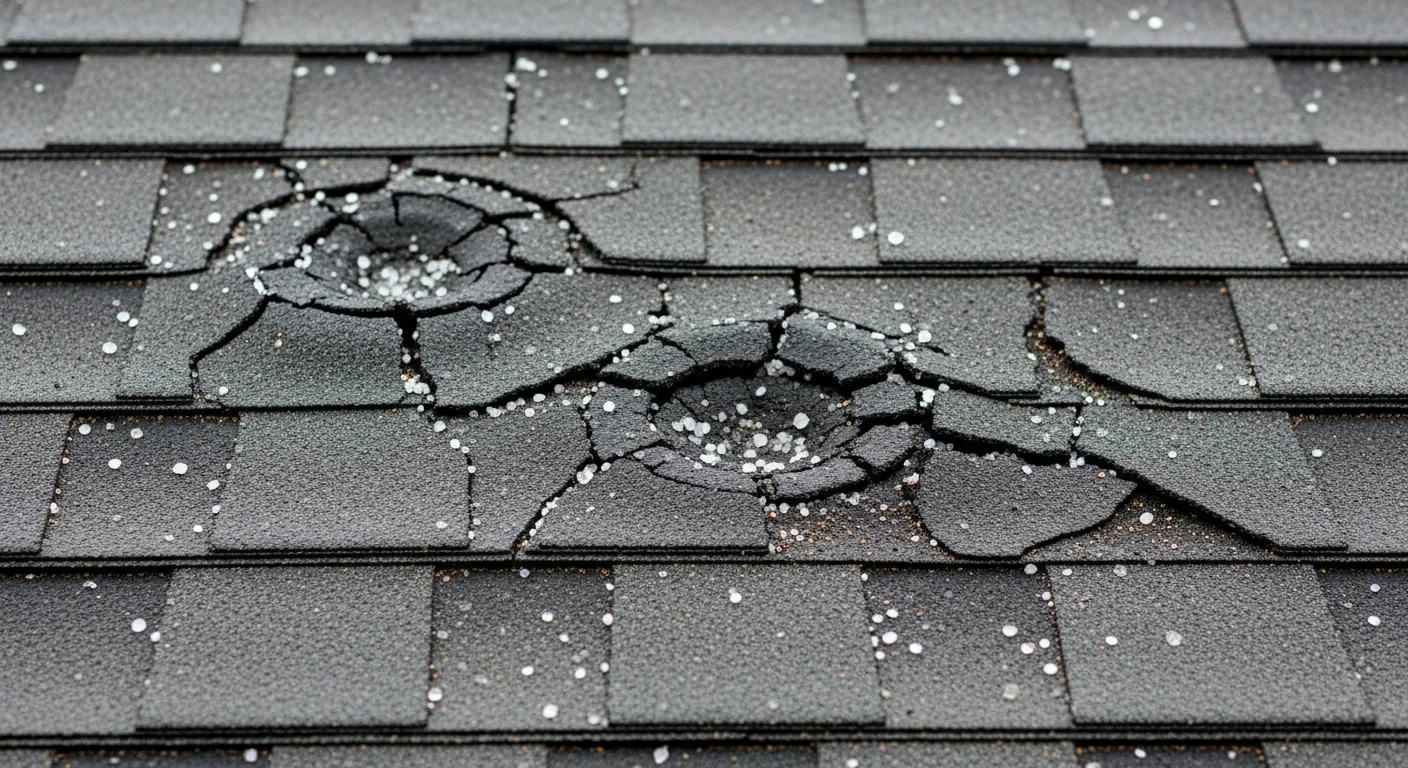
In regions like the Texas Panhandle, where severe thunderstorms regularly produce winds exceeding 70 mph and tornadoes can generate extreme wind speeds, standard wind ratings take on critical importance. The combination of high winds, hail, and rapid temperature changes creates unique challenges for roof system performance.
Enhanced wind resistance often requires upgraded installation techniques, including increased fastener density, specialized edge details, and reinforced attachment points. Many contractors in storm-prone areas recommend exceeding minimum code requirements to provide additional protection against severe weather events.
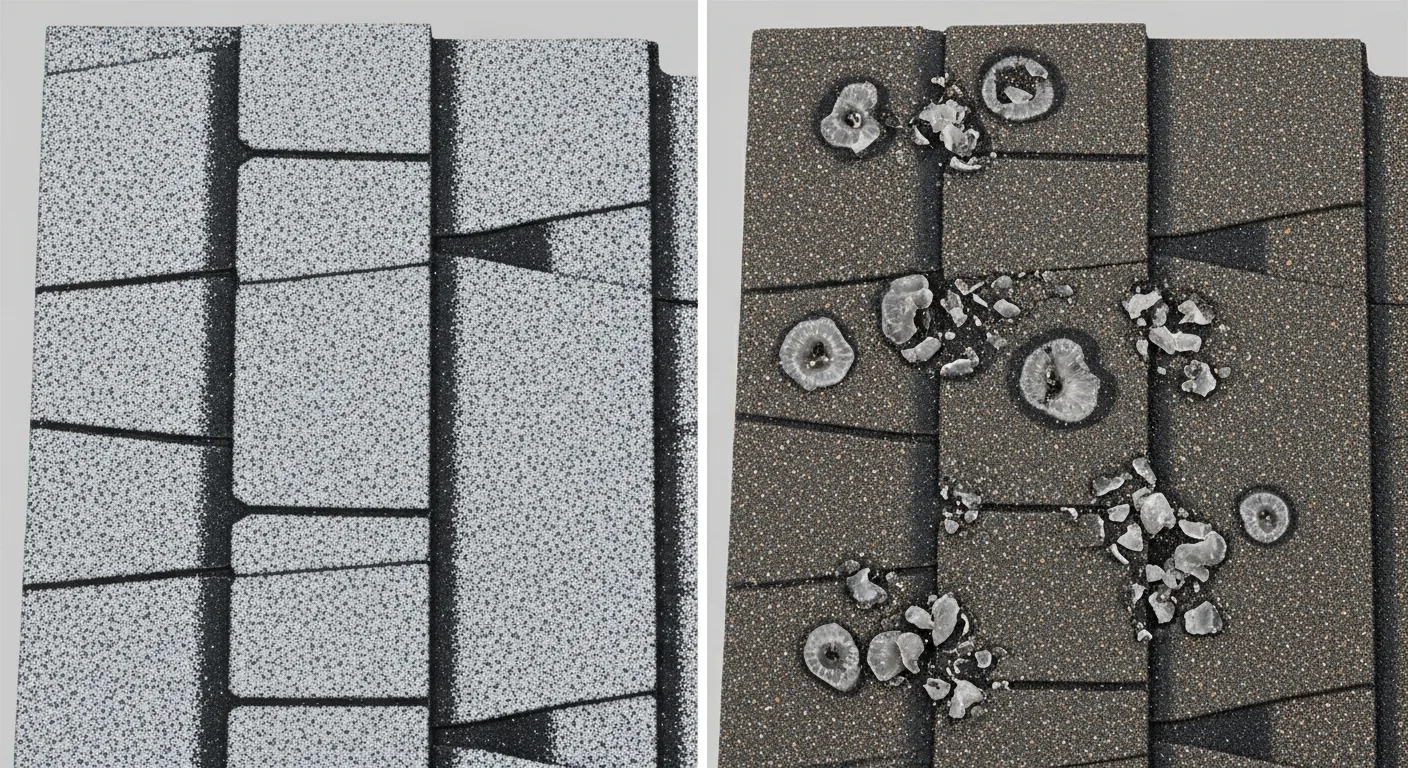
Impact-resistant materials that also offer enhanced wind resistance provide dual protection against the region's most common weather threats. These systems typically feature reinforced construction that improves both hail resistance and wind uplift performance.
Warranty Considerations
Wind damage warranty coverage varies significantly between manufacturers and installation contractors. Understanding warranty requirements, including proper installation documentation and maintenance obligations, is essential for long-term protection. Many enhanced wind resistance warranties require professional installation and regular inspection schedules.
Insurance considerations also play a role in wind rating selection, as many carriers offer premium discounts for roofing systems that exceed local building code requirements for wind resistance.
When to Call a Professional Roofer
Determining appropriate wind resistance for your specific building requires professional evaluation of multiple factors including local wind loads, building characteristics, and exposure conditions. A qualified roofing contractor can assess your current system's wind rating and recommend upgrades if necessary.
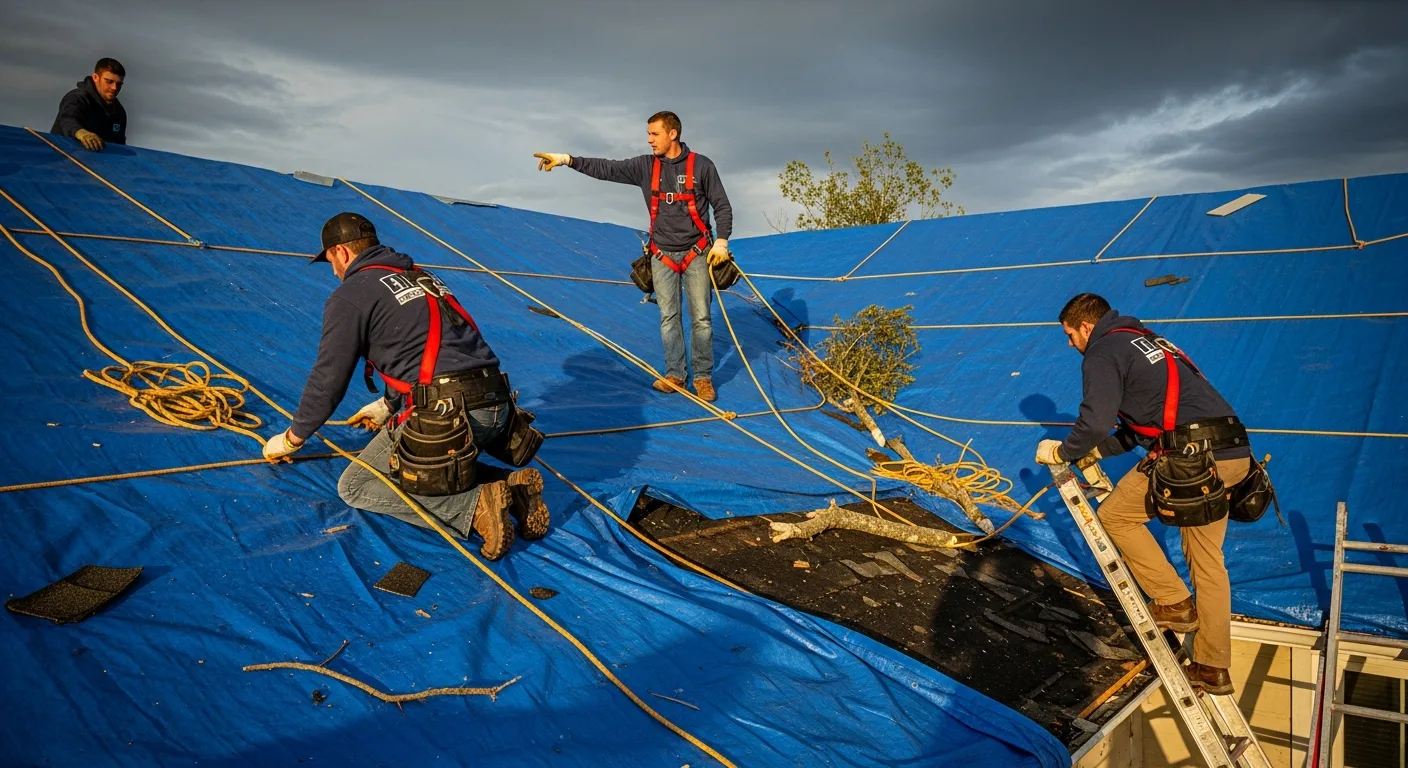
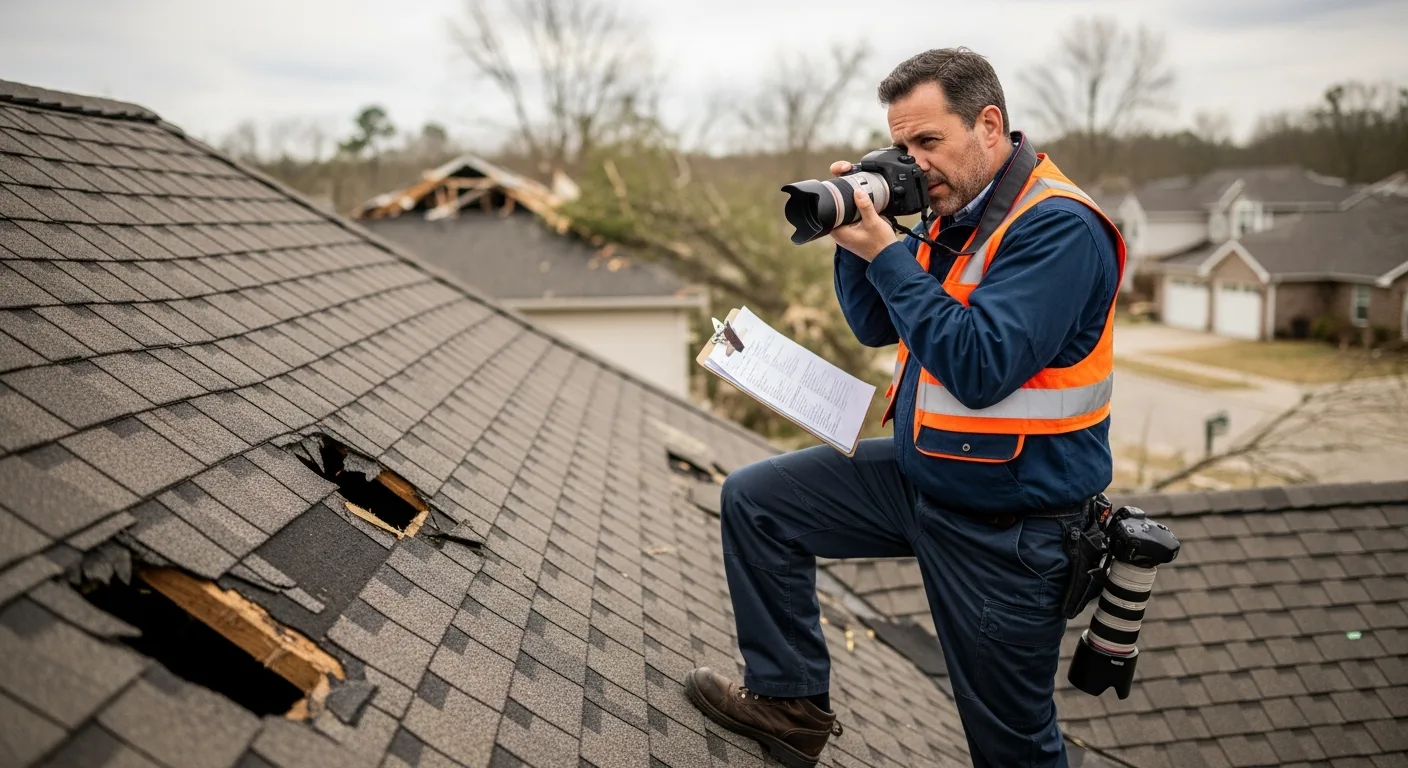
After significant wind events, professional inspection becomes crucial for identifying damage that may not be immediately visible. Even roofs that appear intact may have sustained fastener damage or membrane stress that compromises future wind resistance.
If you're concerned about your roof's ability to withstand high winds or want to upgrade to a higher-rated system, visit our residential roofing service page or explore our commercial roofing services section for detailed information about wind-resistant options available in the Texas Panhandle region.
The Texas Panhandle's extreme weather patterns demand roofing systems engineered for severe conditions. According to NOAA's National Severe Storms Laboratory, this region experiences some of the nation's most intense wind events, with straight-line winds frequently exceeding 80 mph and tornado-related winds reaching catastrophic levels. Understanding how different roofing materials perform under these conditions is essential for property protection.
Asphalt shingles, the most common residential roofing material, typically carry wind ratings between 90-130 mph when properly installed. Premium options like GAF's Timberline HD shingles are engineered with LayerLock technology to achieve ASTM D3161 Class F wind resistance ratings up to 130 mph. However, these ratings assume perfect installation conditions and proper fastening patterns - factors that become critical in high-wind regions.
Metal roofing systems offer superior wind resistance, with standing seam profiles regularly achieving ratings of 140-180 mph. MBCI's standing seam systems utilize concealed fastening methods that eliminate potential wind uplift points, making them particularly suitable for Texas Panhandle applications where sustained high winds can exploit any weakness in the roof assembly.
Commercial flat roofing systems face unique challenges in high-wind environments. Single-ply membranes like TPO and EPDM must be properly mechanically fastened or fully adhered to achieve their rated wind resistance. The Single Ply Roofing Industry (SPRI) has established comprehensive wind design standards that account for building height, roof area, and regional wind loads - all critical factors for Amarillo's commercial buildings.
Local building codes in Texas incorporate International Building Code (IBC) wind load requirements that specify minimum design pressures based on geographic location and building characteristics. For the Amarillo area, these codes typically require roofing systems to withstand basic wind speeds of 90-95 mph, though many property owners opt for higher-rated systems given the region's severe weather history.
Installation quality directly impacts wind resistance performance. Research from the Insurance Institute for Business & Home Safety (IBHS) demonstrates that even high-rated roofing materials can fail prematurely if installation doesn't follow manufacturer specifications. This includes proper fastener placement, adequate edge securement, and appropriate underlayment systems - all factors that become magnified in Texas Panhandle wind conditions.