When Texas storms strike, understanding how insurance adjusters evaluate roof damage claims can make the difference between a fully covered repair and a disappointing settlement. As experienced roofing contractors in Amarillo, we've worked alongside countless adjusters and witnessed firsthand what they look for during roof inspections. This insider knowledge can help Texas homeowners navigate the claims process more effectively and secure the compensation they deserve.
The Insurance Adjuster's Initial Assessment Process
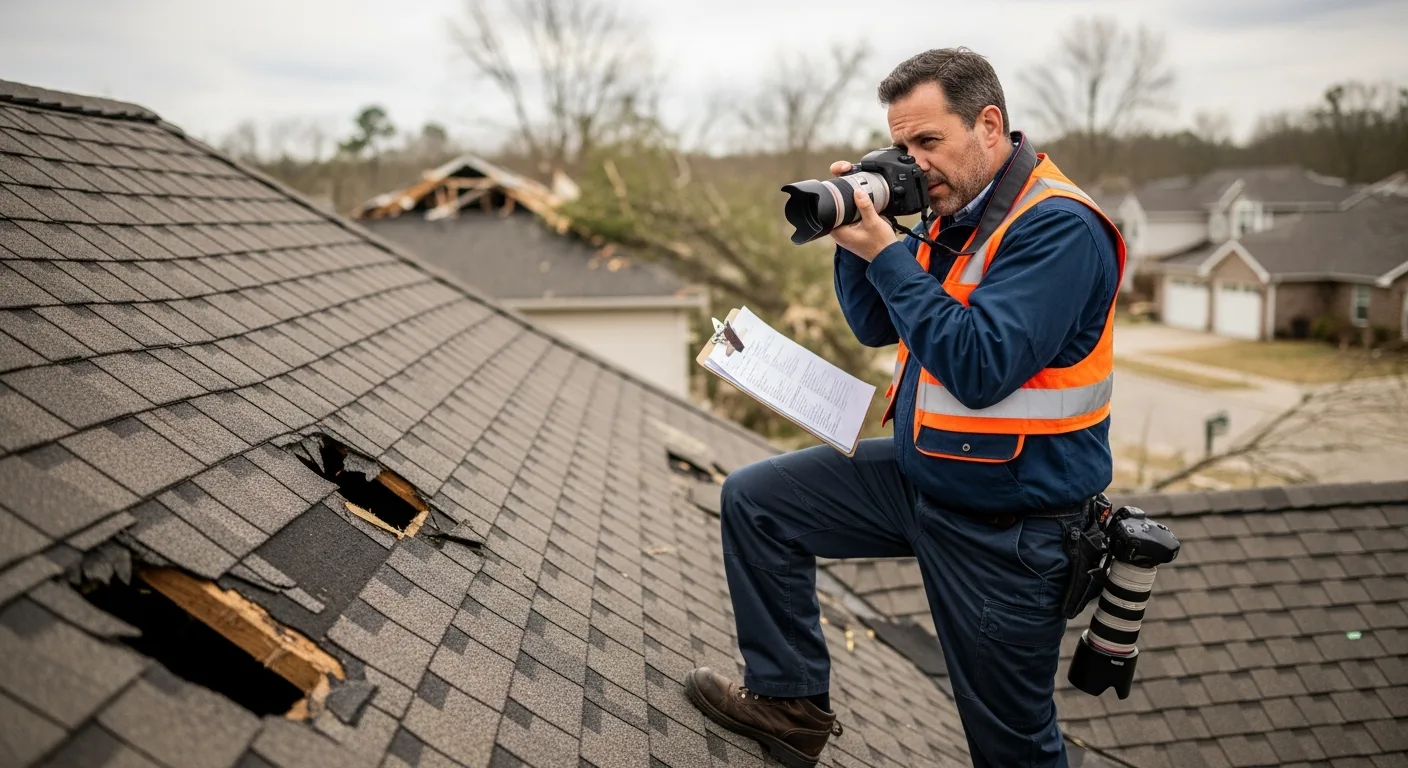
Insurance adjusters follow a systematic approach when evaluating roof damage claims in Texas. Their primary goal is to determine whether the damage was caused by a covered peril and assess the extent of necessary repairs. The process typically begins with a thorough exterior inspection, where adjusters examine the roof from multiple angles using ladders, drones, or even climbing onto the roof surface when safe to do so.
During this initial assessment, adjusters document damage using digital cameras and detailed notes. They're specifically looking for signs of impact damage, such as hail strikes, missing or damaged shingles, exposed nail heads, and compromised flashing. The National Roofing Contractors Association provides guidelines that many adjusters reference when identifying legitimate storm damage versus normal wear and tear.
Adjusters also consider the age of the roof, previous damage history, and maintenance records. A well-documented roof inspection history can significantly support your claim by demonstrating that any damage is recent and storm-related rather than the result of neglect or aging materials.
Key Damage Indicators Adjusters Look For
Hail Damage Assessment
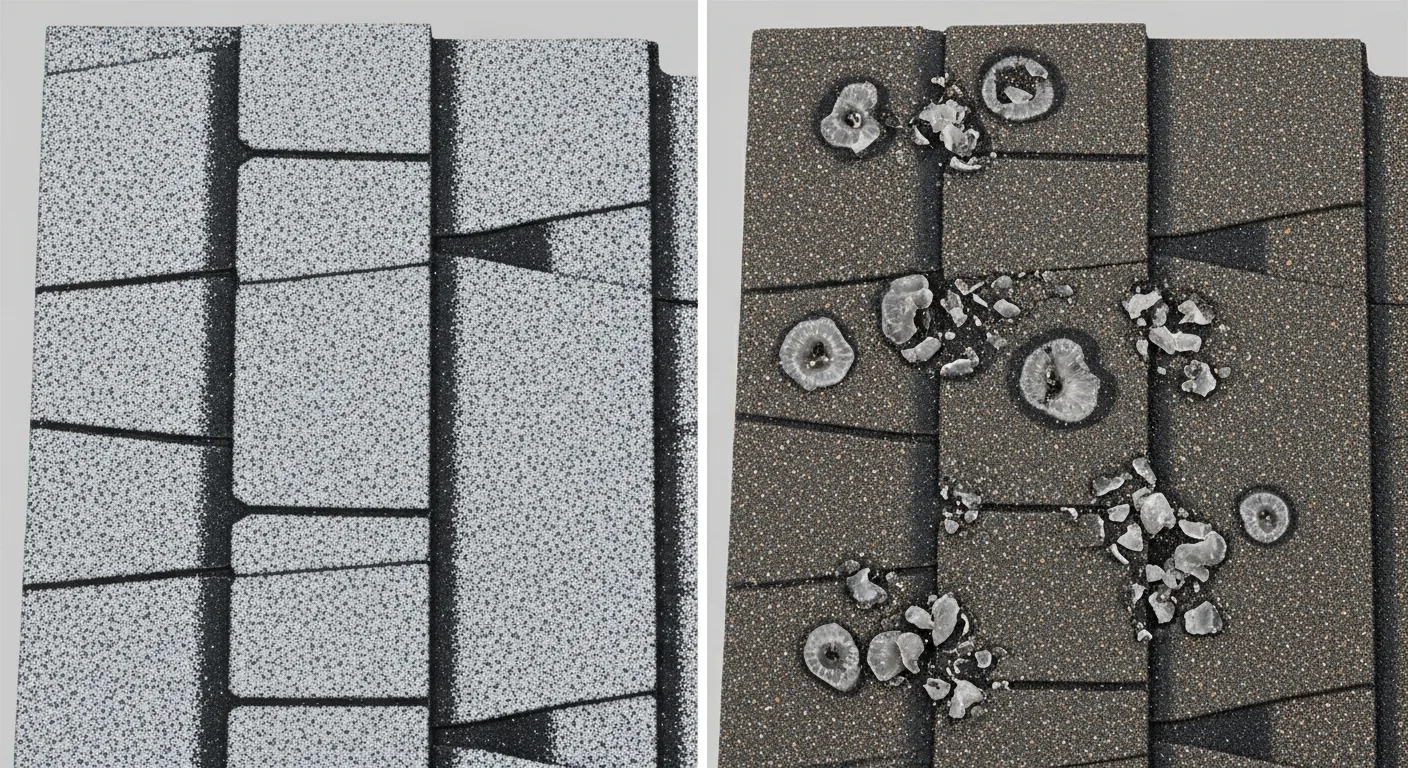
Hail damage evaluation requires specific expertise, as the signs aren't always immediately obvious to untrained eyes. Adjusters look for circular impact marks on shingles, exposed asphalt or mat, loss of granules in a spatter pattern, and denting on metal components like gutters, vents, and flashing. They also examine the size and pattern of damage to determine if it's consistent with reported hail sizes from local weather data.
The National Weather Service maintains detailed records of hail events, which adjusters frequently reference to correlate damage claims with specific storm occurrences. This weather data serves as crucial evidence in supporting the legitimacy of your claim.
Wind Damage Evaluation
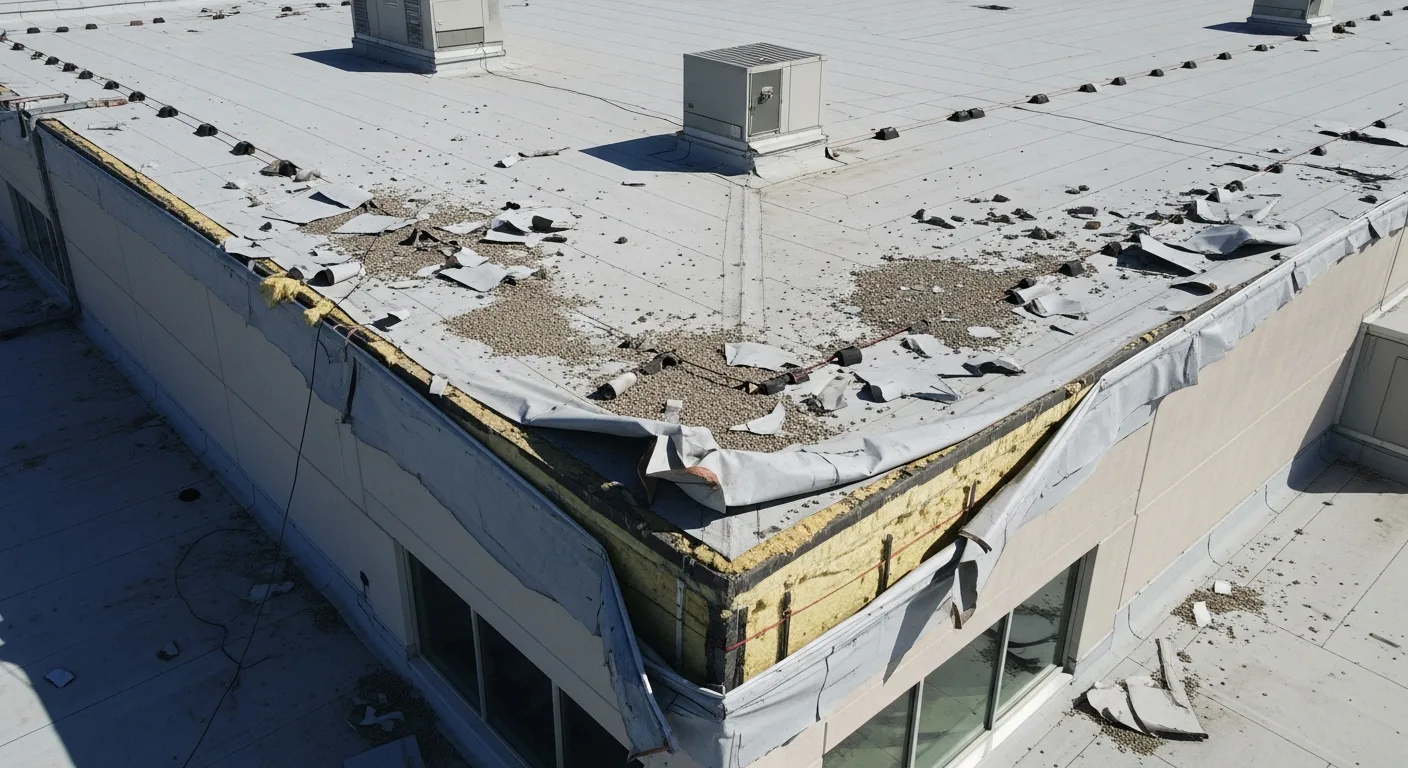
Wind damage presents differently than hail damage, and adjusters are trained to identify the telltale signs. They look for lifted, creased, or missing shingles, damaged ridge caps, and exposed underlayment. Wind damage often creates a directional pattern that adjusters can match with weather service wind direction data from the storm date.
Adjusters pay particular attention to the edges and corners of roofs, as these areas are most susceptible to wind uplift. They also examine the condition of gutters, fascia boards, and soffits, as wind damage often affects these components simultaneously with the roofing material.
Documentation Standards and Evidence Requirements
Successful roof damage claims require comprehensive documentation that meets insurance company standards. Adjusters expect to see clear photographic evidence of damage, preferably taken from multiple angles and distances. Close-up shots showing individual damaged shingles are as important as wide shots showing the overall scope of damage.
Professional documentation from qualified roofing contractors carries significant weight in the claims process. When you work with experienced contractors for storm damage repairs, they understand how to document damage in ways that adjusters recognize and accept. This includes proper terminology, measurement techniques, and photographic standards that align with industry practices.
The Federal Emergency Management Agency provides guidelines for post-disaster property inspections that many adjusters follow, emphasizing the importance of thorough documentation and professional assessment in disaster-related insurance claims.
Weather Correlation and Timing
Adjusters carefully correlate claimed damage with documented weather events in your area. They access detailed meteorological data to verify that severe weather occurred on or around the dates you report damage. This includes precipitation records, wind speed measurements, and hail size reports from the National Weather Service.
Timing is crucial in roof damage claims. Adjusters are more likely to approve claims when damage is reported promptly after known storm events. Delays in reporting can raise questions about when the damage actually occurred and whether it's related to the claimed storm event.
Common Claim Challenges and How to Address Them
One of the most common challenges in Texas roof claims involves distinguishing between storm damage and normal wear and tear. Adjusters are trained to identify aging patterns, gradual deterioration, and maintenance-related issues that aren't covered under standard policies. Understanding this distinction helps homeowners present their claims more effectively.
Another frequent challenge involves disagreements over the extent of damage and necessary repairs. Adjusters may initially approve partial repairs when full replacement is actually needed. This is where having professional contractor assessments becomes invaluable. Experienced roofing professionals can provide detailed repair estimates that justify the full scope of work required.
The Insurance Institute for Business & Home Safety offers research-based insights into property damage assessment that can help homeowners understand industry standards and best practices for damage evaluation.
Working with Public Adjusters
Some Texas homeowners choose to work with public adjusters when dealing with complex or disputed claims. These professionals understand the claims process from the homeowner's perspective and can help navigate disagreements with insurance company adjusters. However, it's important to understand that public adjusters typically charge a percentage of the settlement, which can impact your overall compensation.
Maximizing Your Claim Success
To maximize your chances of a successful roof damage claim, maintain detailed records of your roof's condition and any maintenance performed. Regular professional inspections can establish a baseline condition that supports future claims. When storm damage occurs, document it immediately with photographs and contact qualified contractors for professional assessments.
Understanding your policy coverage is equally important. The Department of Energy provides information about energy-efficient roofing options that might qualify for additional benefits or credits, potentially affecting your claim settlement calculations.
Working with reputable roofing contractors who understand the insurance claims process can significantly improve your claim outcomes. These professionals know how to communicate effectively with adjusters and provide the documentation and expertise needed to support your claim.
The Importance of Professional Roofing Expertise
Insurance adjusters appreciate working with knowledgeable roofing professionals who understand industry standards and proper repair techniques. When selecting a contractor to assess storm damage, choose companies with proven experience in insurance work and strong relationships with local adjusters.
Quality roofing contractors stay current with manufacturer specifications and installation standards from companies like GAF and Owens Corning, ensuring that repair recommendations meet industry standards and insurance requirements.
Understanding how insurance adjusters evaluate roof claims in Texas empowers homeowners to navigate the process more effectively. By maintaining proper documentation, working with qualified professionals, and understanding what adjusters look for, Texas homeowners can improve their chances of receiving fair compensation for legitimate storm damage. Remember that the claims process is designed to restore your property to its pre-loss condition, and proper preparation and professional support can help ensure that outcome.
The Texas Panhandle's unique climate presents specific challenges that adjusters must understand when evaluating claims. With frequent severe hailstorms documented by the National Severe Storms Laboratory, wind speeds exceeding 70 mph, and extreme temperature fluctuations from sub-zero winters to 100°F+ summers, roofing materials face extraordinary stress. Adjusters familiar with the region know to look for thermal expansion damage, granule loss from UV exposure, and the telltale circular marks of hail impacts that are common in our area.
When evaluating impact-resistant shingles, adjusters reference specific ASTM testing standards to determine if materials met manufacturer specifications at the time of installation. Class 4 impact-resistant shingles, such as those tested under UL 2218 standards, should theoretically withstand 2-inch hail impacts. However, adjusters also consider the cumulative effect of multiple storms and aging materials. They may reference manufacturer documentation from companies like TAMKO, whose Heritage and Titan series offer enhanced impact resistance designed specifically for hail-prone regions like ours.
Wind damage evaluation follows Insurance Institute for Business & Home Safety protocols, particularly their FORTIFIED standards which have become increasingly relevant for Texas claims. Adjusters look for edge lifting, where winds infiltrate under shingle edges and create a "domino effect" of damage. They examine the roof's corners and perimeters first, as these areas experience the highest wind pressures. In the Texas Panhandle, where sustained winds of 40+ mph are common, adjusters often find that seemingly minor edge damage can compromise an entire roof system's integrity.
Documentation standards have evolved significantly with technology integration. Modern adjusters use specialized software that cross-references local weather data from NOAA's storm databases with the exact date and location of reported damage. This allows them to verify that claimed damage aligns with documented storm events. They also utilize thermal imaging to detect hidden moisture intrusion and may require core samples to assess substrate damage that isn't visible from surface inspections.
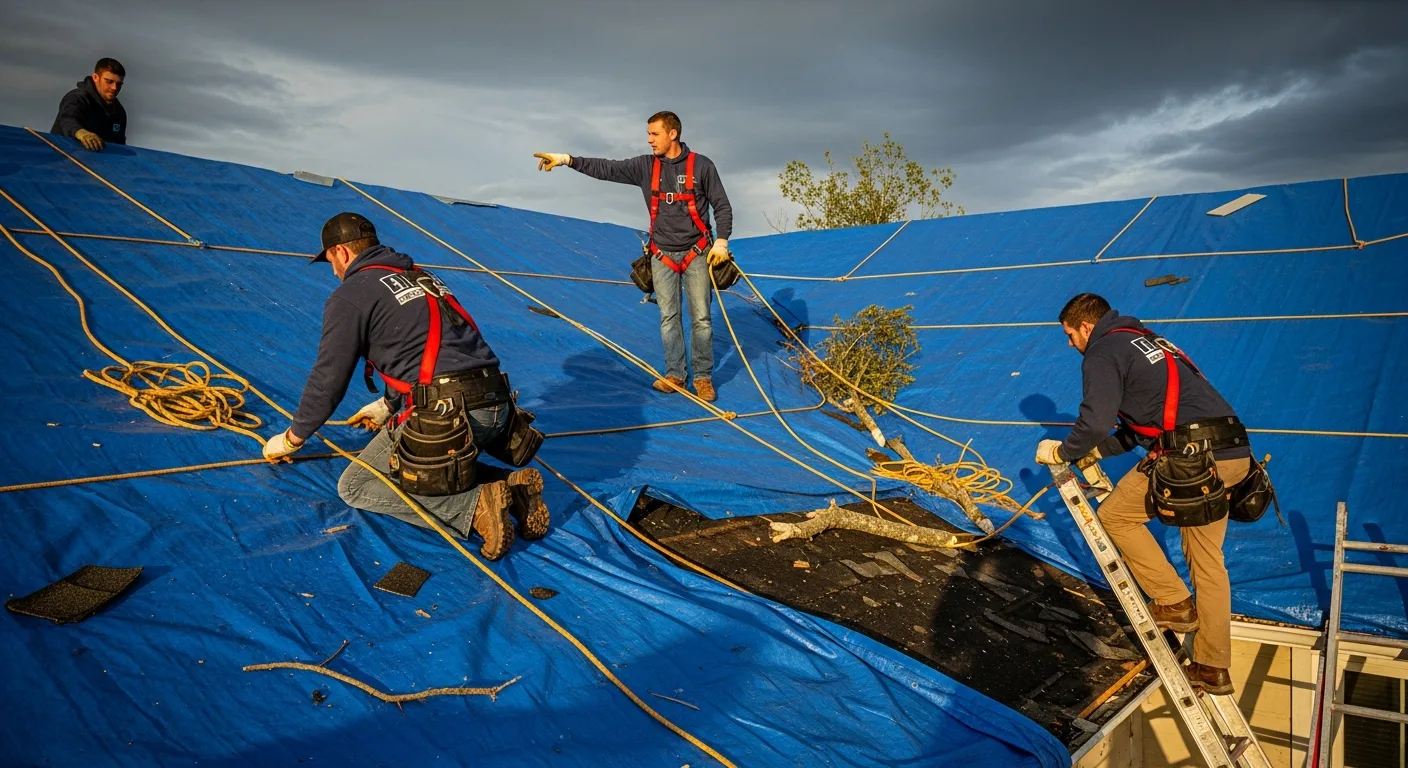
Safety compliance during inspections has become paramount, with adjusters following OSHA fall protection standards and often requiring professional roofing contractors to accompany them during detailed assessments. This collaboration benefits homeowners, as experienced local contractors can point out damage patterns and explain how specific weather events typically affect different roofing materials in our harsh Panhandle climate.