When severe weather strikes Amarillo, your roof often bears the brunt of nature's fury. Whether it's hail, high winds, or torrential rain, storm damage to your roof can quickly escalate from a minor inconvenience to a major disaster if not addressed promptly. The first 24 hours after storm damage are absolutely critical for protecting your home, minimizing additional damage, and preserving your insurance claim. Here's your comprehensive guide to taking the right steps immediately after your roof sustains storm damage.
Immediate Safety Assessment and Documentation
Your first priority should always be the safety of your family and yourself. Before even considering roof inspection or repairs, ensure that everyone in your household is safe and accounted for. If you suspect structural damage or if there are downed power lines near your property, evacuate immediately and contact emergency services.
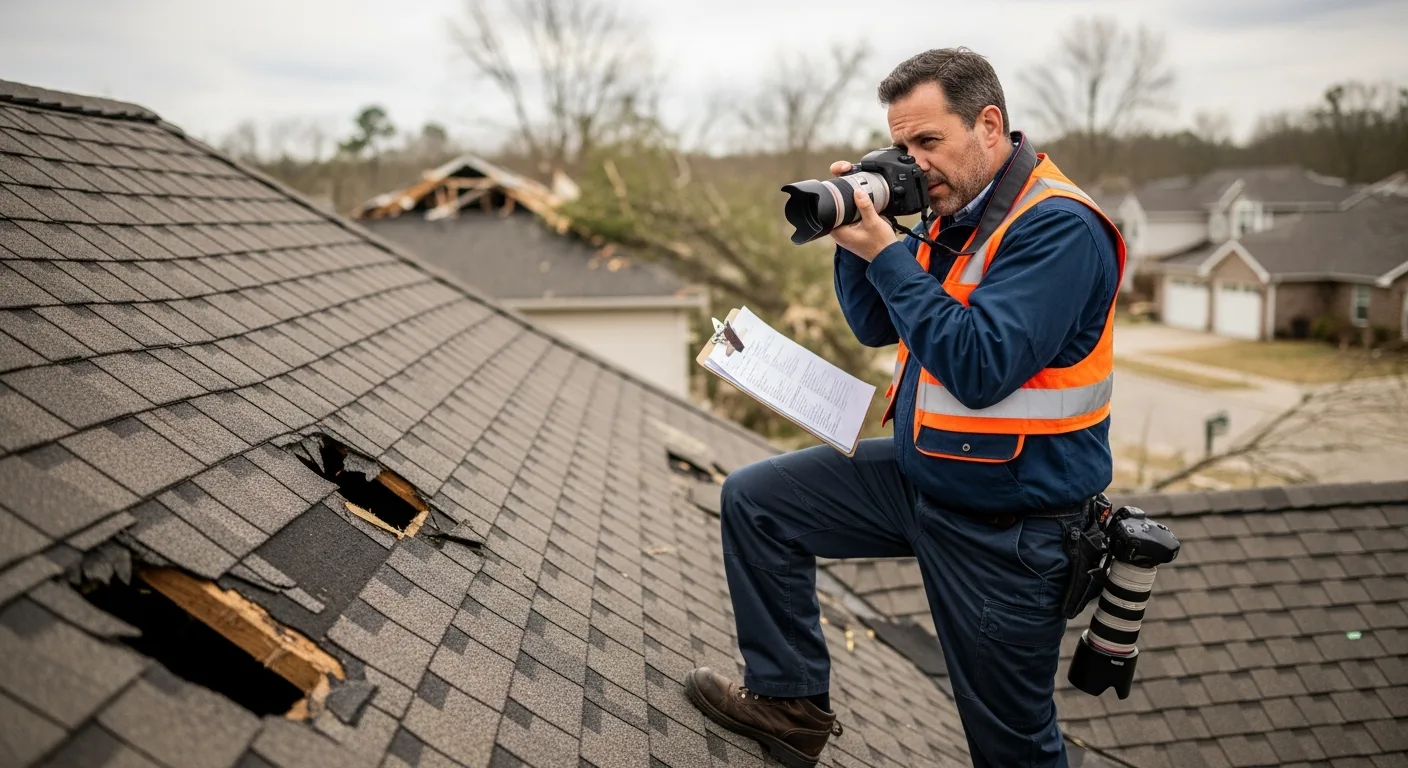
Once safety is confirmed, begin documenting the damage from the ground level. Take photographs and videos of visible damage to your roof, gutters, siding, and any debris on your property. According to the Federal Emergency Management Agency (FEMA), proper documentation is essential for insurance claims and disaster relief applications. Focus on capturing wide shots that show the overall scope of damage as well as close-up images of specific problem areas.
Avoid climbing on your roof or using ladders immediately after a storm, as wet surfaces and potential structural damage make this extremely dangerous. If you can safely access upper-story windows or use binoculars, document what you can see from these vantage points. Make detailed notes about the time and date of the storm, weather conditions, and your observations about the damage.
Creating a Damage Inventory
Develop a comprehensive inventory of all visible damage, including missing or damaged shingles, dented gutters, broken skylights, or compromised flashing. This documentation will prove invaluable when working with insurance adjusters and roofing contractors. The Insurance Institute for Business & Home Safety (IBHS) recommends keeping detailed records that include the extent of damage, potential causes, and any immediate steps taken to prevent further deterioration.
Emergency Mitigation and Interior Protection
If your roof has sustained damage that allows water penetration, taking immediate action to protect your home's interior is crucial. Water damage can quickly compound your problems, leading to mold growth, structural deterioration, and damaged personal belongings. The key is to implement temporary solutions that will buy you time until professional emergency repair services can address the issue properly.
Start by moving valuable items and furniture away from areas where leaks are occurring. Place buckets, tarps, or containers to catch dripping water, and use towels or mops to clean up standing water immediately. If you have a significant leak, consider placing a tarp over the affected area from inside your attic, if it's safe to access.
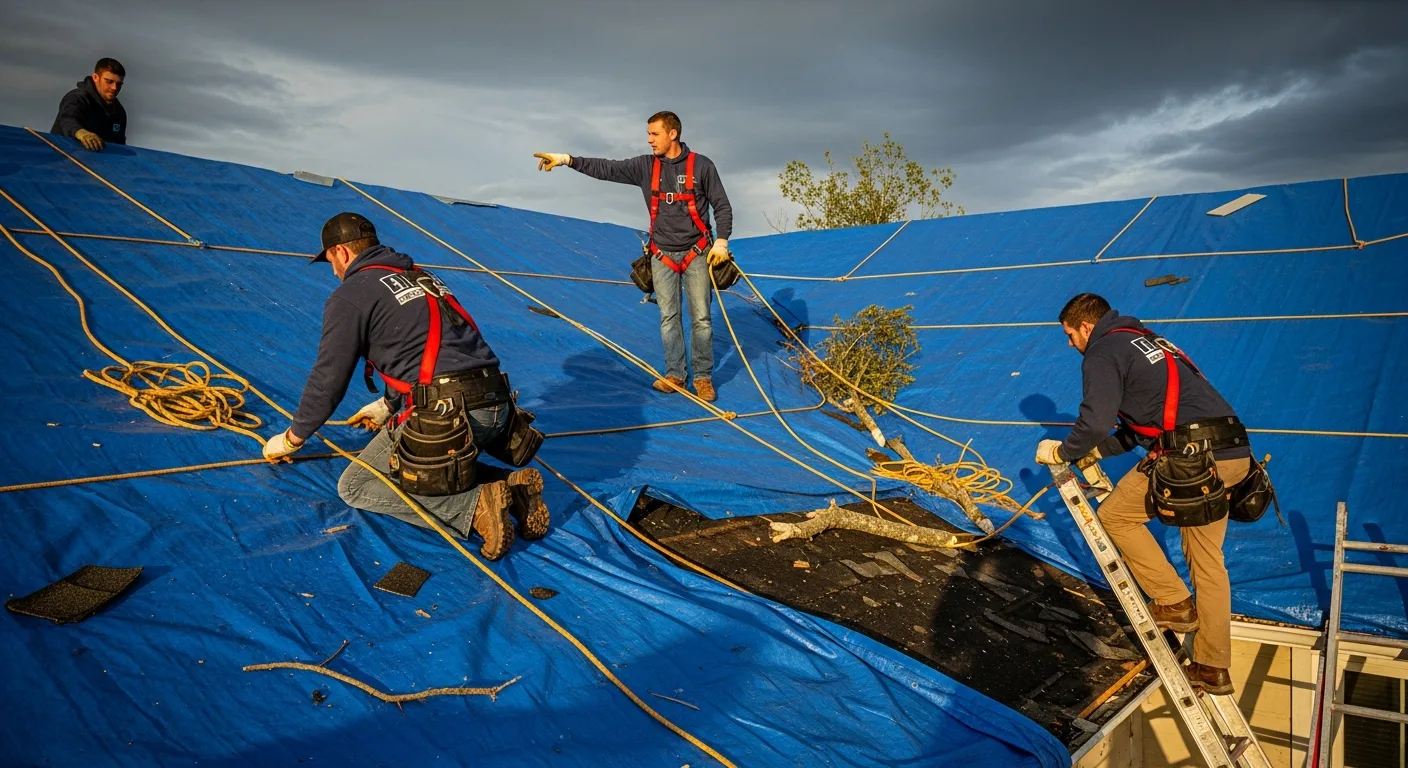
For exterior protection, temporary tarping can be effective but should only be attempted if you can do so safely from the ground or with proper ladder safety procedures. Use heavy-duty tarps secured with sandbags or other weighted materials – never use nails or screws that could create additional roof penetrations. The Department of Energy emphasizes that proper moisture control is essential for maintaining your home's energy efficiency and structural integrity.
Professional Emergency Services
While temporary measures can help, it's essential to contact professional roofing contractors as soon as possible. Emergency roofing services can provide more substantial temporary repairs and begin the process of permanent restoration. When severe weather affects large areas, roofing contractors become extremely busy, so early contact increases your chances of prompt service.
Insurance Notification and Claim Initiation
Contact your insurance company within the first 24 hours, even if you're still assessing the full extent of the damage. Most insurance policies require prompt notification of losses, and delays can potentially complicate your claim. When you call, have your policy number ready and be prepared to provide a preliminary description of the damage based on your documentation efforts.
Request information about your policy's coverage limits, deductibles, and any specific requirements for roof damage claims. Some policies have specific provisions for hail damage or wind damage that may affect how your claim is processed. Ask about the timeline for adjuster visits and what documentation they'll need from you.
Keep detailed records of all communications with your insurance company, including the names of representatives you speak with, claim numbers assigned, and any instructions or requirements they provide. This information will be valuable throughout the claims process and can help resolve any disputes that might arise.
Understanding Your Policy Coverage
Review your insurance policy to understand what types of storm damage are covered and what your responsibilities are as a policyholder. Most standard homeowner's policies cover sudden and accidental damage from storms, but coverage can vary significantly. The National Roofing Contractors Association (NRCA) provides valuable resources about working with insurance companies and understanding coverage for roofing systems.
Professional Assessment and Contractor Selection
While you can identify obvious damage from the ground, a professional assessment is necessary to understand the full scope of storm damage. Experienced roofing contractors can identify issues that aren't immediately visible, such as compromised underlayment, damaged decking, or subtle structural problems that could lead to future issues.
When selecting a contractor for assessment and potential repairs, choose established local companies with proper licensing, insurance, and strong community reputations. Be wary of door-to-door solicitors who appear immediately after storms, as these "storm chasers" often provide substandard work and may not be available for warranty service later.
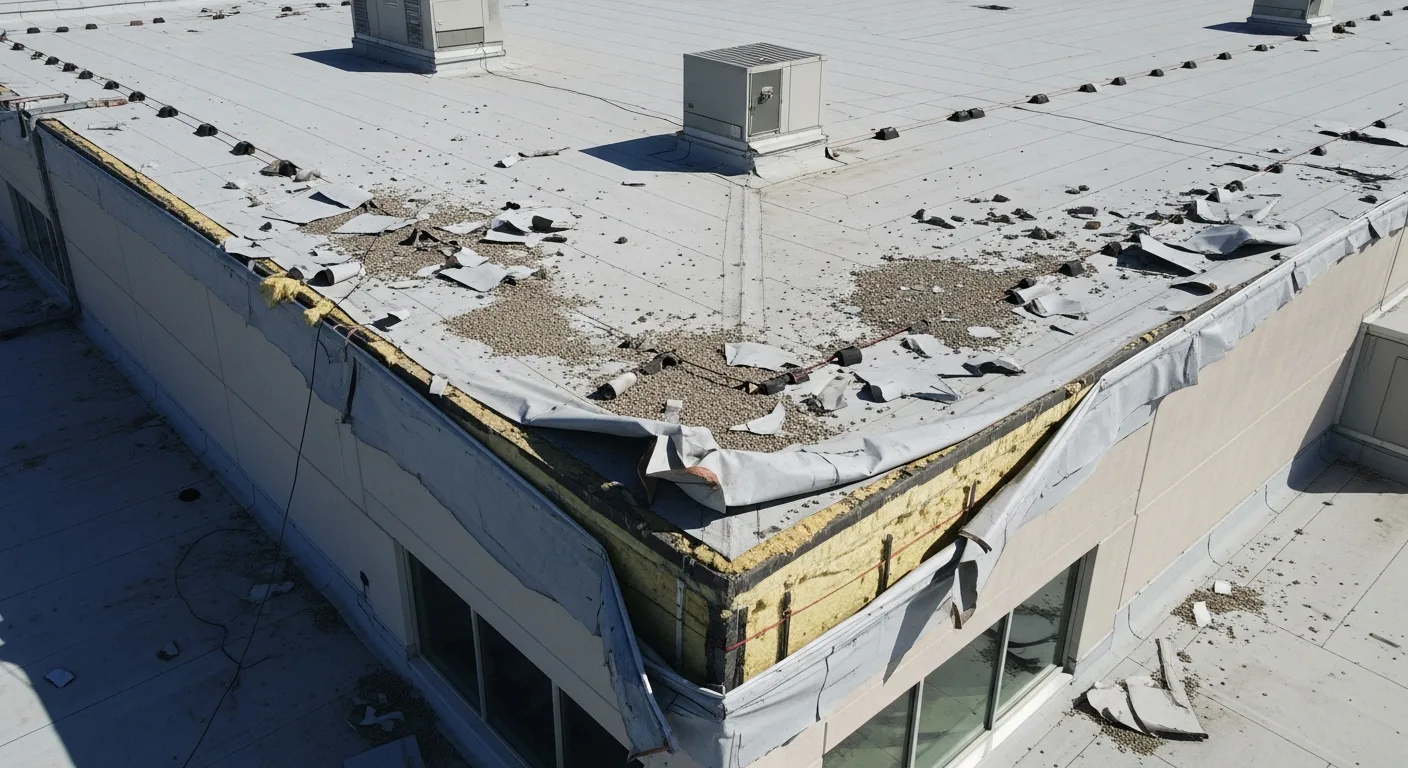
A reputable contractor will provide a detailed assessment that includes photographs, measurements, and a comprehensive scope of necessary repairs. They should also be willing to work with your insurance company and provide detailed estimates that help support your claim. Quality contractors understand the importance of proper materials – whether you need asphalt shingles from manufacturers like GAF or Owens Corning, or commercial roofing solutions from Firestone for flat roof applications.
Getting Multiple Assessments
Consider getting assessments from multiple qualified contractors to ensure you have a complete understanding of the damage and repair costs. This approach can help you make informed decisions about repairs and provide additional support for your insurance claim. However, focus on quality over quantity – two or three assessments from reputable contractors are more valuable than numerous estimates from questionable sources.
Preventing Secondary Damage and Planning Next Steps
Beyond immediate emergency measures, focus on preventing secondary damage that could compromise your home's integrity or complicate your insurance claim. This includes ensuring adequate ventilation to prevent moisture buildup, monitoring for signs of water intrusion, and maintaining your temporary protective measures until permanent repairs can be completed.
Document your mitigation efforts with photographs and receipts, as many insurance policies will reimburse reasonable costs incurred to prevent additional damage. Keep records of any materials purchased, professional services contracted, and time spent on protective measures.
Begin planning for the repair process by researching local building codes, permit requirements, and seasonal considerations that might affect timing. In Amarillo's climate, certain repairs may need to be scheduled around weather patterns to ensure optimal results.
Communication and Follow-up
Establish clear communication channels with your insurance adjuster, chosen contractor, and any other professionals involved in your recovery process. Regular follow-up helps ensure that your claim progresses smoothly and that repair work begins as soon as possible.
If you need assistance navigating the insurance process or connecting with qualified roofing professionals, don't hesitate to seek help. Experienced roofing companies can provide valuable guidance and support throughout the entire restoration process.
The first 24 hours after storm damage are crucial for protecting your home and ensuring a successful recovery. By taking prompt, appropriate action and working with qualified professionals, you can minimize the impact of storm damage and restore your roof to optimal condition. For professional assistance with storm damage assessment and emergency repairs in the Amarillo area, contact us for expert guidance and quality workmanship. Our experienced team understands the unique challenges of Texas weather and can help you navigate both the repair process and insurance claim assistance to get your home back to normal as quickly as possible.
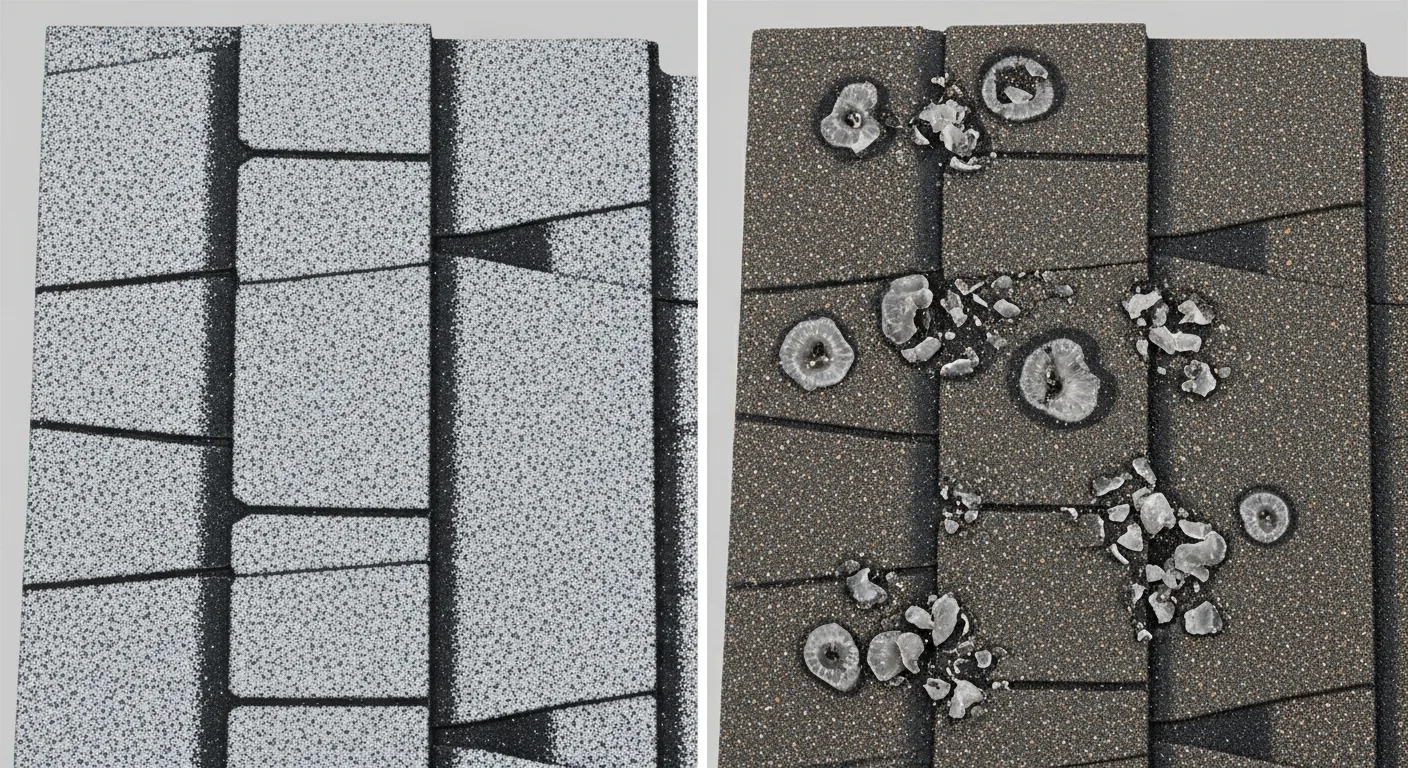
The Texas Panhandle presents unique challenges for storm damage assessment, particularly given the region's notorious "Hail Alley" designation. According to National Severe Storms Laboratory research, the Texas Panhandle experiences some of the most severe hailstorms in the nation, with stones regularly exceeding 2 inches in diameter. When documenting damage, pay special attention to impact-resistant shingles' condition, as materials like TAMKO's Heritage series with Class 4 impact ratings may show different damage patterns than standard asphalt shingles.
Temperature considerations are critical during the initial 24-hour period. Amarillo's extreme temperature fluctuations can cause damaged roofing materials to expand and contract rapidly, potentially worsening existing damage. If your roof features metal components, inspect for thermal movement damage at seams and fasteners. The National Roofing Contractors Association guidelines emphasize that temporary repairs should account for thermal expansion, particularly on standing seam metal roofs which can experience significant movement during temperature swings.
For immediate weatherproofing, use only materials that meet or exceed local building code requirements. The International Building Code requires temporary coverings to be secured according to wind uplift ratings appropriate for your geographic zone. In the Texas Panhandle's high-wind environment, this typically means uplift ratings of 90-110 mph for residential applications. When applying temporary tarps, ensure they're rated for UV exposure and properly weighted or mechanically fastened every 24 inches along the perimeter.
Document any HVAC system exposure immediately, as storm damage often compromises roof-mounted equipment and penetrations. The FEMA Disaster Recovery Guide specifically notes that undocumented secondary damage to building systems can complicate insurance claims. Pay particular attention to areas around vents, chimneys, and HVAC units, as these penetration points are especially vulnerable to wind-driven rain intrusion following initial storm damage.