When homeowners notice curling shingles on their roof, they often wonder whether recent storms are to blame or if their roof is simply showing signs of age. Understanding the difference between wind damage and natural aging is crucial for making informed decisions about repairs, insurance claims, and roof maintenance. As Amarillo's experienced roofing professionals, we frequently encounter this confusion and help property owners identify the true culprit behind their shingle problems.
Understanding Shingle Curling: The Basics
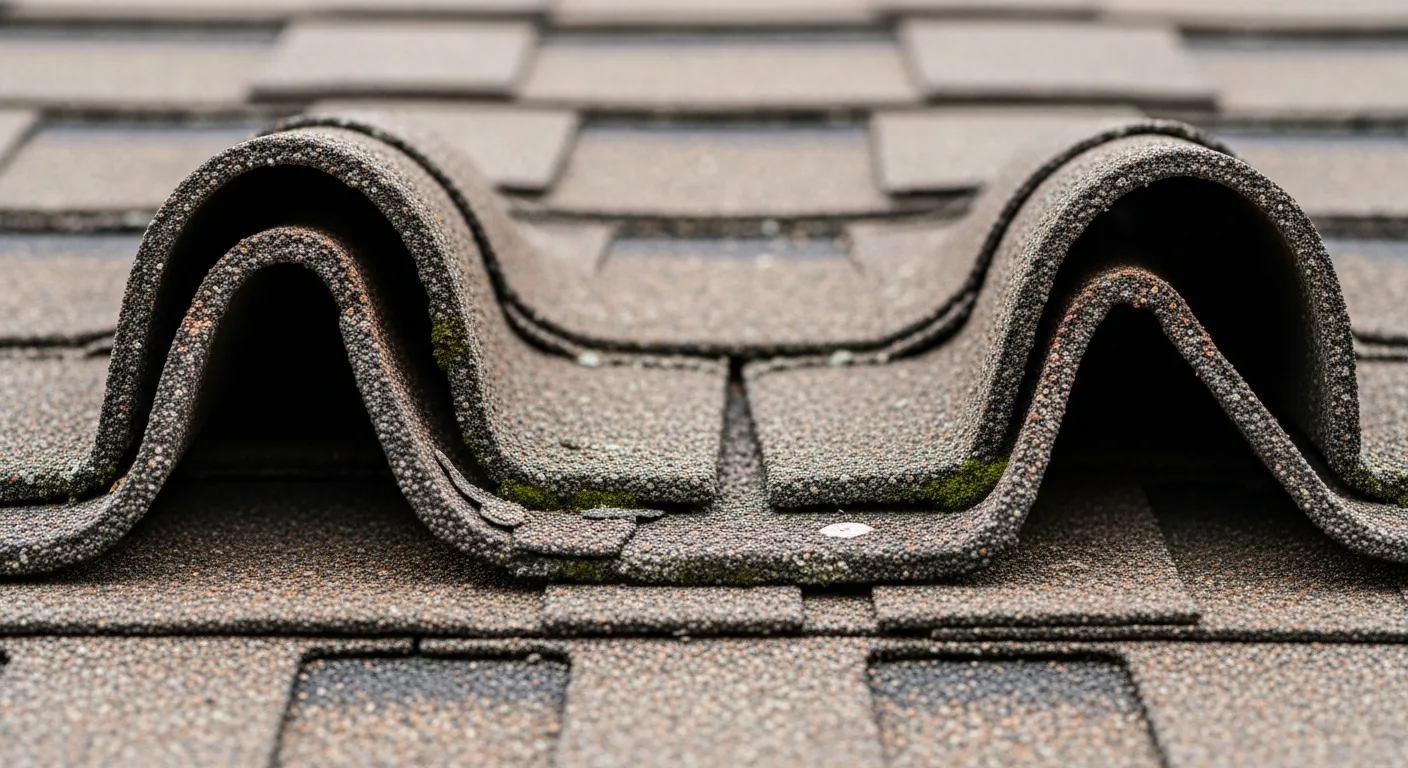
Shingle curling occurs when the edges or corners of asphalt shingles lift away from the roof deck, creating a curved or wavy appearance. This phenomenon can manifest in two primary ways: edge curling, where the perimeter of the shingle turns upward, and cupping, where the center of the shingle sinks while the edges remain elevated. Both conditions compromise your roof's ability to shed water effectively and can lead to more serious problems if left unaddressed.
The National Roofing Contractors Association emphasizes that proper diagnosis of the underlying cause is essential for determining the appropriate repair strategy and ensuring warranty coverage. Whether you're dealing with storm damage or age-related deterioration affects everything from repair costs to insurance coverage eligibility.
Visual Indicators of Wind Damage
Wind-induced shingle curling typically displays distinct characteristics that differentiate it from aging-related issues. Fresh wind damage often appears suddenly after severe weather events and may be accompanied by other storm-related signs such as missing granules, exposed nail heads, or displaced shingles. The curling pattern from wind damage is usually more irregular and localized to areas that experienced the most direct wind exposure, such as roof edges, corners, and high-elevation sections.
According to the Insurance Institute for Business & Home Safety, wind speeds as low as 45 mph can begin to cause shingle damage, while speeds exceeding 70 mph can create significant uplift forces that permanently deform roofing materials. If you suspect wind damage, our wind damage repair specialists can provide professional assessment and documentation for insurance purposes.
Age-Related Shingle Deterioration
Natural aging causes shingles to curl through a gradual process of thermal cycling, UV exposure, and moisture infiltration. Unlike wind damage, age-related curling develops slowly over many years and typically affects the entire roof surface uniformly. The asphalt in aging shingles becomes less flexible, and the mat material begins to shrink, pulling the edges upward.
The U.S. Department of Energy notes that extreme temperature fluctuations, common in the Texas Panhandle, accelerate this aging process. During hot summer days, shingles expand, while cool nights cause contraction. Over thousands of these cycles, the constant movement weakens the shingle structure and contributes to curling.
Environmental Factors in Amarillo
Amarillo's unique climate presents specific challenges for roofing materials. Our region experiences significant temperature swings, intense UV radiation, high winds, and occasional severe storms. These conditions can accelerate both aging processes and increase susceptibility to wind damage. The combination of low humidity and intense sun exposure particularly affects the asphalt binders in shingles, making them more prone to curling as they age.
Poor ventilation compounds these environmental stresses. When attic spaces become superheated due to inadequate airflow, the excessive heat can cause shingles to age prematurely and become more vulnerable to wind uplift. Proper ventilation design is crucial for extending shingle life and maintaining structural integrity.
Professional Diagnosis: Why It Matters
Accurately distinguishing between wind damage and aging requires professional expertise and experience. Insurance companies rely on qualified inspectors to determine coverage eligibility, and incorrect self-diagnosis can result in denied claims or unnecessary out-of-pocket expenses. Professional roofers understand the subtle differences in damage patterns, know what documentation is required for insurance purposes, and can identify underlying issues that may not be immediately apparent.
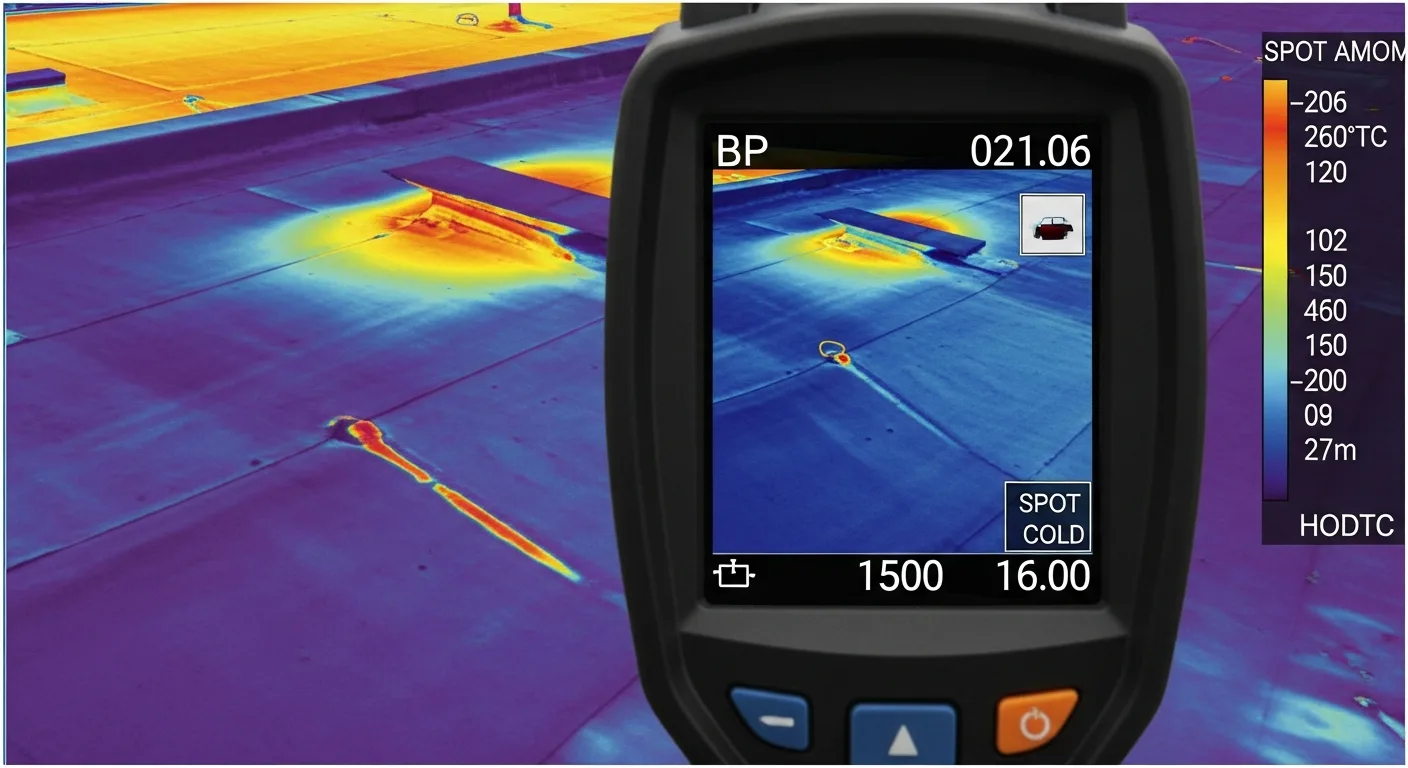
During a comprehensive roof inspection, qualified professionals examine multiple factors including the age of the roofing system, local weather history, surrounding damage patterns, and the overall condition of roofing components. This thorough assessment provides the foundation for appropriate repair recommendations and insurance claim documentation.
Insurance Implications and Coverage
The distinction between wind damage and aging significantly impacts insurance coverage. Most homeowner's policies cover sudden, accidental damage from covered perils like wind and hail but exclude damage from normal wear and tear. If curling shingles result from a recent windstorm, repairs may be covered under your policy's wind and hail provision. However, if the curling is attributed to aging, you'll likely be responsible for repair costs.
When filing insurance claims, documentation is critical. Professional assessments, weather reports, photographs, and detailed repair estimates help substantiate your claim and expedite the settlement process. FEMA recommends maintaining detailed records of your roof's condition and any storm-related damage to support insurance claims and disaster assistance applications.
Prevention and Maintenance Strategies
While you cannot prevent natural aging, proper maintenance and quality materials can significantly extend your roof's lifespan and reduce susceptibility to both age-related deterioration and wind damage. High-quality shingles from manufacturers like GAF and Owens Corning are engineered to withstand harsh environmental conditions and maintain flexibility longer than budget alternatives.
Regular maintenance includes keeping gutters clean, ensuring proper attic ventilation, trimming overhanging branches, and scheduling periodic professional inspections. These proactive measures help identify potential problems before they become major issues and provide documentation of your roof's condition over time.
When to Seek Professional Help
If you notice shingle curling, regardless of the suspected cause, professional evaluation is recommended. Early intervention can prevent minor issues from developing into major problems that compromise your home's weather protection. Warning signs that warrant immediate professional attention include multiple curled shingles in concentrated areas, recent severe weather events, visible granule loss, or any signs of water infiltration.
Our experienced team provides comprehensive assessments, honest diagnoses, and appropriate repair recommendations whether you're dealing with storm damage or age-related issues. We work directly with insurance companies when applicable and ensure all roof repairs meet or exceed industry standards for quality and durability.
Making Informed Decisions
Understanding the difference between wind damage and aging helps you make informed decisions about roof repairs, insurance claims, and long-term maintenance planning. While both issues require attention, the approach, timeline, and financial implications differ significantly. Professional diagnosis ensures you receive appropriate solutions and maximize available insurance coverage when applicable.
Whether your shingles are curling due to recent storm damage or natural aging processes, addressing the issue promptly protects your investment and maintains your home's weather resistance. Trust experienced professionals to provide accurate assessments, quality repairs, and guidance through the insurance claim process when appropriate.
Texas Panhandle Climate Factors
The Texas Panhandle presents unique challenges for roofing systems that can accelerate shingle deterioration and mimic storm damage. With summer temperatures regularly exceeding 100°F and NOAA weather data showing frequent hail events and sustained winds over 60 mph, local roofs face extreme thermal cycling and mechanical stress. This harsh environment causes asphalt shingles to expand and contract repeatedly, weakening the granule adhesion and making them more susceptible to both age-related curling and actual wind uplift damage.
According to Energy Star guidelines, proper attic ventilation becomes critical in our climate to prevent heat buildup that can reach 160°F in unventilated spaces. When combined with inadequate insulation, this excessive heat accelerates shingle aging from the underside, creating curling patterns that homeowners might mistake for recent storm damage. The key difference lies in the uniformity of age-related curling versus the irregular patterns typically left by wind events.
Industry Standards for Wind Resistance
Modern shingles are tested according to ASTM D3161 standards for wind resistance, with classifications ranging from Class A (60 mph) to Class F (110 mph). Premium products like GAF's Timberline HDZ shingles feature StrikeZone nailing areas and dual-layered construction designed to withstand Texas wind conditions. However, even the highest-rated shingles will show uplift damage when winds exceed their design limits, creating distinct lifting patterns along edges and corners that differ significantly from the gradual curling associated with thermal aging.
The Insurance Institute for Business & Home Safety recommends that Texas homeowners consider impact-resistant shingles rated for Class 4 hail resistance, as these products typically feature enhanced adhesive strips and reinforced mat construction that also improves wind performance. When evaluating shingle damage, certified inspectors look for specific indicators like exposed nail heads, torn shingle tabs, and granule loss patterns that help distinguish between storm-related damage and natural weathering processes that occur over the typical 15-20 year lifespan of standard asphalt shingles.