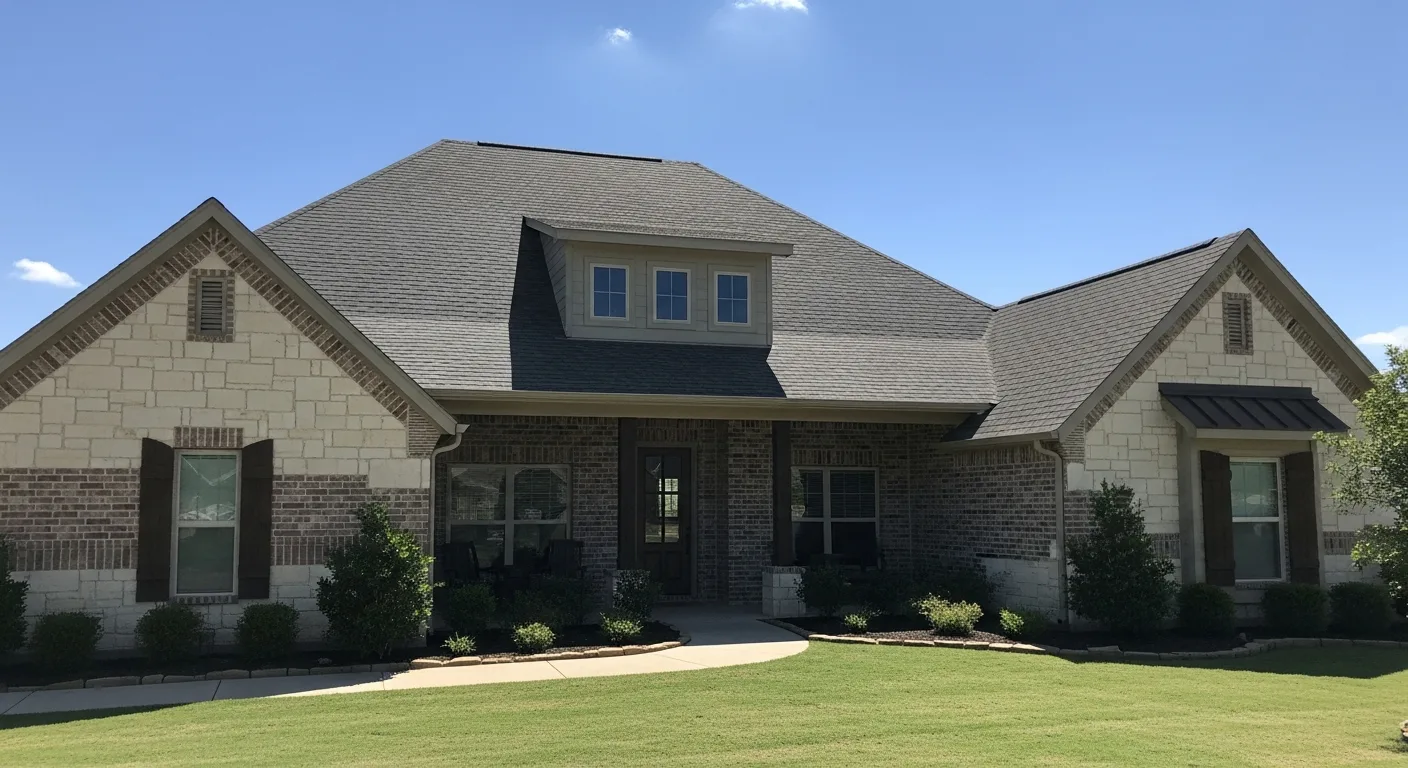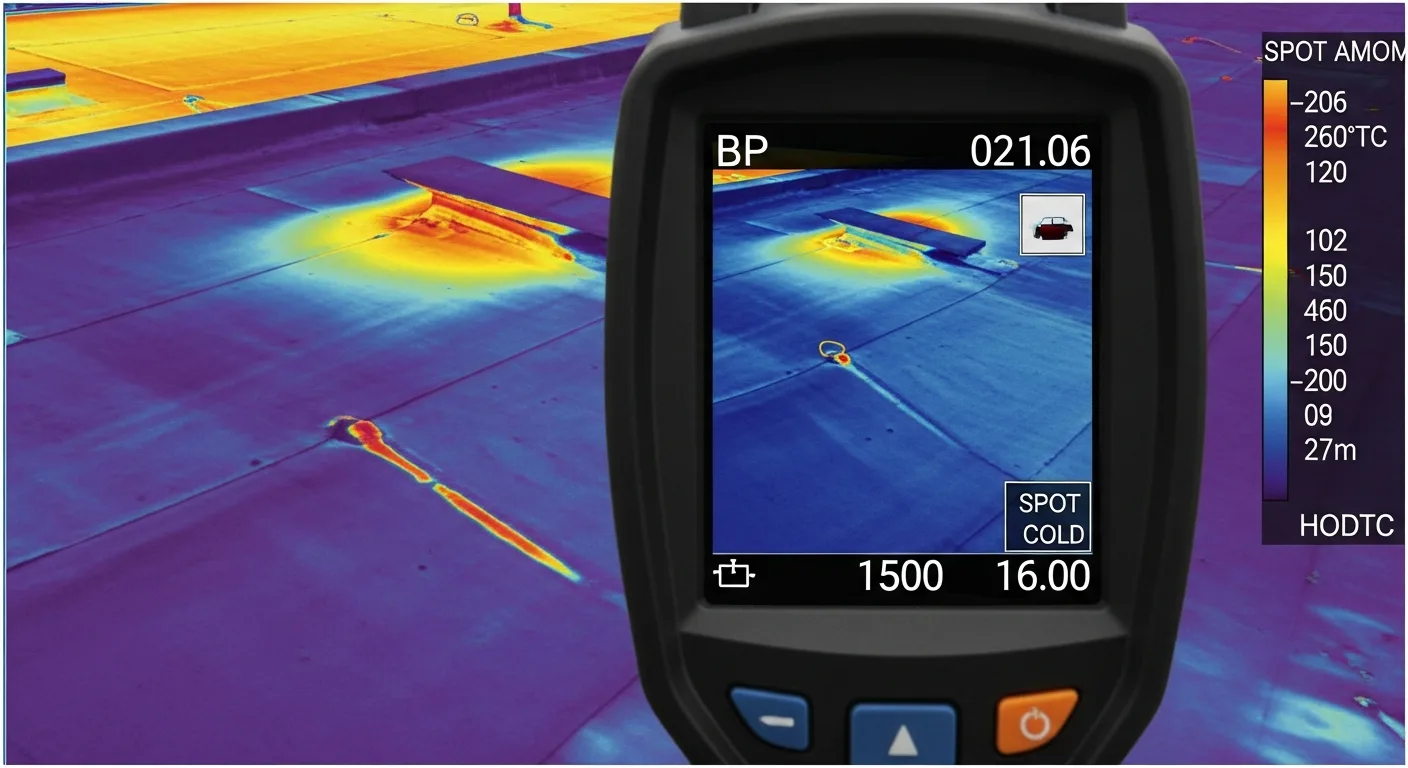
Metal roofing has emerged as one of the most popular alternatives to traditional asphalt shingles for residential homes, offering exceptional durability, energy efficiency, and long-term value. As Amarillo homeowners face the challenges of severe weather conditions including hail, high winds, and extreme temperature fluctuations, understanding the benefits and considerations of metal roofing becomes crucial for making informed decisions about your home's protection and investment.
Understanding Metal Roofing Materials and Types
Metal roofing encompasses various materials, each with distinct characteristics and performance attributes. Steel roofing, the most common option, provides excellent strength and affordability while offering superior resistance to impact damage from hail – a critical consideration in the Texas Panhandle region. Aluminum roofing excels in coastal areas due to its natural corrosion resistance, though it's equally effective in inland applications where moisture and humidity fluctuate.
Copper roofing represents the premium end of metal roofing materials, developing a distinctive patina over time while providing unmatched longevity that can exceed 100 years with proper maintenance. Zinc roofing offers similar longevity benefits with self-healing properties that help minor scratches disappear over time. For homeowners considering metal roofing options, understanding these material differences helps determine the best fit for your specific needs, budget, and architectural style.
Profile and Style Variations
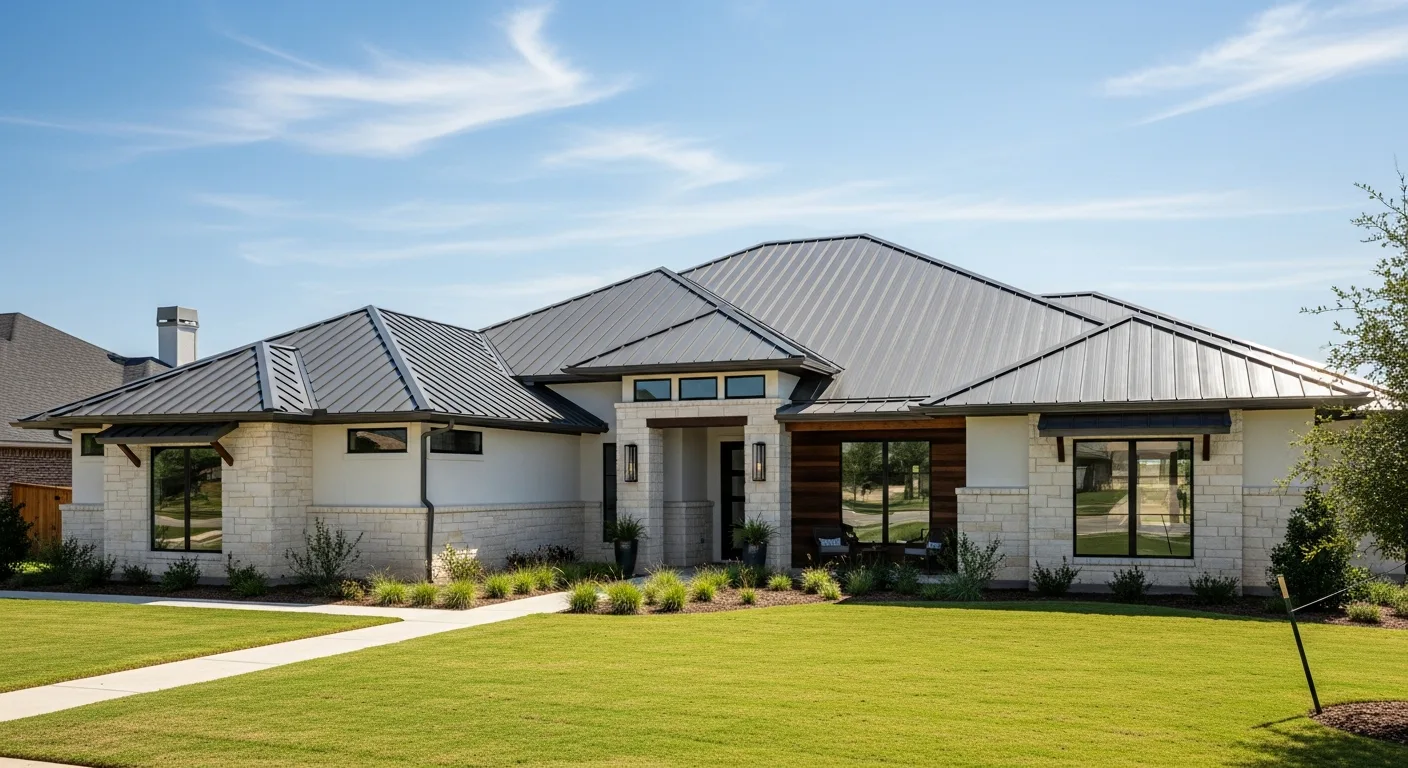
Modern metal roofing systems offer numerous profile options that accommodate various architectural styles. Standing seam systems provide sleek, contemporary aesthetics with concealed fasteners that enhance weather protection and visual appeal. Corrugated metal panels offer traditional charm while maintaining cost-effectiveness and easy installation. Metal shingles and tiles replicate the appearance of traditional roofing materials while delivering metal's superior performance characteristics.
Comprehensive Benefits of Metal Roofing
The advantages of metal roofing extend far beyond basic weather protection, making it an increasingly attractive option for discerning homeowners. According to the U.S. Department of Energy, metal roofing's reflective properties can reduce cooling costs by up to 25% during hot summer months, providing substantial energy savings over the roof's lifetime.
Durability stands as metal roofing's most compelling advantage, with properly installed systems lasting 40-70 years compared to asphalt shingles' typical 15-30 year lifespan. This longevity translates to significant long-term savings when considering multiple roof replacements over a home's lifetime. Metal roofing's resistance to fire, insects, rot, and mildew provides additional protection that traditional materials cannot match.
Weather Resistance and Safety Features
The Insurance Institute for Business & Home Safety recognizes metal roofing's superior performance in extreme weather conditions. These systems withstand wind speeds exceeding 140 mph when properly installed, making them ideal for areas prone to severe storms. The interlocking design of many metal roofing systems creates a continuous barrier that resists water infiltration even under driving rain conditions.
Metal roofing's fire resistance provides crucial safety benefits, earning Class A fire ratings that can potentially reduce homeowner insurance premiums. Unlike combustible materials, metal roofing won't ignite from sparks or burning debris, offering peace of mind during wildfire seasons or when neighboring properties experience fires.
Potential Drawbacks and Considerations
While metal roofing offers numerous advantages, homeowners should consider potential drawbacks before making their decision. Initial installation costs typically exceed those of traditional roofing materials, though this higher upfront investment often pays dividends through longevity and energy savings. The installation process requires specialized knowledge and experience, making proper contractor selection crucial for optimal performance.
Noise concerns sometimes arise with metal roofing, though modern installation techniques and insulation significantly reduce sound transmission. Properly installed metal roofing with adequate insulation performs comparably to other roofing materials regarding noise levels during rain or hail events.
Expansion and Contraction Factors
Metal's natural tendency to expand and contract with temperature changes requires careful attention during installation. Experienced contractors account for this movement through proper fastening techniques and expansion joints that prevent buckling or structural stress. When considering a roof replacement, working with qualified professionals ensures these thermal movement factors are properly addressed.
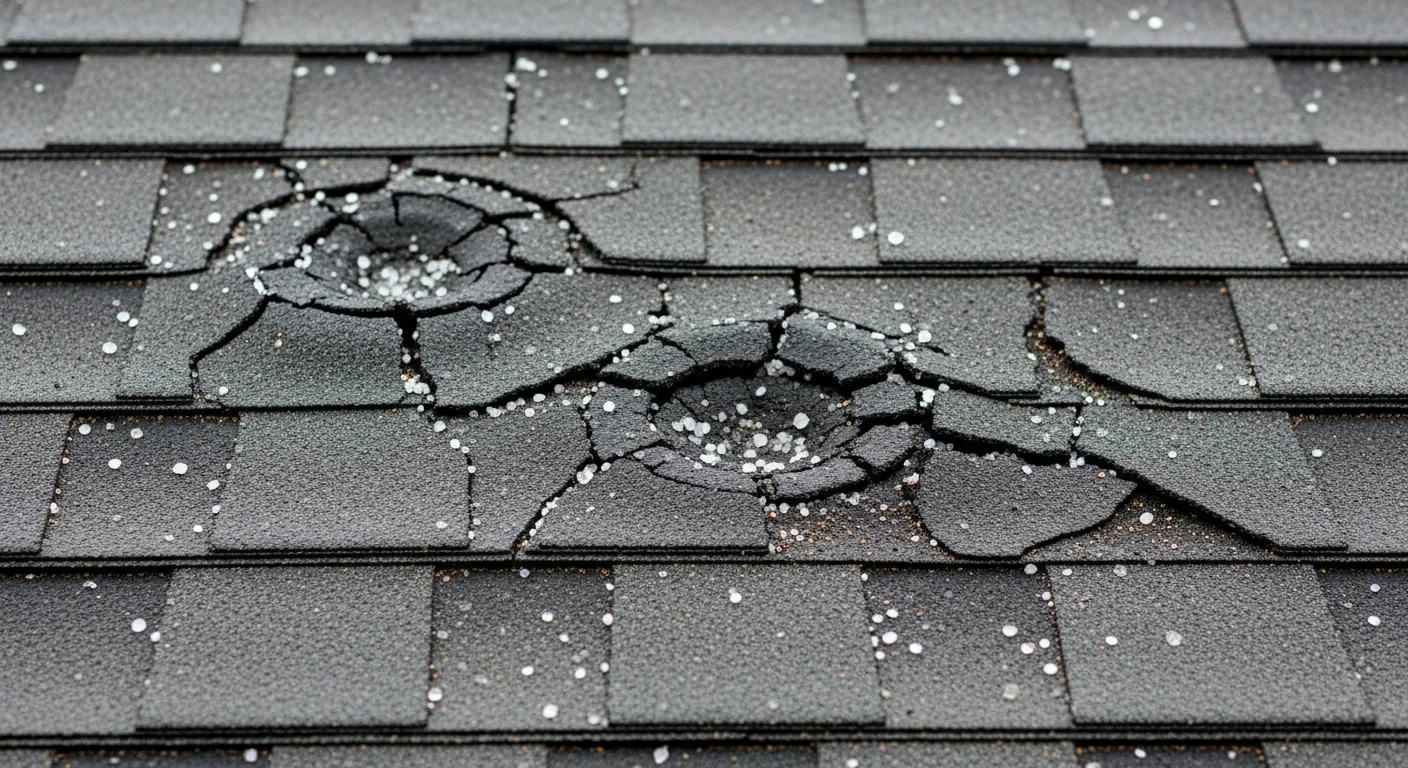
Potential for denting exists with softer metals like aluminum, particularly in areas prone to large hail. However, most quality metal roofing systems resist normal hail damage better than traditional shingles, and any dents typically remain cosmetic rather than compromising the roof's protective function.
Detailed Cost Analysis and Value Proposition
Understanding metal roofing costs requires examining both initial investment and long-term value. Basic steel panels typically range from $8-12 per square foot installed, while premium materials like copper can exceed $20 per square foot. These costs compare to $4-8 per square foot for quality asphalt shingles, making the initial investment significantly higher for metal systems.
However, total cost of ownership calculations often favor metal roofing when considering replacement frequency, energy savings, and maintenance costs. A metal roof installed today may never require replacement during your homeownership, while asphalt shingles might need replacement 2-3 times over the same period.
Insurance and Financing Considerations
Many insurance companies offer discounts for metal roofing due to its superior weather resistance and fire protection properties. These savings, typically 5-15% on premiums, accumulate significantly over the roof's lifetime. Some areas prone to severe weather offer additional incentives or rebates for impact-resistant roofing materials.
Financing options for metal roofing installations include traditional home improvement loans, roofing-specific financing programs, and energy efficiency rebates. Many manufacturers offer extended warranties that protect your investment, with some providing 50-year or lifetime coverage on materials.
Installation Process and Timeline
Professional metal roof installation typically requires 1-3 days for average-sized homes, depending on complexity and weather conditions. The process begins with thorough inspection and preparation of the existing roof structure, ensuring adequate support for the new system. Proper ventilation installation remains crucial for preventing moisture issues and maximizing energy efficiency benefits.
Quality installation requires specialized tools and techniques that differ significantly from traditional shingle installation. Fastener placement, seam sealing, and flashing details demand precision to ensure weather resistance and longevity. The National Roofing Contractors Association provides guidelines for proper installation practices that qualified contractors follow to ensure optimal performance.
Making the Right Decision for Your Home
Choosing metal roofing involves evaluating your specific circumstances, including budget, long-term homeownership plans, local climate conditions, and architectural preferences. Homes in areas with frequent severe weather, high energy costs, or fire risk often benefit most from metal roofing's protective and efficiency advantages.
Consider consulting with experienced roofing professionals who can assess your home's specific needs and provide detailed cost comparisons. A thorough evaluation should include structural requirements, energy efficiency potential, and aesthetic options that complement your home's design. When you're ready to explore metal roofing options for your home, get a quote from qualified professionals who can provide personalized recommendations based on your specific situation.
Metal roofing represents a significant investment in your home's future, offering unmatched durability, energy efficiency, and weather protection. While the initial costs exceed traditional materials, the long-term benefits often justify the investment through reduced maintenance, energy savings, and exceptional longevity that protects your home for decades to come.
The Texas Panhandle's extreme climate conditions demand metal roofing systems that meet rigorous performance standards. Energy-efficient cool roof technologies are particularly crucial in this region, where summer temperatures regularly exceed 100°F and UV exposure is intense year-round. Metal roofing systems with specialized reflective coatings can achieve thermal emissivity ratings of 0.85 or higher, significantly reducing cooling costs during Amarillo's scorching summers.
When evaluating metal roofing for Texas Panhandle homes, impact resistance becomes a critical specification. IBHS FORTIFIED standards recommend metal roofing systems capable of withstanding Class 4 hail impacts, equivalent to 2-inch diameter hailstones traveling at 77 mph. Leading manufacturers like McElroy Metal offer standing seam systems specifically engineered for severe weather zones, featuring 24-gauge steel construction with Kynar 500 coatings that maintain color stability and corrosion resistance under extreme UV exposure.
Wind uplift resistance represents another crucial performance metric for Amarillo installations. Texas Tech's National Wind Institute research demonstrates that properly installed metal roofing systems can withstand wind speeds exceeding 130 mph when utilizing continuous structural attachment methods. The installation must comply with IRC Section R905.10 requirements, which mandate specific fastener patterns and edge securement details for high-wind regions like the Texas Panhandle.
Safety considerations during installation are paramount, particularly given the frequent severe weather in this region. OSHA fall protection requirements mandate comprehensive safety systems for residential metal roofing projects, including guardrails, safety nets, or personal fall arrest systems when working at heights exceeding six feet. Professional installation teams must also consider lightning protection systems, as metal roofing requires proper grounding and surge protection integration according to NFPA 780 standards.
For homeowners considering the long-term investment value, Cool Roof Rating Council certified products provide verified performance data for solar reflectance and thermal emissivity. These ratings become essential for qualifying for energy efficiency rebates and ensuring optimal performance in Texas's extreme climate conditions, where proper material selection can reduce annual cooling costs by 15-25% compared to traditional dark-colored roofing materials.