Hail storms can cause significant damage to your roof, particularly to asphalt shingles, leaving homeowners facing costly repairs and potential water damage. Understanding how to identify hail damage, assess its severity, and navigate the repair process is crucial for protecting your home and maximizing your insurance claim. This comprehensive guide will help you recognize the signs of hail-damaged shingles and take appropriate action to restore your roof's integrity.
Understanding Hail Damage to Shingles
Hail damage to shingles occurs when ice pellets impact the roof surface with sufficient force to compromise the shingle's protective granule layer and underlying structure. The extent of damage depends on several factors, including hail size, wind speed, duration of the storm, and the age and condition of your existing shingles. Even seemingly minor hail can cause significant long-term damage that may not be immediately visible to untrained eyes.
The National Roofing Contractors Association emphasizes that hail damage often manifests in ways that compromise the shingle's ability to protect your home from water infiltration. When hailstones strike shingles, they can create bruises, cracks, or completely remove granules, exposing the underlying asphalt mat to UV rays and weather elements. This exposure accelerates deterioration and can lead to premature roof failure if left unaddressed.
Types of Hail Damage
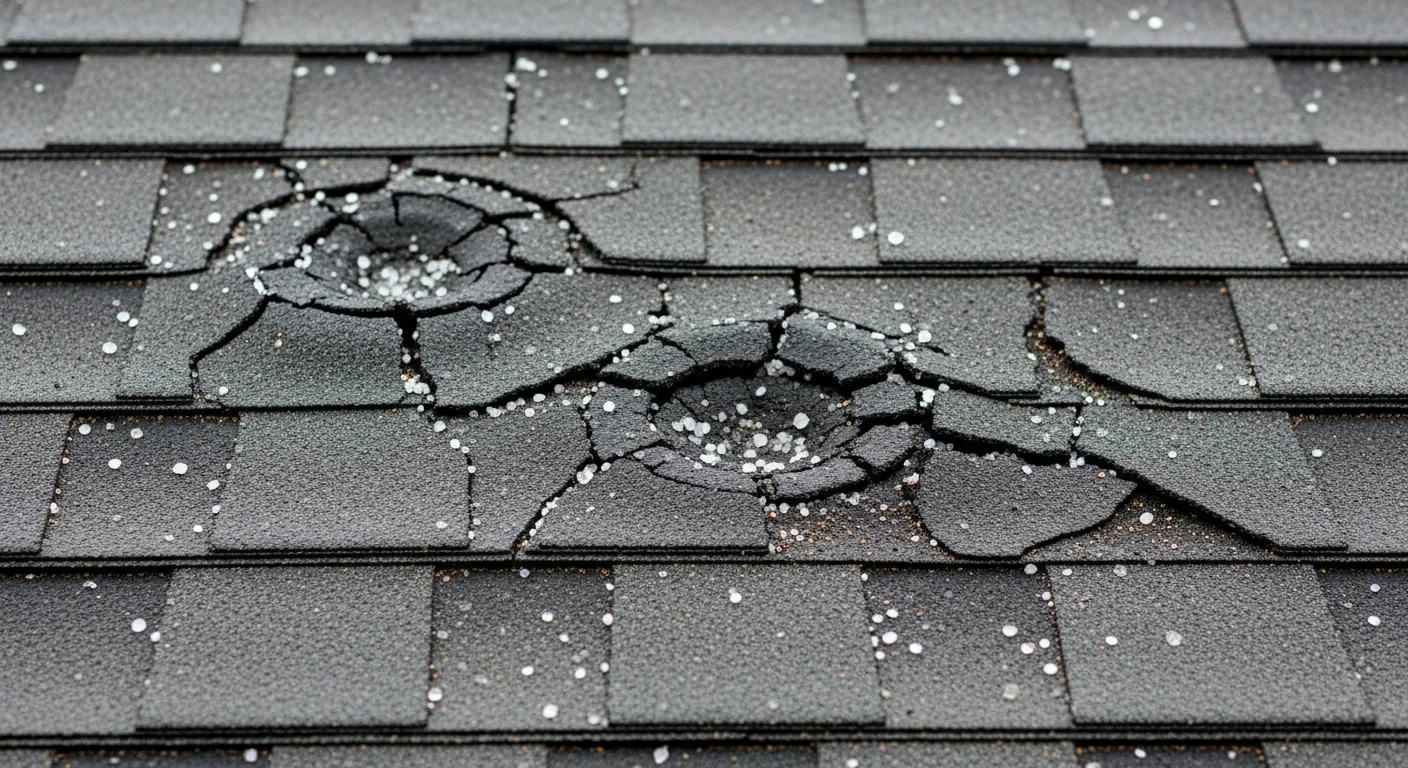
Hail damage typically falls into several categories. Impact marks appear as dark spots where granules have been knocked away, exposing the black asphalt underneath. These spots are particularly vulnerable to UV damage and water penetration. Cracked or split shingles result from severe impacts that compromise the shingle's structural integrity. Bruising occurs when hail impacts create soft spots in the shingle without immediately visible damage, but these areas will deteriorate rapidly over time.
Exposed or loose nails represent another common form of hail damage, as impacts can loosen fasteners or cause nail heads to tear through the shingle material. Additionally, damaged gutters, downspouts, and other roof accessories often accompany shingle damage and should be inspected simultaneously.
Identifying Hail Damage Signs
Recognizing hail damage requires careful inspection from multiple vantage points. From ground level, look for obvious signs such as damaged gutters, dented air conditioning units, or scattered granules around your property's perimeter. However, many forms of hail damage are only visible through close roof inspection.
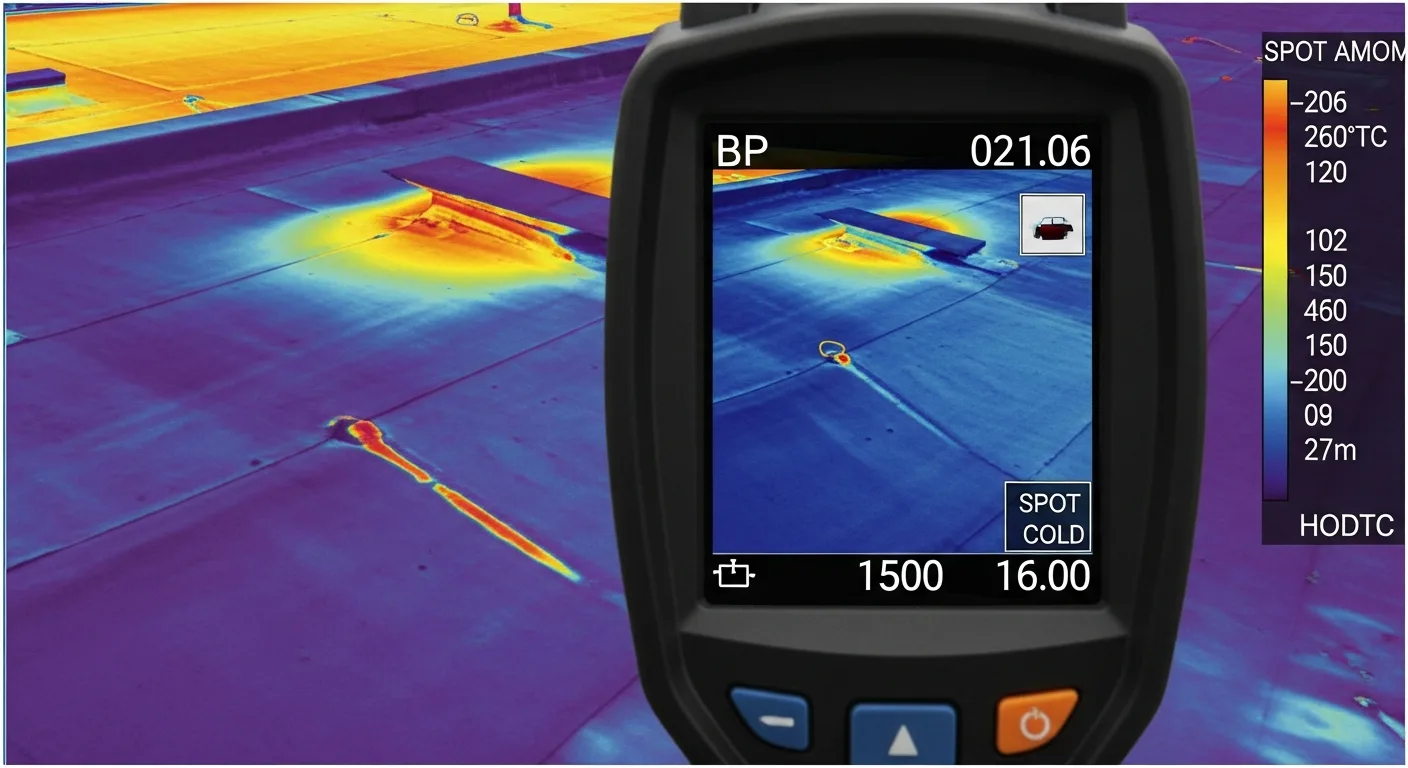
Professional roof inspection services can identify subtle damage that homeowners might miss. Trained inspectors know where to look for impact marks, check for compromised sealant strips, and assess the overall condition of your roofing system. They can also document damage properly for insurance purposes, ensuring you receive appropriate coverage for necessary repairs.
Safety Considerations
Never attempt to climb onto your roof immediately after a hail storm. Wet surfaces create slip hazards, and damaged shingles may be unstable. If you must inspect your roof, use binoculars from the ground or hire professional inspectors who have proper safety equipment and training. FEMA guidelines strongly recommend professional inspection following severe weather events.
Interior inspection is equally important. Check your attic for signs of water intrusion, including wet insulation, water stains on rafters, or daylight visible through the roof deck. These signs indicate that hail damage has compromised your roof's weather barrier and requires immediate attention.
The Insurance Claims Process
Filing a successful hail damage insurance claim requires proper documentation, timely reporting, and understanding your policy coverage. Most insurance policies have specific time limits for reporting storm damage, typically ranging from one to two years after the event. However, reporting damage promptly protects your interests and prevents arguments about the damage's cause.
Document everything thoroughly before making temporary repairs. Photograph damage from multiple angles, including close-ups of individual damaged shingles and wide shots showing the overall affected area. Keep records of the storm date, including weather service reports that confirm hail activity in your area. The Department of Energy maintains weather data that can support your claim documentation.
Working with Insurance Adjusters
Insurance adjusters will inspect your property to assess damage and determine coverage. Be present during this inspection to point out areas of concern and ensure nothing is overlooked. Professional roofing contractors can provide valuable assistance during this process, offering expert opinions on damage severity and repair requirements.
For complex claims or disputes, consider getting a second opinion from an independent roofing professional. Our team can help you navigate the insurance claims process and ensure your settlement reflects the true scope of damage to your property.
Repair vs. Replacement Decisions
Determining whether to repair or replace hail-damaged shingles depends on several factors, including damage extent, shingle age, and insurance coverage terms. Minor damage affecting less than 30% of the roof surface may qualify for spot repairs, while widespread damage typically requires complete roof replacement.
Consider the age of your current roofing system when making this decision. If your shingles are approaching the end of their expected lifespan, replacement might be more cost-effective than repairs. Additionally, mixing old and new materials can create aesthetic and performance inconsistencies that affect your home's value and weather protection.
Quality Materials for Replacement
If replacement is necessary, consider upgrading to impact-resistant shingles that better withstand future hail storms. GAF and other leading manufacturers offer Class 4 impact-resistant shingles that can reduce future damage and may qualify for insurance discounts. These products undergo rigorous testing to ensure they can withstand impacts from steel balls dropped from specific heights, simulating hail damage scenarios.
The Insurance Institute for Business & Home Safety provides testing standards and ratings for impact-resistant roofing materials, helping homeowners make informed decisions about upgrades that provide long-term value and protection.
Professional Repair and Restoration
Professional hail damage repair ensures proper restoration of your roof's protective capabilities. Experienced contractors understand how to match existing materials, maintain proper installation techniques, and address underlying damage that may not be immediately visible.
Quality repairs involve more than simply replacing damaged shingles. Contractors must inspect and potentially replace damaged underlayment, check deck integrity, and ensure proper ventilation systems remain intact. This comprehensive approach prevents future problems and ensures your roof continues protecting your home effectively.
Selecting the Right Contractor
Choose contractors with specific experience in hail damage restoration and proper licensing and insurance coverage. Reputable contractors will provide detailed estimates, explain the repair process thoroughly, and work directly with your insurance company to streamline the claims process.
Avoid door-to-door solicitors who appear immediately after storms, as these individuals often lack proper credentials and may perform substandard work. Instead, research established local contractors with proven track records and positive customer reviews.
Prevention and Future Protection
While you cannot prevent hail storms, you can take steps to minimize potential damage to your roof. Regular maintenance, including prompt repair of loose or damaged shingles, helps ensure your roof can better withstand severe weather impacts. Keep trees trimmed to prevent branches from falling on your roof during storms.
Consider upgrading to impact-resistant materials during routine roof replacement, even if you haven't experienced recent hail damage. These materials provide superior protection and may reduce insurance premiums, offering long-term value beyond their initial cost.
Understanding hail damage and taking prompt action when it occurs protects your home and ensures you receive appropriate insurance coverage for necessary repairs. Regular professional inspections, proper documentation, and working with experienced contractors will help maintain your roof's integrity and your home's protection for years to come.
In the Texas Panhandle, where Amarillo experiences some of the most severe hail storms in the nation, understanding impact-resistant shingle technologies is crucial for long-term protection. The National Severe Storms Laboratory reports that the Texas Panhandle averages 7-9 hail days per year, with stones frequently exceeding 1 inch in diameter. This makes selecting proper Class 4 impact-resistant shingles, such as TAMKO's Heritage Impact-Resistant series, essential for homeowners seeking maximum protection and potential insurance discounts.
Texas building codes require specific wind uplift ratings for roofing materials in our region, where sustained winds can exceed 70 mph during severe storms. The International Code Council standards specify that shingles must meet ASTM D3161 Class F wind resistance requirements, which translates to withstanding winds up to 110 mph when properly installed. Additionally, the extreme temperature variations in the Panhandle—from sub-zero winters to summers exceeding 105°F—create thermal cycling stress that can exacerbate hail damage over time.
The Insurance Institute for Business & Home Safety emphasizes that hail damage assessment requires understanding the difference between functional and cosmetic damage. Functional damage includes exposed mat, fractured shingles, or granule loss exceeding 30% of the shingle surface, while cosmetic damage may include minor granule displacement or slight surface impressions. In Texas, where hail frequency is high, even minor cosmetic damage can compound over multiple storm seasons, making prompt professional assessment critical.
When documenting hail damage for insurance purposes, homeowners should be aware that insurance adjusters typically look for specific damage patterns including exposed decking, cracked or split shingles, and loss of granule adhesion. The age of your roof significantly impacts claim settlements, as normal wear may be deducted from coverage. Modern impact-resistant shingles like those meeting UL 2218 Class 4 standards can provide up to 20% insurance premium reductions while offering superior protection against the frequent hail events common to our region.