Detecting roof leaks in their early stages can save Amarillo homeowners thousands of dollars in major repair costs. While some leaks announce themselves with obvious water damage, many begin as subtle signs that are easily overlooked until they develop into serious structural problems. Understanding how to identify these early warning signs empowers you to take swift action, protecting your home's integrity and your family's comfort.
Common Early Signs of Roof Leaks
The most effective approach to preventing major roof damage is learning to recognize the subtle indicators that precede obvious water intrusion. Unlike dramatic ceiling stains or dripping water, early leak signs often manifest as minor changes that homeowners might dismiss as normal wear.
Interior Warning Signs
Begin your leak detection by examining your home's interior spaces, particularly areas directly beneath the roof line. Look for small water stains on ceilings or walls, which often appear as yellowish or brownish discoloration. These stains may be circular or irregular in shape and can appear in rooms far from the actual leak source due to water's tendency to travel along structural elements.
Pay attention to paint or wallpaper that begins peeling or bubbling, especially near corners where walls meet ceilings. This often indicates moisture infiltration behind the surface materials. Additionally, check for any unusual odors, particularly musty or moldy smells that could suggest hidden moisture accumulation in wall cavities or attic spaces.
Sagging ceiling areas, even minor ones, can indicate water pooling above the drywall. While dramatic sagging requires immediate attention, subtle deformation may be an early sign of ongoing moisture issues that haven't yet caused visible dripping.
Exterior Visual Inspection Points
Regular exterior inspections can reveal potential leak sources before they penetrate your home's interior. From ground level, examine your roof for missing, cracked, or curled shingles. Asphalt shingles that appear darker than surrounding areas may be retaining moisture, while loose or exposed roofing nails create potential entry points for water.
Inspect gutters and downspouts for granule accumulation, which indicates shingle deterioration. Excessive granules in gutters suggest your roof's protective surface is wearing away, potentially compromising its water-resistant properties. According to the National Roofing Contractors Association, proper maintenance and early detection are crucial for extending roof lifespan and preventing costly repairs.
Check flashing around chimneys, vents, skylights, and other roof penetrations. Look for rust, gaps, or separation between flashing and roofing materials. These areas are particularly vulnerable to water infiltration and often show the first signs of potential leakage.
Advanced Detection Techniques
Beyond visual inspection, several techniques can help identify moisture issues before they become apparent to the naked eye. These methods are particularly valuable for detecting leaks in their earliest stages.
Moisture Meter Usage
Professional moisture meters can detect elevated moisture levels in building materials before visible damage occurs. These devices are particularly useful for checking areas around windows, doors, and known problem spots. While professional-grade meters provide the most accurate readings, consumer versions can offer valuable insights for homeowner use.
When using a moisture meter, establish baseline readings in areas you know to be dry, then compare these to readings from suspected problem areas. Consistently elevated moisture levels, even without visible signs, warrant further investigation through our leak detection services.
Infrared Technology
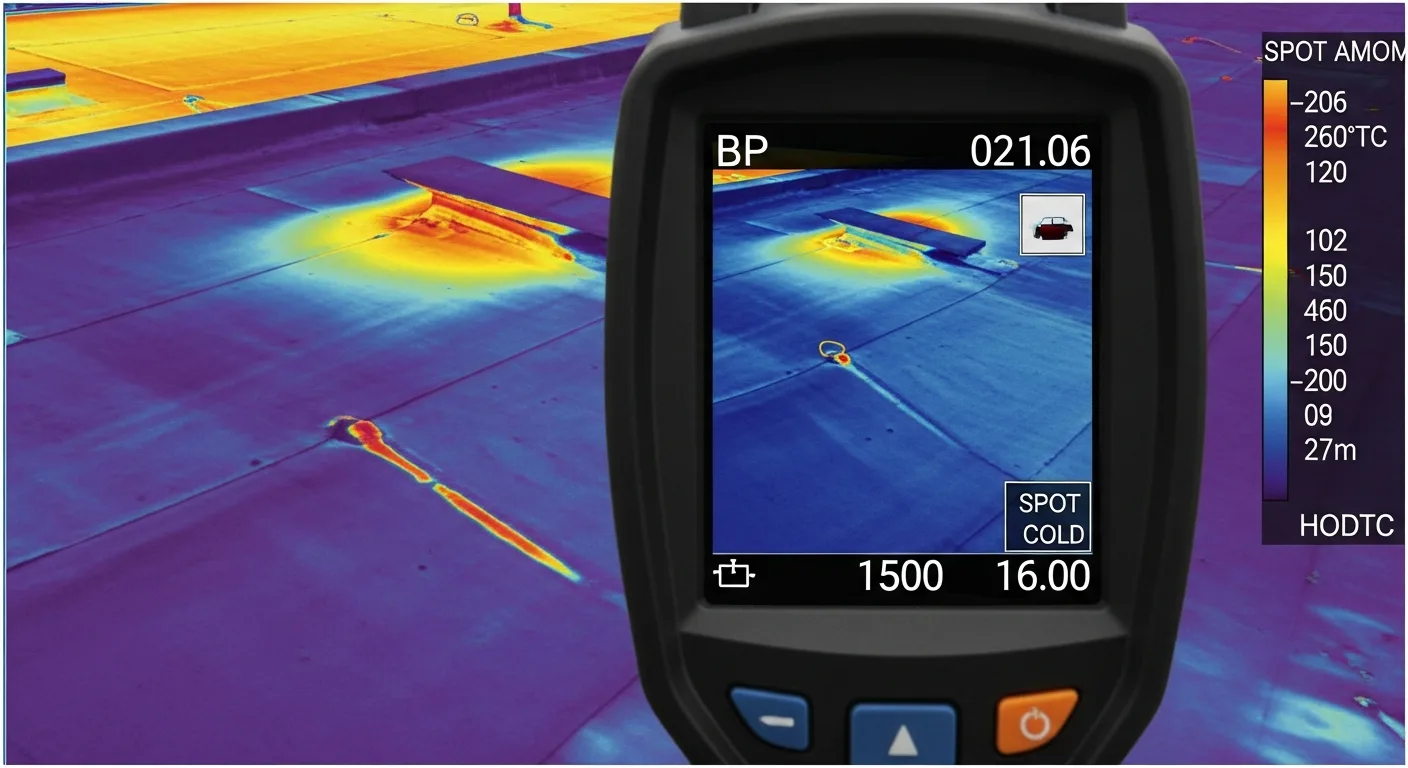
Infrared cameras can identify temperature variations that indicate moisture presence or heat loss. Wet insulation appears cooler than dry insulation, while air leaks show up as temperature variations. Professional roofing contractors increasingly use thermal imaging to identify problem areas that aren't visible through traditional inspection methods.
Seasonal Leak Detection Strategies
Different seasons present unique opportunities and challenges for leak detection. Understanding seasonal patterns helps homeowners focus their inspection efforts when problems are most likely to develop or become apparent.
Spring and Summer Inspections
Following Amarillo's intense weather seasons, spring provides an ideal time for comprehensive roof evaluation. After winter's freeze-thaw cycles and spring's severe weather, inspect for winter damage that may have created new leak pathways. Look for loose or damaged shingles, compromised flashing, and any signs of ice dam damage from the previous winter.
Summer's heat can help identify leaks through increased evaporation patterns. Water stains may become more apparent as moisture evaporates, leaving behind mineral deposits or discoloration. The Department of Energy recommends regular summer inspections to identify energy loss through roof leaks, which can significantly impact cooling costs.
Fall and Winter Preparations
Fall inspections should focus on preparing for winter weather while identifying existing issues before they worsen during harsh conditions. Clean gutters and downspouts thoroughly, as clogged drainage systems can lead to water backup and roof penetration. Check that all flashing remains secure and that caulking around penetrations hasn't cracked or separated.
During winter, ice dams can create leak conditions even in roofs that are otherwise sound. Monitor for ice accumulation along roof edges and ensure adequate attic ventilation to prevent temperature variations that contribute to ice dam formation.
Technology and Professional Assessment Tools
Modern leak detection increasingly relies on advanced technology that can identify problems invisible to traditional inspection methods. These tools provide accuracy and early detection capabilities that significantly enhance traditional visual inspection techniques.
Professional Inspection Advantages
Professional roofing inspectors utilize specialized equipment including moisture meters, infrared cameras, and drone technology for comprehensive roof evaluation. Drones allow safe inspection of dangerous or hard-to-reach areas while providing high-resolution imagery that can identify subtle damage patterns.
Professional inspectors also understand how water travels within building structures, enabling them to trace leak sources that may be far from where water damage appears. This expertise is particularly valuable for complex leak situations where water enters at one point but appears elsewhere in the home.
Documentation and Monitoring
Systematic documentation of potential problem areas allows homeowners to monitor changes over time. Photograph suspicious areas regularly, noting dates and conditions. This documentation proves invaluable for insurance claims and helps professional contractors understand how problems develop.
Create a simple inspection checklist covering key areas: gutters, flashing, shingles, interior ceilings, and attic spaces. Regular use of this checklist ensures consistent monitoring and helps identify trends that might indicate developing problems.
When to Seek Professional Help
While homeowners can identify many early leak signs, certain situations require professional expertise to prevent minor issues from becoming major problems. Understanding when to call professionals can save significant money and prevent extensive damage.
Red Flag Situations
Contact professional roofing contractors immediately if you notice multiple leak signs in different areas, which may indicate widespread roofing problems. Similarly, any signs of structural damage, such as sagging areas or visible wood rot, require immediate professional assessment.
If you discover leaks near electrical fixtures or systems, cease investigation immediately and contact professionals. Water and electricity create dangerous combinations that require expert handling. Our emergency service team can respond quickly to potentially dangerous leak situations.
Persistent odors, even without visible water damage, may indicate hidden mold growth or extensive moisture infiltration that requires professional remediation. The Federal Emergency Management Agency emphasizes the importance of addressing hidden moisture problems before they compromise structural integrity.
Preventive Professional Inspections
Annual professional inspections provide comprehensive evaluation beyond what homeowners can safely accomplish. Professional inspectors can identify subtle signs of aging, wear patterns that predict future problems, and maintenance needs that prevent leak development.
Consider scheduling professional inspections after severe weather events, even if no obvious damage is apparent. Hail, high winds, and temperature extremes can create subtle damage that develops into leaks over time. Early professional assessment can identify and address these issues before they require major repairs.
For homeowners in Amarillo, where weather extremes are common, establishing a relationship with a trusted roofing contractor ensures quick response when problems arise. Regular professional maintenance and inspection, combined with homeowner vigilance, provides the best protection against major roof leak damage. When early signs appear, prompt action through our roof repair services can address problems efficiently and cost-effectively, preserving your home's integrity and your peace of mind.
musty smells in attics or upper floors, which can indicate hidden moisture accumulation. These odors often develop before visible signs appear and may be most noticeable during humid conditions common in the Texas Panhandle.
Exterior Inspection Points
Regular exterior inspections are crucial for Texas homeowners, particularly after the severe hail storms and high winds that frequently impact the Amarillo region. Begin by examining your shingles for missing granules, which appear as dark or discolored spots on asphalt shingles. According to ARMA industry standards, granule loss often indicates aging or impact damage that can lead to water infiltration.
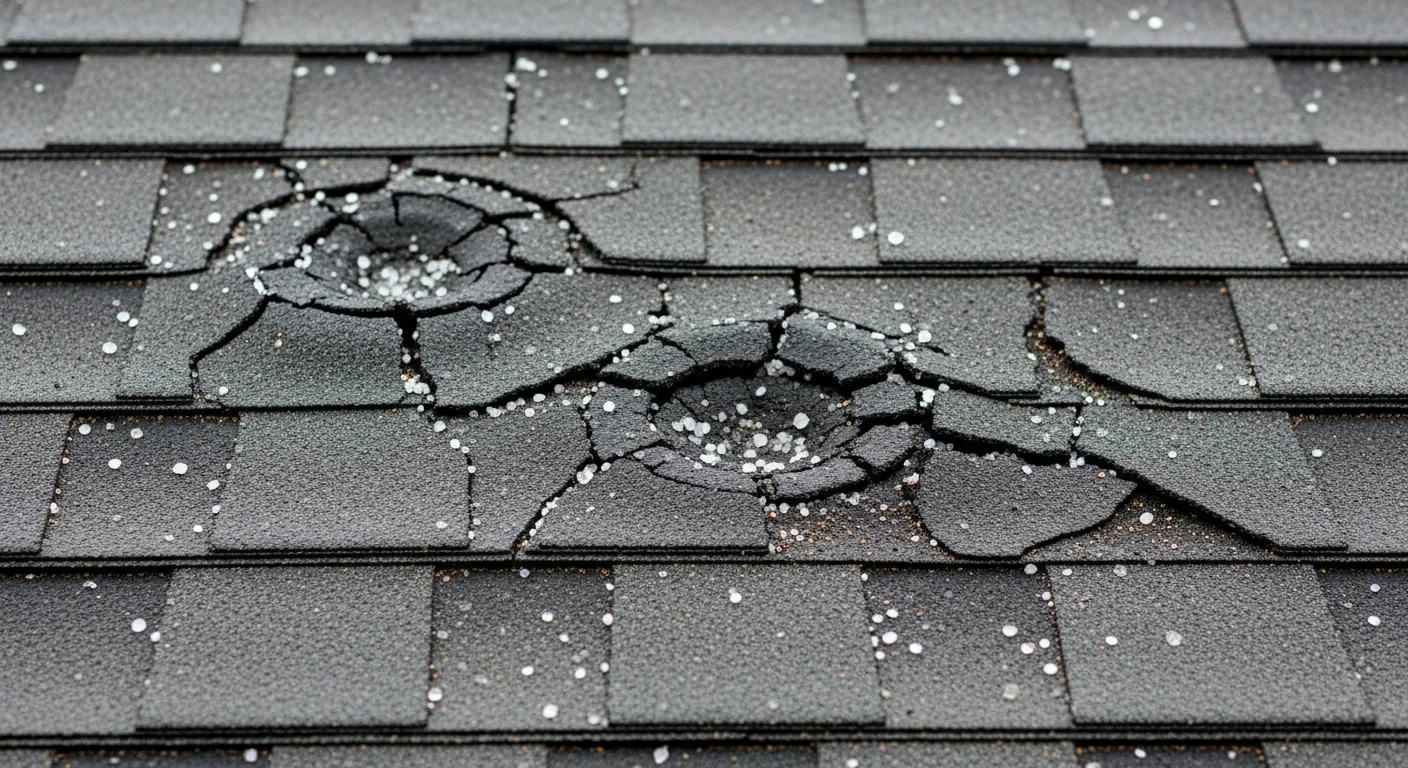
Check for loose, cracked, or missing shingles, especially along roof edges where wind uplift forces are strongest. The National Severe Storms Laboratory reports that the Texas Panhandle experiences some of the nation's most severe hail activity, making regular post-storm inspections essential. Look for circular bruises or dents on shingles, which may indicate hail damage that compromises the protective barrier.
Flashing and Penetration Points
Flashing around chimneys, vents, and skylights represents the most vulnerable areas for leak development. Texas's extreme temperature fluctuations—from scorching summers exceeding 100°F to freezing winter conditions—cause repeated expansion and contraction cycles that can separate flashing from surrounding materials. Inspect these areas for gaps, rust, or deteriorated sealant that could allow water entry.
Pay particular attention to pipe boots and vent penetrations, where rubber seals commonly fail under intense UV exposure typical of the high plains climate. The U.S. Department of Energy emphasizes that proper sealing around these penetrations is critical for both water protection and energy efficiency in extreme climates.
Professional Assessment and Safety Considerations
While homeowners can perform basic visual inspections from ground level, comprehensive leak detection often requires professional evaluation. OSHA safety guidelines strongly recommend against homeowners accessing steep or high roofs without proper safety equipment and training. Professional roofers have specialized tools like moisture meters and infrared cameras that can detect hidden leaks before visible damage occurs.
The National Roofing Contractors Association recommends bi-annual professional inspections, particularly in severe weather regions like the Texas Panhandle. These assessments can identify potential failure points and address minor issues before they become costly structural repairs. Given Amarillo's challenging weather patterns, including sudden temperature drops and intense UV exposure, proactive maintenance proves far more cost-effective than reactive repairs.
Modern roofing materials like GAF's Timberline series shingles offer enhanced wind resistance ratings up to 130 mph, specifically designed for high-wind regions. However, even premium materials require regular monitoring to maintain their protective capabilities against the relentless Texas Panhandle climate conditions.