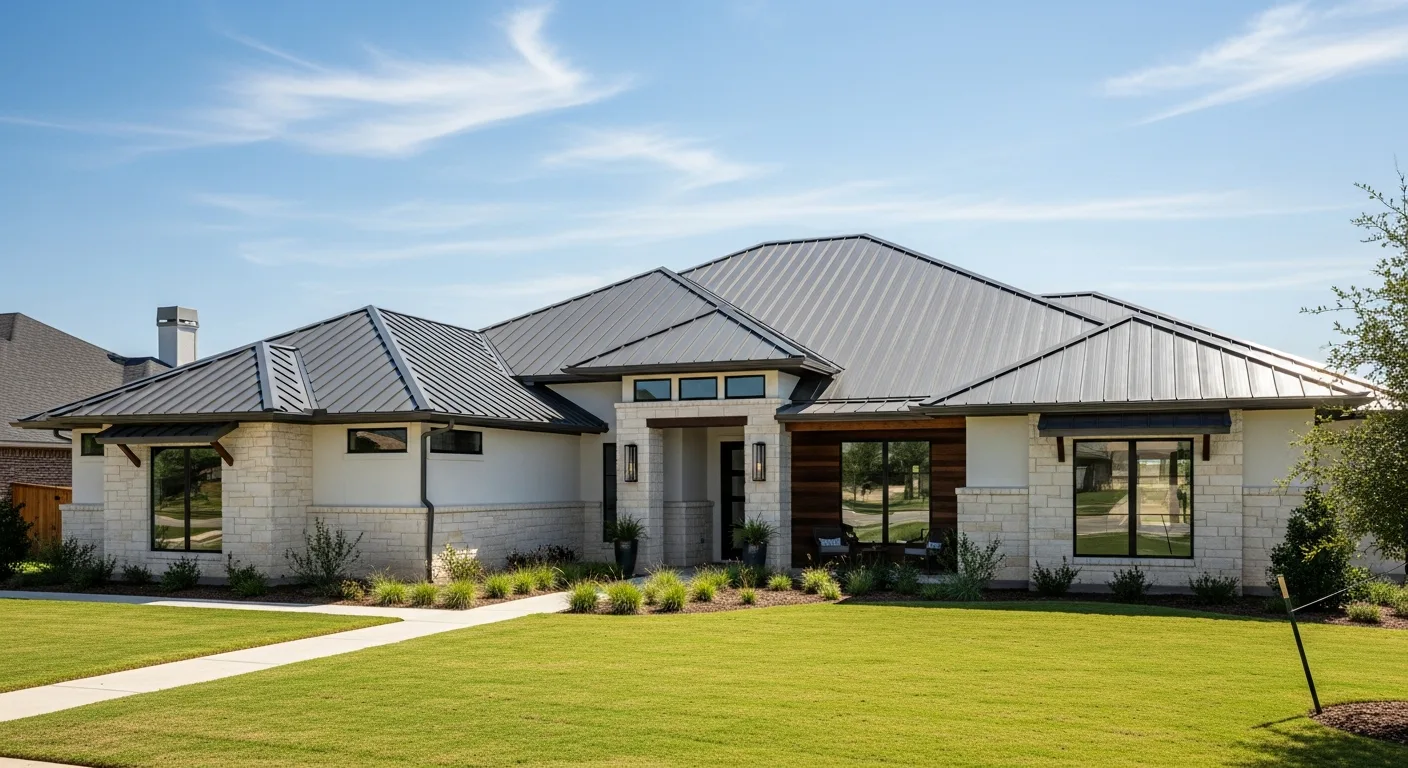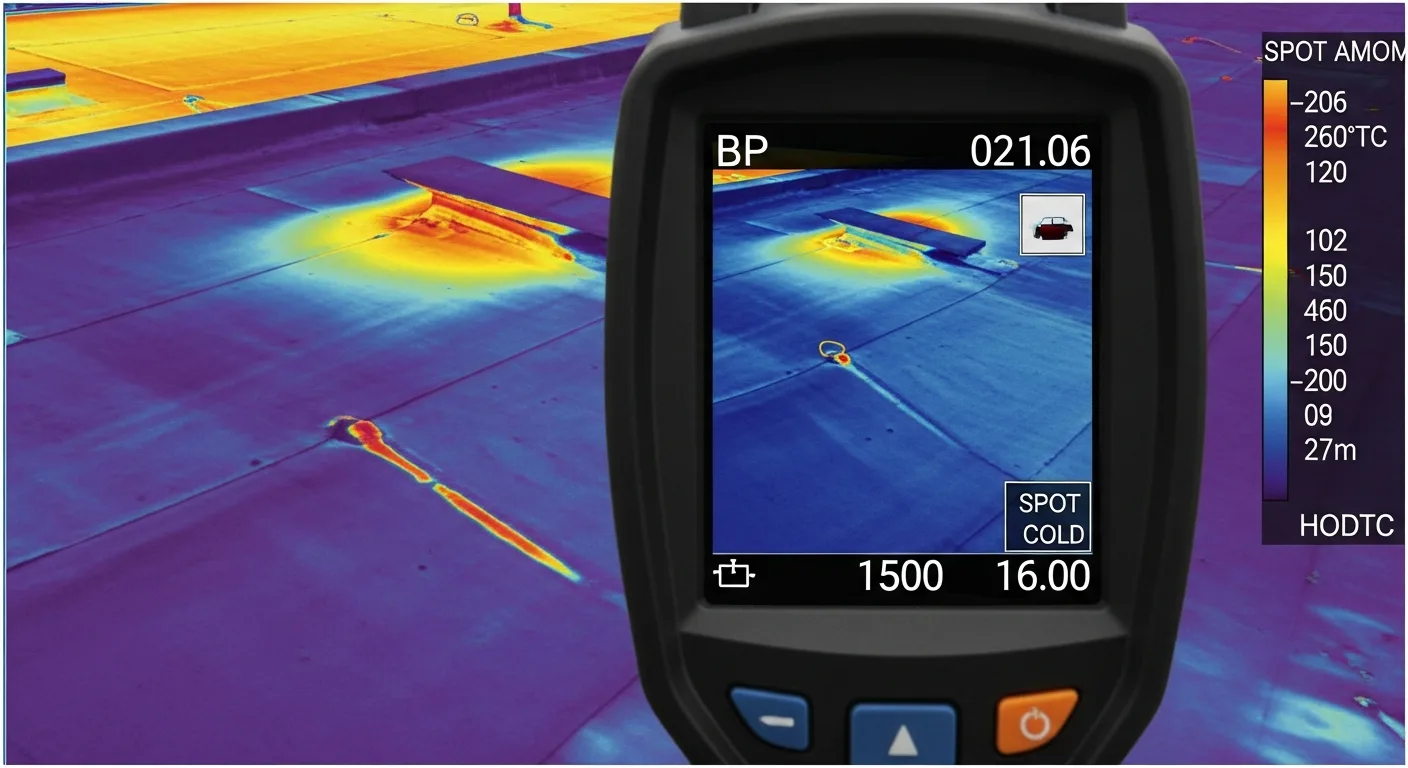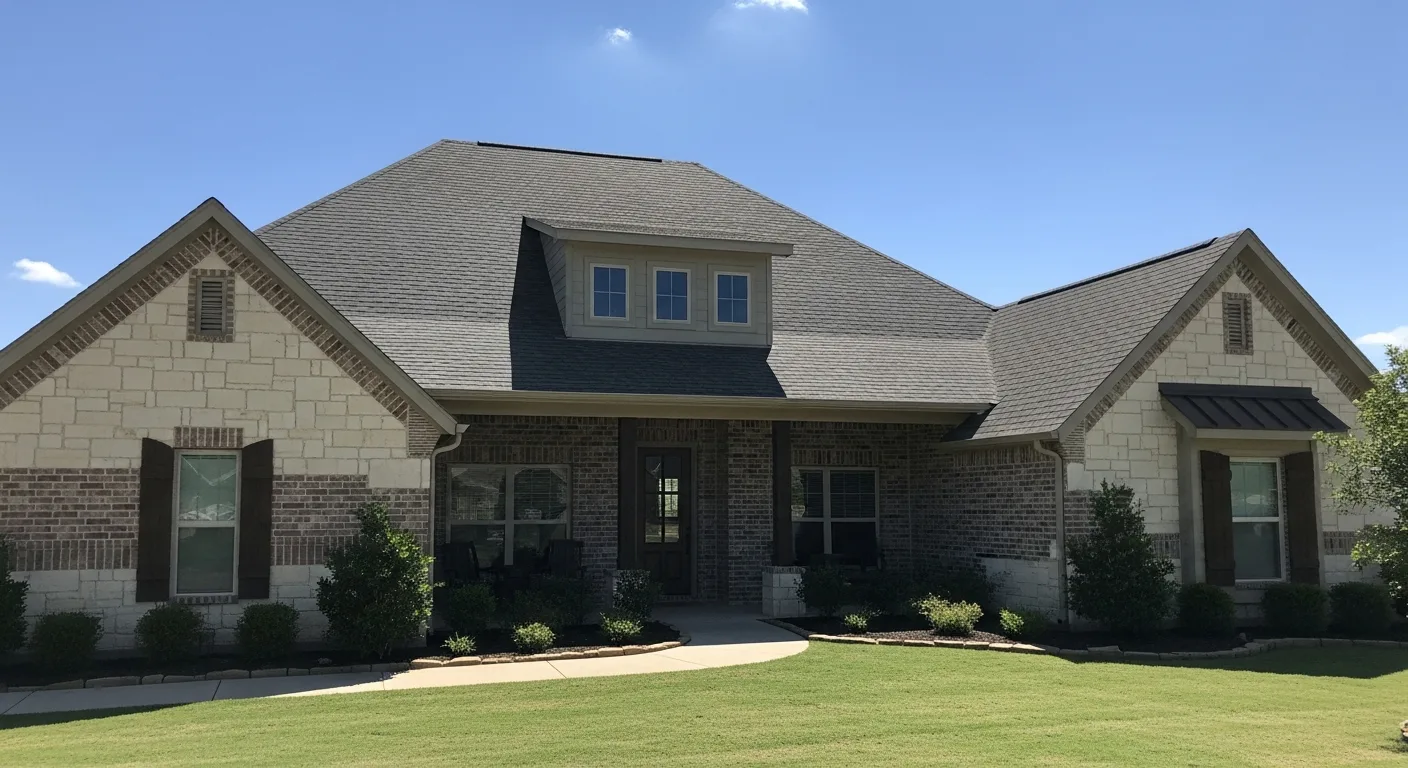
The Texas Panhandle's unique climate presents both opportunities and challenges for homeowners considering shingle roofing systems. With extreme temperature fluctuations, intense UV exposure, and severe weather events including hail storms and high winds, understanding your roof's expected lifespan is crucial for proper maintenance planning and budgeting. At CRS Roofing & Construction, we've helped thousands of Amarillo-area homeowners navigate these challenges and maximize their roofing investments through expert installation and maintenance practices.
Understanding Shingle Types and Their Expected Lifespans
The lifespan of your shingle roof depends heavily on the materials you choose and the quality of installation. In the Texas Panhandle, homeowners typically have several options, each with distinct longevity characteristics under our region's demanding conditions.
Three-Tab Asphalt Shingles
Traditional three-tab shingles represent the most economical option but offer the shortest lifespan in our climate. Under ideal conditions, these shingles might last 15-20 years, but in the Texas Panhandle, homeowners can typically expect 12-15 years of reliable service. The frequent temperature cycling between scorching summers and freezing winters causes these thinner shingles to become brittle more quickly than in milder climates.
Architectural Shingles
Architectural or dimensional shingles provide enhanced durability and weather resistance, making them increasingly popular for shingle roofing projects in our area. These thicker, multi-layered shingles typically last 20-25 years in the Texas Panhandle, with some premium versions reaching 30 years when properly maintained. Their improved construction helps them better withstand the thermal shock and UV degradation common in our region.
Impact-Resistant Shingles
Given the Panhandle's propensity for severe hailstorms, impact-resistant shingles have become a smart investment for many homeowners. These specially designed shingles, often carrying Class 4 impact ratings from manufacturers like GAF and Owens Corning, can last 25-30 years or more while providing superior protection against hail damage. Many insurance companies also offer premium discounts for homes with impact-resistant roofing systems.
Climate Factors Affecting Roof Longevity in the Texas Panhandle
The harsh environmental conditions in our region significantly impact shingle performance and longevity. Understanding these factors helps homeowners make informed decisions about roofing materials and maintenance schedules.
UV Radiation and Heat Exposure
The Texas Panhandle experiences intense solar radiation throughout much of the year, with summer temperatures regularly exceeding 100°F. According to the Department of Energy, prolonged UV exposure breaks down the asphalt and granules in shingles, leading to cracking, curling, and granule loss. This process accelerates in our high-altitude, low-humidity environment where atmospheric filtering is reduced.
Temperature Fluctuations
Daily and seasonal temperature swings in the Panhandle can be dramatic, sometimes varying 50°F or more within a 24-hour period. These thermal cycles cause shingles to expand and contract repeatedly, eventually leading to fatigue and failure of the roofing materials. This thermal stress is particularly challenging for older or lower-quality shingles.
Wind and Severe Weather
High winds are common throughout the year in our region, with severe thunderstorms capable of producing sustained winds exceeding 70 mph. The Insurance Institute for Business & Home Safety reports that wind damage is one of the leading causes of premature roof failure. Proper installation techniques and high-quality materials are essential for withstanding these conditions.
Hail Damage
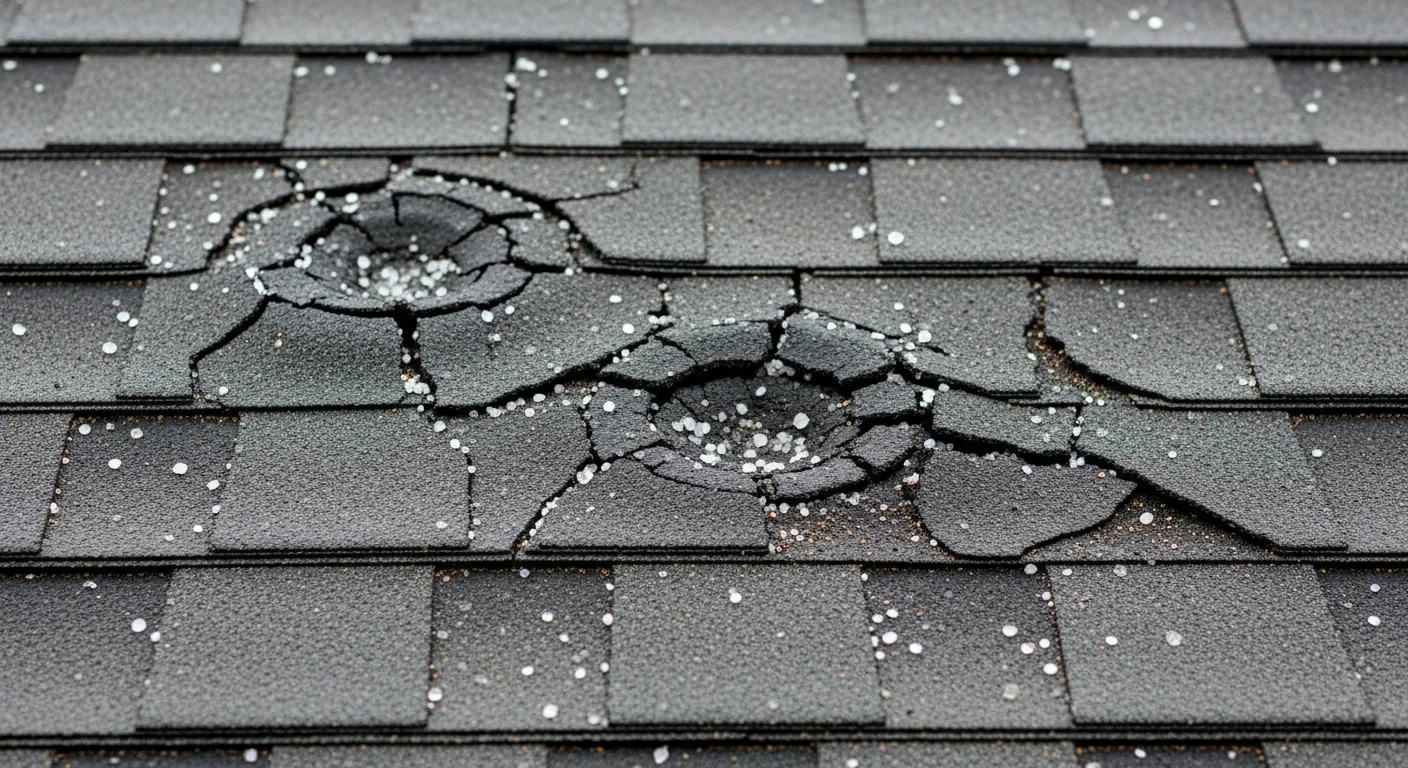
The Texas Panhandle lies within "Hail Alley," experiencing some of the most frequent and severe hailstorms in the United States. Even relatively small hail can accelerate aging by damaging protective granules and creating micro-fractures in shingles. Large hailstones can cause immediate, catastrophic damage requiring complete roof replacement.
Maximizing Your Shingle Roof's Lifespan
While environmental factors are beyond homeowners' control, several proactive measures can significantly extend your roof's service life and protect your investment.
Professional Installation
Proper installation is crucial for achieving maximum lifespan from any shingle system. The National Roofing Contractors Association emphasizes that installation quality directly correlates with long-term performance. This includes proper ventilation, appropriate fastening patterns, and correct flashing details around penetrations and roof edges.
Regular Maintenance and Inspections
Routine roof inspection and maintenance can identify and address minor issues before they become major problems. We recommend professional inspections at least twice yearly – once in spring and once in fall – with additional inspections following severe weather events. Regular maintenance tasks include cleaning gutters, removing debris, and addressing minor repairs promptly.
Adequate Attic Ventilation
Proper attic ventilation helps regulate temperature and moisture levels, reducing thermal stress on shingles and preventing ice dam formation during rare winter weather events. The Department of Energy recommends one square foot of ventilation for every 150 square feet of attic space, with intake vents at the eaves and exhaust vents near the ridge.
Signs It's Time for Roof Replacement
Recognizing when your shingle roof has reached the end of its useful life helps prevent costly water damage and maintains your home's structural integrity.
Visible Wear and Damage
Common signs of roof aging include widespread granule loss, curling or buckling shingles, exposed nail heads, and missing or damaged shingles. Dark streaks or staining may indicate algae growth, while sagging areas suggest underlying structural issues requiring immediate attention.
Interior Warning Signs
Water stains on ceilings or walls, daylight visible through roof boards, and increased energy bills may indicate roof system failure. These symptoms often appear after significant damage has already occurred, making regular exterior inspections even more critical.
Age-Related Considerations
If your roof is approaching or has exceeded its expected lifespan based on the material type and local conditions, proactive replacement may be more cost-effective than continued repairs. This is particularly true if you're experiencing frequent maintenance issues or if roofing materials are no longer readily available.
Planning for Roof Replacement in the Texas Panhandle
When the time comes for roof replacement, careful planning ensures optimal results and value for your investment. Consider upgrading to higher-quality materials that better suit our climate conditions, and schedule installation during favorable weather periods when possible.
Working with experienced local contractors who understand the unique challenges of Panhandle weather ensures proper installation techniques and material selection. Additionally, timing your replacement strategically can help you take advantage of insurance claim opportunities following storm damage, manufacturer rebates, and contractor availability.
Understanding shingle roof lifespans in the Texas Panhandle empowers homeowners to make informed decisions about their roofing systems. While our challenging climate does impact longevity, proper material selection, professional installation, and diligent maintenance can help maximize your roof's service life and protect your home for years to come.
The National Weather Service data shows that the Texas Panhandle experiences some of the most extreme weather patterns in the continental United States, with temperature swings of up to 70 degrees in a single day and hail events occurring an average of 7-9 times per year. This climate reality makes selecting properly rated materials crucial for longevity.
When evaluating shingle performance in our region, homeowners should prioritize materials with UL 2218 Class 4 impact resistance ratings, which indicates the highest level of hail protection available. Premium architectural shingles from manufacturers like GAF's Timberline HD series and Owens Corning's Duration line feature enhanced granule adhesion and modified asphalt formulations specifically designed to withstand repeated thermal cycling.
Wind resistance becomes equally critical in the Panhandle, where sustained winds of 30-40 mph are common and severe thunderstorms can generate gusts exceeding 80 mph. The National Roofing Contractors Association recommends selecting shingles with wind ratings of at least 110 mph for our region, though many newer products now offer 130 mph wind warranties when properly installed with manufacturer-specified fastening patterns.
Installation quality significantly impacts lifespan expectations, particularly regarding thermal expansion and contraction cycles. Proper attic ventilation becomes critical in our climate, where summer roof surface temperatures can exceed 160°F. The Department of Energy guidelines recommend maintaining attic temperatures within 10-15 degrees of outside air temperature through balanced intake and exhaust ventilation systems.
Regular maintenance scheduling proves essential for maximizing shingle lifespan in the Texas Panhandle. Insurance Institute for Business & Home Safety research demonstrates that proactive maintenance programs can extend roof life by 20-30% in severe weather climates. This includes semi-annual inspections, prompt repair of minor damage, and professional assessment following significant weather events – practices that CRS Roofing & Construction incorporates into our comprehensive maintenance programs for Amarillo-area homeowners.