When rust appears on your metal roof panels in Amarillo's harsh climate, you're facing more than just an aesthetic issue—you're looking at a rapidly accelerating threat to your building's structural integrity. The Texas Panhandle's extreme temperature swings, intense UV exposure, and sudden hail events create the perfect storm for rust propagation that can compromise your building envelope within a single season. Without immediate professional intervention, what starts as surface oxidation quickly penetrates protective coatings, leading to membrane failure, moisture intrusion, and costly structural damage that could have been prevented with timely action.
The consequences of delaying action extend far beyond repair costs. Once rust compromises the thermal reflectivity and weather resistance of your metal roofing system, you face escalating energy costs, potential insurance claim denials, and the devastating possibility of interior damage during Amarillo's notorious severe weather events.
When Rusting Metal Roof Panels Require Professional Attention
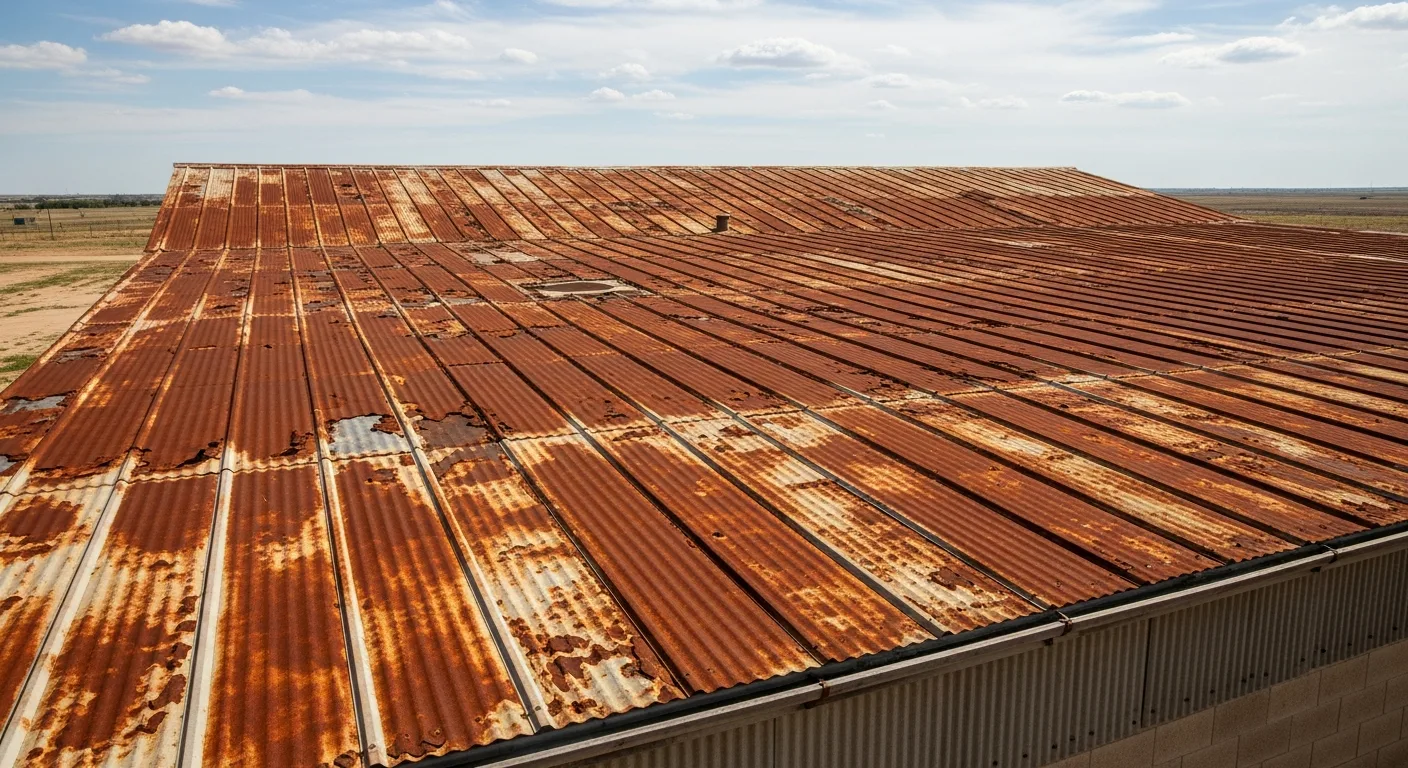
Not all rust on metal roofing constitutes an emergency, but certain conditions in the Texas Panhandle climate demand immediate professional assessment. Surface rust that appears after hail damage requires urgent attention, as compromised protective coatings allow accelerated corrosion in our region's intense heat and UV exposure.
Critical warning signs that demand immediate action include:
- Rust stains appearing on interior walls or ceilings, indicating membrane penetration
- Visible perforation or pitting in panel surfaces, especially around fastener locations
- Rust bloom extending across multiple panels, suggesting systemic coating failure
- Corrosion around seam areas where wind uplift forces are highest
- Red-brown staining on building facades from rust runoff
In Amarillo's climate, where daily temperature fluctuations can exceed 40°F and summer roof surface temperatures reach 170°F, rust progression accelerates exponentially once protective coatings fail. According to the National Roofing Contractors Association, unaddressed metal roof corrosion in extreme climates can lead to complete system failure within 18-24 months.
If you're experiencing any of these warning signs, see our commercial roofing services page for immediate professional assessment options that can prevent catastrophic failure.
Key Decision Factors: Repair vs. Replacement Economics
The decision between targeted repairs and full system replacement depends on several critical factors specific to Texas Panhandle conditions. Lifecycle cost analysis becomes crucial when rust affects more than 25% of your metal roofing system, as piecemeal repairs often fail to address underlying coating degradation caused by our region's extreme weather patterns.
Repair makes financial sense when:
- Rust damage affects less than 20% of total roof area
- The existing substrate and structural components remain sound
- Corrosion is limited to specific areas like penetrations or damaged fasteners
- The roof system is less than 10 years old with transferable warranties
Replacement becomes cost-effective when:
- Widespread coating failure affects thermal reflectivity and energy performance
- Multiple leak sources indicate compromised building envelope integrity
- Insurance requirements mandate updated wind uplift ratings for continued coverage
- Energy costs have increased due to degraded R-value performance
Timeline considerations are critical in our climate. Repairs can typically be completed within 1-3 days, minimizing business disruption, while replacement projects require 5-10 days depending on system complexity. However, attempting repairs during Amarillo's severe weather season (March through June) carries significant risk of incomplete protection during critical hail and wind events.
For comprehensive evaluation of your specific situation, visit the hail and wind damage repair page to understand how Texas Panhandle weather patterns affect repair timing and methodology.
Material and System Recommendations for Texas Panhandle Conditions
Selecting appropriate materials for rust remediation or replacement in Amarillo's extreme climate requires understanding how different metal roofing systems perform under constant UV exposure, thermal cycling, and severe weather impacts. Not all metal roofing solutions provide adequate protection against the corrosive conditions common in our region.
Premium coating systems specifically engineered for extreme climates offer superior protection:
- Fluoropolymer coatings with 40+ year warranties against chalking and fading
- Cool roof technology achieving ENERGY STAR certification for reduced thermal stress
- Multi-layer primer systems providing enhanced corrosion resistance
- Specialized fastener systems with advanced weathering capabilities
For replacement scenarios, standing seam systems with concealed fasteners eliminate the most common rust initiation points while providing superior wind uplift resistance crucial for Texas Panhandle conditions. Cool Roof Rating Council data demonstrates that properly specified reflective metal systems can reduce cooling costs by 15-25% while extending system lifespan in extreme heat environments.
Substrate considerations become critical when addressing existing rust damage. Galvanized steel substrates with G-90 coating provide minimum protection, while aluminum or zinc-aluminum coated systems offer enhanced corrosion resistance worth the additional investment in our harsh climate.
What to Expect During the Professional Assessment and Repair Process
Professional rust remediation in the Texas Panhandle requires specialized procedures that account for extreme weather windows and building occupancy needs. The assessment phase typically takes 2-4 hours and includes thermal imaging to identify hidden moisture intrusion, core sampling to evaluate substrate condition, and wind uplift testing to ensure structural adequacy.
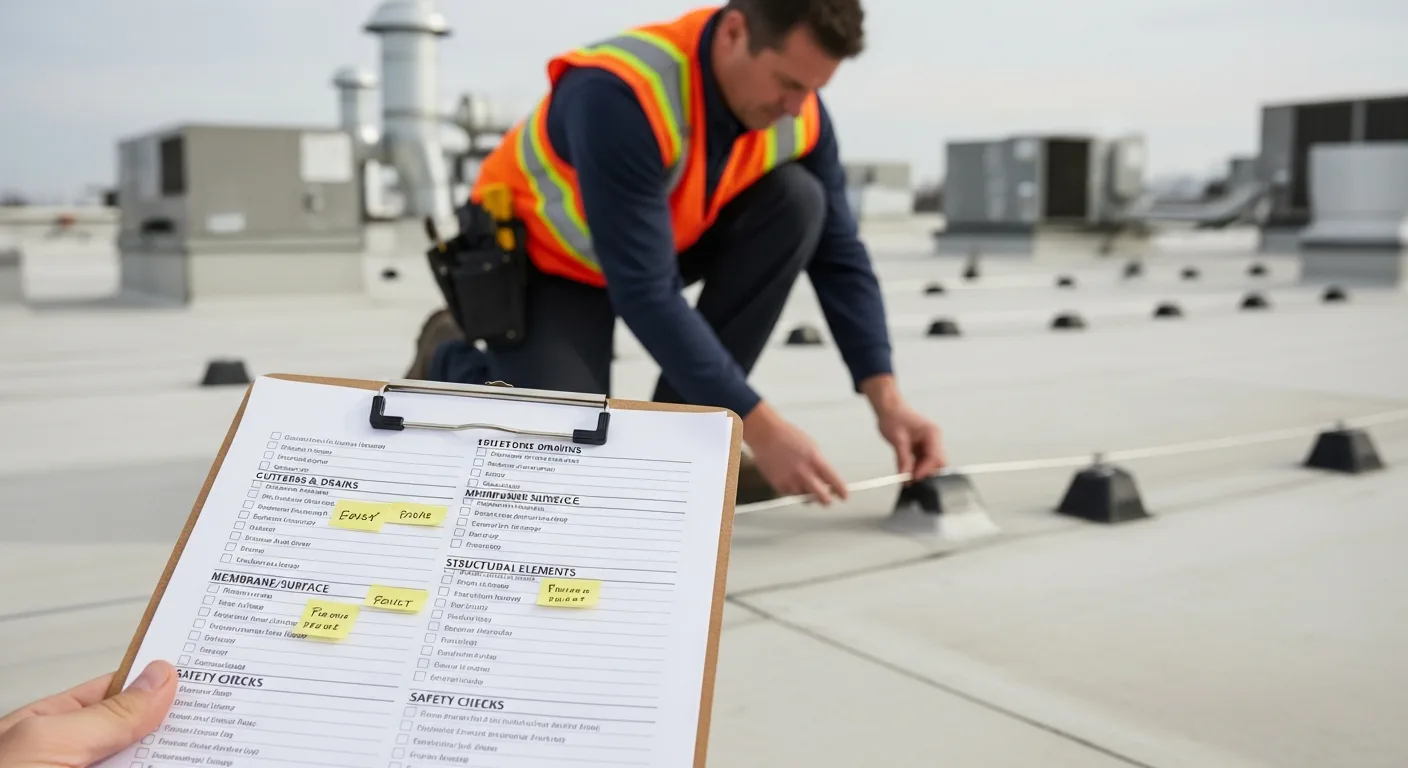
During the initial inspection, certified technicians will:
- Document rust extent using digital mapping for insurance and warranty purposes
- Test coating adhesion and thickness to determine remaining system life
- Evaluate fastener integrity and membrane seam conditions
- Assess drainage systems for contributing factors
- Provide thermal analysis to quantify energy performance impacts
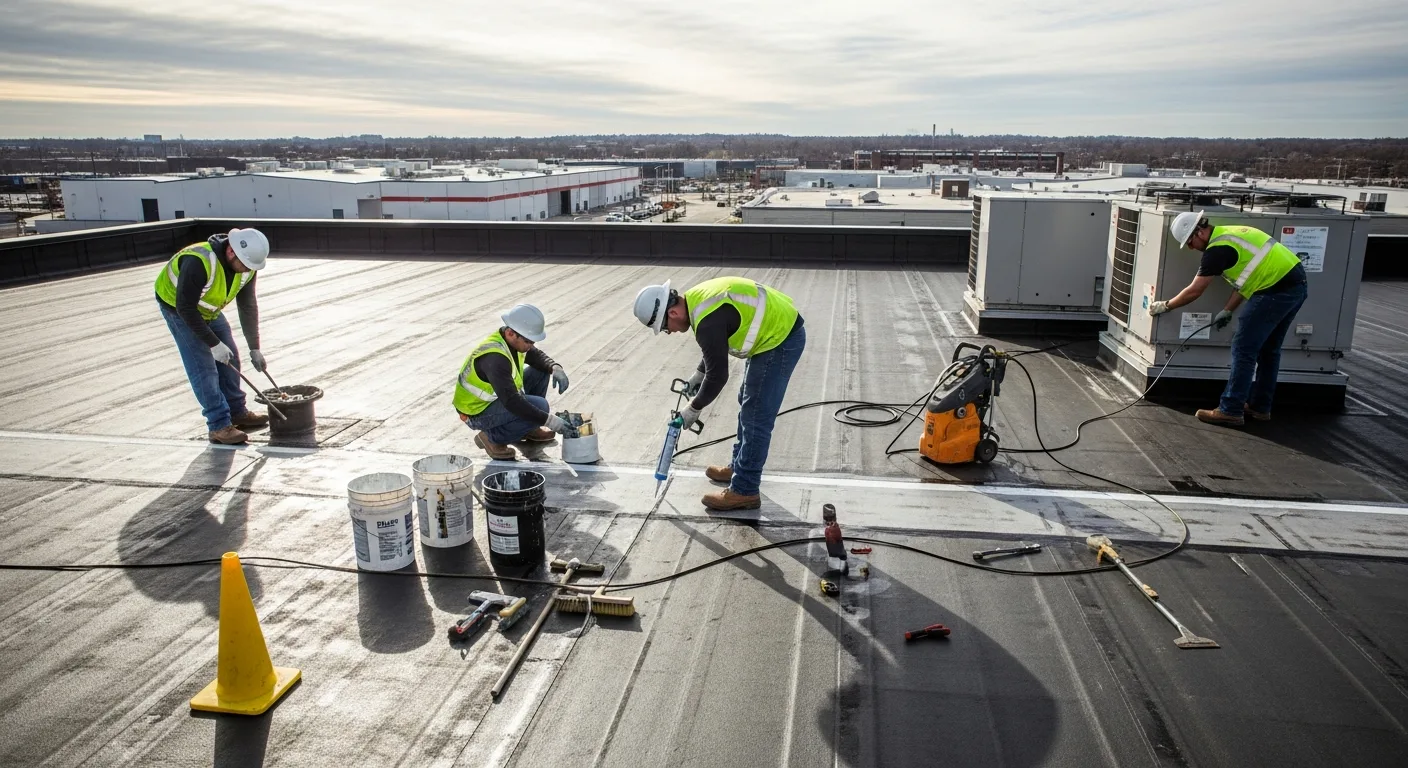
Repair execution follows strict protocols designed for Texas weather patterns. Work begins with complete surface preparation using specialized equipment that removes rust while preserving sound coating areas. Primer application requires specific temperature and humidity windows, making timing critical in our variable climate.
Quality control measures include:
- Surface cleanliness verification using industry-standard testing
- Coating thickness measurement at multiple points
- Adhesion testing to ensure long-term performance
- Final inspection using thermal imaging to confirm complete coverage
Most projects are completed within 3-5 business days, depending on weather windows and scope complexity. Learn more on our residential roof replacement section for detailed timelines and process explanations specific to different building types.
Why Choosing the Right Contractor Matters for Metal Roof Rust Remediation
Metal roof rust repair in Amarillo's extreme climate demands specialized expertise that goes far beyond general roofing knowledge. The wrong contractor choice can turn a manageable repair into a complete system failure, especially when dealing with the thermal stress and weather exposure common in the Texas Panhandle.
Critical contractor qualifications include:
- Manufacturer certifications for specific metal roofing systems and coating applications
- Proven experience with Texas Panhandle climate challenges and insurance requirements
- Advanced diagnostic equipment for accurate damage assessment
- Comprehensive licensing and bonding appropriate for commercial projects
- Track record of successful insurance claim advocacy and documentation
Warranty considerations become crucial when addressing rust damage. Reputable contractors provide material and labor warranties that complement manufacturer coverage, creating comprehensive protection against future corrosion issues. However, warranty validity depends on proper surface preparation, environmental conditions during application, and ongoing maintenance compliance.
Insurance implications require careful contractor selection. Many carriers require specific documentation and certification for rust-related claims, particularly when hail damage contributed to coating failure. Experienced contractors understand these requirements and provide proper documentation that supports claim approval and prevents coverage disputes.
Cost transparency separates professional contractors from those who cut corners. Legitimate estimates include detailed line items for surface preparation, primer systems, coating materials, and quality control measures. Beware of contractors who provide lump-sum pricing without explaining the specific processes required for long-term success in our challenging climate.
Don't let rusting metal roof panels compromise your building's integrity and your financial investment. CRS Roofing & Construction brings decades of Texas Panhandle experience and specialized expertise to every rust remediation project. Our certified technicians use advanced diagnostic tools and proven repair methodologies that address the root causes of corrosion while providing long-term protection against our region's extreme weather conditions. Contact us today for a comprehensive assessment that includes detailed cost analysis, timeline projections, and warranty options tailored to your specific needs. Check our service area pages for availability and schedule your professional evaluation before the next severe weather season puts your property at risk.
The Texas Panhandle's unique climate profile presents extraordinary challenges for metal roofing systems that many property owners underestimate. According to NOAA climate data, Amarillo experiences temperature differentials exceeding 100°F annually, with summer highs reaching 100°F+ and winter lows dropping below 0°F. These extreme thermal cycles cause metal panels to expand and contract repeatedly, creating micro-fractures in protective coatings that accelerate rust formation once moisture penetrates the barrier.
Professional assessment becomes critical when rust appears on metal roofing systems, particularly given the National Severe Storms Laboratory's documentation of the Texas Panhandle as one of the nation's most hail-active regions. When hail damage compromises galvanized coatings or paint systems, the exposed substrate becomes vulnerable to rapid oxidation. Leading metal roofing manufacturers like MBCI specify that damaged protective coatings must be addressed within 90 days in high-UV environments to prevent substrate degradation.
The National Roofing Contractors Association emphasizes that proper rust remediation requires adherence to specific surface preparation standards. In the Texas Panhandle's intense UV environment—which can degrade organic coatings 40% faster than moderate climates—surface preparation must achieve near-white metal cleanliness before applying restoration coatings. This process requires specialized equipment and expertise that goes beyond typical maintenance procedures.
From a building code perspective, the International Building Code requirements for metal roofing systems in high-wind zones like Amarillo mandate specific attachment methods and uplift ratings. When rust compromises fastener integrity or panel connections, the entire system's wind resistance diminishes, potentially creating life-safety hazards during severe weather events. Additionally, Cool Roof Rating Council standards demonstrate that rust-compromised metal roofing loses reflectivity, increasing cooling costs by up to 25% in our extreme heat conditions.