Texas commercial property owners face unique roofing challenges throughout the year, from intense summer heat and UV exposure to sudden hailstorms and winter freeze-thaw cycles. Implementing a comprehensive seasonal maintenance program is essential for protecting your investment, extending roof life, and avoiding costly emergency repairs that can disrupt business operations.
Spring Commercial Roofing Maintenance (March - May)
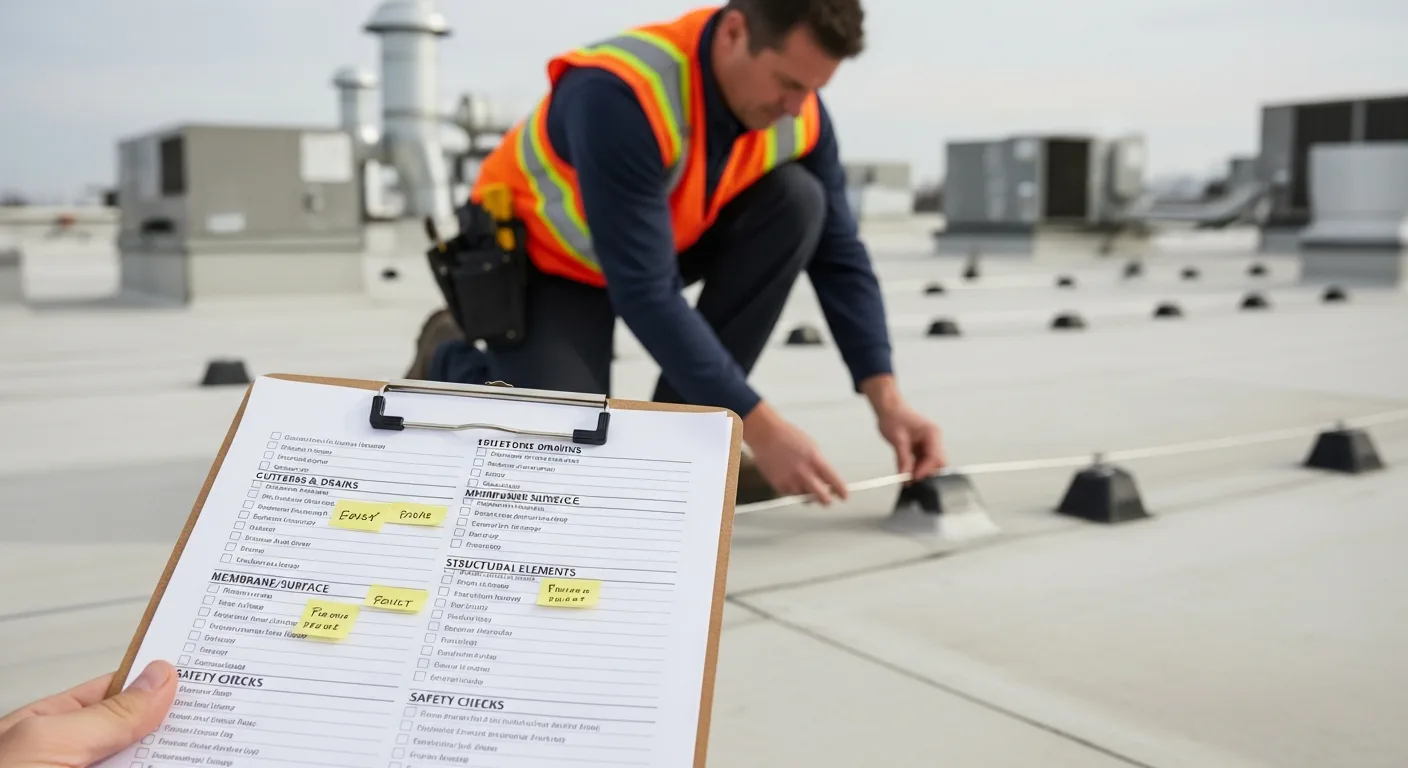
Spring represents the ideal time for comprehensive roof inspections after winter weather has passed. Begin with a thorough assessment of your commercial roofing system, examining all accessible areas for signs of damage or wear. Look for loose or damaged membrane sections, cracked sealants around penetrations, and any debris accumulation that may have occurred during winter months.
Focus on drainage systems during spring maintenance, as proper water management becomes critical before summer storms arrive. Clear all gutters, downspouts, and roof drains of debris, leaves, and sediment. Inspect drainage components for rust, corrosion, or structural damage that could impair performance. The National Roofing Contractors Association recommends checking slope adequacy and ensuring all drainage paths direct water away from the building structure.
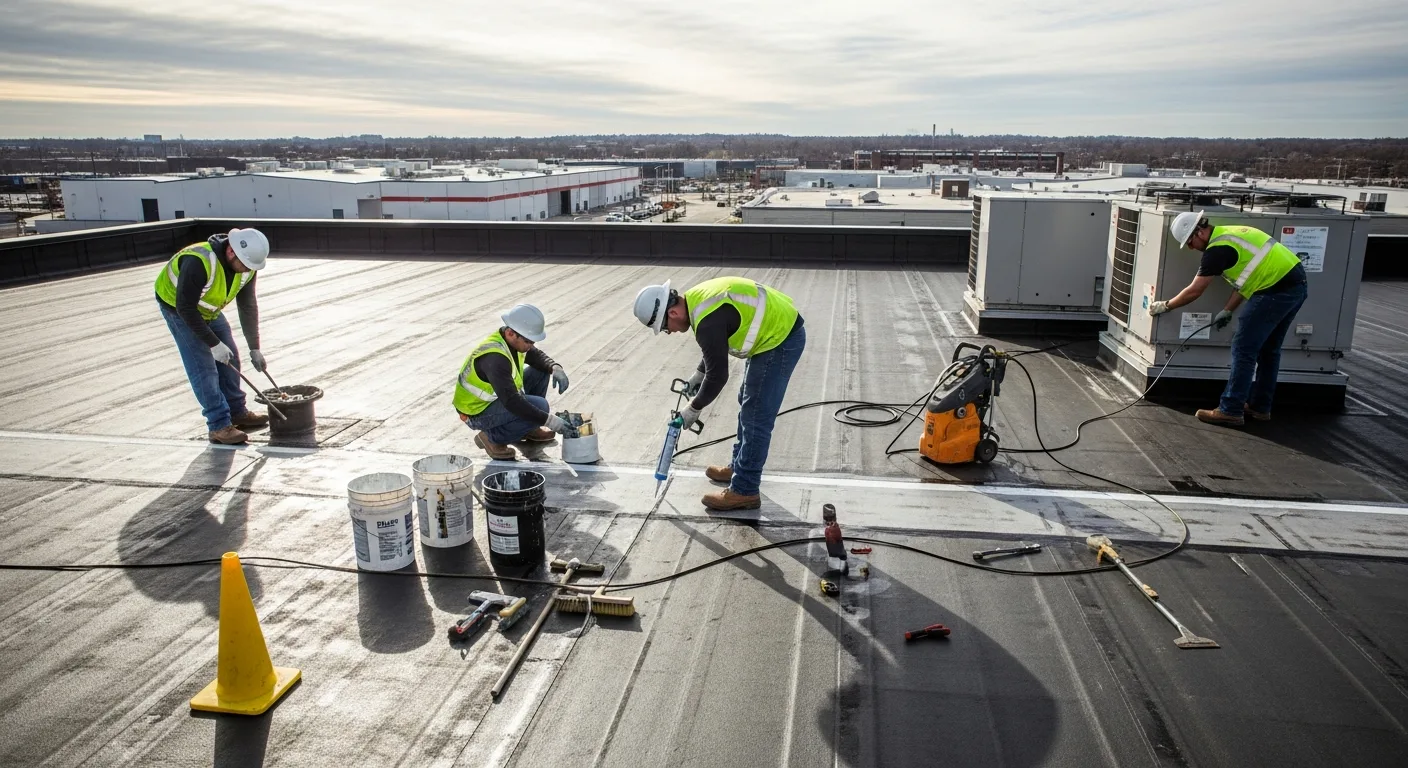
Spring also provides an excellent opportunity to address minor repairs before they escalate. Examine flashing around HVAC units, vents, and other roof penetrations, resealing any areas where caulk has cracked or separated. Check membrane attachment points and fasteners, tightening or replacing components as needed. Document all findings with photographs and detailed notes to track changes over time.
HVAC System Coordination
Coordinate roofing maintenance with HVAC system servicing during spring months. Clean around all rooftop equipment, removing debris that could restrict airflow or create moisture retention issues. Inspect supports and mounting systems for stability, ensuring equipment vibration hasn't loosened connections or damaged surrounding membrane materials. This coordination prevents conflicts between trades and ensures comprehensive building envelope maintenance.
Summer Roofing Strategies for Texas Heat (June - August)
Summer brings extreme temperatures and intense UV radiation that can severely stress commercial roofing materials. Focus maintenance efforts on early morning or late evening hours when temperatures are more manageable and roof surfaces aren't dangerously hot. During peak summer months, prioritize monitoring and preventive measures rather than extensive repair work.
Thermal expansion and contraction create significant stress on roofing materials during Texas summers. Monitor membrane surfaces for bubbling, blistering, or separation that indicates thermal damage. Pay special attention to seams and joints where different materials meet, as these areas experience the greatest thermal stress. The Department of Energy emphasizes the importance of maintaining reflective roof coatings during summer months to reduce cooling costs and extend membrane life.
Implement enhanced drainage monitoring during summer storm season. Texas weather patterns can produce intense rainfall in short periods, overwhelming inadequate drainage systems. Ensure all drains remain clear and functional, and consider upgrading drainage capacity if ponding water issues persist. Summer storms often bring high winds and hail, making post-storm inspections essential for identifying damage before it leads to leaks.
Energy Efficiency Considerations
Summer maintenance should include evaluation of your roof's energy performance. Consider cool roof coatings or materials that reflect solar radiation and reduce heat absorption. These improvements can significantly reduce cooling costs while protecting the underlying membrane from UV damage. Professional commercial roof maintenance services can assess energy efficiency opportunities and recommend appropriate upgrades for your specific building type and usage.
Fall Preparation and Storm Readiness (September - November)
Fall represents the most critical preparation period for Texas commercial properties, as severe weather season approaches and winter conditions loom ahead. Conduct comprehensive inspections focusing on structural integrity and weather resistance. Examine all roof components for signs of fatigue or damage that could fail under winter stress or storm conditions.
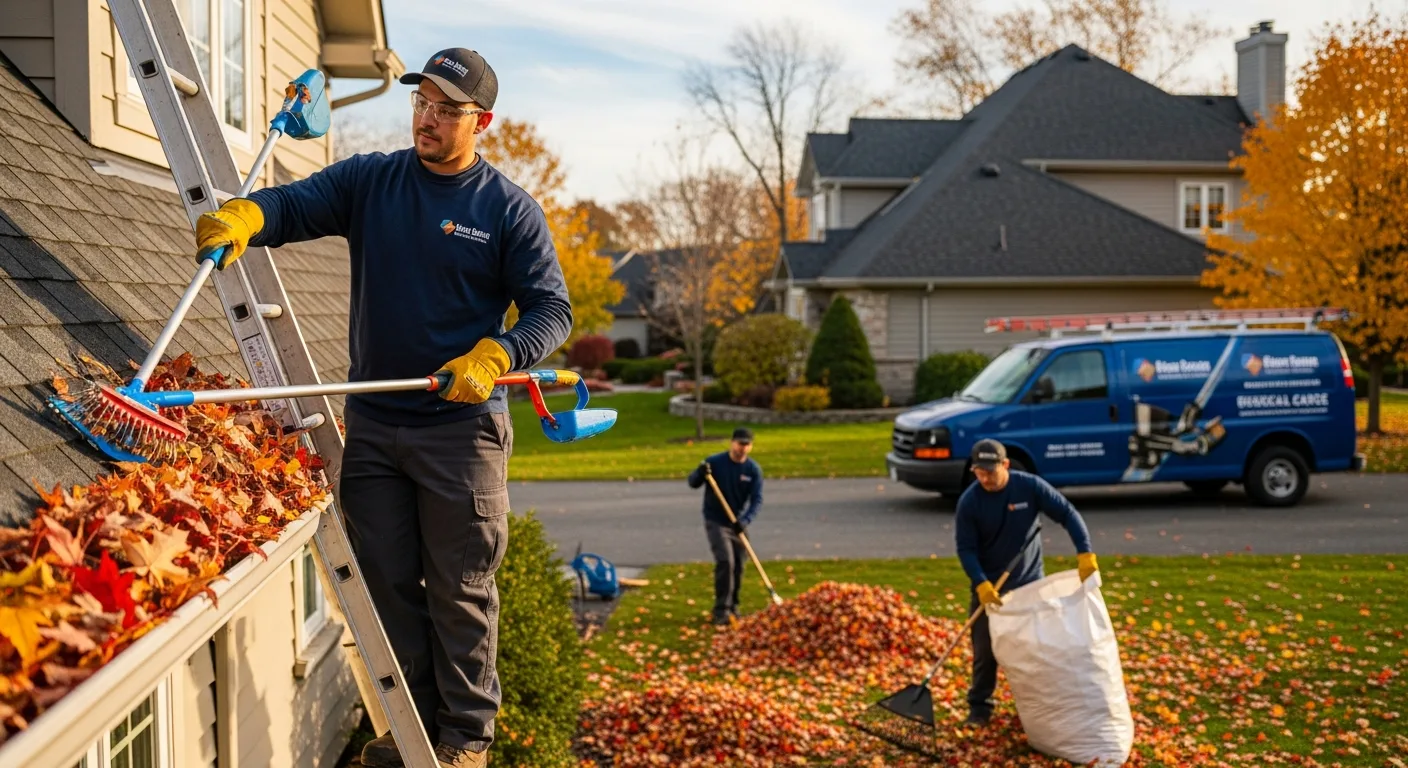
Tree management becomes essential during fall months. Remove overhanging branches that could damage the roof during winter storms or high winds. Clear all gutters and drainage systems of falling leaves and organic debris that could create blockages during winter precipitation events. The Federal Emergency Management Agency recommends comprehensive fall preparation as the most effective strategy for minimizing storm damage and insurance claims.
Focus on weatherproofing during fall maintenance activities. Inspect and replace deteriorated caulking around all penetrations, paying special attention to areas where different materials meet. Check expansion joints for proper function and seal integrity. Examine flashing systems for corrosion or separation that could allow water infiltration during winter weather events.
Emergency Preparedness Planning
Develop comprehensive emergency response procedures during fall preparation. Identify emergency roofing contractors and ensure contact information remains current. Stock emergency repair materials appropriate for your roofing system type. Create documentation of your roof's current condition with photographs and detailed reports that can expedite insurance claims if storm damage occurs.
Winter Protection and Monitoring (December - February)
Winter maintenance in Texas focuses on monitoring and protection rather than extensive repair work. Cold temperatures can make roofing materials brittle and dangerous to work on, limiting maintenance activities to essential monitoring and emergency responses. However, this period provides opportunities for interior inspections and planning future maintenance activities.
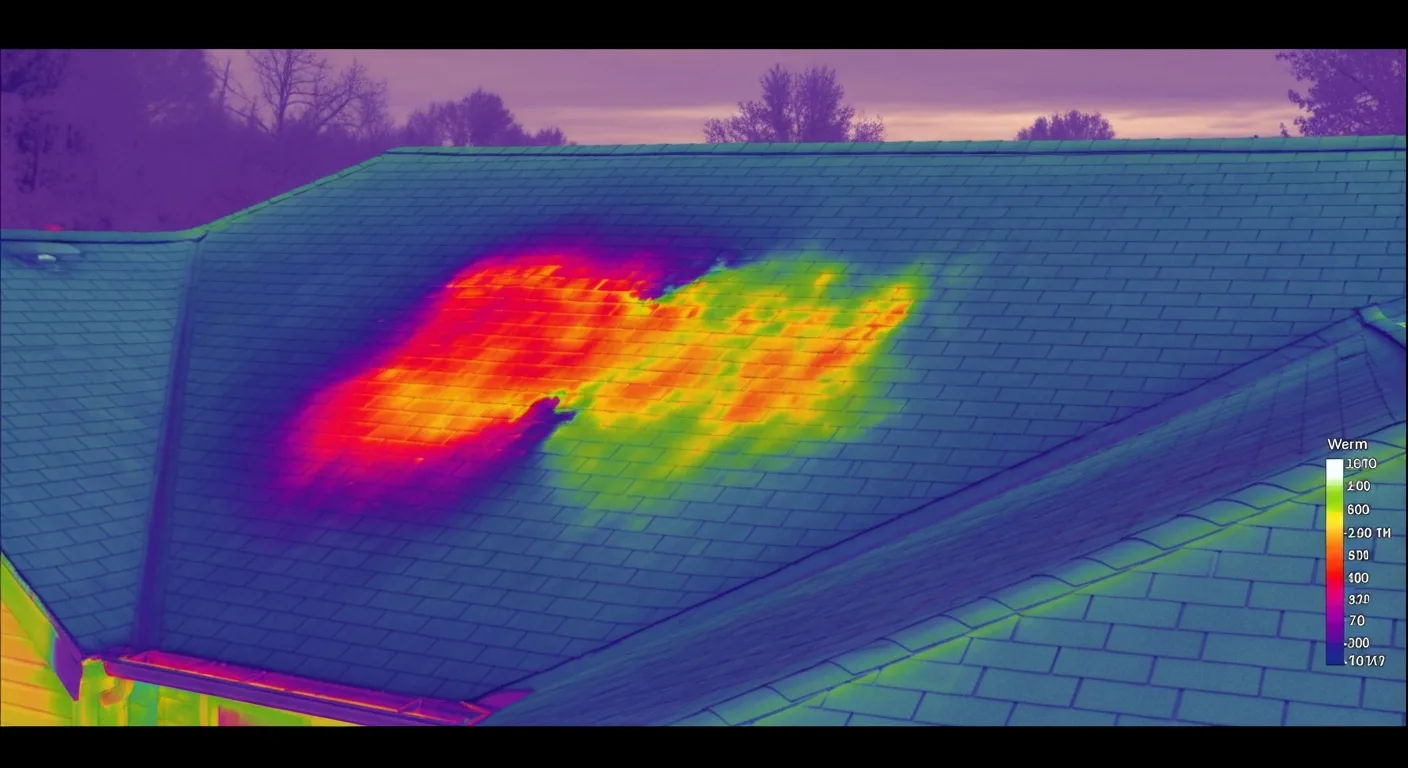
Monitor interior spaces for signs of roof leaks or moisture infiltration. Water stains, musty odors, or visible dripping indicate roofing system failures that require immediate attention. Document all interior signs of moisture problems with photographs and detailed location information to guide spring repair efforts. The Insurance Institute for Business & Home Safety emphasizes the importance of immediate leak response to prevent secondary damage and mold growth.
Use winter months for maintenance planning and budgeting activities. Review documentation from throughout the year to identify patterns or recurring issues that require attention. Develop maintenance schedules and budget allocations for the coming year, prioritizing critical repairs and system upgrades. This planning period allows for informed decision-making and prevents emergency situations that disrupt business operations.
Interior Moisture Management
Winter conditions can create condensation issues within commercial buildings, particularly in facilities with high humidity operations. Monitor interior humidity levels and ensure adequate ventilation to prevent condensation-related roofing problems. Inspect insulation systems for moisture damage or compression that could reduce thermal performance and contribute to ice dam formation during freezing conditions.
Professional Maintenance Partnership Benefits
Partnering with experienced commercial roofing professionals provides numerous advantages for seasonal maintenance programs. Professional contractors possess specialized knowledge of different roofing systems and can identify potential problems before they become costly failures. They maintain relationships with material suppliers and can source replacement components quickly when needed.
Professional maintenance programs typically include comprehensive documentation systems that track your roof's condition over time. This documentation proves invaluable for warranty claims, insurance purposes, and long-term planning decisions. Many contractors offer preventive maintenance contracts that spread costs evenly throughout the year while ensuring consistent care for your roofing investment.
For Texas roofing properties, local expertise becomes particularly valuable. Regional contractors understand specific weather challenges, local building codes, and material performance characteristics in Texas climates. They can recommend appropriate materials and maintenance schedules based on local conditions and experience with similar properties in your area.
Cost-Effective Maintenance Investment
Implementing comprehensive seasonal maintenance programs represents a significant cost savings compared to reactive repair approaches. Regular maintenance extends roof life, prevents emergency situations, and maintains warranty coverage that could otherwise be voided by neglect. The National Roofing Contractors Association reports that every dollar spent on preventive maintenance saves approximately four dollars in avoided repair costs.
Seasonal maintenance also supports energy efficiency goals and can qualify for utility rebates or tax incentives. Well-maintained roofs perform better thermally, reducing heating and cooling costs while extending equipment life. This comprehensive approach to building envelope management provides measurable returns on investment through reduced operational costs and improved property values.
Ready to implement a comprehensive seasonal maintenance program for your Texas commercial property? Schedule service with our experienced team to develop a customized maintenance plan that protects your investment and ensures reliable performance throughout the year. Our local expertise and proven maintenance strategies provide the foundation for long-term roofing system success in challenging Texas conditions.
The Texas Panhandle's extreme climate conditions require specific attention to material performance standards. Commercial roofing systems in the Amarillo region must withstand temperature fluctuations exceeding 100°F between winter lows and summer highs, creating significant thermal stress on membrane systems. Cool Roof Rating Council data indicates that reflective roofing systems can reduce surface temperatures by up to 50°F compared to traditional dark membranes, significantly extending material lifespan in Texas heat.
For commercial single-ply membrane systems, spring maintenance should include detailed inspection of seam integrity and membrane attachment. Carlisle SynTec's commercial roofing standards recommend checking all mechanically fastened areas for proper fastener engagement and membrane pull-over, as high winds common in the Texas Panhandle can stress these critical connection points. Pay particular attention to corner and perimeter areas where wind uplift forces are concentrated.
Safety protocols during spring inspections must comply with OSHA fall protection standards, particularly given the frequent high winds in the Amarillo area. Workers should never perform roof inspections during sustained winds exceeding 25 mph, and all personnel must utilize appropriate fall protection equipment rated for the specific roof configuration and slope.
Texas commercial properties should also prepare for the state's notorious hail season during spring maintenance. Insurance Institute for Business & Home Safety research shows that Texas leads the nation in hail damage claims, with the Panhandle region experiencing some of the largest hailstones on record. Inspect roofing materials for impact resistance ratings, ensuring compliance with local building codes that may require enhanced hail protection based on regional risk assessments.
Documentation becomes critical during spring maintenance, as National Roofing Contractors Association guidelines emphasize the importance of maintaining detailed inspection records for warranty compliance and insurance purposes. Photograph all identified issues, document repair actions, and maintain temperature and weather condition logs during maintenance activities to ensure optimal material performance during installation of patches or sealants.