Most property owners focus on visible roofing materials—shingles, membranes, or tiles—while completely overlooking the foundation that supports everything: the roof deck. In the brutal Texas Panhandle climate, where temperature swings can reach 60+ degrees in a single day and hail storms regularly devastate the region, a compromised roof deck creates a domino effect of structural problems that can transform a manageable repair into a complete building envelope failure requiring tens of thousands in emergency reconstruction.
The consequences of ignoring roof deck integrity extend far beyond simple moisture intrusion. When the structural substrate fails, it compromises wind uplift resistance, creates thermal bridging that destroys energy efficiency, and can even lead to catastrophic roof collapse during severe weather events—a genuine safety hazard that puts occupants at risk and exposes property owners to devastating liability.
When Roof Deck Issues Require Immediate Professional Attention
Unlike surface-level roofing problems that might allow for temporary fixes, roof deck deterioration demands immediate professional intervention. The warning signs are often subtle but unmistakable to trained eyes: sagging areas that indicate structural weakness, visible moisture staining on ceiling surfaces, or unusual sounds during wind events that suggest loose fastening systems.
In the Texas Panhandle's extreme climate, these issues accelerate rapidly. The constant thermal cycling from scorching 100+ degree summers to sub-freezing winters creates expansion and contraction stress that weakens fastener connections and degrades sheathing materials. When combined with our region's notorious hail activity and sustained wind speeds exceeding 60 mph, a compromised deck becomes a critical failure point in your building's protective envelope.
The National Roofing Contractors Association emphasizes that roof deck problems don't remain isolated—they create progressive structural damage that affects load-bearing capacity, insulation performance, and overall building stability. What starts as minor moisture penetration quickly becomes widespread wood rot, mold growth, and expensive structural repairs.
Critical Decision Factors: Repair vs. Replacement Economics
The decision between roof deck repair and complete replacement depends on several critical factors that directly impact your long-term investment return. Professional assessment typically reveals whether damage affects isolated sections or represents systemic deterioration requiring comprehensive replacement.
Repair scenarios work when damage affects less than 20% of the total deck area and structural integrity remains sound in surrounding sections. Typical repair costs range from $3-7 per square foot, making this approach cost-effective for localized problems. However, in the Texas Panhandle's harsh environment, partial repairs often become temporary solutions that require repeated intervention within 3-5 years.
Complete replacement becomes the economically superior choice when damage exceeds 30% of the deck area or when underlying structural components show deterioration. While initial costs range from $8-15 per square foot depending on material selection, complete replacement provides 20-30 year lifecycle performance that eliminates recurring repair expenses and provides superior wind uplift resistance crucial for our region's severe weather patterns.
Timeline considerations matter critically in our climate. The narrow window between winter freeze cycles and spring storm season means delaying action often forces emergency repairs during the worst possible weather conditions, inflating costs by 40-60% and compromising installation quality.
Material and System Recommendations for Texas Panhandle Conditions
Roof deck material selection directly impacts long-term performance and cost-effectiveness in our extreme climate conditions. Modern engineered solutions far exceed traditional plywood or OSB sheathing in durability, moisture resistance, and thermal performance.
Structural sheathing options include ZIP System sheathing that integrates moisture barriers directly into the substrate, eliminating vulnerable membrane seams that typically fail first in our climate. These engineered systems provide superior fastener retention—critical for wind uplift resistance—while maintaining dimensional stability through extreme temperature cycling.
Insulation integration becomes crucial when replacing roof decks, as the Texas heat creates massive thermal loads that destroy energy efficiency without proper thermal bridging control. Continuous insulation systems installed above the structural deck provide R-values of 20-30 while eliminating thermal bridging that can account for 30% of cooling load increases.
The Energy Star program recommends specific thermal performance standards for our climate zone, emphasizing that roof deck replacement provides the ideal opportunity to upgrade building envelope performance and achieve significant utility cost reductions that offset initial investment costs within 5-7 years through reduced HVAC operating expenses.
What to Expect During Professional Roof Deck Restoration
Professional roof deck restoration follows systematic protocols designed to minimize disruption while ensuring complete structural integrity. The process typically requires 3-7 days depending on project scope, weather conditions, and access complexity.
Initial phase involves complete removal of existing roofing materials and damaged sheathing sections. Professional contractors utilize containment systems to protect interior spaces from debris and weather exposure, though some interior protection measures may be necessary during active construction.
Structural assessment examines underlying framing members, identifying any secondary damage that requires repair before new sheathing installation. This critical step prevents future problems and ensures building code compliance—particularly important given recent updates to Texas wind resistance requirements.
Installation phase includes new sheathing installation with upgraded fastening patterns that exceed code minimums for enhanced wind uplift resistance. Professional installation ensures proper ventilation integration, moisture barrier continuity, and thermal bridging control that DIY approaches typically compromise.
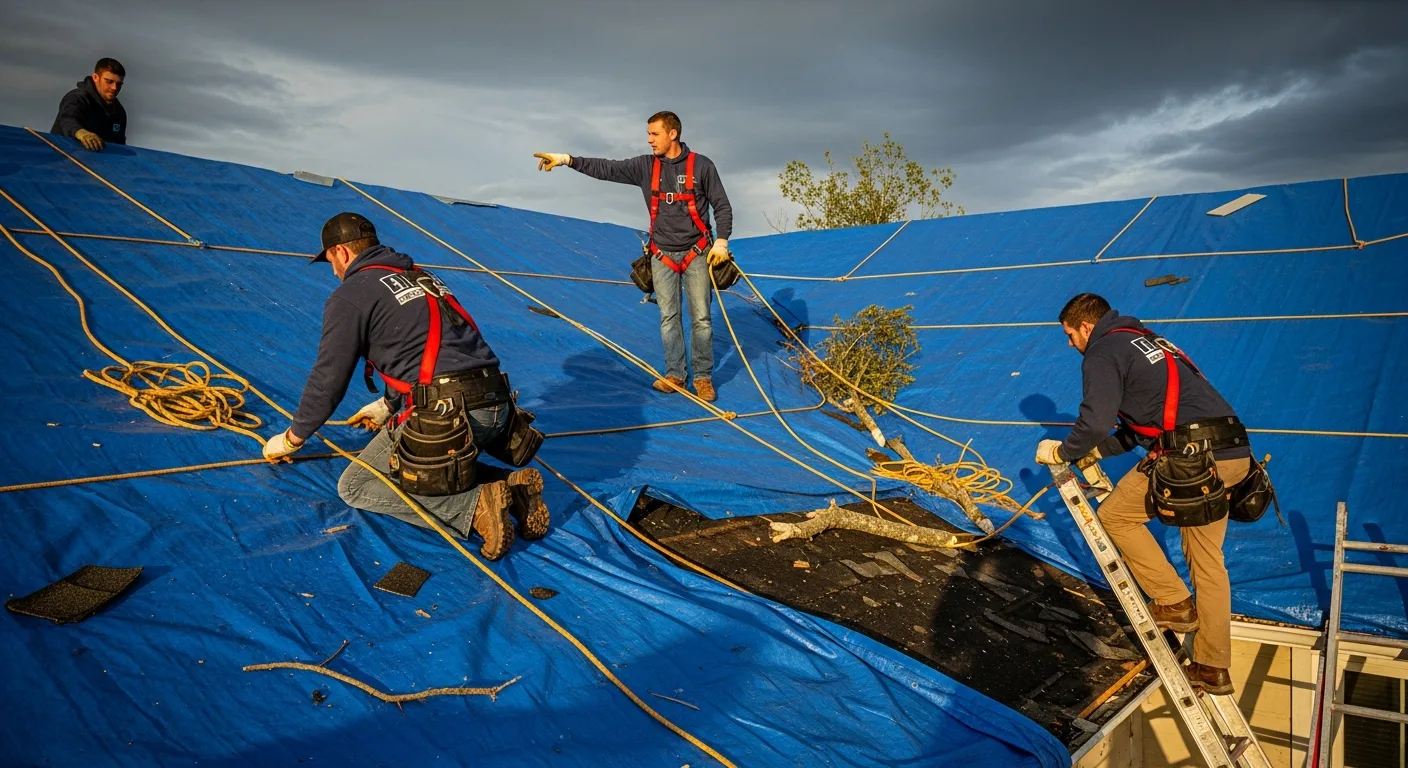
Weather protection remains paramount during construction, as the Texas Panhandle's unpredictable weather patterns can create emergency conditions without proper planning. Professional contractors maintain emergency coverage systems and adjust scheduling based on weather forecasting to minimize weather-related delays or damage risks.
Why Choosing the Right Contractor Makes All the Difference
Roof deck restoration requires specialized expertise that extends far beyond basic roofing installation skills. The structural implications, code compliance requirements, and integration challenges demand contractors with extensive experience in building envelope restoration and Texas-specific climate considerations.
Professional qualifications should include manufacturer certifications from major sheathing and insulation suppliers, demonstrating proven expertise with advanced installation techniques and material specifications. Insurance coverage must include structural work endorsements, as roof deck projects involve load-bearing modifications that create significant liability exposure.
Local experience matters critically in the Texas Panhandle, where contractors must understand regional weather patterns, seasonal scheduling constraints, and local building code interpretations. Contractors familiar with our area's insurance claim processes can also provide valuable assistance navigating coverage disputes and ensuring proper documentation for warranty protection.
When evaluating contractors, examine recent projects specifically involving roof deck restoration rather than surface-level roof replacements. The skill sets differ significantly, and structural work requires proven competency that general roofing contractors may lack. For comprehensive evaluation of professional roofing services including structural restoration capabilities, see our commercial roofing services page for detailed information about advanced restoration techniques and project examples.
Warranty considerations become especially important with structural work, as roof deck problems often don't become apparent for months or years after installation. Reputable contractors provide comprehensive warranties covering both materials and structural performance, backed by insurance coverage that protects your investment against contractor default or performance failures.
Don't let roof deck deterioration compromise your property's structural integrity and your family's safety. CRS Roofing & Construction provides expert roof deck assessment and restoration services specifically designed for Texas Panhandle climate challenges. Our certified technicians identify problems before they become emergencies, saving you thousands in emergency repair costs while ensuring superior long-term performance. Contact us today at (806) 418-7663 for your comprehensive roof deck inspection and discover why property owners throughout Amarillo trust us for critical structural roofing projects. Your building's foundation deserves professional expertise—schedule your consultation now before minor problems become major expenses.
The structural integrity requirements for roof decking in the Texas Panhandle are governed by stringent building codes that account for the region's severe weather patterns. According to International Code Council standards, roof decks must be designed to withstand wind uplift pressures that can exceed 45 pounds per square foot during severe thunderstorms. When the deck substrate deteriorates, these engineered load capacities are compromised, creating a cascade failure that no surface roofing material can compensate for.
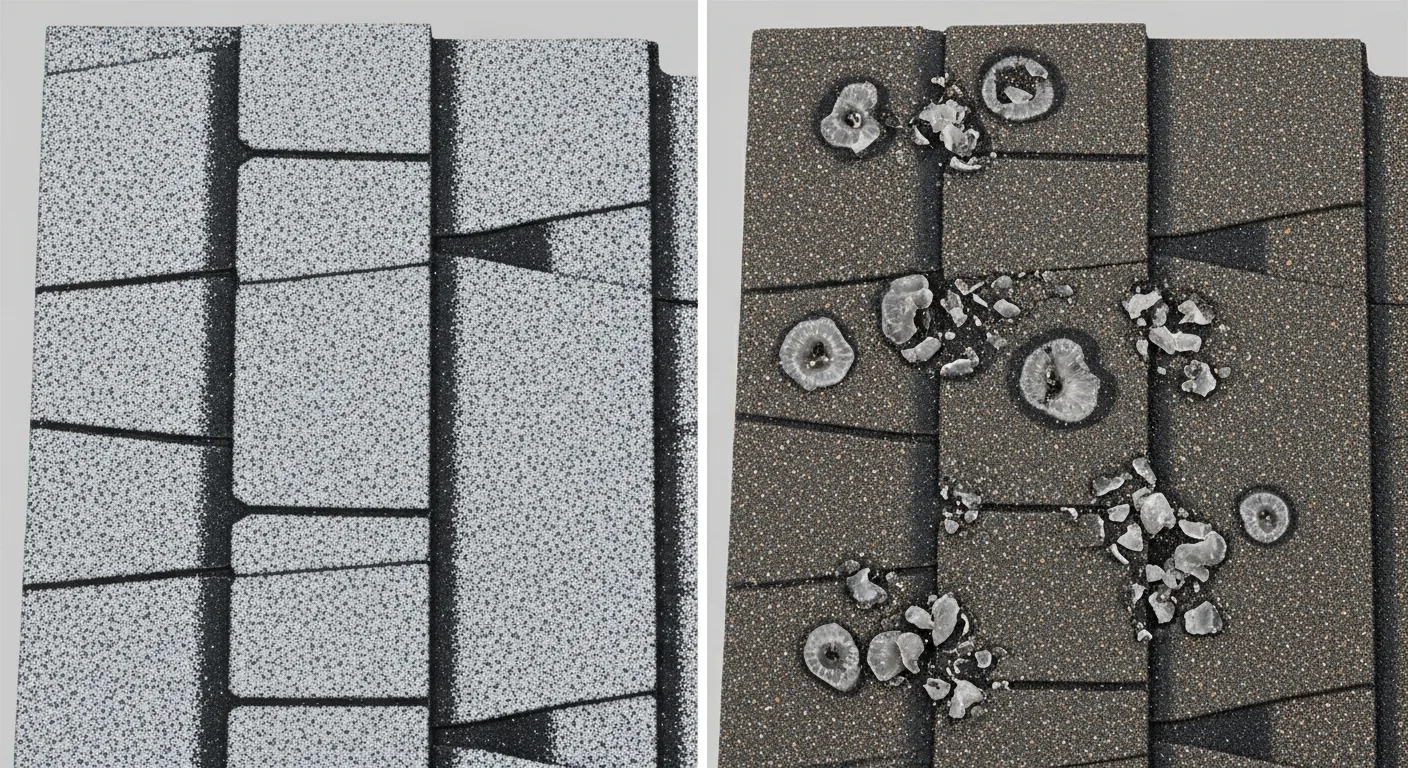
Modern roof deck materials must meet specific performance criteria established by industry organizations. National Roofing Contractors Association guidelines specify that plywood and OSB decking should maintain structural integrity even when exposed to moisture cycling common in Texas Panhandle weather patterns. The region's notorious hail events, documented by NOAA's National Severe Storms Laboratory, can create micro-fractures in compromised decking that exponentially accelerate structural deterioration.
Energy efficiency concerns add another critical dimension to roof deck integrity. The Department of Energy research shows that thermal bridging through compromised deck areas can reduce overall roof system R-values by 15-25%. In Amarillo's climate, where summer temperatures routinely exceed 100°F and winter lows can plummet below freezing, this thermal compromise translates to significant energy losses and HVAC system strain.
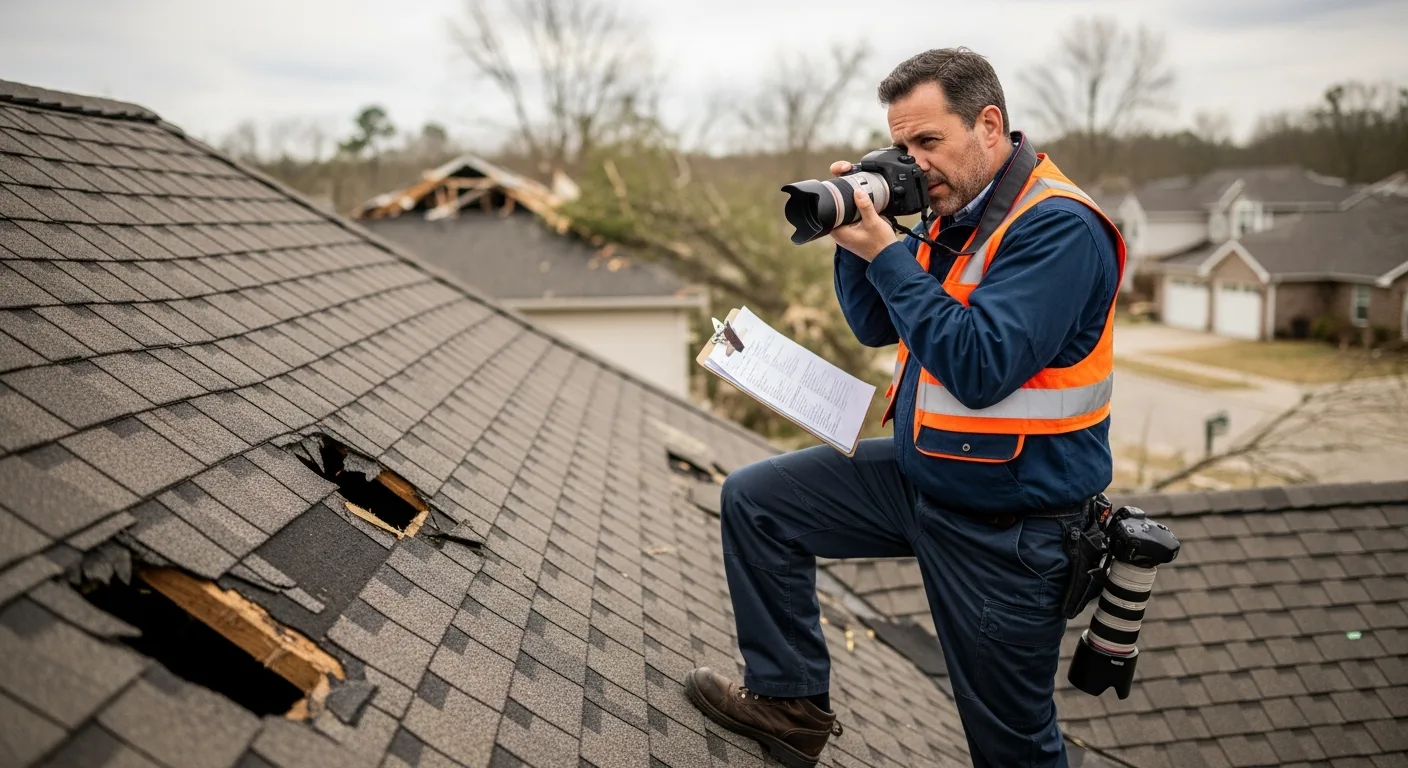
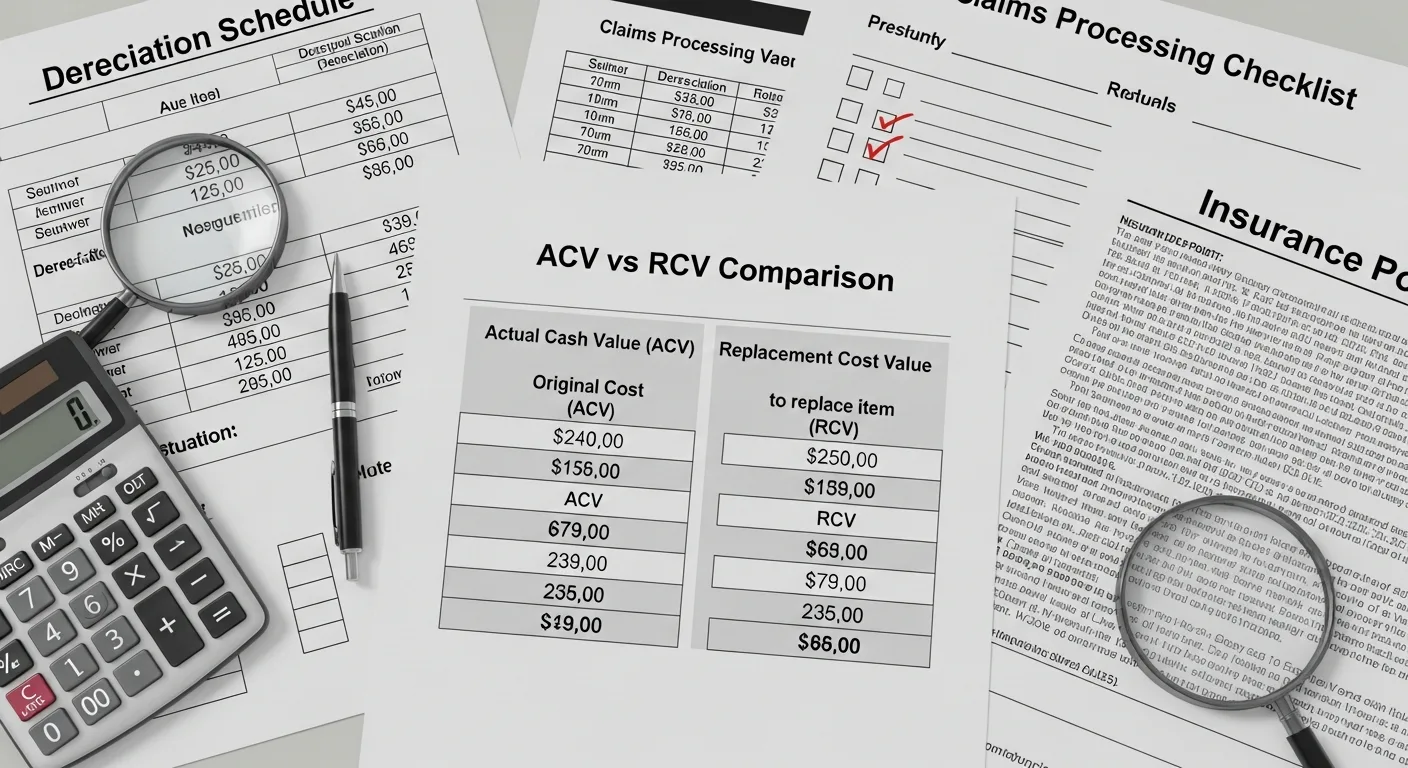
Professional assessment becomes crucial when considering that leading manufacturers like GAF will void material warranties if installations occur over structurally compromised decking. Similarly, insurance claim adjusters increasingly scrutinize deck conditions during storm damage assessments, often denying coverage for secondary damages when pre-existing deck deterioration is discovered. The liability exposure extends beyond property damage—OSHA safety standards hold property owners responsible for structural failures that could endanger occupants or maintenance workers accessing roof systems.