Multi-family property owners in Amarillo face a critical challenge: protecting substantial roofing investments from the Texas Panhandle's relentless climate extremes. With average summer temperatures exceeding 90°F and winter lows dropping below 20°F, your building envelope endures thermal cycling that can accelerate membrane degradation, compromise moisture barriers, and create costly structural issues. Without routine professional assessments, minor problems escalate into catastrophic failures that can cost tens of thousands in emergency repairs, displace tenants, and trigger insurance complications.
The consequence of neglecting systematic roofing evaluations extends beyond immediate repair costs. Property owners risk voided warranties, insurance claim denials, code violations, and significant revenue loss from vacant units. In Amarillo's hail-prone environment, undetected impact damage can compromise your roof's wind uplift resistance, creating liability concerns and potential safety hazards for residents.
When Multi-Family Roofing Issues Require Professional Attention
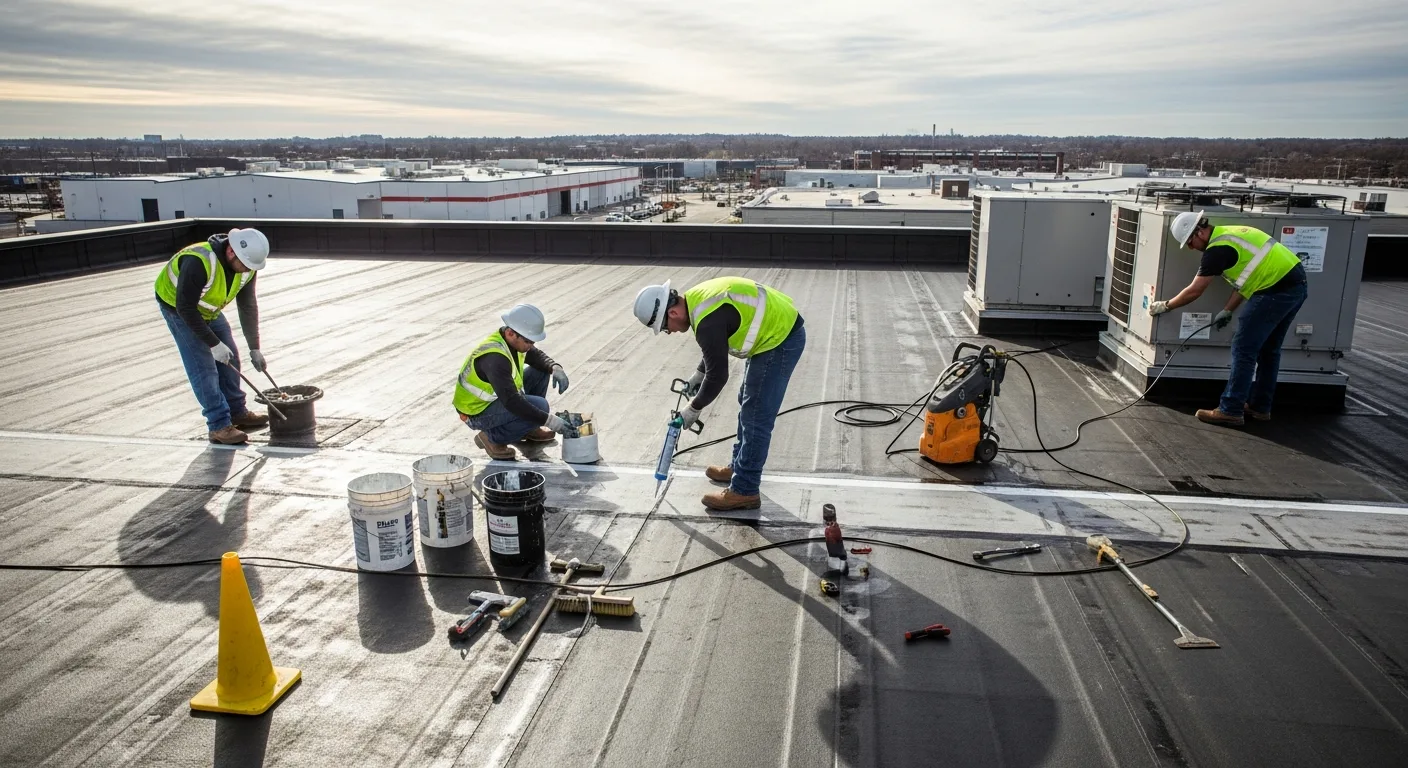
Multi-family buildings present unique roofing challenges that demand professional expertise. Unlike single-family homes, these structures typically feature low-slope or flat roof systems with complex drainage patterns, HVAC equipment loads, and membrane seams spanning large areas. Schedule an immediate assessment if you notice ponding water persisting 48 hours after rainfall, interior moisture stains, or visible membrane blistering.
Texas Panhandle weather patterns create specific warning signs that require urgent evaluation. Hail damage may not be immediately visible but can create micro-fractures in membrane surfaces that allow moisture intrusion. High winds can lift membrane edges or damage flashing details around penetrations. Temperature extremes cause expansion and contraction cycles that stress seam adhesion and fastener connections.
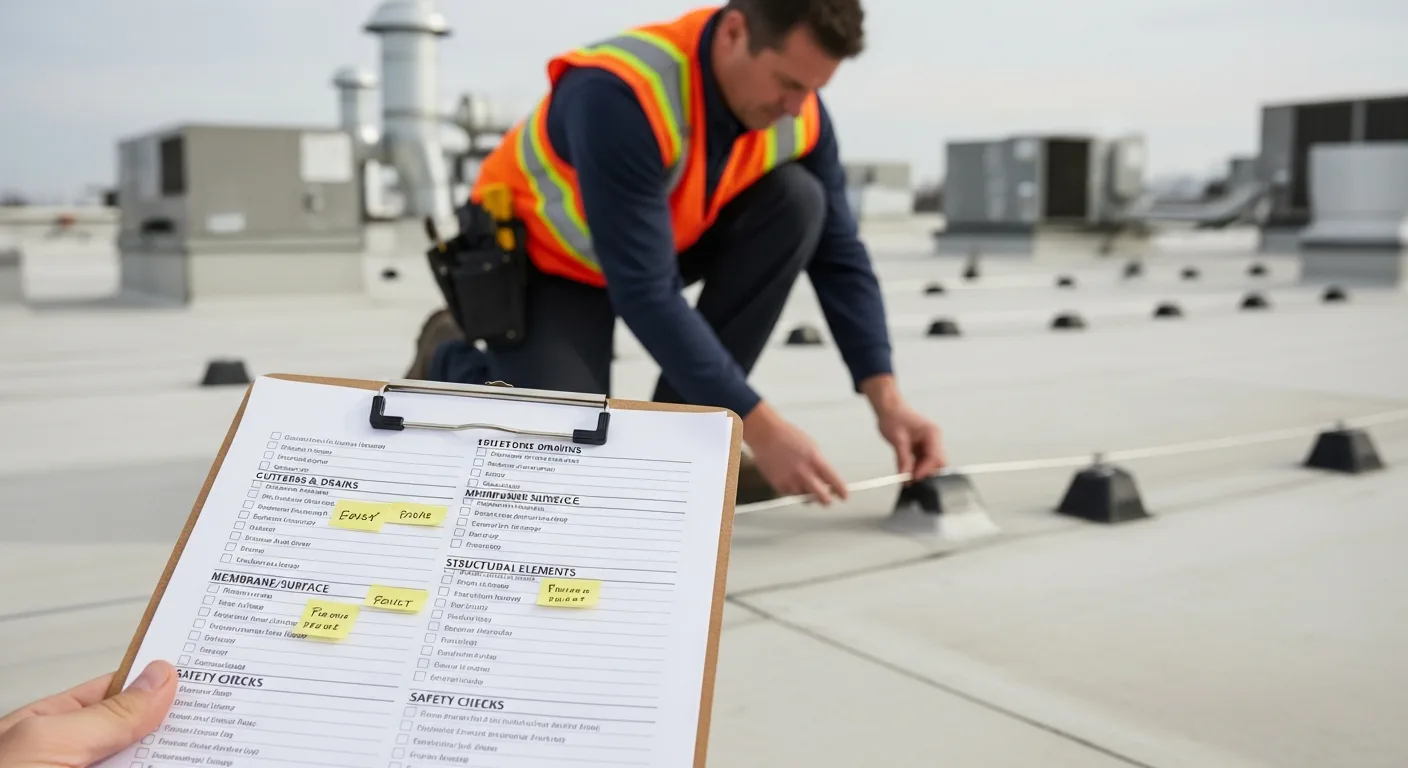
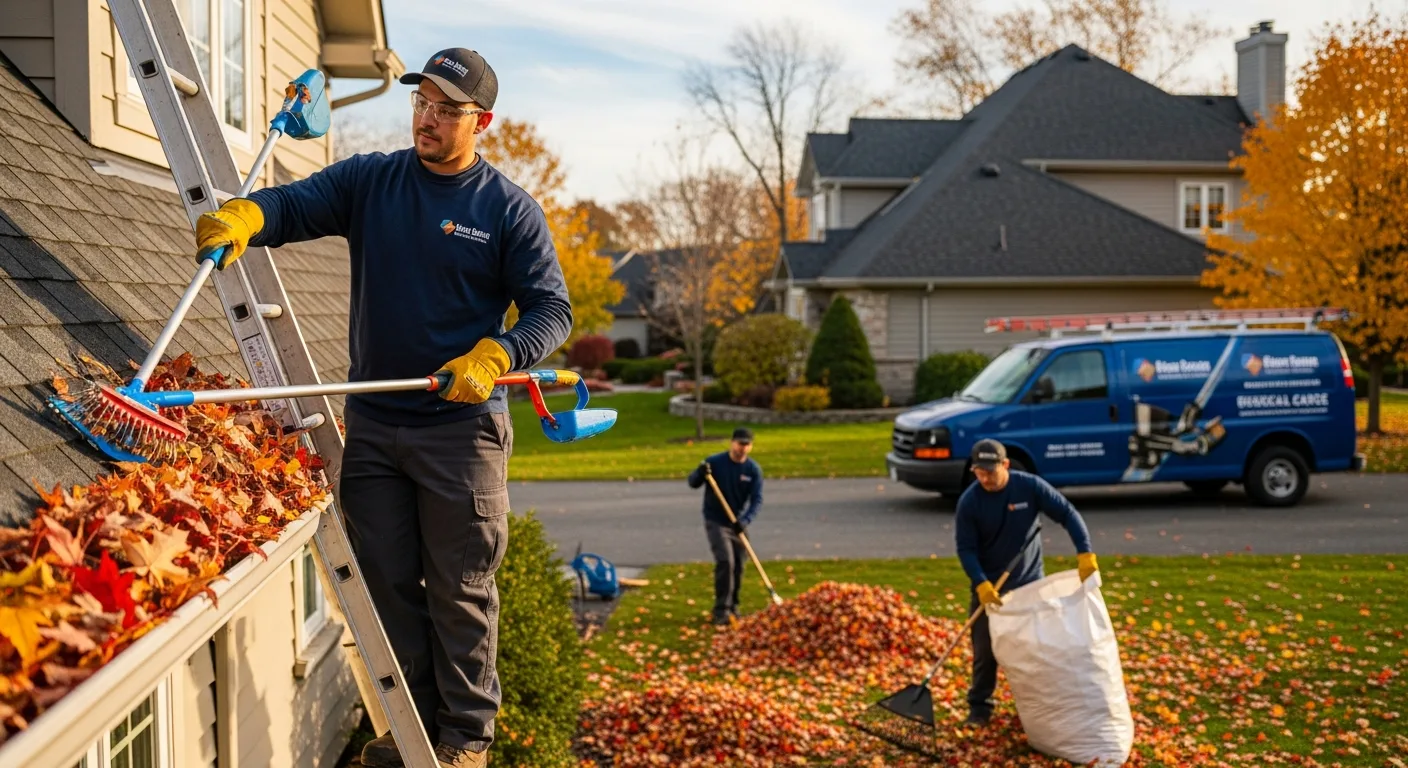
According to the National Roofing Contractors Association (NRCA), commercial roof systems should undergo professional inspections twice annually—spring and fall—with additional evaluations following severe weather events. For multi-family properties, this frequency is non-negotiable given the higher occupancy risks and potential liability exposure.
Professional assessments identify problems invisible to untrained eyes: thermal bridging that increases energy costs, inadequate insulation R-values, compromised vapor barriers, and deteriorating flashings. Early detection through routine evaluations typically reduces repair costs by 60-80% compared to emergency interventions.
Key Decision Factors for Multi-Family Roof Management
Multi-family property owners must evaluate several critical factors when determining maintenance versus replacement strategies. Age analysis considers both chronological age and effective age based on maintenance history. A 15-year EPDM membrane with consistent maintenance may outperform a 10-year system that's been neglected.
Lifecycle cost analysis becomes crucial for multi-family properties due to scale. Premium membrane systems with 25-30 year warranties may cost 20-30% more initially but deliver superior long-term value through reduced maintenance, improved energy efficiency, and extended replacement cycles. Cool roof coatings with high thermal reflectivity can reduce cooling costs by 15-25% in Amarillo's intense summer heat.
Timeline considerations differ significantly from residential projects. Multi-family roof work requires coordination with residents, potential temporary relocations, and minimal disruption to rental income. Planning replacement projects during moderate weather windows (spring or fall) allows proper installation conditions and reduces weather-related delays.
Insurance implications deserve careful attention. Many policies require documented maintenance records and may deny claims for "gradual deterioration" versus sudden damage. Regular professional assessments create the documentation necessary to support insurance claims while identifying issues before they become coverage exclusions.
Material and System Recommendations for Multi-Family Buildings
Multi-family buildings in the Texas Panhandle require roofing systems engineered for extreme temperature differentials, high wind loads, and hail resistance. Modified bitumen systems offer excellent thermal cycling performance with self-healing properties that resist minor punctures. These systems typically feature mineral-surfaced cap sheets that provide superior hail resistance compared to smooth-surface alternatives.
EPDM rubber membranes deliver outstanding UV resistance and thermal stability, crucial for Amarillo's intense solar exposure. Premium EPDM systems incorporate reinforcement layers that enhance puncture resistance and dimensional stability. Proper installation with fully-adhered methods prevents wind uplift issues common in the Panhandle's high-wind environment.
For properties prioritizing energy efficiency, TPO membranes with high thermal reflectivity can significantly reduce cooling costs. Energy Star certified systems reflect 85% or more of solar radiation while maintaining flexibility in temperature extremes. However, TPO requires expert installation to ensure proper seam welding and long-term performance.
Building envelope integration becomes critical for multi-family applications. Continuous insulation systems prevent thermal bridging while vapor barriers control moisture migration. Proper R-value selection—typically R-20 to R-30 for Texas applications—balances energy efficiency with cost-effectiveness.
What to Expect During Professional Roofing Assessments
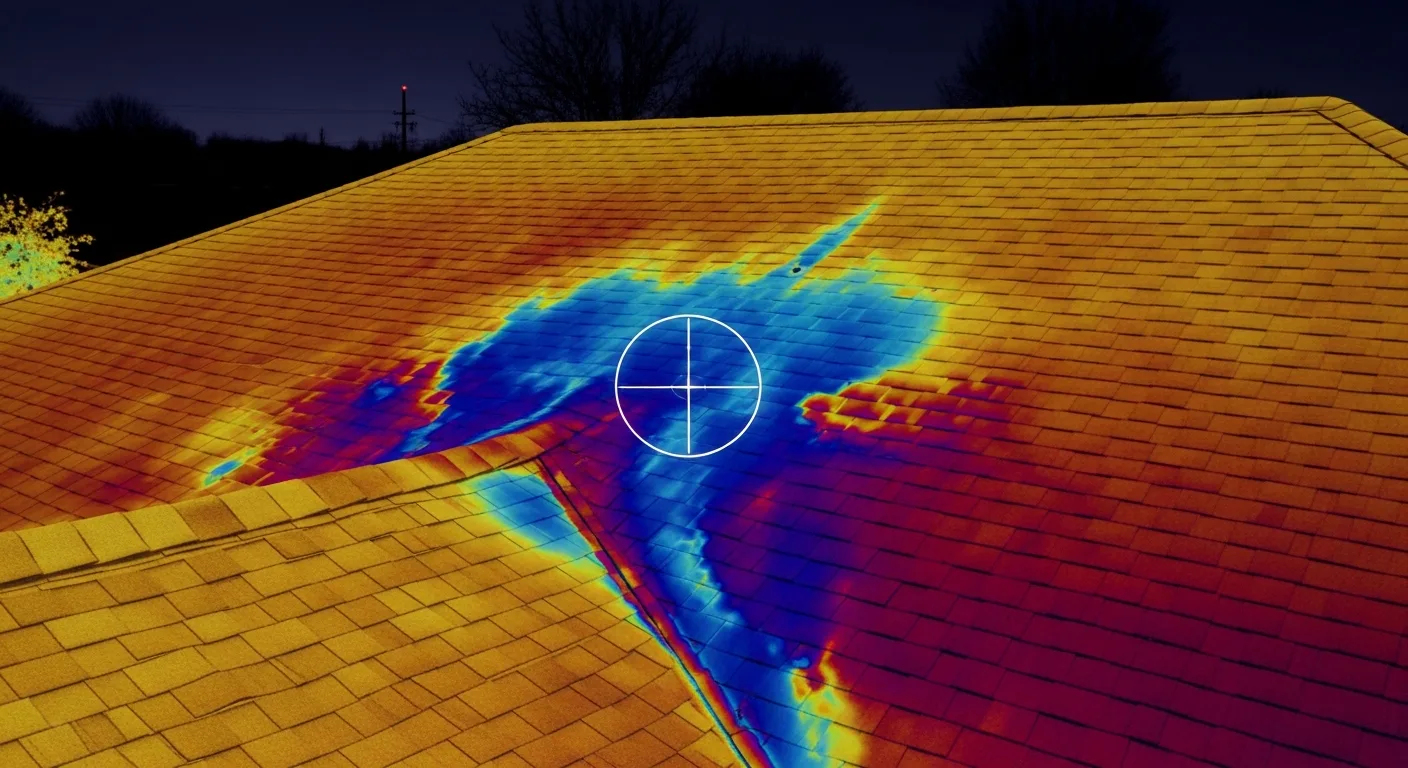
Comprehensive multi-family roofing assessments follow systematic protocols that examine every component of your building's protective envelope. Initial evaluations include moisture detection using thermal imaging or nuclear moisture meters to identify areas of insulation saturation invisible to visual inspection.
Core sampling may be necessary to evaluate membrane adhesion, insulation condition, and deck integrity. Professional contractors use these samples to determine repair feasibility versus full replacement requirements. This scientific approach prevents unnecessary costs while ensuring recommendations address underlying problems.
Drainage evaluation examines slope adequacy, drain functionality, and overflow protection. Texas Panhandle storms can produce intense rainfall that overwhelms inadequate drainage systems. Professional assessments identify areas requiring improved slope or additional drains to prevent structural damage.
Documentation includes detailed condition reports with photographs, measurements, and prioritized repair recommendations. This documentation proves invaluable for insurance claims, warranty issues, and long-term maintenance planning. Professional assessments typically require 2-4 hours for thorough evaluation depending on building size and complexity.
Emergency protocols are established during assessments to address urgent issues immediately. Temporary weatherproofing may be necessary to prevent additional damage while permanent repairs are planned and scheduled.
Why Choosing the Right Contractor Matters for Multi-Family Properties
Multi-family roofing projects demand contractors with specific expertise in low-slope commercial systems, building codes compliance, and tenant coordination. Licensing and insurance requirements exceed residential standards, with liability coverage typically required at $1 million minimum for multi-family work.
Manufacturer certifications ensure your contractor understands proper installation techniques and warranty requirements. GAF Master Elite contractors, for example, receive extensive training on commercial membrane systems and can offer extended warranties unavailable through non-certified installers.
Local experience with Texas Panhandle conditions proves essential. Contractors familiar with Amarillo's climate understand proper material selection, installation timing, and weather-resistant details that prevent premature failures. Local contractors also provide faster emergency response when severe weather strikes.
Project management capabilities become crucial for multi-family properties. Professional contractors coordinate with property managers, communicate with residents, and minimize disruption through phased installation when necessary. They understand local building codes, permit requirements, and inspection processes specific to multi-family construction.
Quality assurance programs include post-installation inspections, thermal imaging verification, and comprehensive warranty documentation. Professional contractors provide maintenance programs that protect your investment while preserving warranty coverage.
Don't wait for visible damage to threaten your multi-family investment. CRS Roofing & Construction's certified professionals understand the unique challenges facing Amarillo property owners. Our comprehensive assessment program identifies problems before they become costly emergencies while providing the documentation necessary for insurance and warranty protection. Contact us today to schedule your professional roofing assessment and protect your property value with proactive maintenance strategies. Call (806) 358-5758 or visit our commercial roofing services page to learn how our expertise can save you thousands while ensuring resident safety and satisfaction.
Professional roofing assessments for multi-family properties must address Texas Panhandle-specific challenges, including severe hail events that can exceed 2 inches in diameter and sustained winds reaching 70+ mph during thunderstorm complexes. The region's extreme temperature fluctuations create thermal stress on membrane systems, particularly affecting TPO and EPDM installations. Single-ply membrane systems like TPO require specialized inspection techniques to identify heat-welded seam failures, punctures from hail impact, and UV degradation that accelerates in the high-altitude, intense solar conditions common to Amarillo.
Multi-family roofing assessments must comply with International Building Code requirements for commercial structures, which mandate higher wind uplift resistance standards than residential applications. Properties with flat or low-slope roofs require drainage system evaluations to prevent ponding, as standing water can reduce membrane lifespan by 40% in extreme temperature cycles. Professional assessments should document HVAC equipment attachment methods, ensuring compliance with current wind load calculations and proper penetration sealing protocols.
The National Roofing Contractors Association recommends bi-annual assessments for commercial multi-family properties, with additional evaluations following severe weather events. In Amarillo's climate, this frequency becomes critical due to the cumulative effects of hail damage, thermal cycling, and wind uplift forces. Assessment protocols should include core sampling for moisture intrusion, thermal imaging to identify insulation deficiencies, and detailed documentation for insurance and warranty compliance. Commercial property insurers increasingly require documented maintenance programs to validate coverage, making routine assessments essential for protecting both physical assets and insurance relationships.
Energy efficiency considerations become paramount in Texas Panhandle assessments, where cool roof systems can reduce surface temperatures by 50-60°F compared to traditional dark membranes. Professional evaluations should measure solar reflectance values and thermal emittance to ensure compliance with energy codes and optimize tenant comfort while reducing HVAC loads across multiple units.