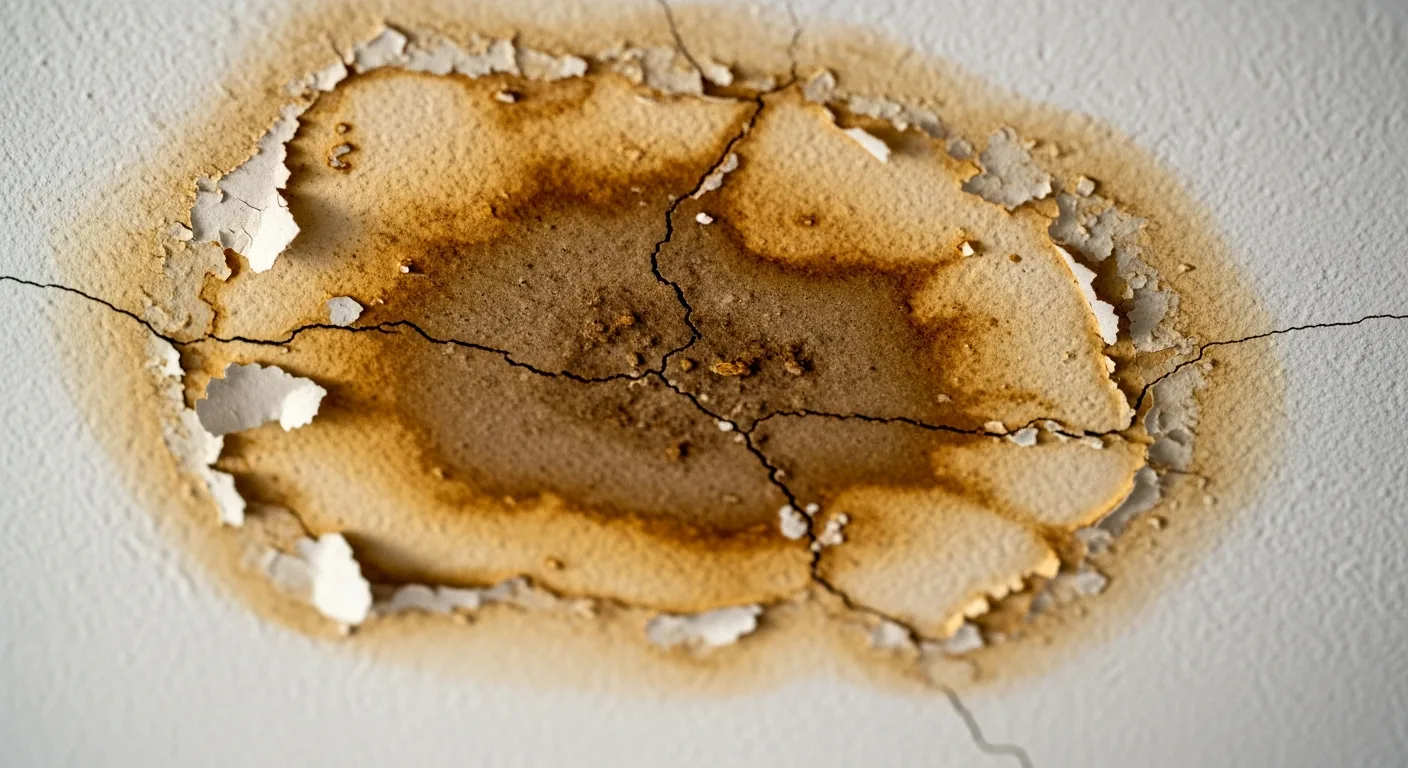
That small water stain on your ceiling might seem minor, but in the unforgiving Texas Panhandle climate, minor leaks transform into catastrophic roof failures with alarming speed. Property owners who dismiss early warning signs face average repair costs escalating from hundreds of dollars to complete roof replacements exceeding $15,000-$50,000 within just 6-18 months. The extreme temperature swings, intense UV exposure, and severe weather events in Amarillo create a perfect storm where moisture intrusion compounds exponentially, compromising your building envelope's structural integrity and creating liability risks that extend far beyond simple water damage.
When Small Leaks Require Immediate Professional Attention
Recognizing the critical threshold between manageable repairs and impending roof failure requires understanding how the Texas climate accelerates deterioration. Professional intervention becomes mandatory when you observe multiple leak points, active dripping during storms, or visible daylight through the roof assembly. The intense solar radiation and thermal cycling in our region cause roofing materials to expand and contract dramatically, widening membrane seams and creating secondary failure points around initial leak locations.
According to the National Roofing Contractors Association, moisture intrusion in commercial and residential roofing systems creates a cascading effect where water infiltrates insulation layers, reduces R-value performance, and promotes microbial growth within 24-48 hours. In Texas's humid summers followed by freezing winters, this moisture undergoes freeze-thaw cycles that physically destroy roofing substrates from within.
Emergency professional assessment becomes critical when leaks occur in areas with electrical systems, HVAC equipment, or structural load-bearing components. Water infiltration around these systems creates immediate safety hazards and can trigger building code violations that impact insurance coverage. Property owners should see our commercial roofing services page for comprehensive leak detection and emergency repair protocols designed specifically for Texas commercial buildings.
Key Decision Factors: Repair Versus Replacement Analysis
The financial decision between targeted repairs and full roof replacement hinges on conducting a thorough lifecycle cost analysis that accounts for our region's extreme weather patterns. When leak damage affects less than 25% of the roof area and the existing system is under 10 years old, strategic repairs often provide cost-effective solutions. However, multiple leak points, widespread membrane deterioration, or compromised insulation typically indicate systemic failure requiring complete replacement.
Timeline considerations become crucial in Texas, where seasonal weather windows limit roofing work. Spring and early fall provide optimal installation conditions, while summer's extreme heat and winter's unpredictable ice storms create scheduling challenges. Property owners delaying decisions often face emergency repairs during peak storm seasons, resulting in 30-50% higher costs and limited material availability.
Insurance considerations significantly impact the repair-versus-replace decision. Most policies cover sudden damage from covered perils but exclude gradual deterioration from neglected maintenance. Documentation of timely professional repairs demonstrates due diligence, while delayed action may void coverage for subsequent damage. Property owners should visit the hail and wind damage repair page to understand how prompt professional assessment protects insurance claims and prevents coverage disputes.
Cost analysis must include hidden expenses beyond immediate repairs. Small leaks often indicate broader building envelope failures affecting HVAC efficiency, interior finishes, and structural components. Energy losses from compromised insulation can increase cooling costs by 15-25% annually, while mold remediation from prolonged moisture exposure averages $3,000-$8,000 per incident.
Material and System Recommendations for Texas Climate
Selecting appropriate roofing materials for leak-prone areas requires understanding how different systems perform under Texas Panhandle conditions. Single-ply membrane systems like TPO and EPDM offer excellent resistance to thermal cycling and wind uplift, critical factors in our high-wind environment. These systems feature heat-welded seams that create monolithic barriers against moisture intrusion, unlike mechanical fastening systems that create potential leak points.
Modified bitumen systems provide superior self-healing properties valuable in temperature-extreme climates. The polymer-modified asphalt formulations remain flexible through wide temperature ranges, automatically sealing minor punctures that might cause leaks in rigid systems. For residential applications, architectural shingles with enhanced wind ratings and impact resistance offer optimal protection against hail damage and thermal stress.
Thermal reflectivity becomes crucial for preventing membrane degradation that leads to leak development. Cool roof systems meeting ENERGY STAR requirements reflect 65% or more of solar radiation, reducing membrane temperatures by 50-80°F compared to traditional dark surfaces. This temperature reduction dramatically extends membrane life and prevents the thermal stress cracking that creates initial leak points.
Proper insulation selection complements roofing system performance by maintaining consistent temperatures across the building envelope. Polyisocyanurate insulation provides excellent R-value performance while resisting moisture absorption, critical for preventing the thermal bridging that creates condensation and internal leak sources.
What to Expect During Professional Leak Resolution
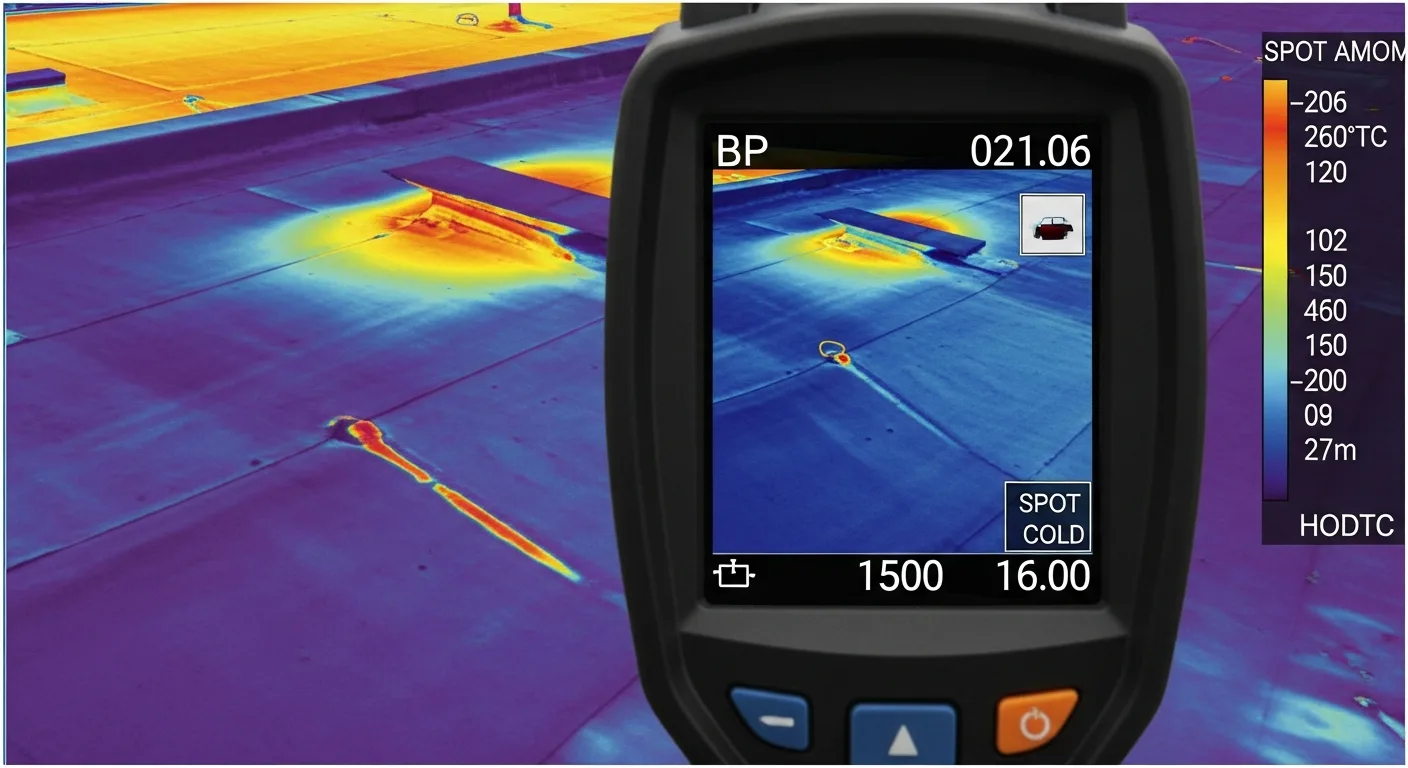
Professional leak resolution begins with comprehensive diagnostic procedures using advanced detection equipment including infrared thermography, nuclear moisture meters, and electronic leak detection systems. These tools identify moisture patterns invisible to visual inspection, revealing the full extent of building envelope compromise. Initial assessment typically requires 2-4 hours for residential properties and 4-8 hours for commercial buildings, depending on roof size and complexity.
Documentation procedures include detailed photography, moisture mapping, and structural assessment reports essential for insurance claims and warranty coverage. Professional contractors provide written scope-of-work documents outlining specific repair procedures, material specifications, and timeline expectations. This documentation protects property owners from change orders and ensures compliance with manufacturer warranty requirements.
Repair execution follows systematic protocols beginning with water extraction and structural drying to prevent secondary damage. Substrate preparation includes removal of damaged materials, surface cleaning, and primer application to ensure proper membrane adhesion. Quality control measures include seam testing, water testing, and thermal imaging verification before project completion.
Weather contingency planning becomes critical in Texas, where sudden storms can interrupt repair work. Professional contractors maintain flexible scheduling and emergency protection protocols to prevent additional water intrusion during extended repair periods. Property owners should expect 1-3 day completion times for localized repairs and 5-14 days for extensive reconstruction projects.
Why Choosing the Right Contractor Matters
Contractor selection directly impacts repair longevity and warranty coverage, making due diligence essential for protecting your investment. Licensed, bonded, and insured contractors provide legal protection and demonstrate professional competency, while manufacturer certifications ensure proper installation techniques that maintain warranty coverage. In Texas, roofing contractor licenses require continuing education on current codes and best practices specific to our climate challenges.
Experience with Texas-specific weather challenges proves crucial for effective leak resolution. Contractors familiar with wind uplift requirements, thermal movement accommodation, and hail impact resistance provide solutions engineered for long-term performance. Local contractors understand seasonal weather patterns, material availability, and code enforcement practices that affect project success.
Warranty coverage varies significantly between contractors, with comprehensive warranties covering materials, labor, and consequential damages for 10-25 years. Premium contractors offer maintenance programs that prevent future leaks through regular inspections and preventive repairs. Property owners should learn more on our residential roof replacement section to understand warranty options and maintenance programs that maximize roof system longevity.
Emergency response capabilities become critical when small leaks suddenly escalate during severe weather events. Established contractors maintain 24/7 emergency services, material stockpiles, and crew availability to prevent catastrophic damage during storm seasons. This rapid response capability often prevents total roof failure and reduces overall repair costs by 40-60%.
Don't let a small leak destroy your entire roof system and devastate your property value. The extreme Texas Panhandle climate transforms minor moisture intrusion into structural disasters with frightening speed, but immediate professional intervention can save you thousands in replacement costs while protecting your investment. Contact CRS Roofing & Construction today for comprehensive leak detection and emergency repair services designed specifically for Texas commercial and residential properties. Our certified technicians, premium materials, and proven repair protocols ensure your roof system provides decades of reliable protection against our region's challenging weather conditions. Schedule your professional inspection now – because in Texas, waiting until tomorrow often means paying for a complete roof replacement instead of a simple repair.
The Texas Panhandle's notorious hail corridor presents unique challenges that accelerate leak progression. According to National Severe Storms Laboratory data, Amarillo experiences some of the highest hail frequencies in North America, with impacts that create micro-fractures in roofing materials. These seemingly minor damages become entry points for moisture when combined with our region's intense thermal cycling, where roof surface temperatures can swing from freezing to over 160°F within a 24-hour period.
Building envelope performance becomes critical in our climate, where Department of Energy research shows that compromised roof assemblies can increase energy costs by 25-40% due to thermal bridging and air infiltration. Modern impact-resistant shingles, such as those meeting UL 2218 Class 4 impact ratings, provide superior protection against hail damage that initiates leak sequences. However, even these premium materials require immediate attention when breached, as the Panhandle's low humidity and high winds create rapid moisture cycling that expands damage exponentially.
Commercial properties face additional complexities, particularly with membrane roofing systems. Single Ply Roofing Industry standards emphasize that TPO and EPDM systems in high-wind zones like ours require enhanced attachment methods and regular inspection protocols. Wind uplift forces regularly exceed 90 mph in our region, creating stress concentrations around penetrations and seams where small leaks typically originate.
The liability implications extend beyond property damage when considering International Institute of Building Enclosure Consultants documentation of mold growth timelines. In Texas humidity conditions, mold colonies can establish within 48-72 hours of moisture intrusion, creating potential health hazards and insurance complications. Property owners who delay leak repairs often face denial of subsequent claims when adjusters determine that negligent maintenance contributed to extensive damage.
Code compliance becomes increasingly stringent as the International Code Council updates wind load requirements for our region. Current IBC standards mandate specific attachment patterns and materials for roofing assemblies in our wind zone, and failure to maintain these systems according to manufacturer specifications can void warranties and create legal vulnerabilities during severe weather events.