A small commercial roof leak discovered on Monday can become a building-wide crisis by Friday—especially in the extreme Texas Panhandle climate where temperature swings and intense UV exposure accelerate moisture intrusion. What starts as a minor drip through membrane seams quickly compromises insulation, structural decking, and interior systems, transforming a manageable repair into a complete roof replacement costing tens of thousands more.
The harsh reality is that commercial roof leaks don't give warning signs. By the time water appears inside your building, moisture has likely been infiltrating the building envelope for weeks or months, saturating insulation and potentially compromising structural integrity. In Amarillo's climate—where summer temperatures exceed 100°F and sudden hailstorms can create multiple breach points—leaked moisture doesn't just sit; it spreads rapidly through compromised membrane systems.
The financial consequences of delayed action are staggering. According to the National Roofing Contractors Association, emergency roof repairs cost 3-5 times more than planned maintenance, while water damage to interior systems, inventory, and business operations often exceeds the roof repair costs entirely.
When Commercial Roof Leaks Require Immediate Professional Attention
Unlike residential roofs where small leaks might be temporarily manageable, commercial roof systems demand immediate professional intervention due to their complex membrane configurations and larger surface areas that can hide extensive damage.
Call for emergency service immediately if you notice:
- Water stains appearing on ceilings or walls
- Musty odors indicating mold growth in building materials
- Bubbling or peeling interior paint
- Visible sagging in ceiling tiles or structural elements
- Standing water on the roof surface after rain
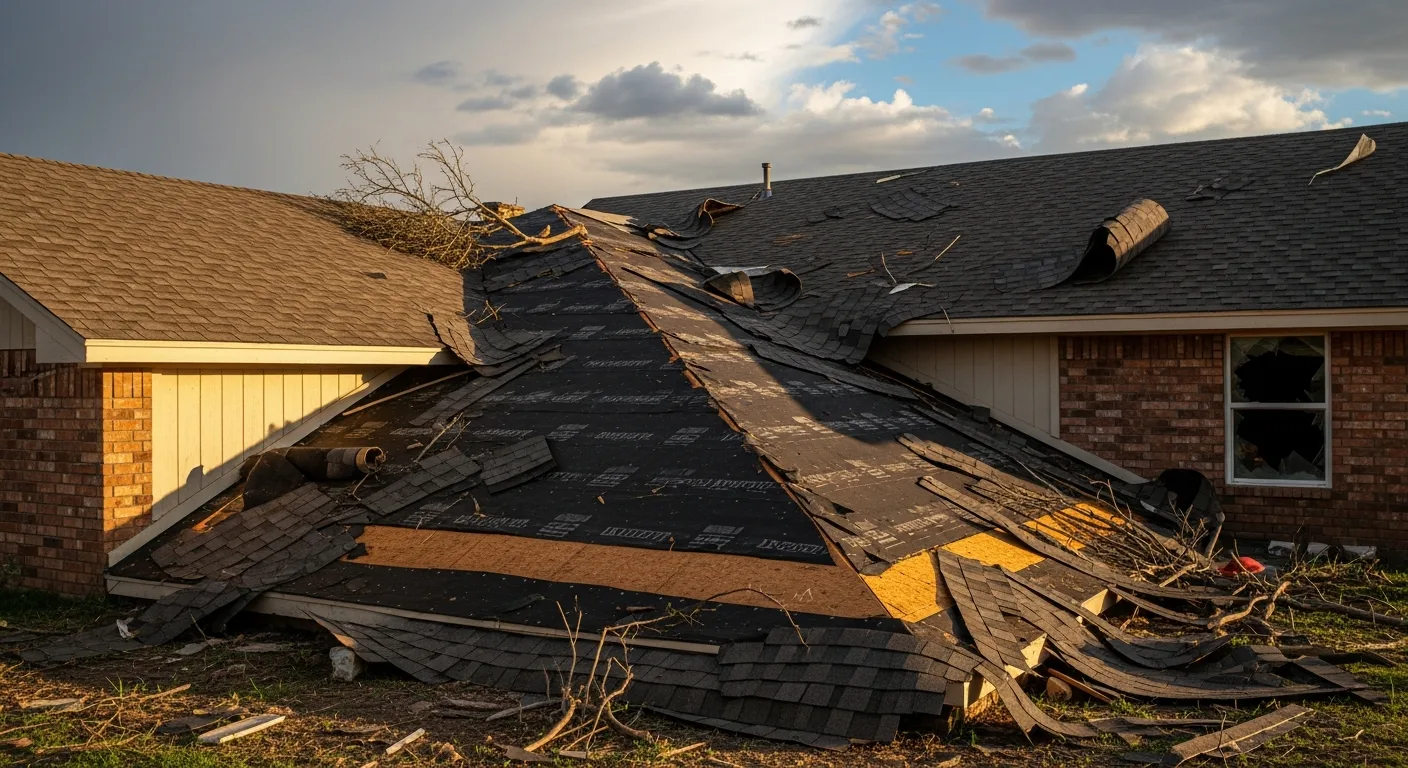
- Damaged or displaced membrane materials after severe weather
The Texas Panhandle's extreme weather patterns—from sudden temperature drops that cause thermal shock to membrane systems to intense summer heat that accelerates material degradation—mean that even minor breaches can rapidly compromise the entire roofing system. When moisture penetrates through damaged membrane seams, it spreads laterally through insulation layers, often traveling far from the original entry point before becoming visible inside the building.
Time is your enemy with commercial roof leaks. Each day of delay allows moisture to penetrate deeper into the building envelope, saturating insulation (reducing R-value efficiency), compromising structural decking, and creating ideal conditions for mold growth that can trigger costly environmental remediation requirements.
Key Decision Factors: Repair vs. Replacement Analysis
The critical decision facing commercial property owners is whether immediate repairs can effectively address the problem or if the leak indicates systemic failure requiring complete membrane replacement. This decision significantly impacts both immediate costs and long-term lifecycle cost analysis.
Emergency repair is appropriate when:
- The leak is localized to a specific area (typically under 100 square feet)
- Membrane materials show no widespread deterioration
- Insulation beneath the affected area remains dry
- Structural decking shows no signs of moisture damage
- The existing roof system is less than 10 years old
Complete replacement becomes necessary when:
- Multiple leak sources are evident across the roof surface
- Insulation has been compromised over large areas
- Membrane materials show widespread cracking, shrinkage, or UV degradation
- Structural decking requires replacement due to moisture damage
- The existing system no longer meets current building codes
In the Texas Panhandle, where hail damage can create numerous small punctures that aren't immediately visible, what appears to be a single leak often indicates multiple compromise points throughout the membrane system. Professional infrared scanning can reveal the true extent of moisture intrusion, providing the data needed for accurate cost-benefit analysis.
Timeline considerations are critical—emergency repairs can typically be completed within 24-48 hours, while complete replacement may require 1-3 weeks depending on building size and weather conditions. However, attempting repairs on extensively damaged systems often results in recurring failures, ultimately costing more than immediate replacement.
Material and System Recommendations for Texas Panhandle Conditions
Selecting appropriate materials for commercial roof repairs or replacement in the Texas Panhandle requires understanding how different membrane systems perform under extreme heat, hail impact, and high wind conditions that characterize our regional climate.
For immediate leak repairs, proven solutions include:
- Modified bitumen patches with granulated surfaces for UV protection and thermal reflectivity
- Single-ply membrane patches using heat-welded seams that create watertight bonds
- Liquid-applied coatings for sealing multiple small penetrations simultaneously
- Metal panel systems for areas requiring maximum hail resistance
When complete replacement becomes necessary, cool roof systems with high thermal reflectivity ratings provide significant energy savings in our intense summer climate. According to ENERGY STAR, properly selected cool roofing can reduce cooling costs by 10-15% while extending membrane life by reflecting harmful UV radiation.
For buildings in Amarillo's high-wind zones, membrane systems must meet enhanced wind uplift ratings. Modified bitumen systems with mechanically-fastened base sheets provide superior wind resistance compared to fully-adhered installations, while single-ply systems require increased attachment density and perimeter securement details.
Our commercial roofing services page provides detailed information about material selection based on your specific building requirements and budget considerations.
What to Expect During the Emergency Repair Process
Understanding the commercial roof leak repair process helps property owners make informed decisions and set appropriate expectations for timeline, building access, and business operations impact.
Initial assessment typically includes:
- Comprehensive roof inspection to identify all compromise points
- Moisture mapping using infrared technology to reveal hidden damage
- Interior inspection to assess structural and systems impact
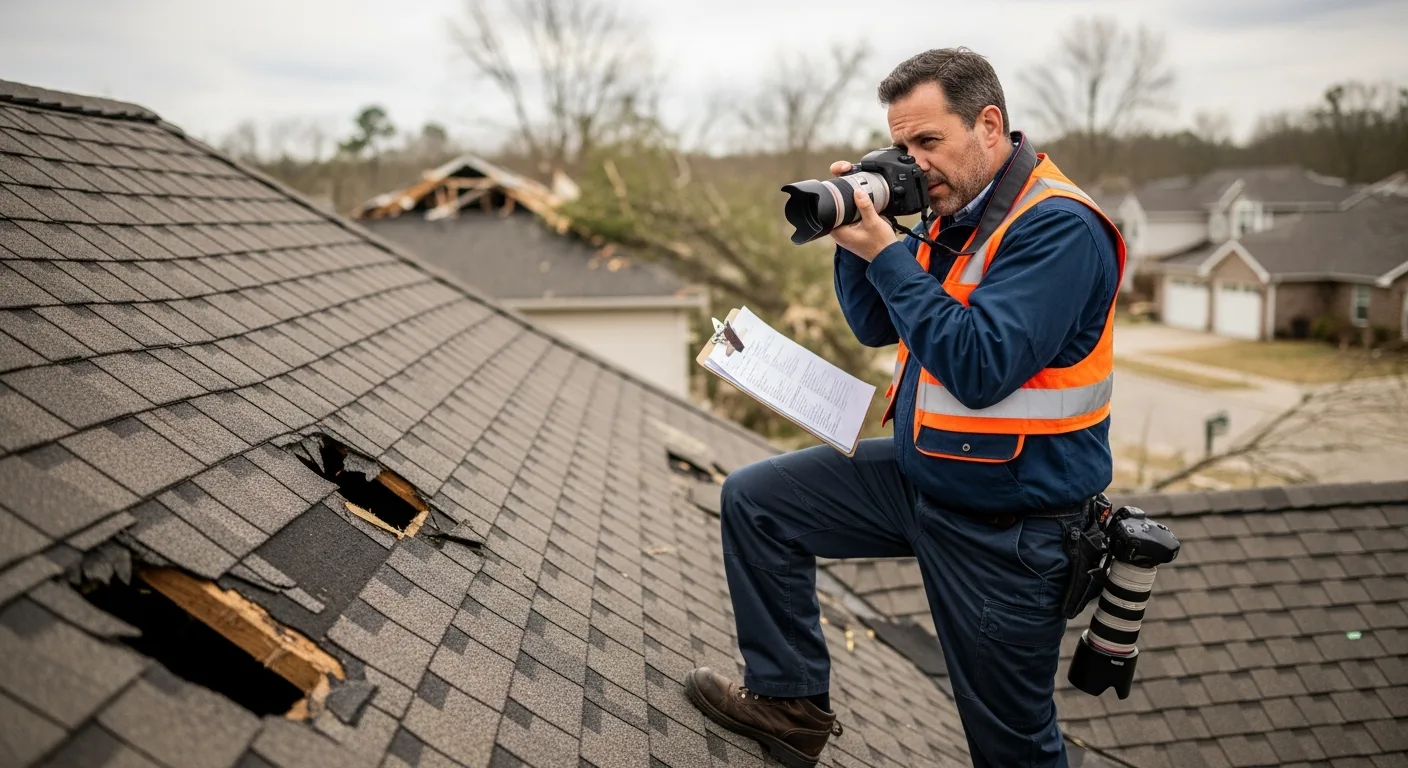
- Documentation for insurance claims processing
- Priority repair plan to prevent further damage
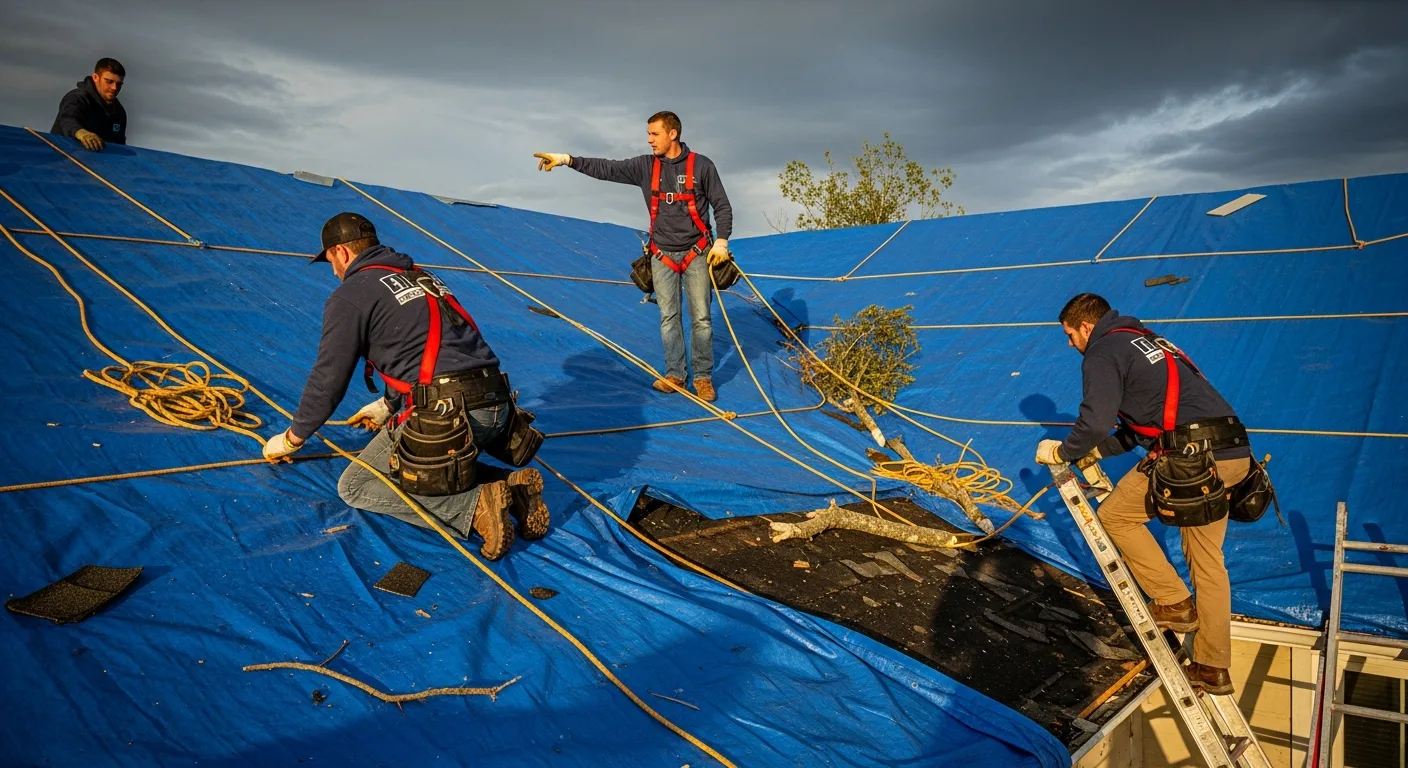
Emergency repairs focus on immediate weatherproofing while comprehensive solutions address underlying system failures. Temporary measures may include tarping, emergency coatings, or partial membrane replacement to protect your building while permanent repairs are planned and materials are sourced.
For extensive repairs or replacement, expect detailed project management including material delivery scheduling, workforce coordination, and protection of building contents and operations. Many commercial roof projects can be phased to minimize business disruption, with critical areas addressed first and remaining work completed during optimal weather windows.
Quality control measures include testing of all membrane seams, verification of proper drainage, and documentation of warranty-compliant installation procedures. All work should meet or exceed manufacturer specifications and local building code requirements.
Why Choosing the Right Contractor Matters for Commercial Roof Emergencies
Commercial roof leak emergencies require contractors with specific expertise in large-scale membrane systems, emergency response capabilities, and proven experience working within the tight timelines that prevent minor issues from becoming major disasters.
Essential contractor qualifications include:
- 24/7 emergency response availability
- Manufacturer certifications for all major commercial roofing systems
- Comprehensive insurance coverage including errors and omissions
- Proven track record with commercial properties similar to yours
- In-house crews (not subcontracted emergency services)
- Advanced diagnostic equipment including infrared cameras and moisture meters
In the Texas Panhandle's challenging climate, experience with regional weather patterns makes the difference between effective repairs and recurring failures. Contractors familiar with Amarillo's specific conditions understand how wind uplift, thermal cycling, and hail impact affect different membrane systems, enabling them to recommend solutions that perform reliably over time.
Warranty considerations are critical—emergency repairs should include both material and labor warranties, while system replacements should offer comprehensive coverage that protects your investment. Reputable contractors provide detailed documentation supporting warranty claims and maintain relationships with material manufacturers to expedite any future service needs.
Insurance claim support becomes essential when storm damage triggers roof failures. Experienced contractors provide detailed damage documentation, scope of work justification, and direct communication with adjusters to ensure fair claim settlements that cover necessary repairs without compromise solutions that fail prematurely.
Don't let a commercial roof leak compromise your building, operations, and financial security. Contact CRS Roofing & Construction immediately for emergency commercial roof leak assessment and repair services. Our certified technicians provide 24/7 emergency response throughout the Texas Panhandle, with the expertise and materials to protect your investment and restore your building's weather-tight integrity. Call now for immediate scheduling—every hour of delay increases repair costs and damage extent. Let our proven commercial roofing expertise solve your leak emergency with permanent, warranty-backed solutions that perform reliably in our demanding regional climate.
The extreme weather conditions in the Texas Panhandle create a perfect storm for rapid leak propagation in commercial roofing systems. NOAA weather data shows that Amarillo experiences over 60 days annually with temperatures above 90°F, coupled with sudden temperature drops that can exceed 40°F in a single day. These dramatic thermal cycles cause membrane expansion and contraction that weakens seam integrity in TPO, EPDM, and PVC roofing systems, creating entry points for moisture infiltration.
Commercial membrane systems are particularly vulnerable to the Panhandle's intense UV exposure, which degrades polymer chains in single-ply membranes. Carlisle SynTec's technical specifications indicate that prolonged UV exposure without proper maintenance can reduce membrane tensile strength by up to 25% within five years. When combined with Amarillo's average wind speeds of 13-15 mph and frequent gusts exceeding 40 mph, compromised membranes experience accelerated failure around penetrations, HVAC units, and parapet walls.
The building science behind rapid leak spread involves moisture vapor drive and thermal bridging effects that are amplified in Texas heat. Once water penetrates the membrane, it encounters superheated roof decking that can reach surface temperatures of 160°F or higher during summer months. This creates steam pressure that forces moisture laterally through insulation layers and into structural components. Building Science Corporation research demonstrates that moisture migration rates increase exponentially with temperature, explaining why Texas commercial roof leaks spread three times faster than in moderate climates.
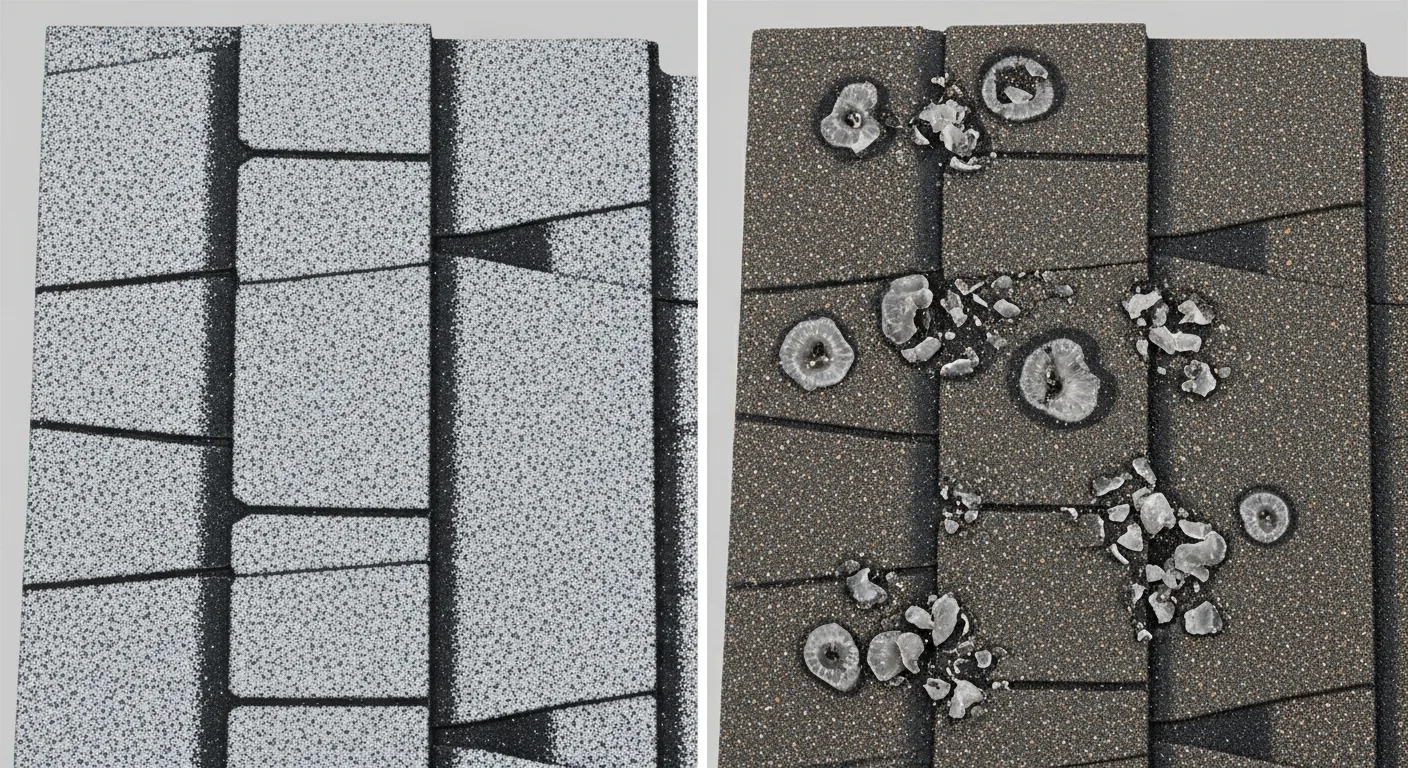
Hail damage presents an additional threat multiplier in the Texas Panhandle, where National Severe Storms Laboratory data shows hailstones exceeding 1-inch diameter occur an average of 2-3 times per year. Even minor hail impacts that don't immediately puncture membranes create micro-fractures that become failure points during thermal cycling. These hairline cracks allow moisture intrusion that may not manifest as visible leaks for months, during which time water vapor saturates insulation and begins compromising structural decking adhesion.
Industry standards for commercial roof inspection frequency reflect these accelerated deterioration rates in extreme climates. NRCA guidelines recommend bi-annual inspections for buildings in high-stress environments like the Texas Panhandle, with additional post-storm assessments following any weather event involving winds over 55 mph or hail larger than 3/4-inch diameter. Insurance Institute for Business & Home Safety research confirms that proactive inspection programs reduce catastrophic roof failure rates by 60% and emergency repair costs by up to 75% compared to reactive maintenance approaches.