Restaurant owners in the Texas Panhandle face a unique roofing challenge that can devastate their business if ignored: grease-laden exhaust combined with extreme weather conditions creates a perfect storm for roof deterioration. When grease deposits accumulate on your building envelope while enduring temperature swings from freezing winters to scorching 100°F+ summers, the result is accelerated membrane degradation, compromised fire safety, and potential closure by health inspectors. The harsh reality is that standard commercial roofing systems simply aren't designed to handle the constant assault of cooking oils, animal fats, and acidic condensation that characterize restaurant operations—and waiting to address this issue means risking catastrophic failure during Amarillo's notorious hail season.
When This Issue Requires Professional Attention
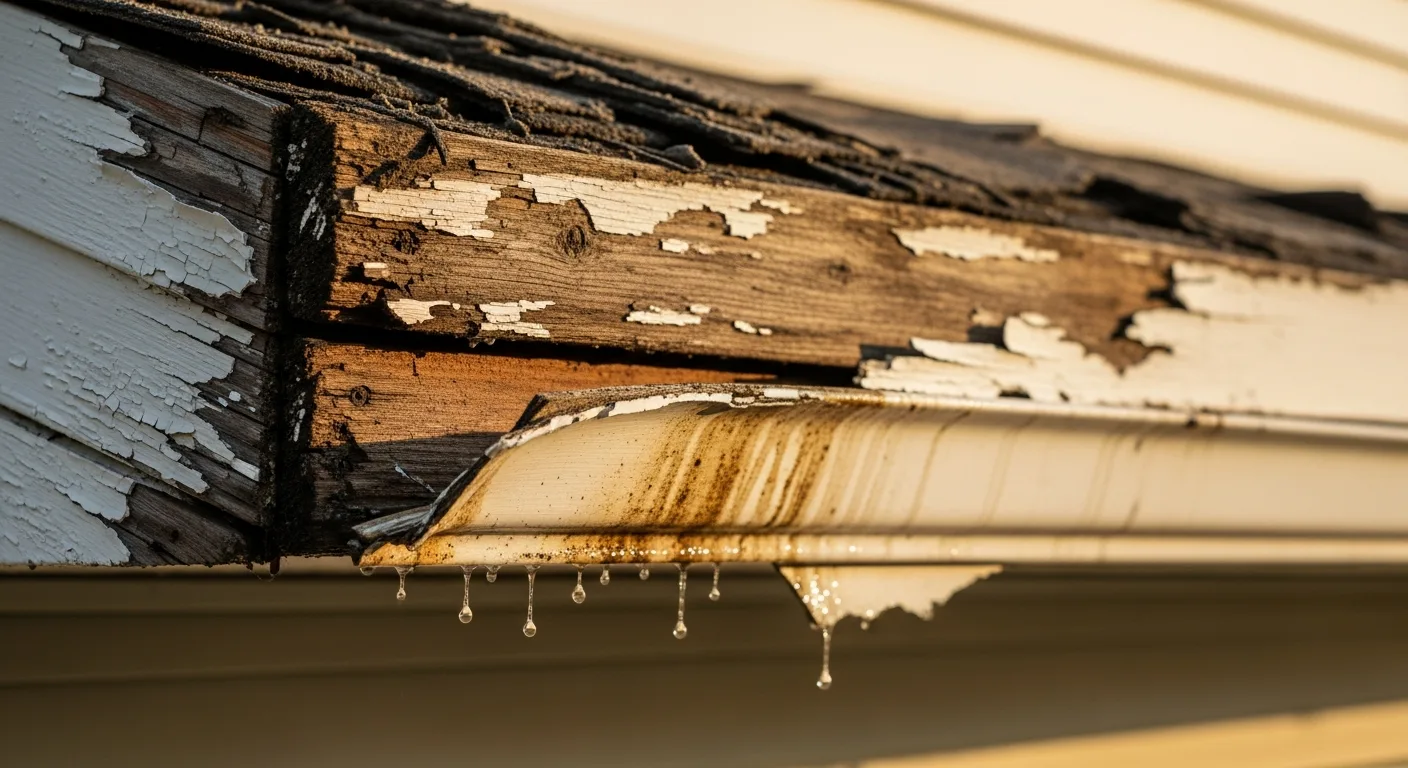
Grease-related roofing problems demand immediate professional intervention when you notice any combination of these warning signs. Surface staining around exhaust fans indicates that cooking oils are penetrating your roof membrane, compromising its waterproofing capabilities and creating potential fire hazards. If you observe ponding water mixed with grease residue, the situation has progressed beyond surface contamination to structural compromise of your drainage systems.
More critically, any signs of moisture intrusion in areas adjacent to kitchen exhaust systems signal that grease has compromised membrane seams or created pathways for water infiltration. In the Texas Panhandle's volatile climate, where rapid temperature fluctuations can cause significant thermal expansion and contraction, these compromised areas become failure points that expand rapidly during freeze-thaw cycles.
Don't wait for health department violations or insurance claims denials—both common outcomes when grease contamination creates unsanitary conditions or fire safety violations. Commercial kitchen exhaust systems operating at temperatures exceeding 500°F create extreme thermal stress on surrounding roof materials, and when combined with grease deposits, this becomes a recipe for catastrophic failure.
Key Decision Factors: Repair vs. Replace Considerations
The decision between repair and replacement depends on three critical factors: contamination depth, membrane age, and lifecycle cost analysis. Surface grease contamination on newer roofing systems may respond to specialized cleaning and coating applications, but deep penetration into insulation layers typically necessitates complete replacement to prevent ongoing odor issues and fire hazards.
Timeline considerations are crucial in restaurant operations. A complete roof replacement during peak business seasons can impact your revenue significantly, while emergency repairs during extreme weather events can cost 3-4 times normal rates. Smart restaurant owners schedule major roofing work during slower periods, typically late fall or early spring in the Texas Panhandle, avoiding both summer heat stress and winter weather complications.
Cost justification becomes clear when considering insurance implications. Many commercial insurance policies specifically exclude coverage for damage resulting from inadequate maintenance of grease-contaminated roofing systems. The FEMA Business Continuity Guide emphasizes that proactive maintenance significantly reduces long-term operational costs compared to reactive emergency repairs.
Additionally, energy efficiency improvements through proper roofing system selection can reduce HVAC costs by 15-30% in commercial kitchen environments where thermal reflectivity and R-value optimization become critical for managing extreme heat loads from cooking equipment combined with Texas Panhandle solar exposure.
Material and System Recommendations for Grease-Heavy Environments
Modified bitumen roofing systems with specialized grease-resistant surfaces represent the gold standard for restaurant applications in harsh climates. These systems combine excellent wind uplift resistance—critical for the Texas Panhandle's severe weather—with chemical resistance that prevents grease penetration into the membrane structure.
TPO (Thermoplastic Polyolefin) membranes offer superior chemical resistance and heat-welded seams that eliminate potential failure points common in adhesive-applied systems. Their high thermal reflectivity reduces cooling costs significantly, while their resistance to grease and oil contamination makes them ideal for restaurant applications. However, proper installation requires specialized expertise to ensure seam integrity under thermal cycling conditions.
For maximum durability, consider EPDM rubber membranes with specialized topcoats designed specifically for grease resistance. These systems provide exceptional longevity—often exceeding 25 years with proper maintenance—and their flexibility accommodates the thermal movement common in commercial kitchen environments without compromising waterproofing integrity.
Metal roofing systems warrant consideration for their fire resistance and ease of cleaning, though proper slope design becomes critical to prevent grease accumulation in low-drainage areas. Standing seam metal roofs with appropriate underlayment systems can provide 40+ year service life while maintaining excellent cleanability for health department compliance.
Regardless of membrane selection, proper drainage design cannot be overstated. Grease-contaminated water requires larger drainage capacity than standard commercial applications, and our team designs systems with 25% additional drainage capacity to accommodate the increased viscosity of contaminated runoff during Texas Panhandle's intense thunderstorms.
What to Expect During the Professional Installation Process
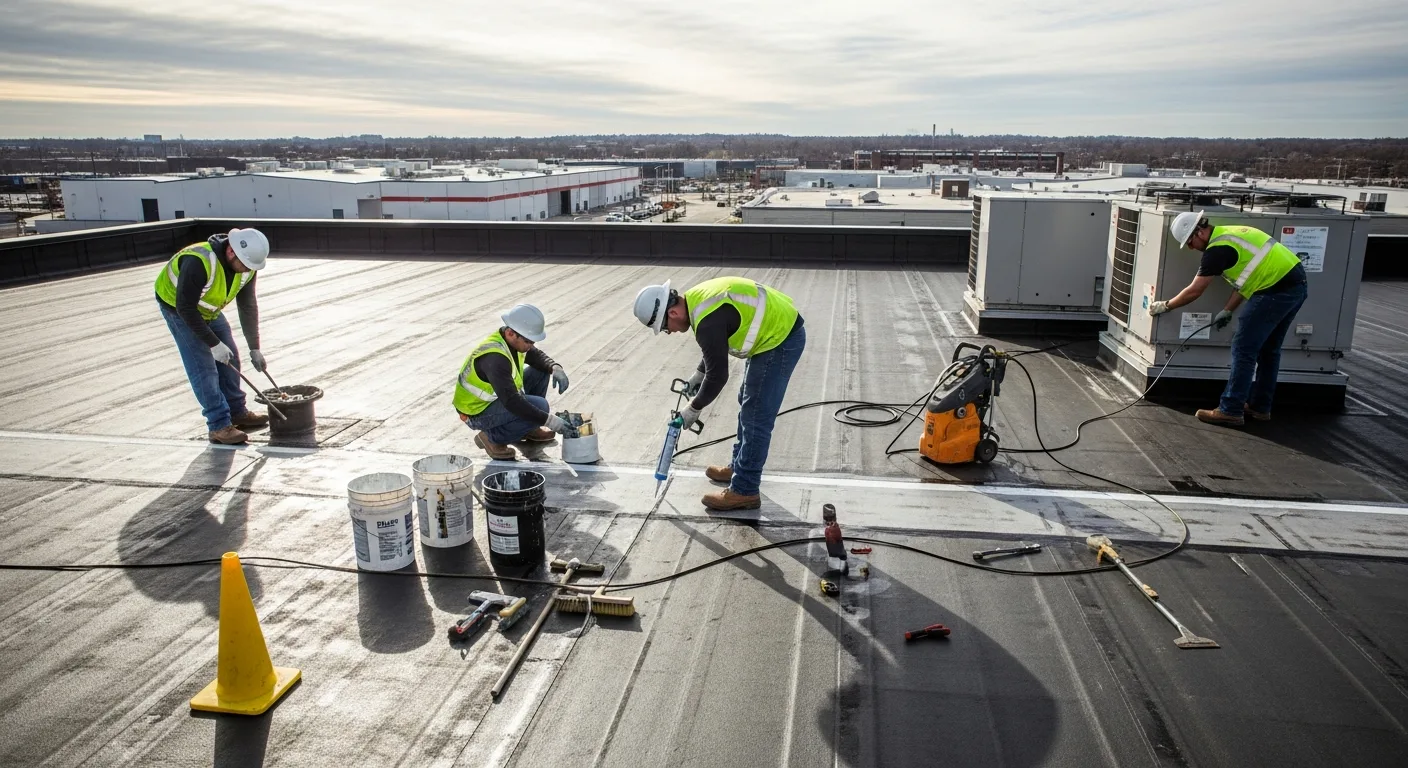
Professional restaurant roofing installation begins with comprehensive grease contamination assessment and proper disposal protocols. Unlike standard commercial roofing projects, restaurant applications require specialized containment procedures to prevent grease contamination of surrounding areas and ensure compliance with environmental regulations.
The installation timeline typically extends 2-3 days beyond standard commercial projects due to additional surface preparation requirements. Complete removal of grease-contaminated materials, specialized primer applications, and enhanced quality control measures ensure long-term performance but require restaurant owners to plan for extended construction periods.
Critical coordination with kitchen exhaust system contractors ensures proper integration of roofing materials with ventilation equipment. This includes specialized flashing details around exhaust fans, grease interceptor systems, and fire suppression equipment that standard commercial roofing contractors often overlook.
Expect comprehensive documentation including material certifications, installation photos, and maintenance protocols specifically designed for grease-heavy environments. This documentation proves invaluable for insurance compliance, health department inspections, and warranty claims throughout the system's lifecycle.
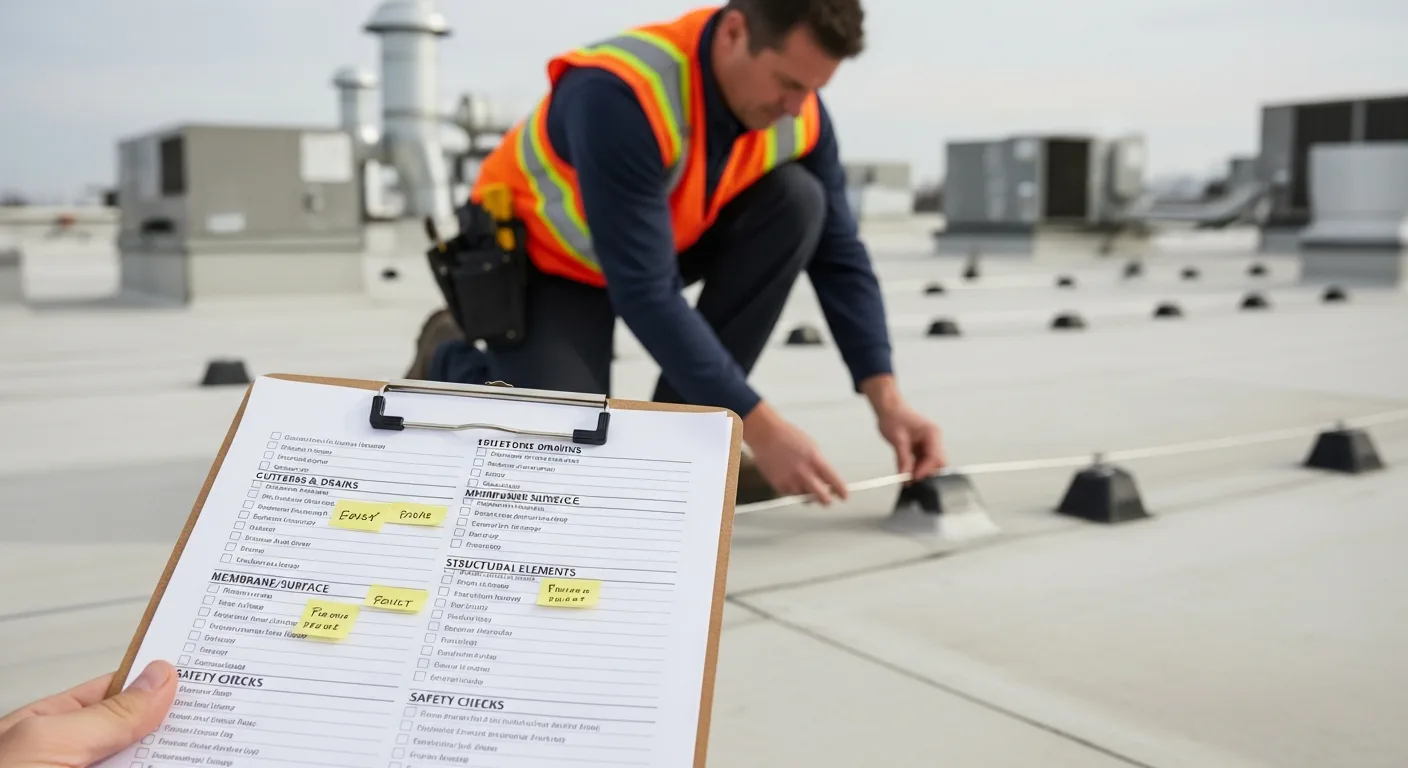
Post-installation, professional contractors provide detailed maintenance schedules that account for increased inspection frequency around exhaust areas and specialized cleaning protocols that preserve membrane integrity while maintaining sanitary conditions required for food service operations.
Why Choosing the Right Contractor Matters for Restaurant Roofing
Restaurant roofing requires specialized expertise that goes far beyond standard commercial roofing knowledge. Contractors must understand health department regulations, fire code requirements, and the unique challenges of maintaining waterproofing integrity in grease-contaminated environments—expertise that only comes from extensive restaurant industry experience.
Insurance considerations become paramount when selecting contractors for restaurant roofing projects. Many commercial insurance policies require certified contractors with specific experience in food service facility construction to maintain coverage validity. Choosing inexperienced contractors can void your coverage and leave you financially exposed during weather events common in the Texas Panhandle.
Look for contractors who provide comprehensive warranties that specifically address grease-related issues rather than standard commercial warranties that may exclude contamination-related failures. Our restaurant roofing warranties include coverage for grease-related membrane degradation, ensuring your investment remains protected throughout the system's lifecycle.
Local expertise matters significantly in the Texas Panhandle's unique climate conditions. Contractors familiar with Amarillo's extreme temperature variations, hail frequency, and wind patterns can recommend material selections and installation techniques that maximize performance in your specific location. This local knowledge translates directly into longer system life and reduced maintenance costs.
Additionally, experienced restaurant roofing contractors maintain relationships with health departments and fire marshals, streamlining the inspection and approval process that can otherwise delay project completion and business operations. See our commercial roofing services page for detailed information about our restaurant roofing expertise and certification requirements.
Don't let grease-related roofing problems threaten your restaurant's success—the combination of Texas Panhandle weather extremes and commercial kitchen demands requires immediate professional attention to prevent catastrophic failure. Contact CRS Roofing & Construction today for a comprehensive restaurant roofing assessment that addresses your specific operational needs, ensures health department compliance, and protects your investment with proven grease-resistant roofing solutions. Our certified team specializes in restaurant applications and provides the expertise, warranties, and local knowledge necessary to keep your business operating safely and profitably regardless of weather conditions. Schedule your professional consultation now and discover why leading Texas Panhandle restaurants trust CRS Roofing & Construction for their critical roofing needs.
The Texas Panhandle's extreme climate conditions—including hail events exceeding 2 inches in diameter and sustained winds over 70 mph during severe weather—require specialized membrane systems that can withstand both grease contamination and severe weather impacts. For restaurant applications, PVC membrane systems offer superior chemical resistance to cooking oils and acidic condensation while maintaining flexibility in temperature extremes ranging from -10°F to 120°F that characterize Amarillo's climate.
When selecting grease-resistant roofing systems, membrane thickness becomes critical for restaurant applications. Commercial-grade TPO membranes in 60-mil thickness provide enhanced puncture resistance essential for areas around exhaust fan installations, while KEE (Ketone Ethylene Ester) membranes deliver exceptional chemical resistance specifically engineered for environments with hydrocarbon exposure. These systems must also meet stringent fire safety requirements, with NFPA standards requiring Class A fire ratings for commercial kitchen applications.
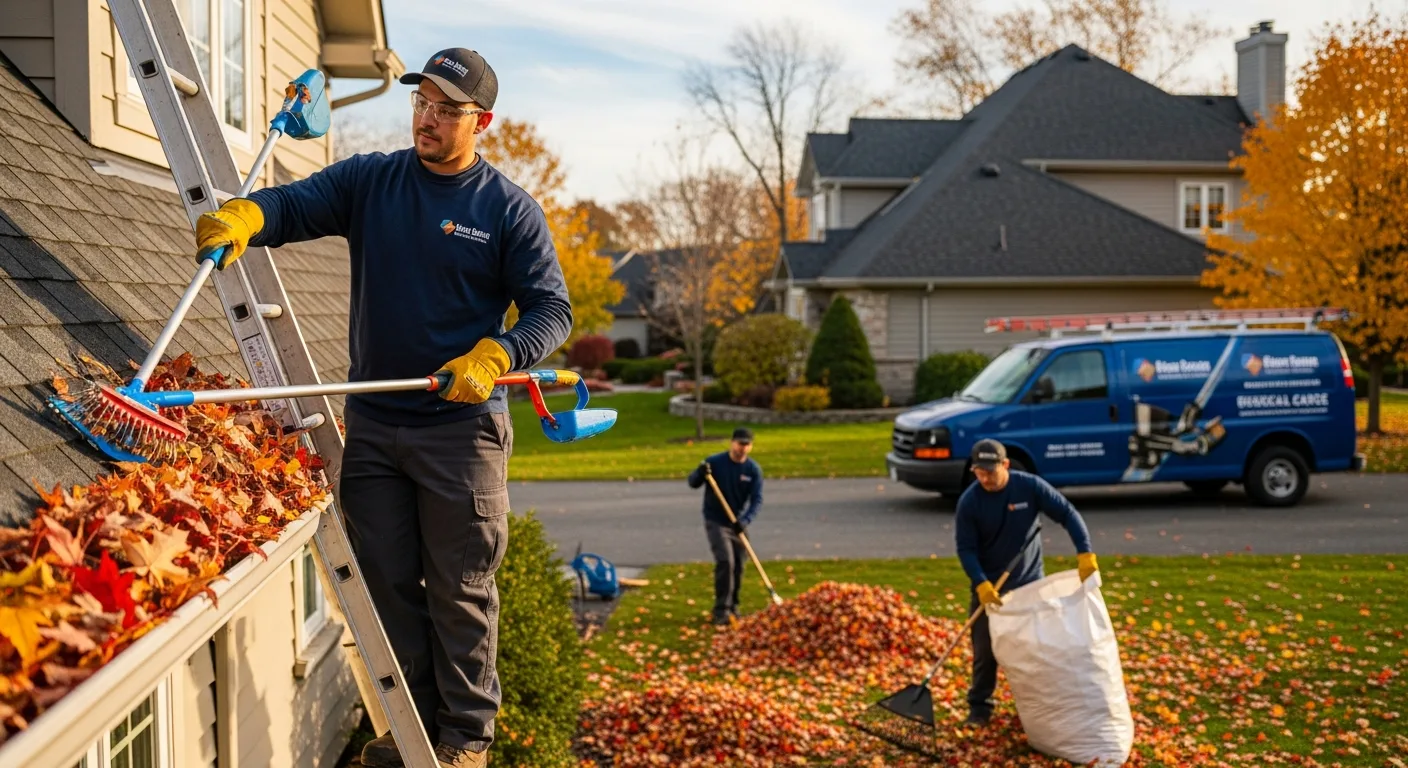
Proper drainage design becomes even more crucial in grease-prone environments, as cooking oils can solidify during winter months and create blockages in conventional drainage systems. Single-ply roofing industry standards recommend minimum 1/4-inch slope toward drains, but restaurant applications benefit from steeper slopes of 1/2-inch per foot in areas within 50 feet of kitchen exhaust systems. Additionally, specifying grease-resistant drain coatings and implementing heated drain lines can prevent the freeze-thaw cycles that plague restaurant roofing systems during Texas Panhandle winters.
Safety considerations for restaurant roofing maintenance extend beyond standard commercial requirements due to fire hazards associated with grease accumulation. OSHA regulations mandate specific fall protection protocols when working around kitchen exhaust systems, while local fire codes often require quarterly professional roof inspections for restaurants to maintain operating permits. The combination of slippery grease residue and Texas Panhandle wind conditions creates elevated safety risks that demand specialized training and equipment for maintenance personnel.