When roof estimates vary by thousands—or even tens of thousands—of dollars, property owners face a critical decision that could impact their building's integrity for decades. In the Texas Panhandle's extreme climate, where wind uplift forces exceed 150 mph and thermal cycling creates relentless expansion-contraction stress on the building envelope, choosing based solely on price can lead to catastrophic failures and exponentially higher lifecycle costs.
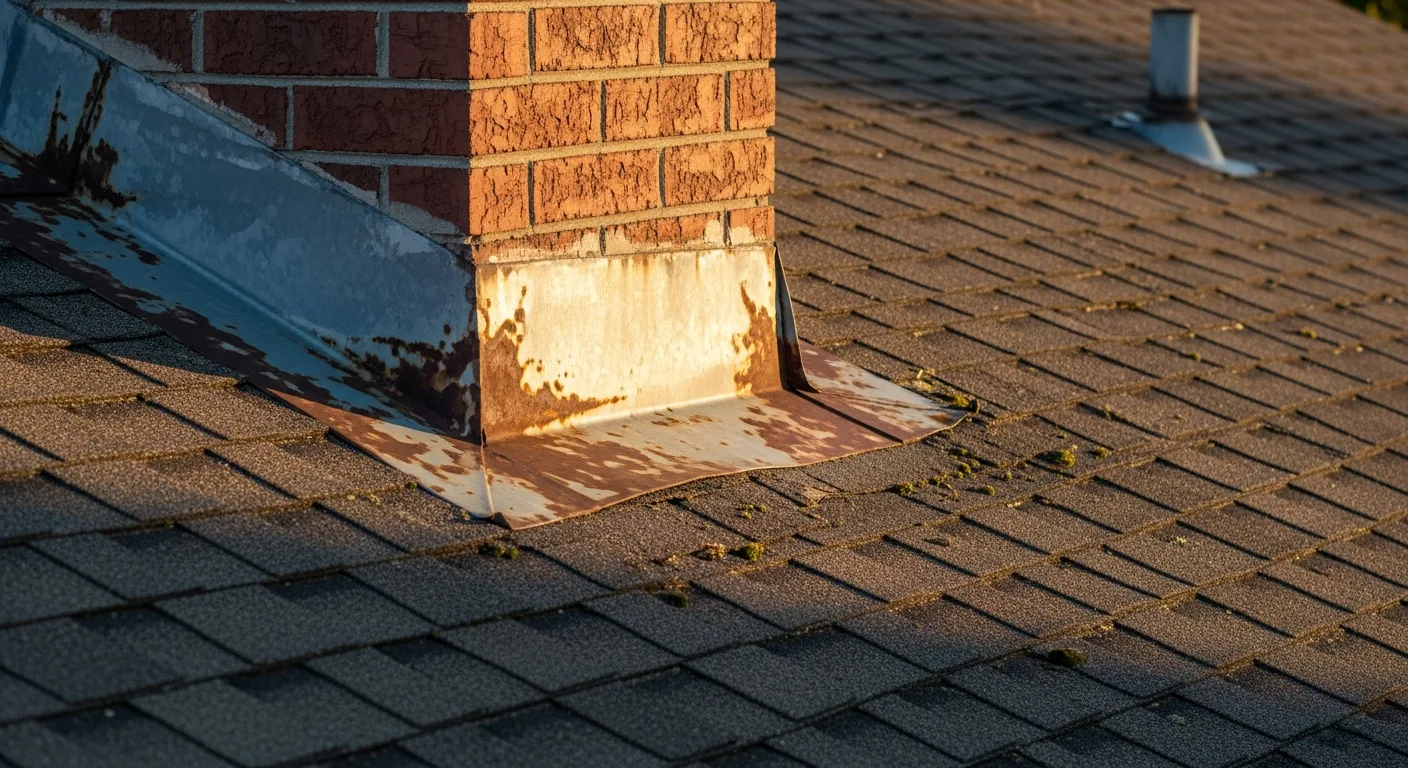
The consequences of selecting inadequate roofing systems become apparent quickly in Amarillo's harsh environment. Inferior materials fail within 5-7 years instead of lasting 20-30 years, while substandard installation compromises the entire building envelope's moisture intrusion resistance. Understanding why estimates vary dramatically—and what those differences mean for your property's long-term performance—is essential for making an informed investment decision.
When Price Gaps Require Professional Analysis
Significant estimate variations typically indicate fundamental differences in system specifications, installation methodology, or contractor qualifications. Price gaps exceeding 25-30% warrant immediate professional evaluation, as they often reveal critical disparities in:
- Material grade and specifications: Premium membrane systems with enhanced puncture resistance versus basic materials that fail under Texas hail impact
- Installation scope: Comprehensive building envelope upgrades including insulation, vapor barriers, and flashing systems versus surface-level repairs
- Code compliance: Current International Building Code requirements for wind resistance and energy efficiency versus minimal repair approaches
- Warranty coverage: Manufacturer-backed system warranties with 20-30 year coverage versus limited contractor warranties
The National Roofing Contractors Association emphasizes that extremely low bids often indicate corner-cutting that compromises system integrity. In the Texas Panhandle's challenging climate, these shortcuts typically result in premature failure and emergency repairs during peak weather seasons.
Property owners should request detailed specifications for all estimates, examining material grades, installation methods, and warranty terms. When contractors cannot provide comprehensive documentation or avoid discussing specific technical requirements, it signals potential quality concerns that justify higher-priced proposals from qualified professionals.
Key Decision Factors for Roof Investment Analysis
Lifecycle cost analysis provides the most accurate framework for evaluating estimate variations. While initial investment differences seem significant, the total cost of ownership over 20-30 years often favors premium systems, especially in harsh climates like the Texas Panhandle.
Consider these critical decision factors when analyzing price gaps:
System Durability and Performance
Premium roofing systems engineered for extreme weather conditions deliver superior thermal reflectivity and wind resistance. Energy Star-rated cool roof systems reduce cooling costs by 15-25% annually, while enhanced membrane durability prevents costly emergency repairs during severe weather events.
Installation Quality and Code Compliance
Professional installation meeting current building codes ensures optimal system performance and insurance claim approval. Substandard installation techniques—common among low-bid contractors—void manufacturer warranties and create liability issues during weather-related damage claims.
Material Specifications and Warranty Coverage
Manufacturer-backed warranties require certified installation by approved contractors using specified materials. These comprehensive warranties cover both materials and labor, providing protection against defects and premature failure. Basic contractor warranties typically exclude material defects and limit coverage to workmanship issues.
For commercial properties, consider exploring our commercial roofing services page to understand how system selection impacts operational costs and building performance over time.
Material and System Recommendations for Texas Conditions
The Texas Panhandle's extreme weather patterns demand roofing systems engineered for:
- Hail impact resistance: Class 4 impact-rated materials that withstand golf ball-sized hail without penetration
- Wind uplift performance: Systems tested to FM Global standards for winds exceeding 120 mph
- Thermal cycling durability: Materials that maintain integrity through temperature swings from -10°F to 110°F
- UV radiation resistance: Enhanced polymer formulations that prevent degradation under intense Texas sun exposure
Commercial Membrane Systems
TPO and EPDM membranes with heat-welded membrane seams provide superior performance compared to adhesive-applied systems. Premium manufacturers like Carlisle SynTec and Firestone offer 20-30 year warranties when installed by certified contractors following strict specifications.
Residential Shingle Systems
Architectural shingles with enhanced granule technology and algae resistance deliver optimal performance for residential applications. GAF Timberline HDZ and Owens Corning Duration systems feature advanced sealant technology and Class A fire resistance ratings.
Energy efficiency considerations become increasingly important as utility costs rise. Cool roof systems with high thermal reflectivity values reduce HVAC loads by 20-30%, providing measurable ROI within 5-7 years through reduced energy consumption.
What to Expect During the Professional Evaluation Process
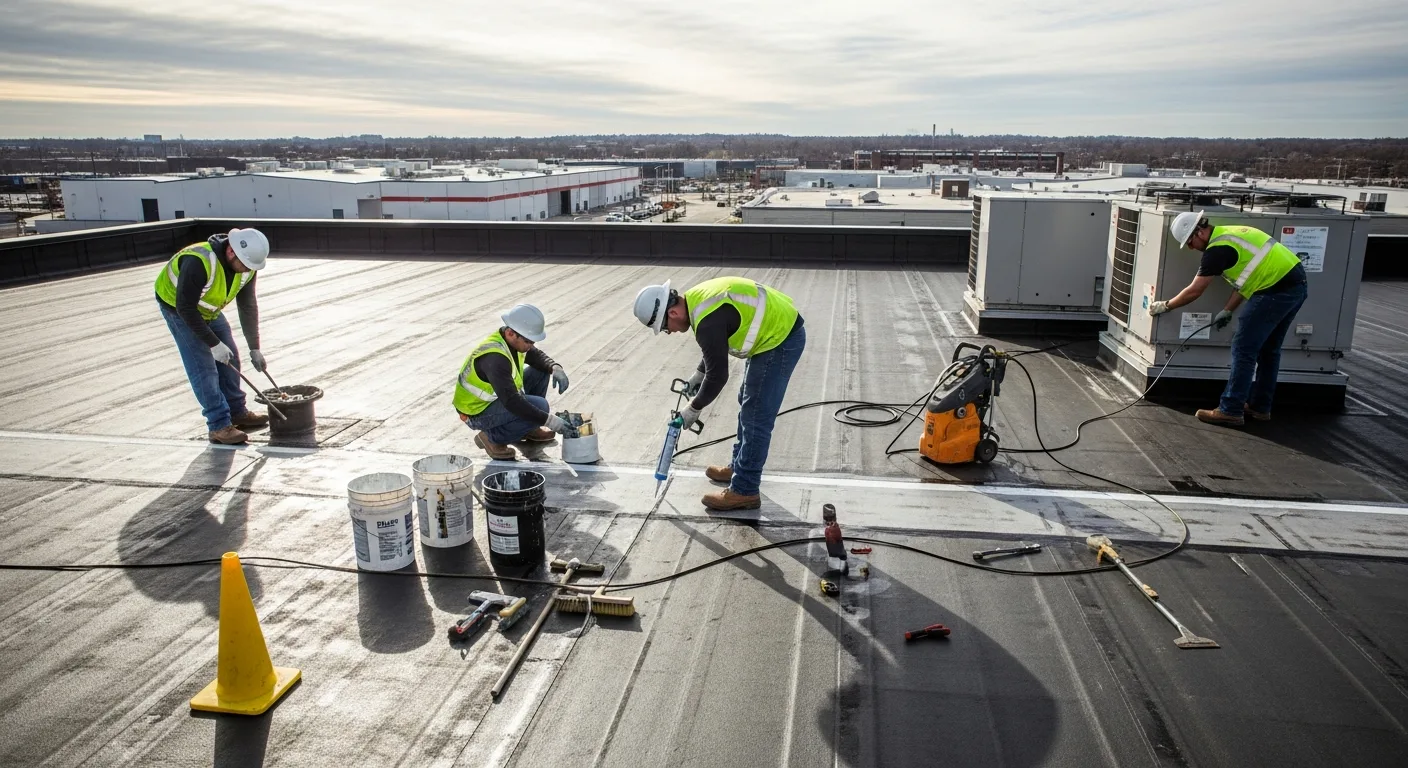
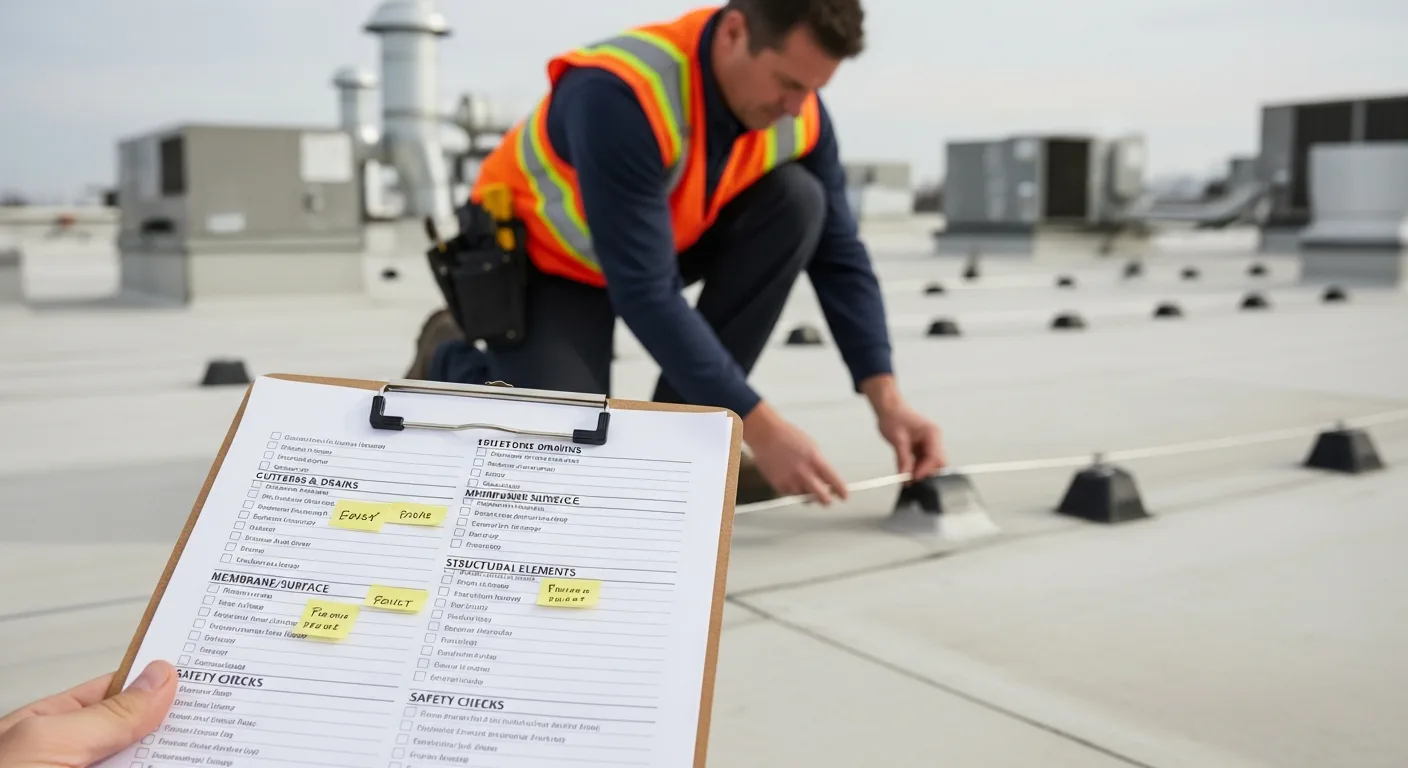
Comprehensive roof assessment involves systematic evaluation of existing conditions, building envelope performance, and system compatibility. Professional contractors conduct:
Moisture intrusion analysis using thermal imaging and core sampling to identify hidden damage that impacts system selection and pricing. Undetected moisture damage significantly increases project scope and costs, explaining price variations between contractors who perform thorough assessments versus those providing surface-level inspections.
Structural capacity evaluation determines whether existing framing can support upgraded systems with enhanced insulation and improved R-value performance. Structural modifications may be necessary for optimal system installation, particularly when upgrading from lightweight systems to premium membrane assemblies.
Code compliance review ensures all work meets current International Building Code requirements for wind resistance, fire safety, and energy efficiency. Recent code updates mandate enhanced fastening patterns and improved flashing details that increase installation costs but provide superior performance and insurance compliance.
Timeline expectations vary based on project complexity and weather conditions. Simple residential re-roofs typically require 2-5 days, while comprehensive commercial membrane installations may extend 2-4 weeks depending on building size and system complexity.
For properties with recent weather damage, visit our hail and wind damage repair page to understand how insurance requirements influence system selection and project timelines.
Why Choosing the Right Contractor Matters
Contractor selection directly impacts system performance, warranty validity, and long-term satisfaction. The Insurance Institute for Business & Home Safety research demonstrates that proper installation techniques are more critical than material selection for weather resistance performance.
Certification and training requirements ensure contractors understand manufacturer specifications and installation procedures. Certified contractors receive ongoing education about new products, techniques, and code requirements, maintaining expertise necessary for optimal system performance.
Insurance and bonding coverage protects property owners from liability and ensures project completion even if contractor issues arise. Legitimate roofing contractors carry comprehensive general liability insurance, workers' compensation coverage, and performance bonds for larger projects.
Local market knowledge enables contractors to recommend systems optimized for regional climate conditions and building code requirements. Texas Panhandle contractors understand hail patterns, wind exposure categories, and seasonal weather challenges that influence material selection and installation timing.
Established contractors with local references demonstrate consistent quality and customer satisfaction. They understand permit requirements, inspection procedures, and insurance claim processes specific to Texas regulations and local building departments.
Review our residential roof replacement section to learn more about our systematic approach to material selection and installation excellence.
Don't let price confusion delay critical roof protection decisions. Contact CRS Roofing & Construction today for a comprehensive evaluation that explains estimate variations and provides clear recommendations for your specific property needs. Our certified professionals deliver transparent pricing, detailed specifications, and manufacturer-backed warranties that ensure optimal performance in Texas Panhandle conditions. Schedule your professional assessment now to protect your investment and avoid costly delays that leave your property vulnerable to severe weather damage.
The Texas Panhandle's unique climatic challenges demand roofing systems that meet specific performance thresholds often overlooked in lower-cost estimates. National Severe Storms Laboratory data confirms that Amarillo experiences some of the nation's most severe hail events, with stones exceeding 2 inches in diameter occurring annually. This necessitates impact-resistant materials rated for UL 2218 Class 4 performance, which can increase material costs by 15-20% but provide exponentially better protection against catastrophic damage.
When evaluating competing estimates, property owners must scrutinize the specified wind uplift ratings against local code requirements. The International Building Code mandates specific wind load calculations for the Texas Panhandle's Design Wind Speed Zone of 115-120 mph, yet many low-cost proposals specify materials and attachment patterns insufficient for these loads. Premium membrane systems from manufacturers like Carlisle SynTec offer factory-mutual approved assemblies with uplift ratings exceeding 300 psf, while budget alternatives may provide only 90-120 psf resistance.
The thermal performance differential between estimates can dramatically impact long-term operating costs in Texas's extreme temperature swings. Department of Energy studies demonstrate that cool roof technologies can reduce surface temperatures by 50-60°F compared to conventional dark surfaces, translating to 10-15% cooling cost reductions. However, these Energy Star-rated reflective systems command premium pricing that budget contractors often exclude from their specifications.
Safety compliance represents another critical factor driving estimate variations. OSHA fall protection requirements mandate comprehensive safety systems for commercial roofing projects, yet contractors operating on minimal margins may compromise worker safety protocols to maintain artificially low pricing. NRCA best practices emphasize that legitimate roofing contractors factor full safety compliance costs into their estimates, including proper fall protection equipment, safety training, and insurance coverage—expenses that unqualified contractors systematically underestimate or ignore entirely.