Your commercial building's roof represents one of your largest capital investments, and in the harsh Texas Panhandle climate, choosing the wrong roofing contractor can lead to catastrophic failures, insurance claim denials, and tens of thousands in unexpected costs. With extreme temperature swings, severe hailstorms, and relentless UV exposure threatening your building envelope daily, the stakes of this decision couldn't be higher. Every day you delay addressing roofing issues or postpone hiring qualified professionals increases your risk of moisture intrusion, structural damage, and business interruption.
When Commercial Roofing Issues Require Professional Attention
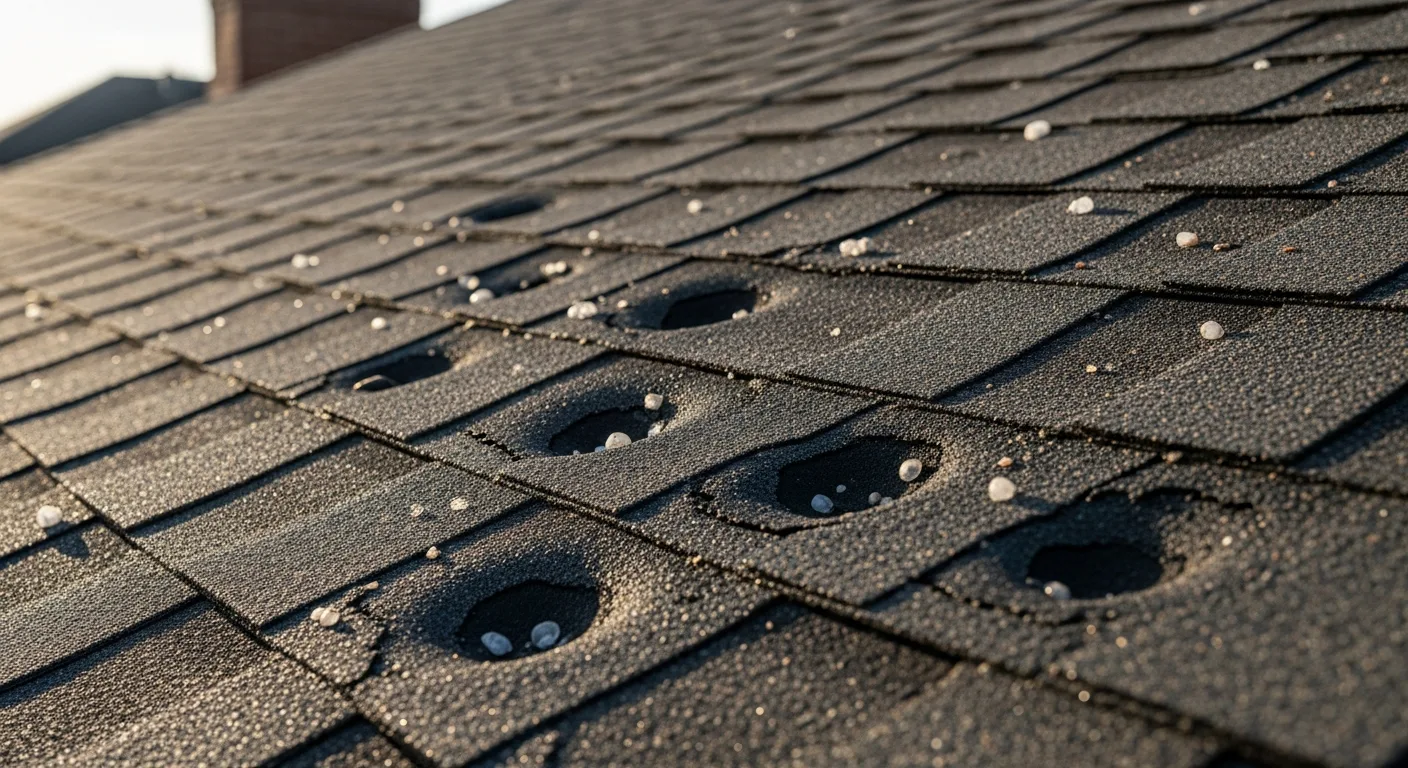
The Texas Panhandle's extreme weather conditions create unique challenges that demand immediate professional intervention. If you're experiencing membrane seam failures, ponding water after storms, interior leaks, or visible hail damage, waiting isn't an option. The region's dramatic temperature swings—from sub-zero winters to 100°+ summers—cause roofing materials to expand and contract repeatedly, accelerating deterioration.
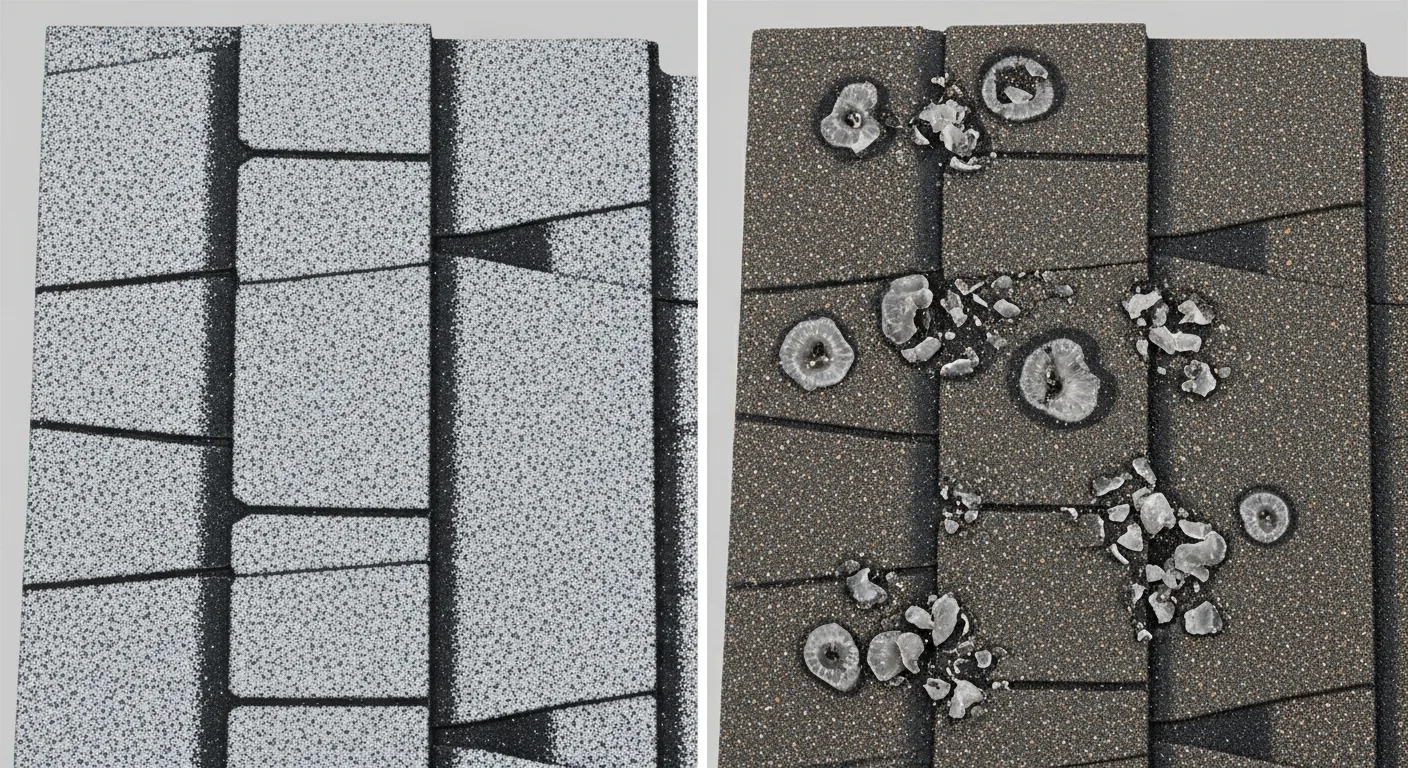
Professional attention becomes critical when you notice granule loss on modified bitumen systems, cracking in EPDM membranes, or loose fasteners on metal roofing. According to the National Roofing Contractors Association (NRCA), commercial roofs showing these symptoms require immediate evaluation to prevent catastrophic failure and protect your building's thermal performance.
The key indicators demanding professional assessment include compromised flashing around HVAC units, deteriorating caulk joints, and any signs of moisture intrusion. In Amarillo's climate, these issues escalate rapidly from minor maintenance items to major capital expenditures if left unaddressed.
Key Decision Factors for Commercial Roofing Projects
When evaluating repair versus replacement decisions, several critical factors determine the most cost-effective path forward. A comprehensive lifecycle cost analysis should consider the roof's age, extent of damage, energy efficiency implications, and long-term maintenance requirements.
For roofs approaching 15-20 years in the Texas Panhandle, replacement often provides superior ROI compared to extensive repairs. The region's intense UV radiation and frequent hail events significantly reduce membrane lifespan, making strategic replacement a sound financial decision. Consider these essential factors:
- Energy efficiency impact: Modern roofing systems offer superior thermal reflectivity and R-value improvements
- Insurance considerations: Updated roofing systems often qualify for premium reductions and improved coverage
- Code compliance: New installations must meet current energy codes and wind uplift requirements
- Business continuity: Planned replacement minimizes disruption compared to emergency repairs
Timeline considerations become crucial during peak weather seasons. Spring and fall represent optimal installation windows, avoiding summer's extreme heat and winter's unpredictable weather patterns. To see our commercial roofing services page for detailed project timelines and scheduling options.
Material and System Recommendations for Texas Panhandle Climate
The harsh Amarillo climate demands specific roofing materials engineered for extreme conditions. TPO and EPDM single-ply membranes perform exceptionally well in high-heat environments, offering superior thermal reflectivity and UV resistance. For buildings requiring enhanced durability, modified bitumen systems with granulated surfaces provide excellent hail resistance.
Metal roofing systems excel in the Texas Panhandle, offering unmatched wind uplift resistance and longevity. Standing seam configurations minimize maintenance requirements while providing superior thermal performance through reflective coatings. The Cool Roof Rating Council certifies products specifically for hot climates, ensuring optimal energy performance.
Critical system components include:
- Enhanced insulation systems: Minimum R-30 values recommended for energy efficiency
- Robust underlayment: Ice and water barriers essential for wind-driven rain protection
- Reinforced attachment methods: Exceeding minimum code requirements for wind uplift resistance
- Premium flashing systems: Stainless steel or copper components for longevity
Material selection should prioritize warranties exceeding 20 years, manufacturer-certified installation requirements, and proven performance in similar climate conditions.
What to Expect During the Commercial Roofing Process
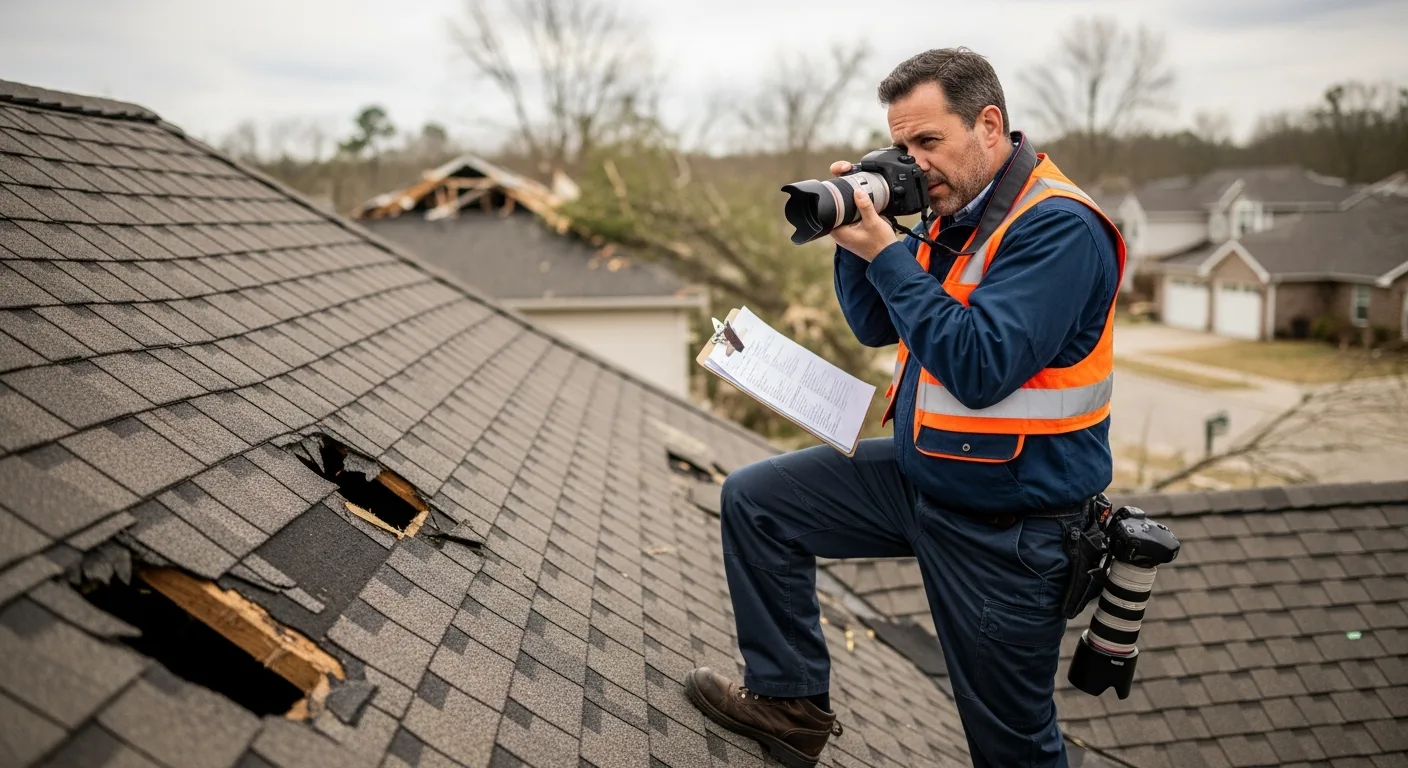
Professional commercial roofing projects follow a systematic approach ensuring quality outcomes and minimal business disruption. The process begins with comprehensive building envelope assessment, including infrared scanning for moisture detection and core samples for insulation evaluation.
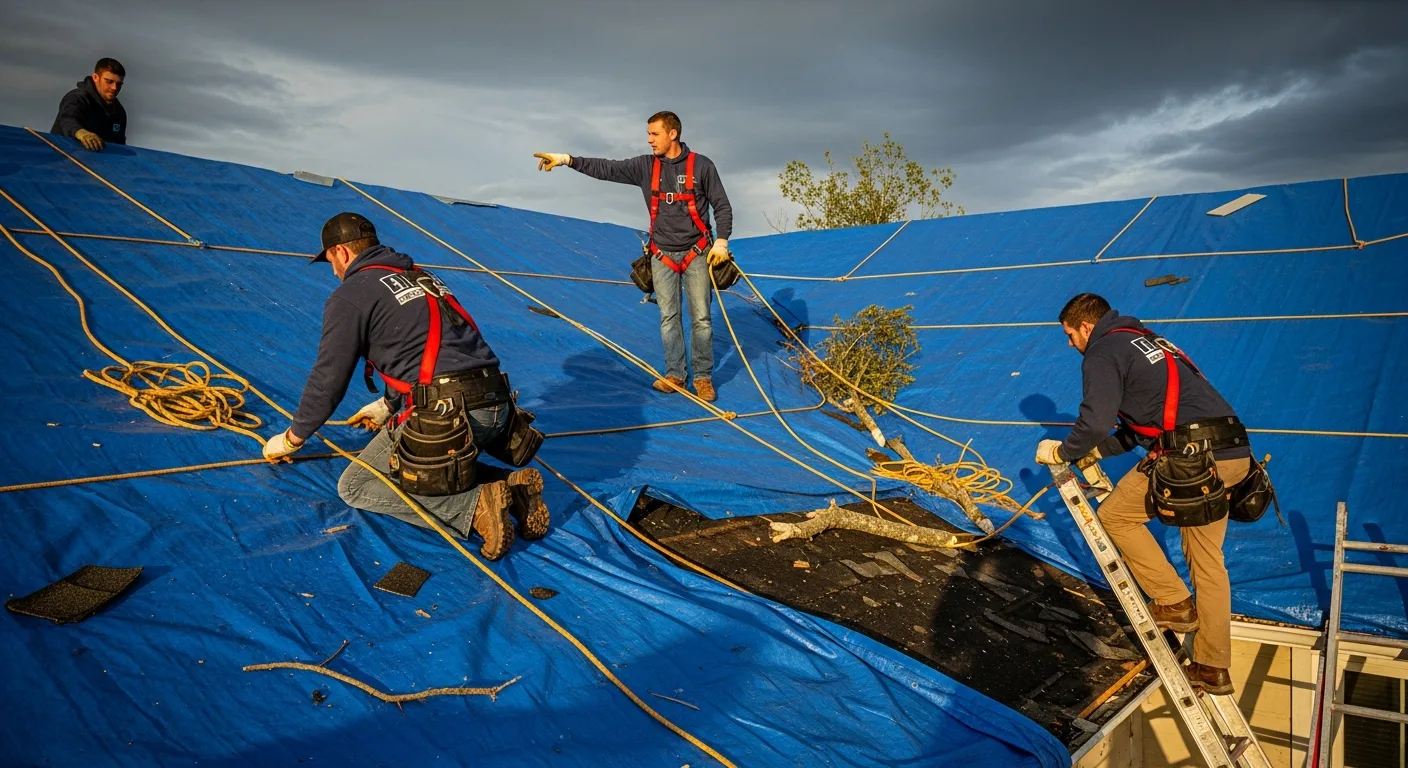
During the pre-construction phase, expect detailed project specifications, permit acquisition assistance, and coordination with building management for access requirements. Quality contractors provide comprehensive project timelines, weather contingency plans, and daily progress updates.
Installation phases typically include:
- Site preparation and protection: Establishing work zones and protecting building contents
- Systematic removal: Proper disposal of existing materials and substrate preparation
- Infrastructure upgrades: Deck repairs, insulation installation, and vapor barrier application
- Membrane installation: Following manufacturer specifications and quality control protocols
- Final inspection and warranty activation: Third-party verification and comprehensive documentation
Professional contractors maintain detailed photo documentation, provide material certifications, and coordinate final inspections with local authorities. Expect comprehensive warranty packages covering materials, labor, and system performance.
Why Choosing the Right Contractor Matters for Your Investment
The commercial roofing contractor you select directly impacts project outcomes, long-term performance, and total investment protection. In the Texas Panhandle's challenging climate, contractor expertise becomes even more critical for ensuring proper material selection, installation quality, and warranty validity.
Essential contractor qualifications include current licensing, comprehensive insurance coverage, manufacturer certifications, and proven local experience. The most qualified contractors maintain relationships with premium material suppliers, employ certified installation crews, and provide comprehensive warranty programs.
Key questions to ask potential contractors:
- What manufacturer certifications do you maintain? Look for Master Elite, Platinum, or equivalent designations
- How do you handle weather delays? Professional contractors have detailed contingency plans
- What warranty coverage do you provide? Comprehensive coverage should include materials, labor, and system performance
- Can you provide local commercial references? Verified project history demonstrates reliability
- How do you ensure code compliance? Professional contractors stay current with evolving requirements
The right contractor provides value beyond installation, offering preventive maintenance programs, emergency response services, and long-term performance monitoring. For industry-specific roofing solutions, experienced contractors understand unique requirements for different commercial applications.
Don't let another Texas Panhandle storm season threaten your business operations and investment. The commercial roofing decisions you make today directly impact your building's performance, energy costs, and long-term value for decades to come. CRS Roofing & Construction brings decades of specialized experience in commercial roofing systems, manufacturer certifications from industry leaders, and comprehensive warranty programs designed to protect your investment. Contact us today at (806) 584-3288 for a comprehensive roofing assessment and detailed project proposal. Your business deserves the protection that only comes from working with Amarillo's most trusted commercial roofing professionals—schedule your consultation now and secure your building's future.
In Amarillo's challenging climate, commercial roofing systems must withstand severe hailstorms that can produce stones exceeding 2 inches in diameter, wind speeds reaching 80+ mph during thunderstorms, and UV radiation levels that rank among the highest in the nation. These extreme conditions demand roofing materials and installation methods that exceed basic building code minimums. For instance, TPO membranes in the Texas Panhandle should meet enhanced puncture resistance standards and offer superior heat aging properties to withstand decades of thermal cycling between -10°F winter lows and 105°F summer highs.
When evaluating commercial roofing contractors, understanding local code requirements becomes critical for long-term performance and insurance compliance. The International Building Code (IBC) specifications for wind uplift resistance in Zone II areas like Amarillo require systems rated for wind speeds up to 120 mph, but experienced contractors often recommend exceeding these minimums given the region's severe weather history. Additionally, commercial property insurers increasingly require FM-approved roofing systems for coverage eligibility, making contractor familiarity with these standards essential for protecting your investment.
The financial implications of contractor selection extend beyond initial installation costs. Research from the Insurance Institute for Business & Home Safety demonstrates that properly installed commercial roofing systems can reduce storm damage claims by up to 95% compared to substandard installations. In Amarillo's hail-prone environment, this translates to substantial savings over a roof's lifecycle. Furthermore, energy efficiency considerations become paramount given the region's extreme summer temperatures, where cool roof technologies and proper insulation can reduce HVAC costs by 15-25% annually.
Safety compliance represents another critical evaluation criterion, as OSHA fall protection requirements and Texas-specific regulations demand rigorous adherence to prevent workplace accidents. Qualified contractors maintain current safety certifications, provide comprehensive worker training documentation, and implement job site safety protocols that exceed minimum regulatory requirements. The complexity of these compliance issues underscores why selecting an experienced, properly credentialed commercial roofing contractor isn't just about workmanship—it's about protecting your business from liability, ensuring insurance coverage validity, and maximizing long-term asset performance in one of the nation's most challenging climatic environments.