Total roof failure represents the complete structural and functional breakdown of your roofing system—a catastrophic event that demands immediate emergency response. In the harsh Texas Panhandle climate, where extreme temperature swings, devastating hail storms, and relentless UV exposure accelerate building envelope deterioration, understanding the warning signs of impending total failure can mean the difference between a manageable repair and a property disaster costing tens of thousands of dollars.
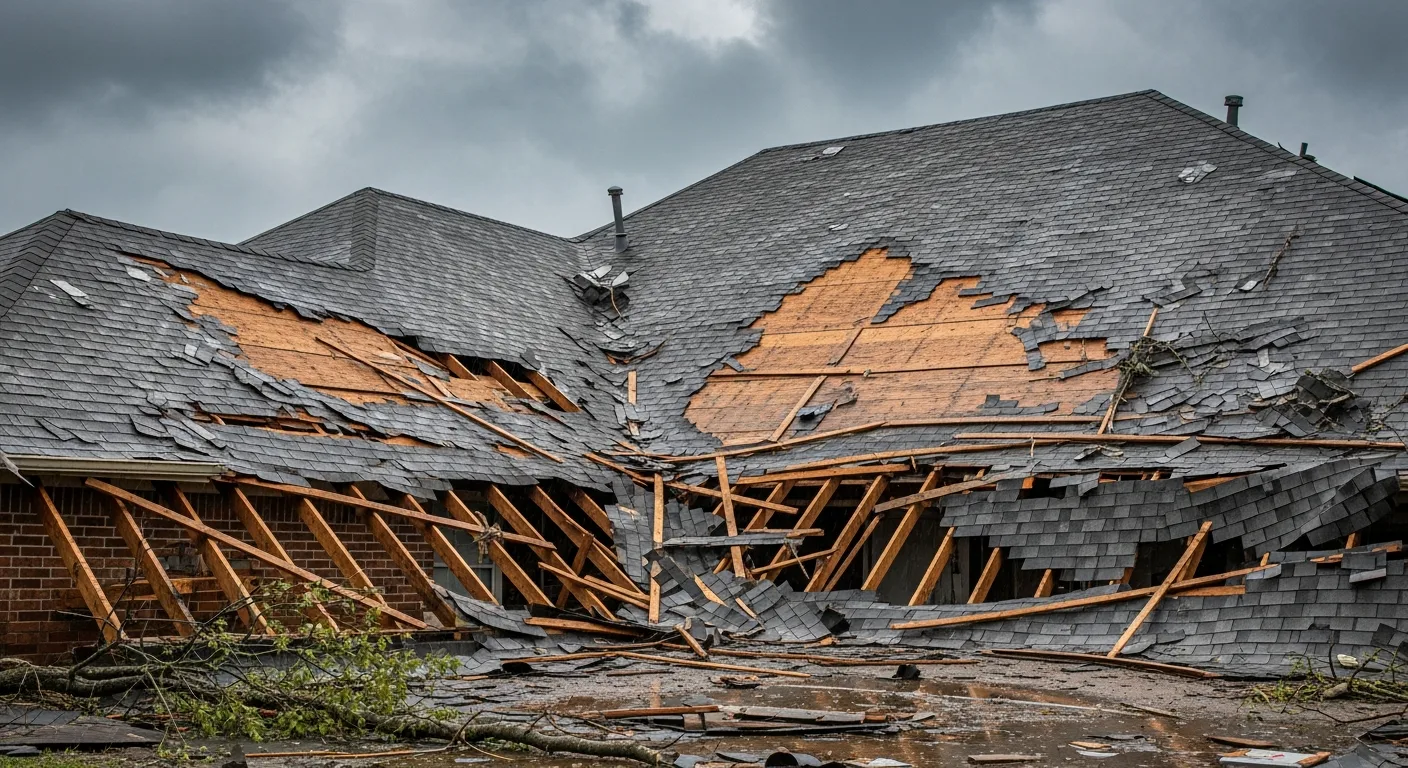
Unlike partial damage that affects isolated sections, total roof failure compromises the entire protective barrier of your building. This means widespread moisture intrusion, structural damage to decking and framing, potential mold growth, and complete loss of thermal performance. The consequences extend far beyond roofing—damaged inventory, equipment failure, business interruption, and safety hazards that put occupants at risk.
In Amarillo's challenging environment, where wind uplift forces can exceed 90 mph during severe weather events and hail stones regularly reach golf ball size, total roof failure often occurs suddenly after years of undetected deterioration. Property owners who delay professional assessment face exponentially higher costs as water damage spreads throughout the building structure.
When Total Roof Failure Requires Emergency Professional Attention
Total roof failure manifests through multiple simultaneous symptoms that indicate complete system compromise. Widespread water intrusion across multiple areas signals that the primary moisture barrier has failed catastrophically. Unlike isolated leaks, total failure creates numerous penetration points where water enters the building envelope uncontrolled.
Visible structural sagging or deflection indicates that roof decking has lost load-bearing capacity due to prolonged moisture exposure or sudden impact damage. This creates immediate safety hazards and requires emergency structural assessment to prevent potential collapse scenarios.
Complete membrane detachment on commercial flat roofs exposes the underlying substrate to direct weather exposure. Wind uplift forces during Texas Panhandle storms can peel away large sections of compromised roofing material, leaving buildings completely vulnerable.
Interior signs include widespread ceiling damage, electrical system exposure to moisture, and HVAC equipment failure due to water infiltration. These secondary effects often cost more to remediate than the original roofing replacement, making immediate professional intervention financially critical.
According to the National Roofing Contractors Association, total roof failure events require emergency weatherization within 24-48 hours to prevent cascading damage that can triple overall restoration costs.
Key Decision Factors: Emergency Response vs. Complete Replacement
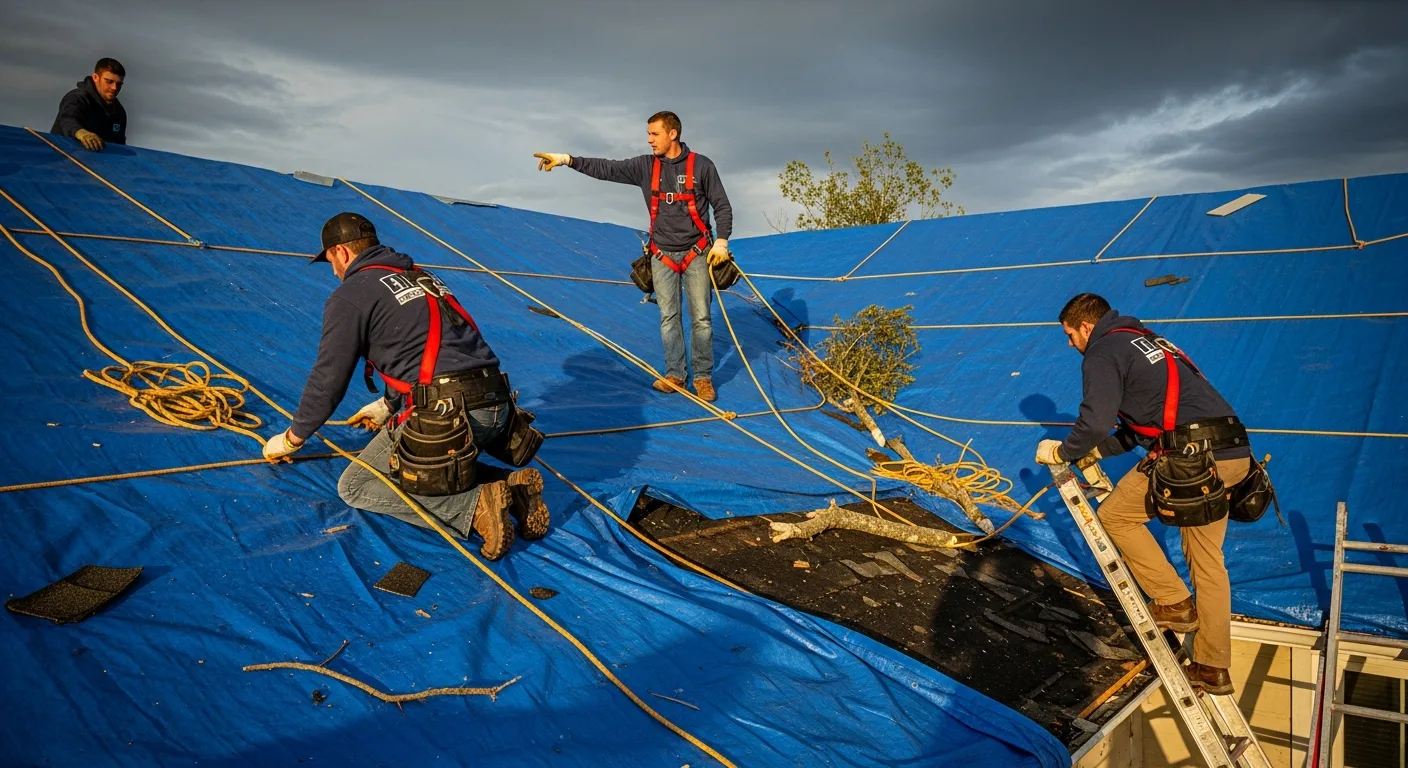
When facing total roof failure, property owners must make rapid decisions that balance immediate protection needs with long-term investment strategy. Emergency tarping and weatherization provides temporary protection but represents a short-term solution that typically lasts 30-90 days depending on weather conditions.
Complete roof replacement becomes the only viable long-term solution when failure affects more than 40% of the roof area or when structural components show signs of compromise. This option requires larger upfront investment but provides comprehensive protection and often qualifies for insurance coverage under catastrophic loss provisions.
Cost considerations must include lifecycle analysis that factors in energy efficiency improvements, potential insurance premium reductions, and avoided maintenance costs over the new system's lifespan. Modern roofing systems with enhanced thermal reflectivity can reduce cooling costs by 15-25% in the Texas Panhandle's extreme heat conditions.
Timeline factors become critical during Amarillo's severe weather season (March through June) when roofing contractors experience peak demand. Properties requiring emergency replacement during this period may face 4-8 week lead times, making immediate emergency protection essential.
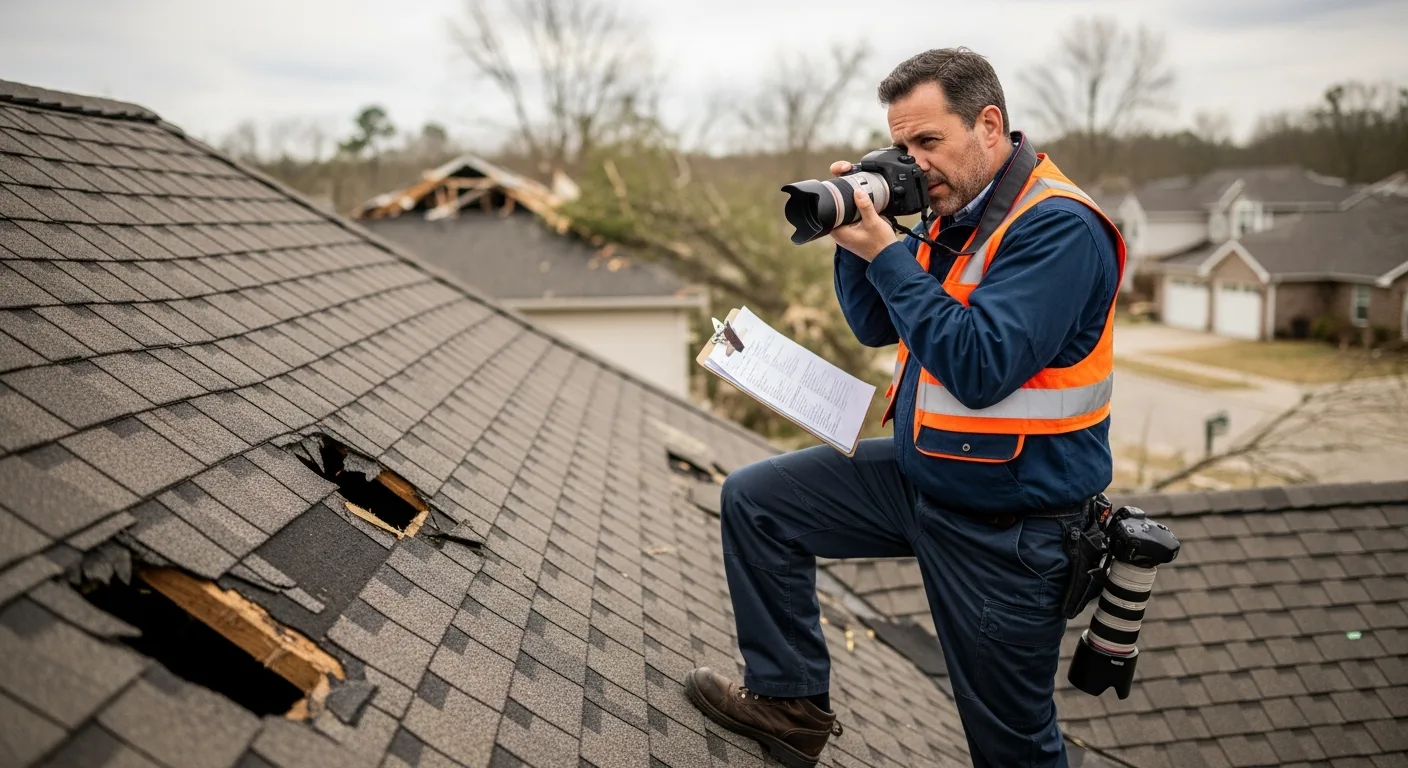
Insurance considerations often favor complete replacement over patching attempts when total failure occurs. Most policies require professional documentation of the failure extent and may provide additional coverage for temporary protective measures and expedited replacement timelines.
Material and System Recommendations for Texas Panhandle Conditions
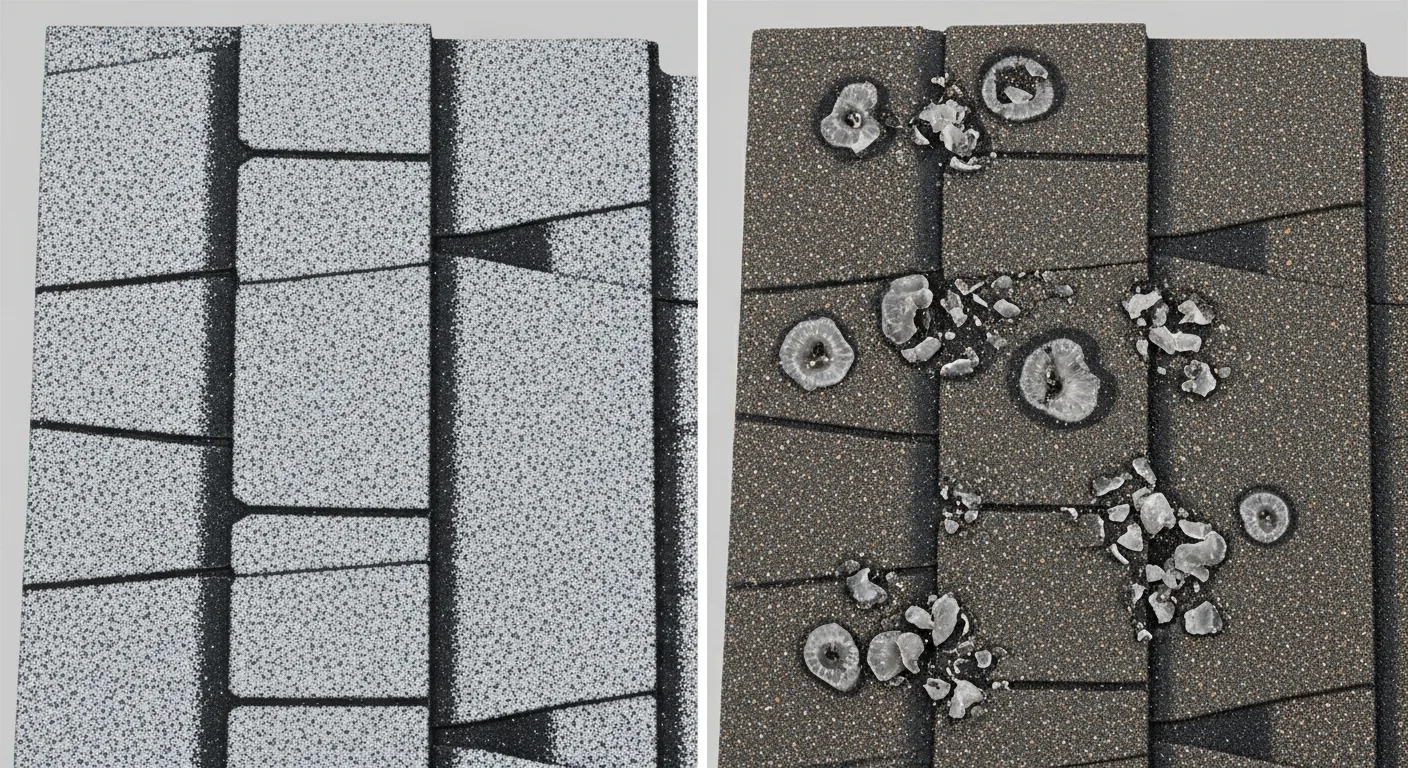
Replacing a totally failed roof system requires materials specifically engineered for Texas Panhandle environmental stresses. Impact-resistant shingle systems with Class 4 hail ratings provide essential protection against the region's severe hail events while maintaining aesthetic appeal for residential applications.
For commercial applications, modified bitumen or TPO membrane systems with enhanced puncture resistance and superior wind uplift ratings perform exceptionally well in high-wind environments. These systems feature reinforced membrane seams that resist the thermal cycling common in areas with extreme temperature variations.
Cool roof technology becomes particularly valuable in total replacement scenarios, as property owners can achieve Energy Star certification and qualify for utility rebates. Systems with high thermal reflectivity reduce surface temperatures by 50-80 degrees Fahrenheit, significantly extending membrane lifespan and reducing cooling loads.
Underlayment selection proves critical in total replacement projects. Premium synthetic underlayments with enhanced moisture resistance provide secondary protection during installation and long-term backup protection should primary roofing materials experience localized failure.
Ventilation system upgrades during total replacement prevent future moisture accumulation issues. Properly designed ridge and soffit ventilation systems reduce attic temperatures and moisture levels, preventing the conditions that contribute to premature system failure.
What to Expect During Emergency Roof Replacement
Emergency roof replacement following total failure requires coordinated response that prioritizes building protection while maintaining safety protocols. Initial assessment and weatherization typically occurs within 24 hours, involving temporary covering systems that protect interior spaces and allow for detailed damage evaluation.
Structural inspection determines the extent of decking and framing damage, which may require repair or replacement before new roofing installation. This phase often reveals additional damage not visible from exterior inspection, making contingency budget planning essential.
Material procurement for emergency replacements requires careful coordination to ensure availability during peak demand periods. Established contractors maintain relationships with multiple suppliers and can expedite delivery of essential materials when standard supply chains experience delays.
Installation proceeds in phases designed to maintain weather protection throughout the process. Critical areas receive priority treatment, with the entire building envelope restored to full protection status as quickly as possible while maintaining quality standards.
Quality control measures include daily progress inspections, material verification, and weather monitoring to ensure installation occurs during appropriate conditions. Documentation throughout the process supports warranty coverage and insurance claim requirements.
Why Choosing the Right Contractor Matters in Emergency Situations
Total roof failure emergencies expose property owners to significant financial and safety risks that make contractor selection critically important. Emergency response capability distinguishes professional contractors from companies that lack the resources to handle urgent situations effectively.
Established contractors maintain emergency equipment inventories, including tarping materials, safety equipment, and temporary weather protection systems. This preparation enables rapid response that prevents secondary damage while permanent repairs are planned and executed.
Insurance coordination experience becomes invaluable during total failure events, as contractors familiar with claim processes can provide documentation and support that maximizes coverage and speeds approval timelines. This expertise often saves property owners thousands of dollars in out-of-pocket costs.
Local knowledge of Texas Panhandle weather patterns and building code requirements ensures replacement systems meet or exceed current standards while addressing region-specific challenges. Contractors experienced in local conditions understand seasonal timing considerations and can plan installations to avoid weather-related delays.
Warranty backing and manufacturer certifications provide long-term protection that becomes especially important following total failure events. Premium contractors offer comprehensive warranty packages that cover both materials and workmanship, protecting property owners' significant investment.
For commercial properties, see our commercial roofing services page for specialized emergency response capabilities. Residential property owners can learn more on our residential roof replacement section about rapid response protocols.
Don't let total roof failure devastate your property investment. CRS Roofing & Construction provides 24/7 emergency response throughout the Texas Panhandle, with the equipment, expertise, and insurance coordination experience to protect your building and minimize total restoration costs. Contact us immediately for emergency assessment and weatherization services, or visit our service area pages to verify immediate availability in your location. When total failure strikes, every hour counts—call (XXX) XXX-XXXX now for immediate emergency response.
The Texas Panhandle's extreme climate conditions create a perfect storm for accelerated roof deterioration. According to NOAA's National Severe Storms Laboratory research, this region experiences some of the nation's most severe hailstorms, with documented impacts exceeding 4 inches in diameter. When combined with thermal cycling that can span 80+ degrees between winter lows and summer highs, roofing materials face extraordinary stress that can lead to catastrophic failure.
Professional assessment becomes critical when multiple failure indicators appear simultaneously. NRCA industry standards define total roof failure as occurring when the primary weather barrier loses more than 25% of its protective capacity across multiple zones. For commercial flat roofs common in Amarillo, this often manifests as widespread membrane splitting, complete attachment failure, or structural deck compromise that renders the entire system non-functional.
Wind uplift forces present particular challenges in the Texas Panhandle, where thunderstorm downdrafts and straight-line winds regularly exceed design parameters. IBHS Fortified construction standards recommend enhanced attachment schedules specifically for high-wind zones, as inadequate fastening represents the leading cause of total roof failure during severe weather events. When uplift forces overcome the structural connection between roofing materials and decking, the resulting damage typically affects the entire roof assembly rather than isolated sections.
Material selection plays a crucial role in preventing total failure. Impact-resistant shingles like TAMKO's Heritage series undergo rigorous testing to meet UL 2218 Class 4 standards, providing enhanced hail resistance critical for Amarillo properties. For commercial applications, reinforced membrane systems from Carlisle SynTec offer superior puncture resistance and thermal stability essential for managing the extreme temperature variations typical in this region.
Emergency response protocols must align with OSHA safety standards while addressing immediate structural threats. When total roof failure occurs, temporary weatherization becomes critical within the first 24-48 hours to prevent secondary water damage. Professional assessment should include structural evaluation of decking systems, as prolonged moisture exposure in Texas humidity can compromise load-bearing capacity and create unsafe conditions requiring immediate evacuation and remediation.