Homeowners in Tulia, Texas often wonder why their roofs seem to age faster than those in neighboring communities. The answer lies in a unique combination of geographical, climatic, and environmental factors that create particularly challenging conditions for asphalt shingles. Understanding these factors can help Tulia residents make informed decisions about roofing materials, maintenance schedules, and replacement timing to protect their homes and investments.
Tulia's Unique Geographic Position Creates Harsh Roofing Conditions
Tulia sits at an elevation of approximately 3,500 feet above sea level in the heart of the Texas High Plains, making it more exposed to extreme weather patterns than lower-elevation cities in the region. This elevated position subjects roofs to intense UV radiation, as the thinner atmosphere at higher altitudes provides less protection from harmful solar rays. According to the Department of Energy, UV exposure is one of the primary causes of shingle deterioration, breaking down the asphalt binders and causing granule loss over time.
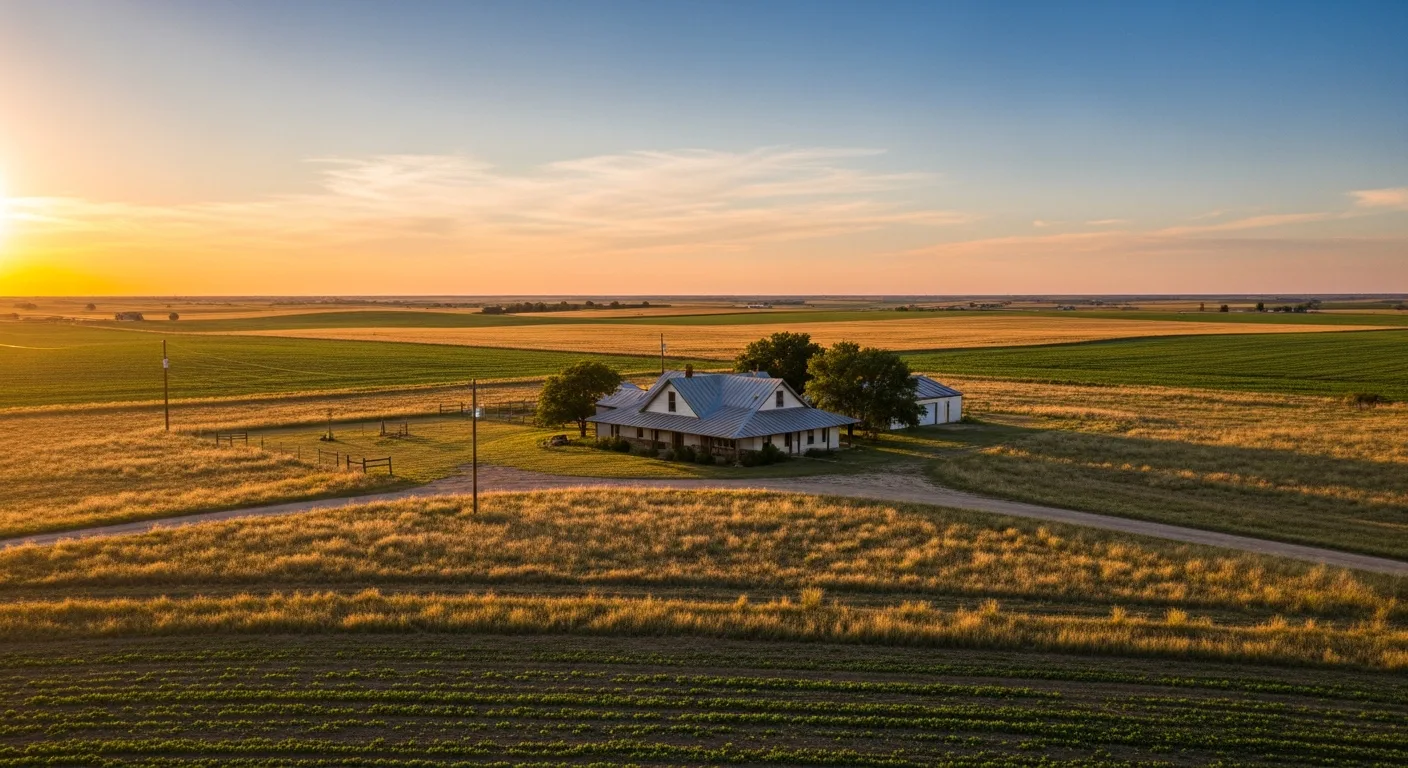
The High Plains location also means Tulia experiences more dramatic temperature swings than cities in more temperate zones. Daily temperature variations of 30-40 degrees Fahrenheit are common, causing roofing materials to expand and contract repeatedly. This thermal cycling puts tremendous stress on shingles, leading to cracking, curling, and premature failure. The flat, open terrain surrounding Tulia provides little natural windbreak protection, exposing homes to sustained high winds that can lift and damage shingles more readily than in areas with natural barriers.
Wind Patterns and Their Impact on Roof Longevity
The Texas High Plains are notorious for sustained winds and severe wind events. Tulia regularly experiences wind speeds exceeding 25 mph, with gusts frequently reaching 40-60 mph during storm systems. These consistent high winds create uplift forces on shingles that gradually weaken the seal strips and nails holding them in place. The Insurance Institute for Business & Home Safety research shows that repeated wind exposure, even at moderate speeds, can significantly reduce shingle lifespan through a process called "fatigue failure."
Extreme Temperature Variations Accelerate Aging
Tulia experiences some of the most dramatic temperature swings in Texas, with summer highs often exceeding 100°F and winter lows dropping below 0°F. This 100+ degree temperature range forces roofing materials through extreme thermal expansion and contraction cycles throughout the year. Asphalt shingles become brittle in cold temperatures and soft in extreme heat, making them vulnerable to damage from thermal stress.
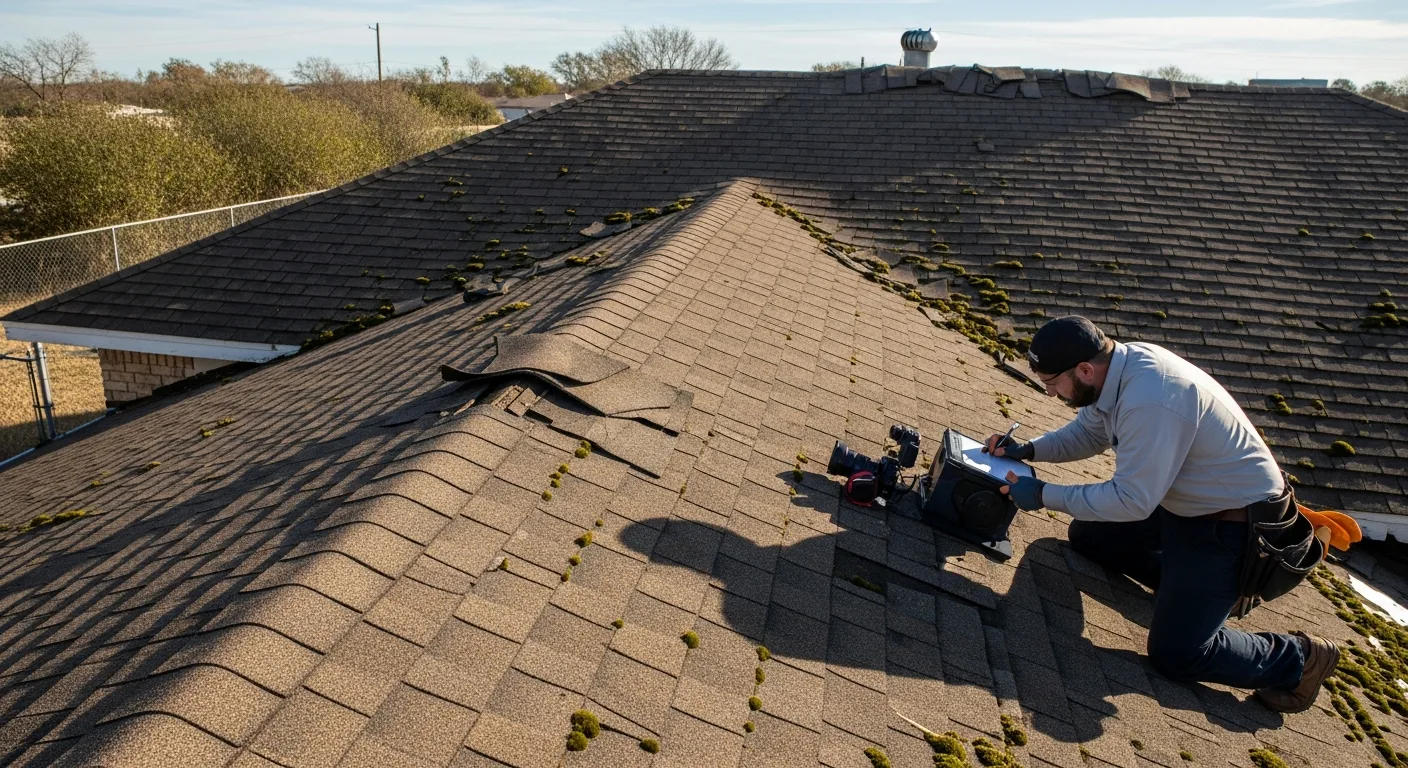
During summer months, roof surface temperatures in Tulia can reach 160°F or higher, causing asphalt to become pliable and granules to become loose. The intense heat also accelerates the oxidation process of asphalt binders, causing them to dry out and crack. Winter brings its own challenges, as rapid temperature drops can cause thermal shock, leading to shingle splitting and cracking. Professional roof inspection services become crucial for identifying thermal damage before it leads to leaks and structural issues.
Hail Frequency and Severity
The Texas Panhandle, including Tulia, sits in the heart of "Hail Alley," experiencing some of the most frequent and severe hailstorms in the United States. FEMA data shows that this region experiences significant hail events multiple times per year, with storms producing golf ball-sized or larger hail not uncommon. Even smaller hail can cause cumulative damage over time, creating micro-fractures in shingles that lead to premature aging and failure.
Hail damage isn't always immediately visible, making regular professional inspections essential. Impact damage can compromise the integrity of shingle granules, exposing the underlying asphalt mat to UV radiation and weather elements. This accelerated exposure significantly reduces the effective lifespan of roofing materials compared to areas with less frequent hail activity.
Agricultural Dust and Air Quality Factors
Tulia's location in an intensive agricultural region creates unique challenges for roof maintenance and longevity. Dust from farming operations, particularly during harvest seasons and drought periods, settles on roof surfaces and can retain moisture against shingles. This dust accumulation can trap heat and moisture, creating conditions that promote algae and mold growth, which can degrade shingle materials over time.
The frequent dust storms common to the High Plains also contribute to granule erosion through abrasive action. When combined with wind, airborne particles act like sandpaper against roof surfaces, gradually wearing away protective granules and exposing the underlying asphalt layer to UV damage and weather penetration.
Seasonal Weather Pattern Intensity
Tulia experiences more intense seasonal weather transitions than many surrounding areas due to its location at the convergence of multiple air masses. Spring brings severe thunderstorms with high winds, large hail, and dramatic temperature swings. Summer delivers prolonged periods of extreme heat and UV exposure. Fall often includes additional severe weather as storm systems move through the region, while winter can bring ice storms, heavy snow loads, and freeze-thaw cycles.
Each season presents specific challenges for roofing materials, and the intensity of these seasonal changes in Tulia means that shingles experience more stress cycles annually than in more moderate climates. The National Roofing Contractors Association emphasizes that cumulative weather exposure is a primary factor in determining roof lifespan, making Tulia's intense seasonal patterns particularly problematic for standard asphalt shingles.
Comparing Tulia to Surrounding Communities
When compared to nearby cities like Amarillo, Canyon, or Plainview, Tulia's roofs consistently show faster aging patterns. Amarillo, while experiencing similar weather patterns, benefits from more urban development that provides some wind protection and heat island effects that can moderate temperature extremes. Canyon's location in Palo Duro Canyon provides natural windbreaks that reduce constant wind exposure, while Plainview's slightly lower elevation results in marginally less intense UV exposure.
These geographical differences, while seemingly minor, compound over time to create measurable differences in roof performance. Homeowners in Tulia typically need to consider roof replacement 2-5 years earlier than residents of these neighboring communities, depending on the original shingle quality and maintenance history.
Mitigation Strategies for Tulia Homeowners
Understanding these challenges allows Tulia homeowners to take proactive steps to maximize their roof lifespan. Choosing high-quality shingles rated for extreme weather conditions is essential. Products from manufacturers like GAF or Owens Corning that offer enhanced wind resistance and UV protection can provide better performance in Tulia's challenging climate.
Regular maintenance becomes even more critical in Tulia than in more moderate climates. Professional inspections should be conducted at least annually, with additional checks after severe weather events. Prompt repair of minor damage prevents small issues from becoming major problems in the face of continued weather exposure.
Professional Tulia roofing services understand these local challenges and can recommend appropriate materials and maintenance schedules tailored to the area's unique conditions. Working with experienced local contractors ensures that installations and repairs are designed to withstand the specific environmental stresses that make Tulia roofs age faster than those in surrounding communities.
By understanding and preparing for these environmental challenges, Tulia homeowners can make informed decisions that protect their homes and extend their roof lifespan despite the area's demanding climate conditions.
The Texas Panhandle's extreme climate conditions require roofing materials that meet rigorous industry standards. ASTM International standards specify testing protocols for shingle durability, but Tulia's unique conditions often exceed these baseline requirements. The combination of intense UV radiation, frequent hail events, and sustained high winds creates a perfect storm for accelerated shingle deterioration that homeowners must address proactively.
Hail damage represents one of the most significant threats to Tulia roofs, with the area experiencing frequent severe weather events during spring and summer months. According to National Severe Storms Laboratory data, the Texas Panhandle sits within "Hail Alley," where storms regularly produce golf ball-sized hail and larger. Impact-resistant shingles rated Class 3 or Class 4 by UL 2218 standards provide superior protection, with manufacturers like TAMKO offering impact-resistant Heritage and Titan series specifically engineered for high-risk hail zones.
Wind uplift poses another critical challenge for Tulia homeowners, as the open plains geography channels wind speeds that regularly exceed 70 mph during severe weather events. The National Roofing Contractors Association emphasizes proper installation techniques and fastener patterns to achieve adequate wind resistance ratings. Shingles must meet ASTM D3161 Class F wind resistance standards, with enhanced nail patterns and specialized adhesives required in high-wind zones like the Texas Panhandle.
Temperature cycling in Tulia creates additional stress on roofing systems that many contractors underestimate. Daily temperature swings of 40+ degrees Fahrenheit cause repeated expansion and contraction cycles that weaken shingle mat integrity over time. Insurance Institute for Business & Home Safety research demonstrates how thermal cycling accelerates granule loss and reduces shingle flexibility, leading to cracking and premature failure. Polymer-modified shingles offer improved flexibility and thermal stability compared to traditional asphalt formulations.
Safety considerations become paramount when addressing Tulia's harsh roofing environment. OSHA fall protection standards require specific safety protocols for roof work, particularly important given the frequent maintenance and repair needs in this climate. Professional installation and regular inspections help identify potential issues before they compromise roof integrity, protecting both the structure and occupant safety while ensuring compliance with local building codes and insurance requirements.