Amarillo, Texas sits squarely in the heart of Tornado Alley, where extreme weather conditions create unique challenges for roofing systems. The combination of scorching summer heat, powerful winds, and devastating hailstorms makes Amarillo one of the most demanding environments for roofing materials in the United States. Understanding how these weather patterns affect your roof's lifespan is crucial for homeowners looking to protect their investment and maintain their property's structural integrity.
The Amarillo Climate Challenge: A Perfect Storm for Roofs
Amarillo's location on the Texas High Plains exposes homes to some of the most severe weather conditions in North America. The city experiences a semi-arid climate with extreme temperature fluctuations, high winds, and frequent severe thunderstorms. These conditions create a hostile environment for roofing materials, often reducing their expected lifespan by 20-30% compared to more temperate climates.
The National Weather Service data shows that Amarillo experiences an average of 35-40 days per year with winds exceeding 35 mph, and the city sits directly in the path of many supercell thunderstorms that produce large hail. This combination of factors makes professional Amarillo roofing services essential for maintaining and protecting local homes.
Extreme Heat: The Silent Roof Killer
Summer temperatures in Amarillo regularly soar above 90°F, with surface temperatures on dark-colored roofs often exceeding 150°F. This intense heat creates several problems for roofing systems that homeowners may not immediately recognize.
Thermal Expansion and Contraction
The dramatic temperature swings between day and night, particularly during spring and fall, cause roofing materials to expand and contract repeatedly. This constant movement creates stress on fasteners, joints, and seams. Over time, this thermal cycling leads to loose shingles, cracked sealants, and compromised flashing systems.
According to the Department of Energy, reflective roofing materials can reduce surface temperatures by up to 50°F, significantly extending roof lifespan in hot climates like Amarillo's. Light-colored or specially coated roofing materials help mitigate heat absorption and reduce thermal stress.
UV Degradation
Amarillo receives intense UV radiation year-round due to its high elevation and clear skies. Ultraviolet rays break down the chemical bonds in roofing materials, particularly asphalt shingles and rubber membranes. This degradation causes materials to become brittle, crack, and lose their protective granules prematurely.
Traditional asphalt shingles rated for 25-30 years in moderate climates may only last 15-20 years in Amarillo's intense UV environment. This shortened lifespan makes regular inspections and timely residential roof replacement crucial for maintaining home protection.
High Winds: Constant Pressure on Roofing Systems
Amarillo's position on the High Plains makes it one of the windiest cities in Texas, with sustained winds regularly exceeding 20 mph and frequent gusts over 60 mph during severe weather events. These persistent winds create unique challenges for roofing systems.
Wind Uplift and Edge Vulnerability
High winds create uplift forces that attempt to pull roofing materials away from the structure. The edges and corners of roofs are particularly vulnerable to wind damage, as these areas experience the highest uplift pressures. Inadequately fastened shingles, tiles, or metal panels can be torn away, exposing the underlying roof structure to water damage.
The National Roofing Contractors Association emphasizes that proper installation techniques and enhanced fastening schedules are essential in high-wind areas like Amarillo. Roofs should be designed to withstand sustained winds of at least 90 mph, with enhanced edge securement systems.
Debris Impact and Abrasion
Strong winds carry sand, dust, and debris that constantly abrade roofing surfaces. This sandblasting effect gradually wears away protective granules on shingles and can create microscopic damage that accelerates weathering. Additionally, windborne debris can cause immediate damage through impacts from tree branches, loose materials, or other projectiles.
Hailstorms: The Most Devastating Weather Threat
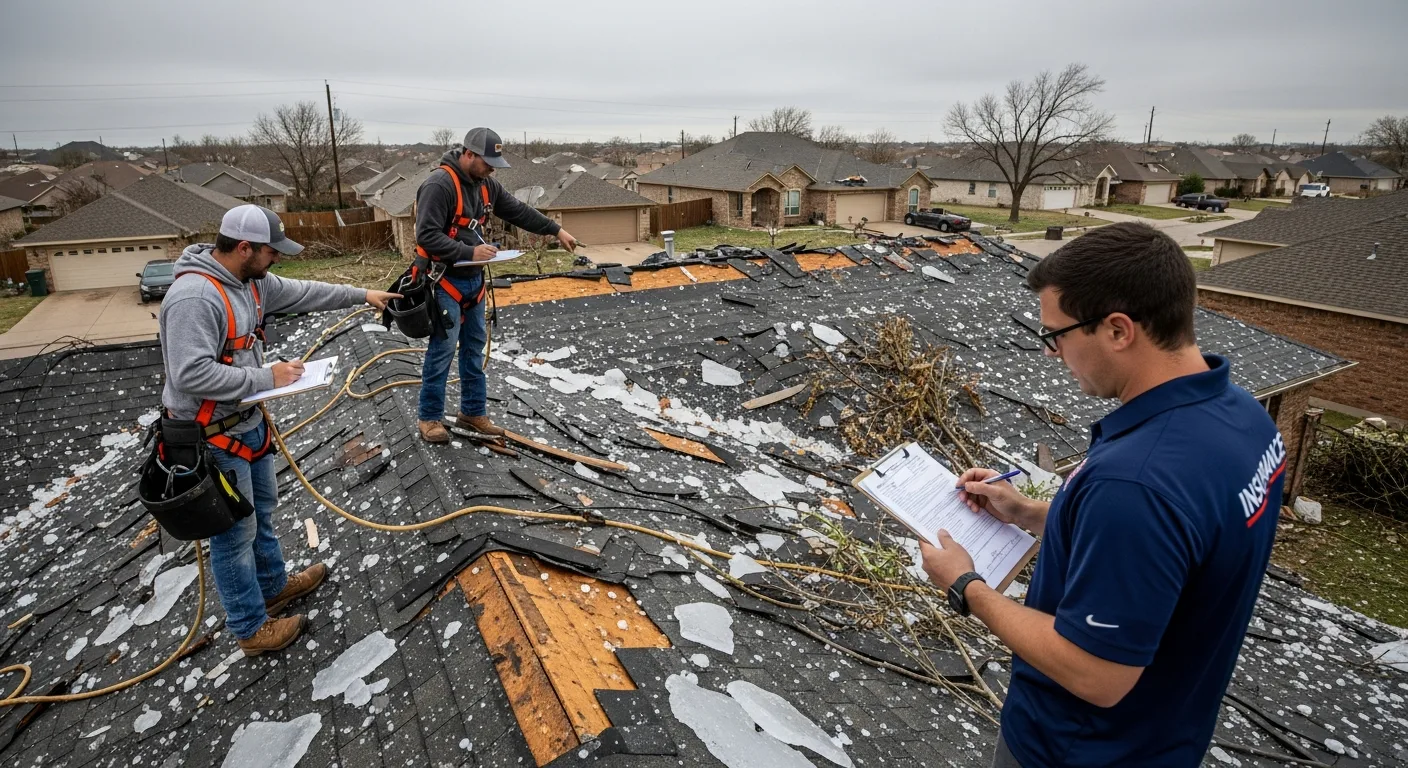
Amarillo sits in the heart of "Hail Alley," experiencing some of the most frequent and severe hailstorms in the United States. The city averages 7-9 hail events per year, with many producing hail larger than golf balls. These storms can cause catastrophic damage to roofing systems in minutes.
Impact Damage Patterns
Hailstones create different types of damage depending on their size, density, and impact angle. Small hail (pea to marble-sized) typically causes granule loss and surface bruising that accelerates aging. Larger hail (golf ball-sized and above) can crack, puncture, or completely destroy roofing materials.
The Insurance Institute for Business & Home Safety (IBHS) has conducted extensive testing on hail resistance, developing impact-rating systems that help homeowners select appropriate materials for high-risk areas like Amarillo. Class 4 impact-resistant shingles can withstand impacts from 2-inch diameter steel balls dropped from 20 feet, simulating severe hail conditions.
Hidden Damage and Long-term Effects
Hail damage isn't always immediately visible. Microscopic fractures, compromised sealants, and loosened fasteners may not become apparent for months or years after a storm. This hidden damage allows water infiltration that can lead to extensive structural problems, mold growth, and interior damage.
Professional hail and wind damage repair requires specialized knowledge to identify both obvious and subtle damage patterns. Trained inspectors can detect compromised areas that untrained eyes might miss, preventing future problems from developing.
Seasonal Weather Patterns and Cumulative Effects
Amarillo's weather follows predictable seasonal patterns that create cumulative stress on roofing systems. Spring brings the most severe weather, with frequent hailstorms and tornadoes. Summer delivers intense heat and UV exposure. Fall often brings early freezes that can damage water-logged materials. Winter adds ice dams and freeze-thaw cycles to the mix.
The Freeze-Thaw Cycle
Winter weather in Amarillo regularly fluctuates around the freezing point, creating ice dams and freeze-thaw cycles that can be particularly damaging to roofing systems. Water that penetrates small cracks or damaged areas expands when frozen, enlarging these openings and creating pathways for further water intrusion.
Maximizing Roof Lifespan in Amarillo's Climate
Despite the challenging weather conditions, homeowners can take several steps to maximize their roof's lifespan and performance. Selecting appropriate materials for the local climate is crucial. Impact-resistant shingles, enhanced fastening systems, and reflective coatings can significantly improve durability.
Regular maintenance and professional inspections are essential in Amarillo's harsh climate. The Federal Emergency Management Agency recommends annual roof inspections in severe weather areas, with additional inspections following major weather events.
Quality installation is perhaps the most critical factor in roof longevity. Proper fastening schedules, enhanced edge securement, and careful attention to flashing details can mean the difference between a roof that fails prematurely and one that provides decades of reliable protection.
Working with experienced local contractors who understand Amarillo's unique weather challenges ensures that your roofing system is designed, installed, and maintained to withstand the extreme conditions of the Texas High Plains. By taking a proactive approach to roof care and maintenance, Amarillo homeowners can protect their investment and ensure their families remain safe and comfortable regardless of what weather comes their way.
The National Severe Storms Laboratory has extensively documented the Texas Panhandle's unique position as a convergence zone for multiple weather systems, creating some of the most challenging conditions for roofing materials. The region's elevation of approximately 3,600 feet above sea level intensifies UV radiation exposure, while the lack of natural windbreaks across the High Plains allows storm systems to build tremendous momentum before impacting Amarillo structures.
Modern roofing materials must meet stringent ASTM testing standards to withstand these extreme conditions. For instance, impact-resistant shingles like TAMKO's Heritage IR series are specifically designed to meet UL 2218 Class 4 impact ratings, capable of withstanding steel ball impacts up to 2 inches in diameter – crucial for surviving Amarillo's frequent hailstorms that can produce stones exceeding golf ball size.
The Insurance Institute for Business & Home Safety (IBHS) research indicates that proper installation techniques become even more critical in high-wind environments like the Texas Panhandle. Their FORTIFIED standards require enhanced fastening patterns, with roofing systems needing to withstand uplift pressures of up to 110 mph – particularly relevant given Amarillo's documented wind events. Additionally, the extreme temperature cycling in this region, where summer roof surface temperatures can exceed 160°F while winter conditions drop below freezing, accelerates thermal expansion and contraction cycles that can compromise standard roofing materials within 10-12 years instead of the typical 15-20 year lifespan.
Local building codes in the Texas Panhandle have evolved to address these specific challenges, with many municipalities now requiring enhanced fastening schedules and impact-resistant materials in new construction. The National Roofing Contractors Association recommends that homeowners in this region consider upgrading to Class 4 impact-resistant materials even during routine maintenance, as the long-term protection against hail damage often results in insurance premium reductions that offset the initial investment within 5-7 years.