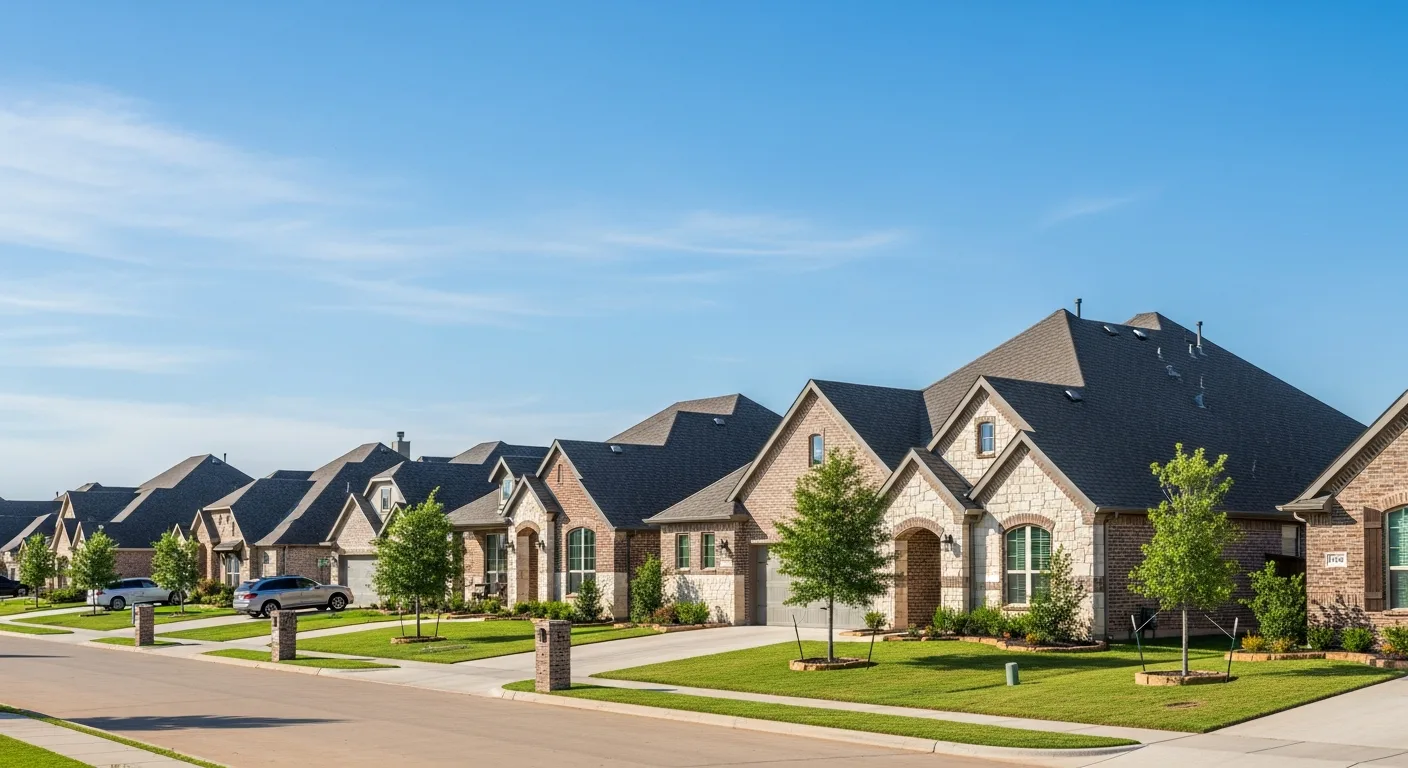
As professional roofers serving Hereford, Texas, we've witnessed firsthand how the unique weather patterns of the Texas Panhandle create distinct challenges for homeowners and commercial property owners. Understanding these storm damage patterns isn't just academic knowledge—it's essential information that can help you protect your investment and respond appropriately when severe weather strikes your property.
The Texas Panhandle Weather Challenge
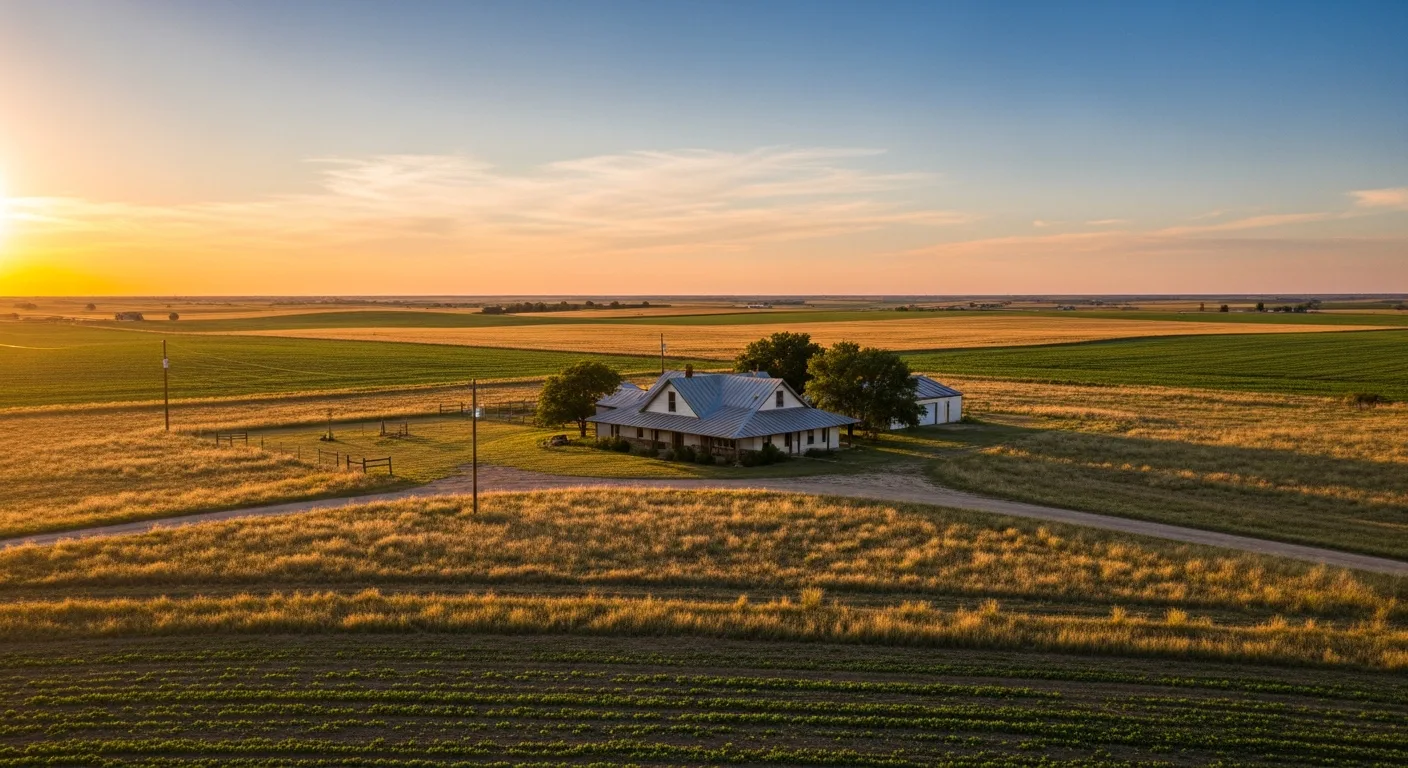
Hereford sits in one of the most meteorologically active regions in the United States. The convergence of dry air masses from the southwest and moist air from the Gulf of Mexico creates a perfect storm environment that produces some of the most severe weather phenomena in North America. This unique geographical position means that properties in Hereford face multiple types of storm-related roofing damage throughout the year.
The flat terrain of the Texas Panhandle offers little resistance to wind patterns, allowing storms to build intensity and maintain their power as they move across the landscape. According to the National Weather Service, this region experiences some of the highest frequencies of severe thunderstorms, large hail, and tornadoes in the country, making professional Hereford roofing services essential for maintaining property integrity.
Seasonal Storm Patterns and Their Impact
Spring and early summer represent the peak season for severe weather activity in Hereford. During this period, temperature differentials between air masses are most pronounced, leading to explosive storm development. These storms often produce large hail, straight-line winds exceeding 70 mph, and occasionally tornadoes. The rapid temperature changes can also cause significant thermal expansion and contraction of roofing materials, leading to stress fractures and premature aging of roof systems.
Late summer and early fall bring a different set of challenges, with intense heat creating thermal stress on roofing materials. The combination of UV radiation and extreme temperatures can cause asphalt shingles to become brittle and more susceptible to impact damage when storms do occur during this period.
Hail Damage: The Silent Destroyer
Hail represents one of the most significant threats to roofing systems in Hereford. The National Weather Service reports that Texas leads the nation in hail damage claims, with the Panhandle region being particularly vulnerable. Understanding hail damage patterns is crucial for property owners because this type of damage often goes unnoticed until secondary problems develop.
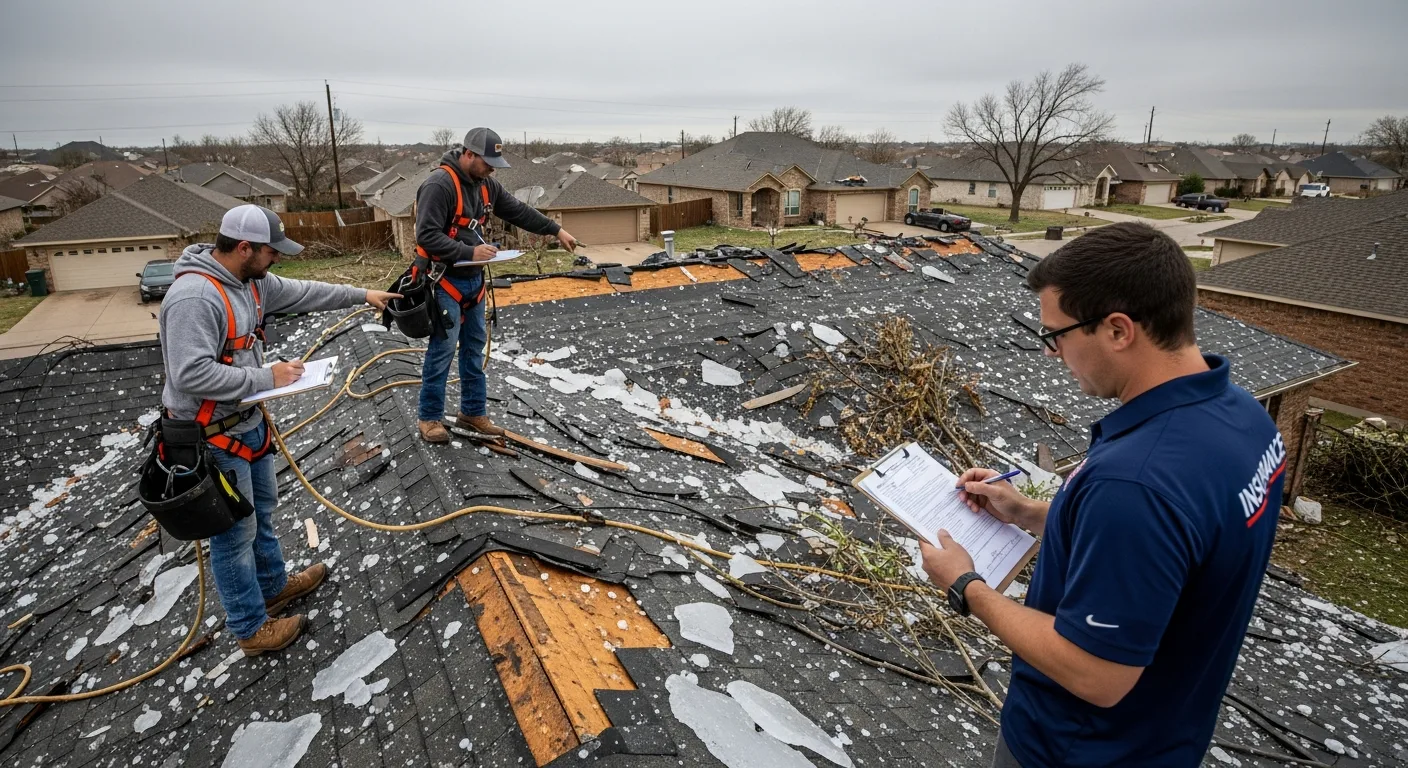
Hail damage typically manifests in several ways depending on the size and density of the hailstones. Small hail (less than one inch) may cause granule loss on asphalt shingles, exposing the underlying mat and accelerating weathering. Medium hail (one to two inches) can create impact marks that compromise the integrity of shingle seals and create potential leak points. Large hail (over two inches) can cause immediate punctures, cracks, and significant structural damage to roofing systems.
The Hidden Nature of Hail Damage
Many property owners fail to recognize hail damage because it doesn't always create immediate, visible leaks. Instead, hail damage often weakens the roofing system's ability to shed water effectively, leading to premature failure and unexpected leaks months or even years after the initial storm event. This delayed manifestation makes professional inspection crucial following any significant hail event.
The Insurance Institute for Business & Home Safety emphasizes that hail damage assessment requires trained professionals who understand how different roofing materials respond to impact forces and can identify subtle signs of damage that untrained eyes might miss.
Wind Damage Patterns and Vulnerabilities
Wind damage in Hereford often follows predictable patterns based on building orientation, roof design, and local topography. The prevailing winds from the southwest mean that south and west-facing roof sections typically experience the most severe uplift forces during storm events. This directional preference creates specific vulnerability patterns that experienced roofers can identify and address proactively.
Edge damage represents the most common wind-related roofing failure. The perimeter of roof systems experiences the highest uplift forces, making proper edge securement critical for overall system performance. Inadequate edge details, aging sealants, or improperly installed flashing can create failure points that allow wind to penetrate under roofing materials and cause progressive damage.
Understanding Uplift Forces
Wind uplift forces increase exponentially with wind speed, meaning that a storm with 80 mph winds doesn't just create twice the stress of a 40 mph wind event—it creates four times the stress. This exponential relationship explains why seemingly well-constructed roofs can fail suddenly during severe storm events. The Department of Energy provides guidelines for understanding these forces and their impact on different roofing systems.
Proper installation techniques and adequate fastening patterns are essential for resisting these uplift forces. Modern building codes have evolved to address these challenges, but many existing structures in Hereford were built to older standards that may not provide adequate wind resistance by today's standards.
Water Damage and Secondary Effects
While hail and wind damage often grab attention, water infiltration represents the most costly long-term consequence of storm damage. Even minor compromises to a roofing system's integrity can allow water penetration, leading to structural damage, mold growth, and interior property damage that far exceeds the cost of the original roofing repair.
Water damage patterns in Hereford are often complicated by the region's intense rainfall events. When severe thunderstorms produce heavy rainfall rates, even minor roof damage can result in significant water intrusion. The combination of wind-driven rain and compromised roofing systems creates perfect conditions for extensive water damage.
The Importance of Immediate Response
Time is critical when addressing storm damage. Water infiltration can begin causing secondary damage within 24-48 hours of the initial storm event, making rapid assessment and temporary repairs essential. Professional storm damage repair services can provide emergency measures to prevent further damage while comprehensive repairs are planned and executed.
Understanding insurance claim timelines is also crucial for property owners. Most insurance policies have specific notification requirements and time limits for filing claims. Working with experienced professionals who understand these requirements can help ensure that legitimate claims are properly documented and submitted within required timeframes.
Proactive Measures and Professional Assessment
The best defense against storm damage is a comprehensive understanding of your roof's condition before severe weather strikes. Regular professional inspections can identify vulnerabilities and address minor issues before they become major problems during storm events. The National Roofing Contractors Association recommends bi-annual inspections as a minimum standard for maintaining roof system integrity.
Property owners should also understand that different roofing materials respond differently to storm conditions. While no roofing system is completely storm-proof, some materials and installation techniques provide better resistance to specific types of storm damage common in the Hereford area.
Working with Insurance and Professionals
Navigating insurance claims after storm damage can be complex, but understanding the process and working with qualified professionals can significantly improve outcomes. Proper documentation, timely reporting, and professional assessment are all critical components of successful claim resolution. Our team provides comprehensive insurance claims help to ensure property owners receive fair treatment throughout the claims process.
When selecting roofing professionals, property owners should verify licensing, insurance coverage, and local experience. Understanding local weather patterns and building techniques is essential for providing effective storm damage assessment and repair services in the unique environment of Hereford, Texas.
The combination of severe weather frequency and unique geographical challenges makes professional roofing expertise essential for property owners in Hereford. By understanding these storm damage patterns and working with qualified professionals, property owners can better protect their investments and respond effectively when severe weather inevitably strikes the Texas Panhandle.
The extreme climate conditions of the Texas Panhandle demand roofing materials that can withstand severe weather events. According to NOAA's National Severe Storms Laboratory, this region experiences some of the largest hail stones in North America, with documented impacts exceeding baseball size. This necessitates impact-resistant roofing systems that meet or exceed UL 2218 Class 4 impact standards for optimal protection against hail damage.
For residential properties in Hereford, selecting appropriate shingle systems becomes critical. High-performance options like GAF's Timberline series with Advanced Protection technology or TAMKO's Heritage impact-resistant shingles provide superior hail resistance while maintaining wind ratings up to 130 mph. These specifications align with the International Building Code requirements for high-wind zones, as referenced by the International Code Council.
Commercial properties face additional challenges due to their typically larger roof areas and lower-slope designs. The Texas Panhandle's extreme temperature fluctuations—ranging from sub-zero winter conditions to summer temperatures exceeding 105°F—create significant thermal stress on membrane systems. Single-ply membranes like TPO and EPDM must be engineered to handle these thermal cycles while maintaining watertight integrity. Research from Oak Ridge National Laboratory indicates that reflective roofing systems can reduce surface temperatures by 50-80°F, significantly extending membrane life in hot climates like ours.
Safety considerations during storm damage assessment and repair cannot be overlooked. The National Roofing Contractors Association emphasizes the importance of professional evaluation following severe weather events, as hidden damage often exists beyond visible signs. Wind uplift forces in the Texas Panhandle regularly exceed 90 mph, requiring proper fastening patterns and edge securement systems that meet current building codes. Professional contractors ensure compliance with OSHA safety standards while providing thorough post-storm evaluations that protect both immediate safety and long-term structural integrity.