The Texas High Plains region, including Canyon, TX, experiences some of the most severe wind events in the United States, with sustained winds regularly exceeding 50 mph and gusts reaching over 80 mph during storm systems. These powerful wind events can cause extensive damage to residential and commercial roofing systems, making it crucial for property owners to understand the types of damage that can occur, how to identify problems, and the steps needed for proper restoration.
Understanding High Plains Wind Patterns and Their Impact on Roofing Systems
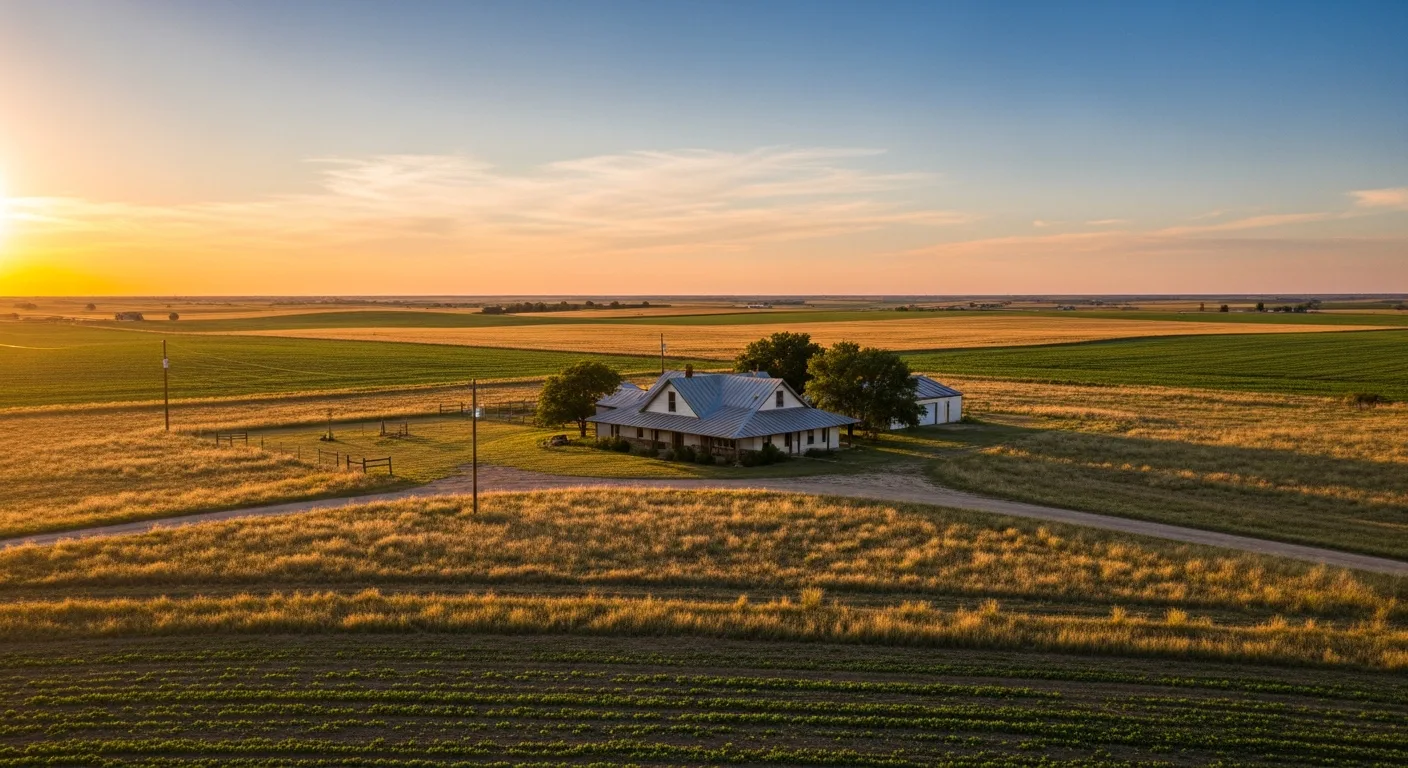
Canyon, Texas sits in a unique geographic position that makes it particularly susceptible to severe wind events. The flat terrain of the High Plains creates minimal wind resistance, allowing storm systems to maintain their intensity as they move across the region. During spring and summer months, the collision of warm, moist air from the Gulf of Mexico with cool, dry air from the north creates powerful storm systems that can produce sustained winds exceeding 60 mph.
These wind events don't just create immediate visible damage – they can also cause subtle structural compromises that may not become apparent until weeks or months later. The National Roofing Contractors Association emphasizes that even moderate wind speeds can lift shingles, compromise flashing, and create entry points for water infiltration.
The combination of high winds with temperature fluctuations common in the Texas Panhandle creates additional stress on roofing materials. Sudden temperature drops following wind events can cause materials to contract rapidly, potentially opening seams and creating vulnerability points that weren't present before the storm.
Common Types of Wind Damage to Expect After High Plains Storms
Shingle and Tile Displacement
One of the most immediate and visible forms of wind damage involves the displacement or complete removal of roofing materials. Asphalt shingles, which are common throughout Canyon, are particularly vulnerable to uplift when winds exceed 45 mph. The Department of Energy notes that proper installation and maintenance can significantly improve a roof's wind resistance, but even well-maintained roofs can suffer damage during severe High Plains wind events.
Wind damage to shingles often begins at the roof's edges and corners, where wind pressures are typically highest. Once a few shingles are compromised, the remaining materials become increasingly vulnerable as wind can get underneath the roofing system and create additional uplift forces.
Flashing and Sealant Failures
Wind events frequently compromise the flashing around chimneys, vents, skylights, and roof penetrations. These areas are already vulnerable points in any roofing system, and high winds can pull flashing away from its mounting points or cause sealants to fail. When flashing becomes compromised, water infiltration becomes almost inevitable during subsequent weather events.
Professional roof inspection services can identify these subtle compromises before they lead to more significant problems. Many Canyon homeowners don't realize that flashing damage has occurred until they notice water stains or other signs of interior water damage.
Gutters and Drainage System Damage
High Plains wind events frequently damage or completely destroy gutter systems. Gutters that are pulled away from the roofline not only lose their functionality but can also damage the roof edge and fascia boards as they're torn away. This type of damage requires immediate attention to prevent water from backing up under the roofing system during future precipitation events.
Identifying Hidden Wind Damage: What Canyon Property Owners Need to Know
While some wind damage is immediately obvious, much of the structural compromise caused by High Plains wind events isn't visible from the ground. The Federal Emergency Management Agency recommends professional inspection following any significant wind event, as hidden damage can lead to progressive failure of the roofing system.
Interior Warning Signs
Property owners should be alert to interior signs that may indicate roof compromise following wind events. Water stains on ceilings or walls, even small ones, often indicate that the roof's weather barrier has been compromised. Unusual sounds during subsequent wind events, such as flapping or rattling, may indicate loose materials that weren't properly secured during the original construction or were compromised during the storm.
Changes in energy efficiency can also signal roof damage. If heating or cooling costs increase noticeably following a wind event, it may indicate that the roof's insulation has been compromised or that air infiltration has increased due to structural damage.
Exterior Assessment Techniques
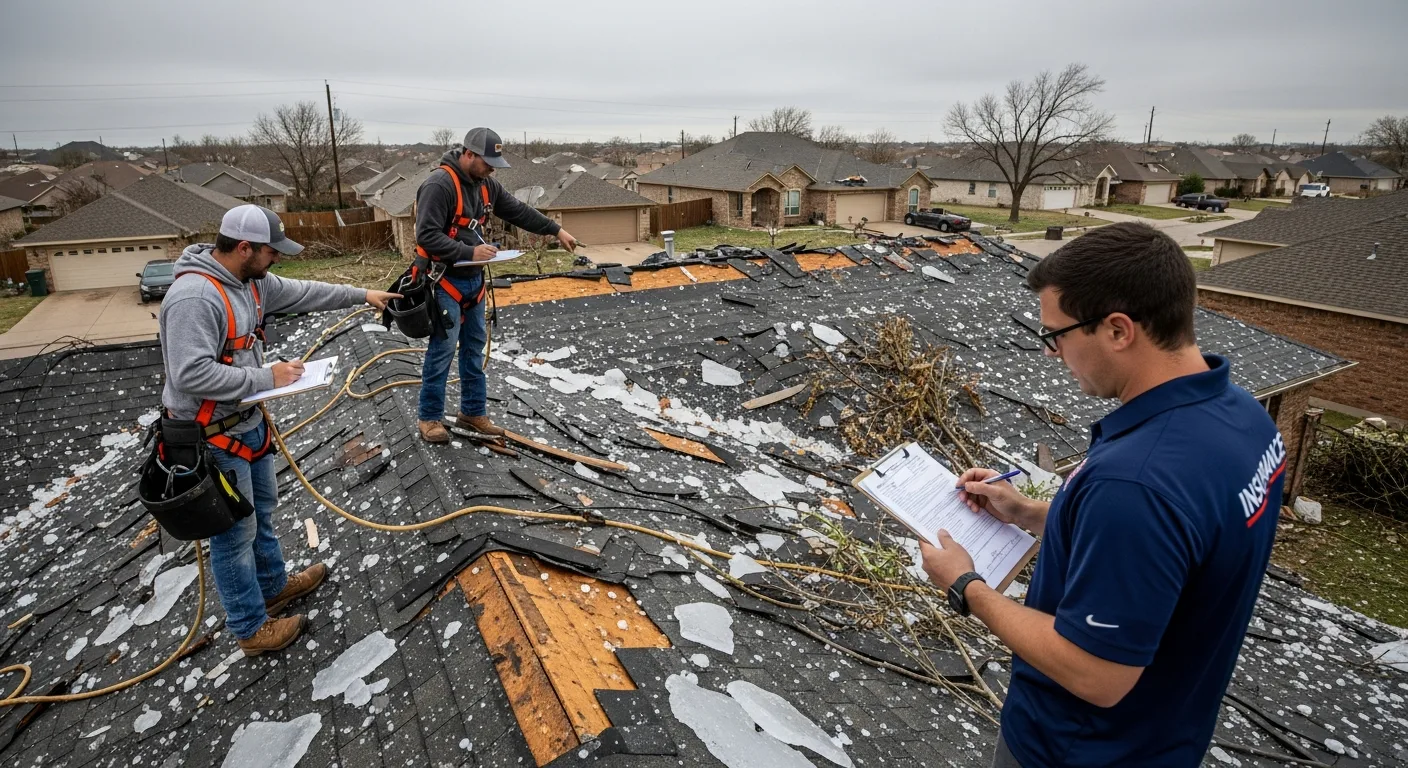
From ground level, property owners can look for obvious signs such as missing shingles, damaged gutters, or debris accumulation. However, the most significant damage often occurs on roof areas that aren't visible from the ground. Professional assessment using proper safety equipment and expertise is essential for identifying all wind-related damage.
Specialized wind damage repair services understand the specific patterns of damage common to High Plains wind events and can identify problems that might be missed during casual inspection.
The Science Behind Wind Resistance and Modern Roofing Materials
Understanding how different roofing materials perform during high wind events can help Canyon property owners make informed decisions about repairs and replacements. The Insurance Institute for Business & Home Safety has conducted extensive research on wind resistance, providing valuable data on material performance during severe weather events.
Modern impact-resistant shingles are designed to withstand higher wind speeds than traditional materials, but proper installation remains critical. Even the highest-rated materials will fail if not installed according to manufacturer specifications and local building codes.
Metal roofing systems generally provide superior wind resistance compared to traditional asphalt shingles, but they require specialized installation techniques and maintenance protocols. For Canyon property owners considering roof replacement following wind damage, understanding these material differences is crucial for long-term protection.
Professional Assessment and Documentation for Insurance Claims
Following High Plains wind events, proper documentation of damage is essential for successful insurance claims. Professional roofing contractors experienced with wind damage can provide detailed assessments that insurance adjusters require for claim processing. This documentation must be thorough and technically accurate to ensure that all necessary repairs are covered.
Comprehensive Canyon roofing services include not only repair and replacement work but also the detailed documentation and communication with insurance companies that ensure property owners receive appropriate compensation for storm-related damage.
The assessment process should include photographic documentation, detailed written reports, and recommendations for both immediate temporary repairs and comprehensive long-term solutions. This approach ensures that all damage is addressed and that the repaired roofing system will provide adequate protection against future High Plains wind events.
Prevention and Preparedness Strategies for Canyon Property Owners
While it's impossible to prevent all wind damage during severe High Plains storms, property owners can take steps to minimize vulnerability and ensure rapid recovery when damage does occur. Regular maintenance and inspection schedules can identify potential weak points before they become major problems during wind events.
Establishing relationships with qualified roofing professionals before storm events occur ensures that property owners have access to reliable service when repairs become necessary. During peak storm seasons, demand for roofing services often exceeds supply, making pre-existing relationships with reputable contractors valuable.
Understanding insurance coverage and maintaining current documentation of roof condition and recent improvements can streamline the claims process and ensure adequate compensation when wind damage occurs. Property owners should regularly photograph their roofs and maintain records of all maintenance and repair work.
The unique challenges presented by High Plains wind events require specialized knowledge and experience. Canyon property owners who understand these challenges and work with qualified professionals can minimize damage, ensure proper repairs, and maintain the long-term integrity of their roofing systems despite the harsh weather conditions common to the Texas High Plains region.
The Texas Panhandle's extreme weather conditions demand roofing materials specifically engineered for high wind resistance. According to the Insurance Institute for Business & Home Safety, shingles rated for Class H wind resistance can withstand winds up to 150 mph when properly installed. Premium manufacturers like GAF's Timberline HDZ shingles feature LayerLock technology that creates a mechanical bond between shingle layers, providing superior wind uplift resistance compared to traditional sealant-only systems.
Commercial roofing systems in Canyon face unique challenges from the region's dramatic temperature fluctuations, which can exceed 60°F in a single day during transitional seasons. Single-ply membrane systems like Carlisle's Sure-Weld TPO are engineered to handle thermal cycling while maintaining their wind uplift ratings. The National Roofing Contractors Association recommends that commercial buildings in High Plains regions install membrane systems with Factory Mutual (FM) 1-90 wind uplift ratings to withstand the severe weather conditions common to this area.
Post-storm safety protocols are critical when assessing wind damage. OSHA fall protection standards require that any roof inspection or repair work at heights above 6 feet must utilize proper safety equipment and trained personnel. Property owners should never attempt to assess damage themselves, as compromised roof structures may not be immediately visible and can create dangerous conditions. Professional inspectors use specialized equipment to detect subtle damage such as micro-fractures in shingles, loosened fasteners, and compromised flashing systems that could lead to water intrusion during future weather events.
The International Building Code (IBC) requires that roofing systems in Texas meet specific wind load requirements based on the region's design wind speeds. Canyon falls within a zone requiring systems to withstand design wind speeds of 115-120 mph, with safety factors built into these calculations. Understanding these code requirements helps property owners make informed decisions about roof replacement materials and installation methods that will provide long-term protection against the High Plains' challenging weather patterns.