As 2025 approaches, homeowners in Bushland, Texas face unique challenges when it comes to roof replacement due to the area's harsh weather conditions, including severe storms, hail damage, and extreme temperature fluctuations. Understanding the latest roofing technologies, materials, and local building requirements can help you make informed decisions that protect your investment and ensure your family's safety for decades to come.
Understanding Bushland's Climate Challenges for Roofing
Bushland's location in the Texas Panhandle exposes homes to some of the most severe weather conditions in the state. The area experiences frequent hailstorms, particularly during spring and early summer months, with hail sizes often exceeding golf ball dimensions. These conditions, combined with high winds reaching 60+ mph during severe thunderstorms, create significant stress on roofing systems.
The extreme temperature variations throughout the year also impact roofing materials. Summer temperatures can soar above 100°F, while winter temperatures may drop below freezing, creating expansion and contraction cycles that can weaken roofing materials over time. According to the Department of Energy's cool roof guidelines, selecting appropriate materials for these conditions is crucial for long-term performance.
Wind-driven rain is another concern, as strong winds can force water under shingles and into vulnerable areas. This makes proper installation techniques and high-quality underlayment systems essential components of any roof replacement project in the Bushland area.
2025 Roofing Material Innovations and Options
Impact-Resistant Shingles
Given Bushland's susceptibility to hail damage, impact-resistant shingles have become increasingly popular among local homeowners. These shingles undergo rigorous testing to meet UL 2218 Class 4 impact resistance standards, meaning they can withstand impacts from 2-inch steel balls dropped from 20 feet without cracking.
Leading manufacturers like GAF's Timberline HDZ RS shingles and Owens Corning's Duration STORM shingles offer enhanced protection while maintaining aesthetic appeal. These products often qualify for insurance discounts, making them cost-effective choices for Bushland homeowners.
Metal Roofing Solutions
Metal roofing continues to gain popularity in the Texas Panhandle due to its exceptional durability and energy efficiency. Standing seam metal roofs can withstand winds up to 140 mph and are virtually immune to hail damage when properly installed. The reflective properties of metal roofing also help reduce cooling costs during Bushland's hot summers.
Modern metal roofing systems offer improved aesthetics with options that mimic traditional shingles, slate, or tile while providing superior longevity. Most quality metal roofing systems come with warranties of 40-50 years, significantly longer than traditional asphalt shingles.
Synthetic Roofing Materials
Synthetic slate and cedar shake alternatives have emerged as viable options for homeowners seeking the appearance of premium materials without the associated maintenance requirements. These products resist impact damage, UV degradation, and extreme temperature fluctuations better than many natural materials.
Local Building Codes and Requirements in 2025
Bushland follows Potter County building codes, which have been updated to reflect lessons learned from recent severe weather events. Key requirements for roof replacement projects include:
Wind resistance standards now require roofing materials to meet or exceed 110 mph wind ratings, with enhanced fastening patterns for shingles and improved edge securement systems. The National Roofing Contractors Association (NRCA) guidelines provide detailed specifications for these requirements.
Ice dam prevention measures are mandatory, despite the relatively mild winter conditions. This includes proper ventilation systems and adequate insulation to prevent ice formation during occasional freezing events.
Fire resistance ratings have become more stringent, with Class A fire-rated materials now preferred for new installations. This is particularly important given the dry conditions that can prevail in the Texas Panhandle.
Energy Efficiency Considerations for 2025
With rising energy costs and increased environmental awareness, energy-efficient roofing options are becoming standard rather than optional. Cool roofing technologies can reduce cooling costs by 15-25% during Bushland's hot summers.
Solar-ready roof systems are gaining popularity, with homeowners preparing for future solar panel installations during the roof replacement process. This includes ensuring proper structural support and incorporating appropriate mounting points during initial installation.
Proper attic ventilation systems are crucial in Bushland's climate. Ridge vents combined with soffit vents create effective air circulation that reduces heat buildup and moisture accumulation. The Department of Energy recommends specific ventilation ratios based on attic square footage.
Insurance and Storm Damage Considerations
Bushland homeowners must navigate complex insurance claim processes following storm damage. Understanding your policy's coverage limits, deductible structures, and claim procedures before damage occurs can streamline the replacement process.
Many insurance companies now offer discounts for impact-resistant roofing materials and enhanced wind resistance features. The Insurance Institute for Business & Home Safety (IBHS) FORTIFIED standards provide guidelines that can qualify homes for additional premium reductions.
Documentation is crucial for successful insurance claims. Maintaining detailed records of your roof's age, materials, and any previous repairs or improvements can expedite claim processing and ensure appropriate coverage.
Working with Insurance Adjusters
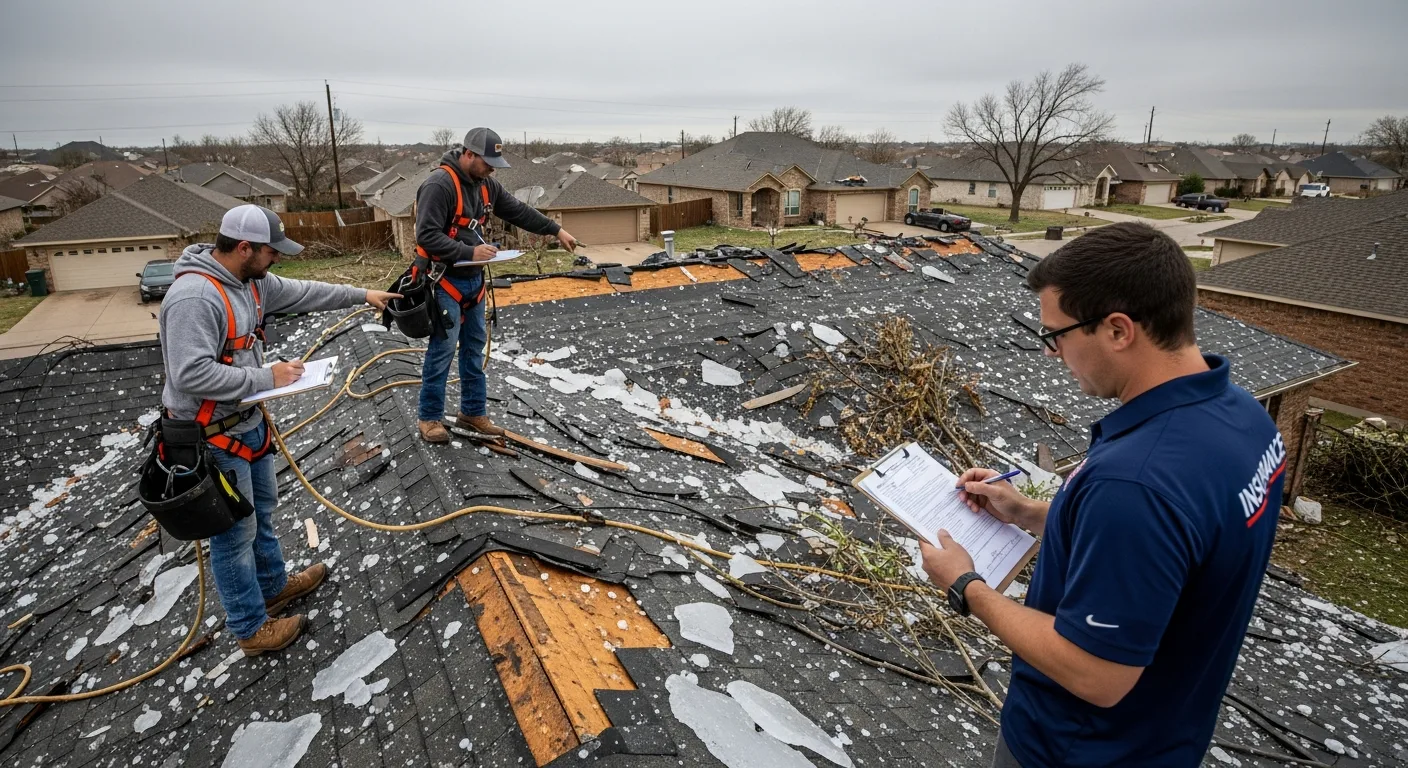
When storm damage occurs, having a qualified local roofing contractor assess the damage alongside the insurance adjuster ensures accurate damage evaluation. Professional contractors familiar with local weather patterns and common damage types can identify issues that might otherwise be overlooked.
Our Bushland roofing services include comprehensive storm damage assessments and insurance claim support to help homeowners navigate this complex process effectively.
Choosing the Right Roofing Contractor in Bushland
Selecting a qualified contractor is perhaps the most critical decision in your roof replacement project. Local contractors familiar with Bushland's specific weather challenges and building requirements offer significant advantages over out-of-area companies.
Verify licensing, insurance coverage, and local references before making your selection. Contractors should carry both general liability and workers' compensation insurance, with coverage limits appropriate for your project size.
Look for contractors who offer comprehensive warranties covering both materials and workmanship. Quality contractors stand behind their work and maintain relationships with local suppliers for ongoing support.
For homeowners considering residential roof replacement, obtaining multiple detailed estimates helps ensure fair pricing and comprehensive project scope understanding. Each estimate should include material specifications, labor details, timeline expectations, and cleanup procedures.
Planning Your 2025 Roof Replacement Project
Timing your roof replacement project strategically can impact both cost and convenience. Spring and fall typically offer the most favorable weather conditions for installation, though quality contractors maintain year-round installation capabilities.
Budget considerations should include not only the immediate replacement costs but also potential energy savings, insurance premium adjustments, and long-term maintenance requirements. Higher-quality materials often provide better value through extended service life and reduced maintenance needs.
Consider future home improvement plans when selecting roofing materials and colors. A quality roof replacement should complement your home's architectural style while providing decades of reliable protection.
Ready to begin your roof replacement project? Contact our experienced team for a detailed assessment and free estimate. We'll evaluate your specific needs, explain available options, and provide transparent pricing for your Bushland home's roofing requirements.
With proper planning, quality materials, and professional installation, your new roof will provide reliable protection against Bushland's challenging weather conditions while enhancing your home's value and curb appeal for years to come.
The Texas Panhandle's severe weather patterns demand roofing materials that meet rigorous impact and wind resistance standards. For Bushland homeowners, selecting shingles with Class 4 impact ratings from manufacturers like GAF is essential for surviving the region's frequent hailstorms. These impact-resistant shingles undergo extensive testing to withstand impacts from steel balls dropped at specific velocities, simulating hail damage scenarios common in this region.
Wind uplift resistance becomes equally critical, as the flat topography of the Texas Panhandle allows winds to build tremendous force. The Insurance Institute for Business & Home Safety (IBHS) FORTIFIED standards recommend enhanced fastening patterns and sealed deck systems for homes in high-wind areas like Bushland. Proper installation requires six nails per shingle rather than the standard four, with specific placement patterns to maximize holding power during severe weather events.
Energy efficiency considerations take on added importance given the extreme temperature swings characteristic of the Texas Panhandle. Cool roof technologies rated by the Cool Roof Rating Council can reduce surface temperatures by 50-60°F compared to traditional dark-colored materials. This temperature reduction not only extends material lifespan by minimizing thermal cycling stress but also significantly reduces cooling costs during the brutal summer months when temperatures regularly exceed 100°F.
Local building code compliance in Potter County requires adherence to specific wind zone requirements, typically Zone III specifications with design wind speeds of 120-130 mph. International Code Council standards mandate proper underlayment installation, with ice and water shield requirements extending beyond typical northern climate applications. The combination of high winds and temperature extremes necessitates synthetic underlayments that maintain flexibility across the wide temperature range experienced in this region.
Safety considerations during installation become paramount due to the exposed nature of most Bushland properties. National Severe Storms Laboratory data shows that the Texas Panhandle experiences some of the highest frequencies of severe thunderstorms in the nation, often developing rapidly. Professional installation teams must monitor weather conditions closely and implement enhanced safety protocols, including proper fall protection systems and weather monitoring equipment to ensure worker safety during the replacement process.