Traditional leak detection methods often require waiting until water damage becomes visible—stains on ceilings, peeling paint, or structural deterioration. By then, moisture intrusion may have already compromised your building envelope, insulation, and structural components. Advanced thermal imaging and moisture scanning technologies revolutionize roof leak detection by identifying problems early, saving property owners thousands in repair costs and preventing extensive damage to their roof system.
What Thermal Imaging and Moisture Scanning Mean for Modern Leak Detection
Thermal imaging, also known as infrared thermography, uses specialized cameras to detect temperature variations across your roof surface and interior ceiling areas. These temperature differences often indicate moisture presence, insulation gaps, or air infiltration points that compromise your building's thermal performance and structural integrity.
Moisture scanning employs electronic sensors and meters to measure moisture content in roofing materials, insulation, and structural components. Unlike visual inspections that only reveal advanced water damage, these technologies detect moisture intrusion in its earliest stages, often before any visible signs appear.
For commercial buildings with membrane systems like TPO, EPDM, or PVC roofing, these detection methods prove especially valuable. Large roof areas make visual leak identification challenging, while moisture can travel significant distances from the actual penetration point before causing noticeable damage.
The Science Behind Temperature-Based Detection
Water and moisture absorb and retain heat differently than dry roofing materials. During thermal imaging inspections, wet areas typically appear cooler during daytime scans when the sun heats dry surfaces more rapidly. Conversely, evening scans may show wet areas as warmer because moisture releases stored heat more slowly than dry materials.
This thermal differential allows trained professionals to map moisture patterns across your entire roof system, identifying not just active leaks but also areas where moisture has accumulated over time. The National Roofing Contractors Association emphasizes that early moisture detection significantly extends roof system lifespan and prevents costly emergency repairs.
Key Factors That Make These Technologies Effective
Several environmental and technical factors influence the accuracy and effectiveness of thermal imaging and moisture scanning for leak detection:
Weather Conditions and Timing
Optimal thermal imaging requires specific weather conditions. Clear skies with minimal wind provide the most accurate readings, as cloud cover and air movement can interfere with temperature differentials. In the Texas Panhandle, where extreme temperature fluctuations are common, timing inspections during stable weather periods ensures reliable results.
The ideal time for thermal imaging often occurs in early morning or late evening when ambient temperature changes highlight moisture-related thermal variations most clearly. Professional inspectors understand these timing requirements and schedule accordingly to maximize detection accuracy.
Roofing Material Characteristics
Different roofing materials respond uniquely to thermal imaging. Metal roofing systems may require specialized techniques due to their high thermal conductivity, while built-up roofing and modified bitumen systems often show clear moisture signatures through thermal scanning.
Insulation type and R-value also affect detection capabilities. Areas with compromised or wet insulation create distinct thermal patterns that trained professionals can interpret to locate moisture intrusion points accurately.
Moisture Migration Patterns
Understanding how water moves through roof systems enhances detection effectiveness. Moisture doesn't always appear directly below leak points—it can travel along structural members, insulation layers, or membrane surfaces before causing visible damage. Advanced scanning techniques map these migration patterns to identify original penetration sources.
Advanced Detection Methods and Equipment Options
Professional leak detection combines multiple technologies for comprehensive roof system analysis:
Infrared Thermal Imaging
High-resolution thermal cameras capture detailed temperature maps across roof surfaces and interior spaces. Professional-grade equipment provides accuracy within decimal degrees, enabling precise moisture identification. These cameras often feature multiple imaging modes and data logging capabilities for thorough documentation.
Aerial thermal imaging using drones expands inspection capabilities for large commercial buildings, allowing comprehensive coverage of extensive roof areas without safety risks associated with manual roof access.
Electronic Moisture Detection
Capacitance meters measure moisture content in roofing materials without destructive testing. These instruments detect moisture several inches below surface materials, identifying problems before they reach critical levels.
Nuclear moisture gauges provide extremely accurate readings for scientific-grade moisture analysis, though these require specialized certification and are typically used for detailed forensic investigations.
Electrical Impedance Scanning
Low-voltage electrical systems can map moisture across large membrane areas by detecting conductivity changes caused by water presence. This method proves particularly effective for commercial membrane systems where precise leak location determines repair strategy and costs.
The ASTM D7877 standard for infrared thermography provides guidelines for professional moisture detection using thermal imaging techniques, ensuring consistent and reliable inspection protocols.
Applications in Storm-Prone and High-Wind Areas
The Texas Panhandle's severe weather patterns—including intense hailstorms, high winds, and rapid temperature changes—create unique challenges for roof system integrity. Advanced leak detection becomes especially critical in these conditions.
Post-Storm Damage Assessment
Following severe weather events, thermal imaging quickly identifies compromised areas across large roof systems. While visible damage like missing shingles or punctured membranes requires immediate attention, hidden moisture intrusion from wind-driven rain or micro-fractures in roofing materials can cause long-term problems if undetected.
Professional post-storm inspections using thermal technology help property owners document all damage for insurance claims while preventing future problems from unnoticed moisture penetration.
Wind Uplift and Membrane Integrity
High winds can compromise membrane adhesion or fastener integrity without creating obvious visible damage. Thermal imaging identifies areas where wind uplift has created gaps in the building envelope, allowing moisture intrusion and reducing energy efficiency.
For commercial buildings with large roof areas, this technology provides cost-effective comprehensive assessment that would be impractical through traditional inspection methods.
Preventive Maintenance Programs
Regular thermal imaging inspections integrated into preventive maintenance programs help identify developing problems before severe weather exacerbates minor issues. This proactive approach proves especially valuable in areas experiencing frequent storm activity.
Annual or bi-annual thermal surveys create baseline documentation for roof system condition, enabling trend analysis and strategic maintenance planning. Learn more on our comprehensive roof inspection services page for details about preventive maintenance programs.
When to Call a Professional Roofer for Advanced Detection
While basic moisture meters are available for general use, professional-grade thermal imaging and moisture scanning require specialized training, calibrated equipment, and expert interpretation of results.
Consider professional leak detection services when:
- Experiencing unexplained increases in energy costs that might indicate compromised building envelope integrity
- Noticing musty odors or humidity issues without obvious moisture sources
- Planning major renovations or roof system replacement to identify all areas requiring attention
- Conducting post-storm assessments for insurance documentation and comprehensive damage evaluation
- Managing large commercial properties where comprehensive moisture mapping proves cost-effective compared to reactive repairs
- Investigating warranty claims or determining root causes of recurring leak problems
Professional thermal imaging reports provide detailed documentation with temperature maps, moisture measurements, and photographic evidence. This comprehensive approach supports informed decision-making about repair priorities and helps maximize warranty coverage for roofing materials and installation work.
The Department of Energy recognizes thermal imaging as an effective method for identifying building envelope issues that affect energy efficiency and indoor air quality—concerns that extend well beyond simple leak detection.
For property owners in the Texas Panhandle dealing with extreme weather challenges, investing in professional thermal imaging and moisture scanning provides peace of mind and protects long-term building value. Visit our commercial roofing services section to learn more about comprehensive inspection programs that include advanced leak detection technology, or explore our residential roofing service page for homeowner-focused inspection options that help maintain your roof system's integrity and performance.
The effectiveness of thermal imaging technology is particularly crucial in the Texas Panhandle, where extreme temperature fluctuations and severe weather conditions create unique challenges for roofing systems. During Amarillo's intense summer heat, when roof surface temperatures can exceed 160°F, thermal imaging cameras can detect temperature anomalies as small as 0.1°F, revealing moisture intrusion that would otherwise remain hidden beneath the surface. The National Roofing Contractors Association (NRCA) recommends infrared thermography as a standard practice for preventive maintenance programs, especially in regions with dramatic weather variations.
Modern moisture detection equipment utilizes both nuclear and electronic scanning methods to measure moisture content in roofing assemblies. Nuclear moisture meters use radioactive sources to detect hydrogen atoms in water molecules, providing accurate readings through multiple layers of roofing materials. Electronic impedance meters measure electrical resistance changes in materials when moisture is present. For commercial membrane systems like those manufactured by Carlisle SynTec, these technologies can detect moisture intrusion even when trapped between membrane layers and insulation, preventing costly system failures.
The timing of moisture scanning is critical in the Texas Panhandle climate. NOAA weather data shows that the region experiences frequent hailstorms and severe thunderstorms from April through June, making post-storm inspections essential. Advanced leak detection should be performed within 48-72 hours after severe weather events, as moisture can quickly penetrate compromised roof assemblies and cause extensive damage to insulation and structural decking.
Professional moisture scanning follows specific protocols established by the International Institute of Building Enclosure Consultants (IIBEC). Technicians conduct systematic grid patterns across roof surfaces, documenting moisture readings and thermal variations. For metal roofing systems common in commercial applications, thermal imaging can identify loose fasteners, failed sealants, and thermal bridging issues that compromise energy efficiency. The American Society of Heating, Refrigerating and Air-Conditioning Engineers (ASHRAE) standards emphasize the importance of thermal performance in building envelope assessments, particularly in extreme climate zones like the Texas Panhandle.
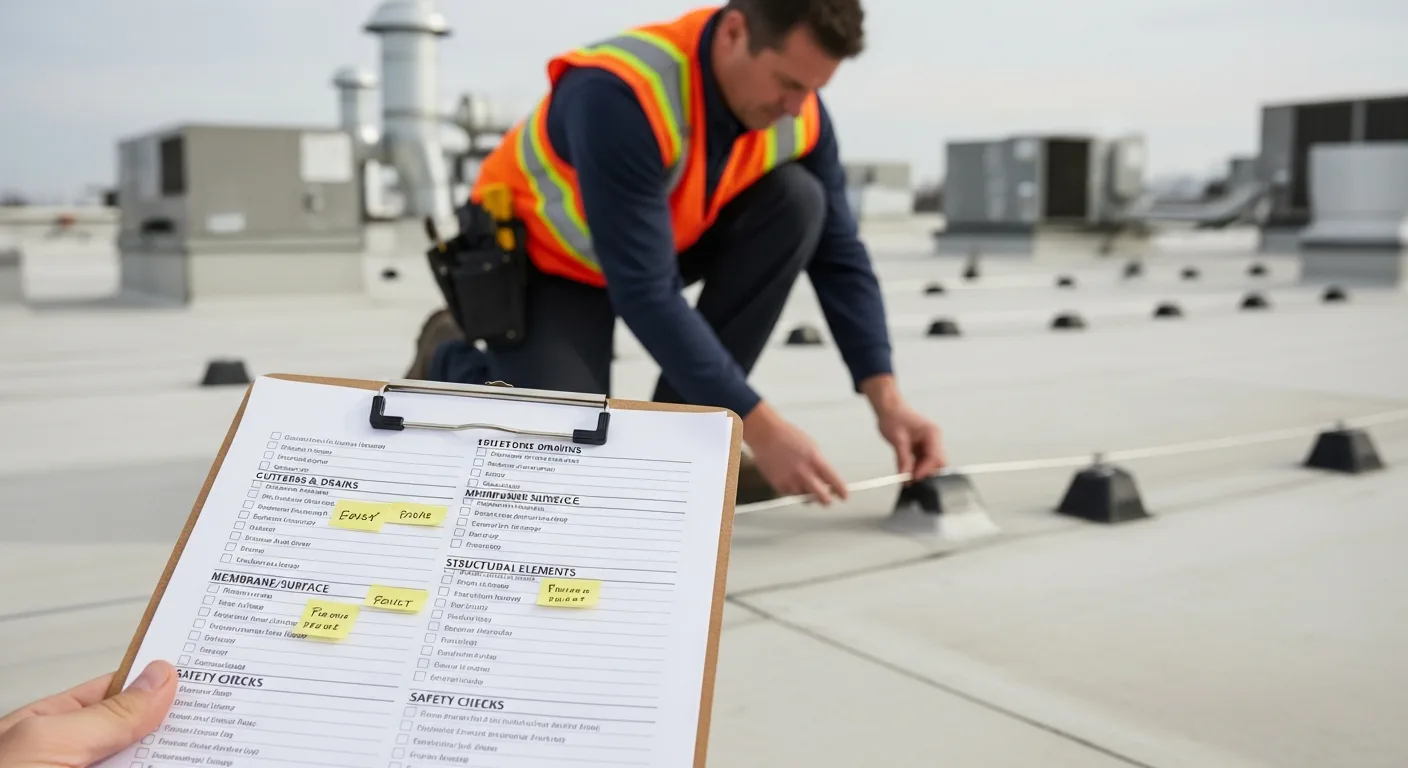
Safety considerations during advanced leak detection procedures require adherence to OSHA fall protection standards, especially when accessing large commercial roof areas. Technicians must use appropriate personal protective equipment and follow established safety protocols when operating electronic detection equipment near electrical components or during adverse weather conditions. The combination of thermal imaging and moisture scanning provides comprehensive leak detection capabilities that protect both building integrity and occupant safety.