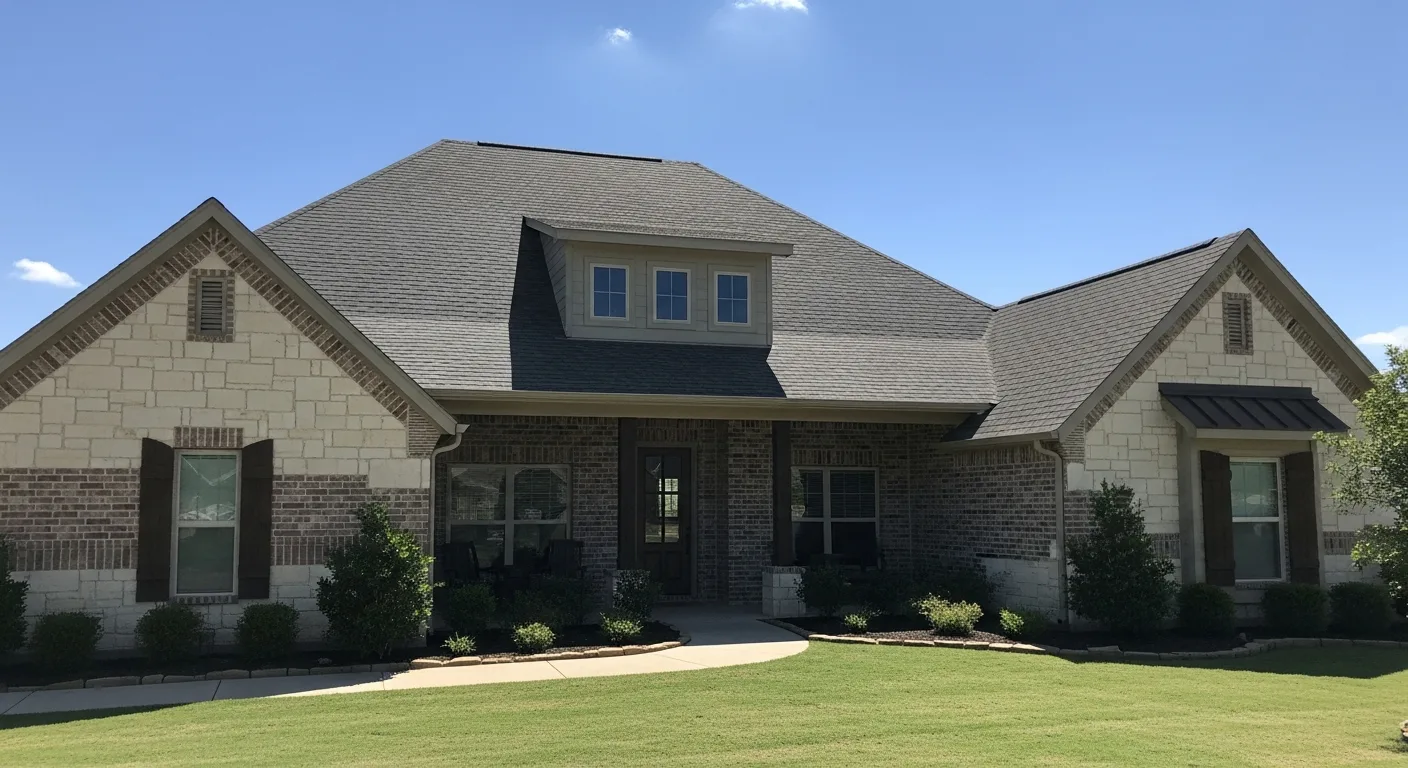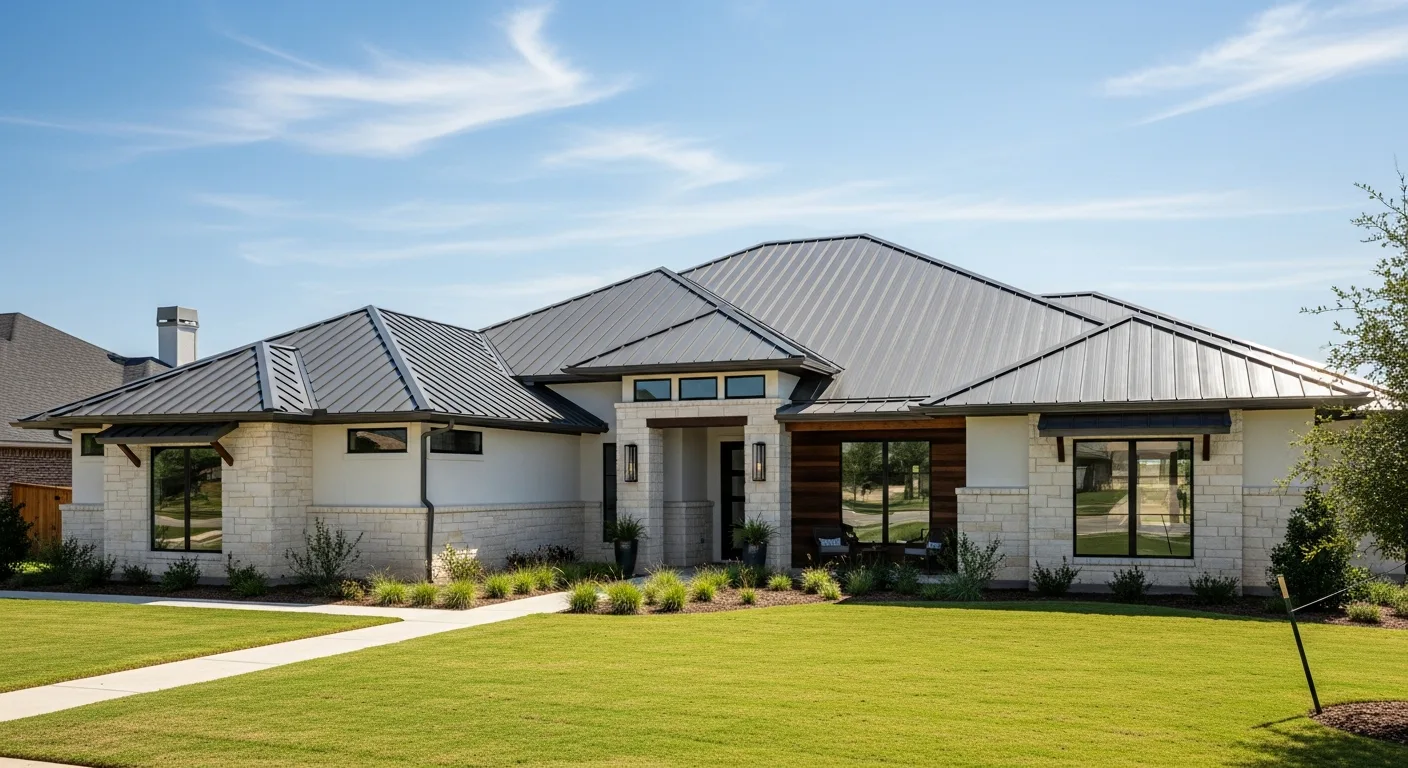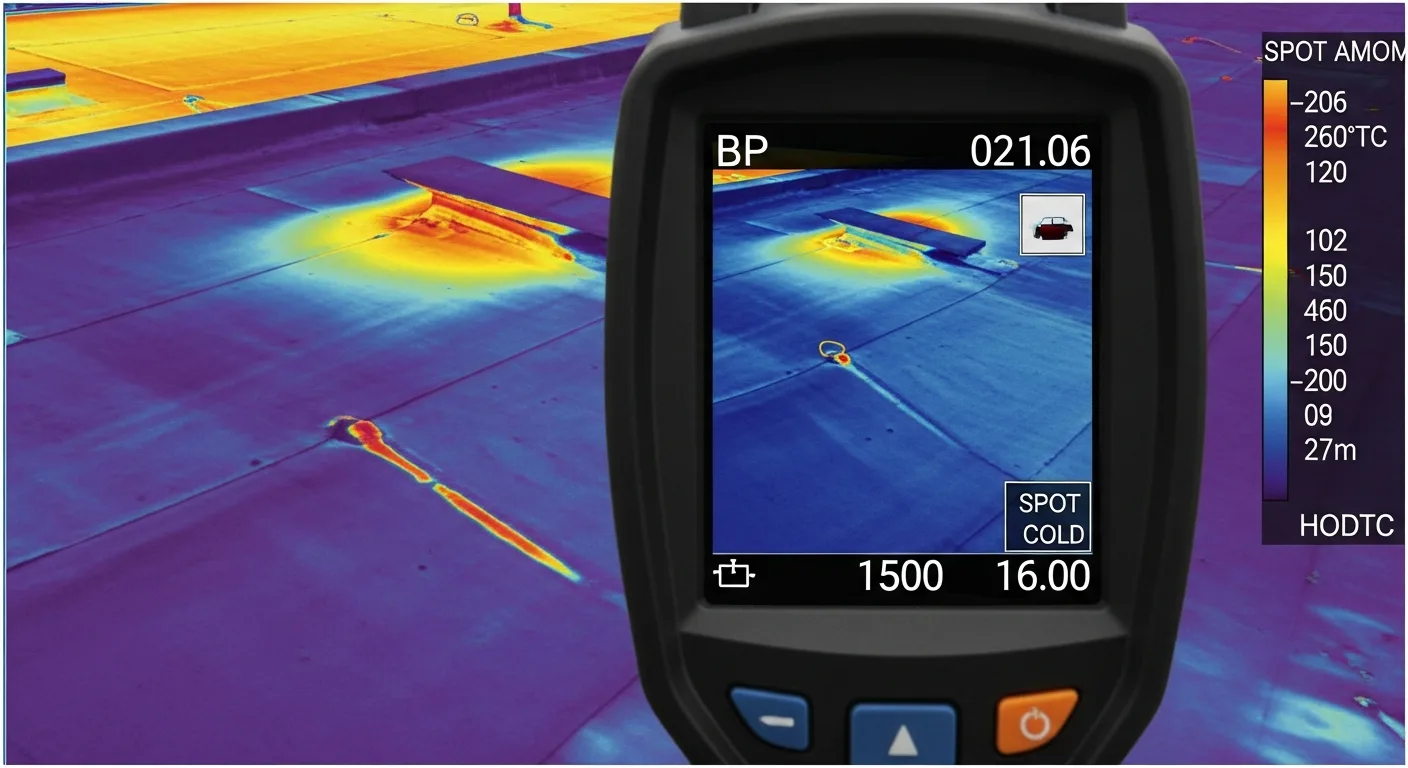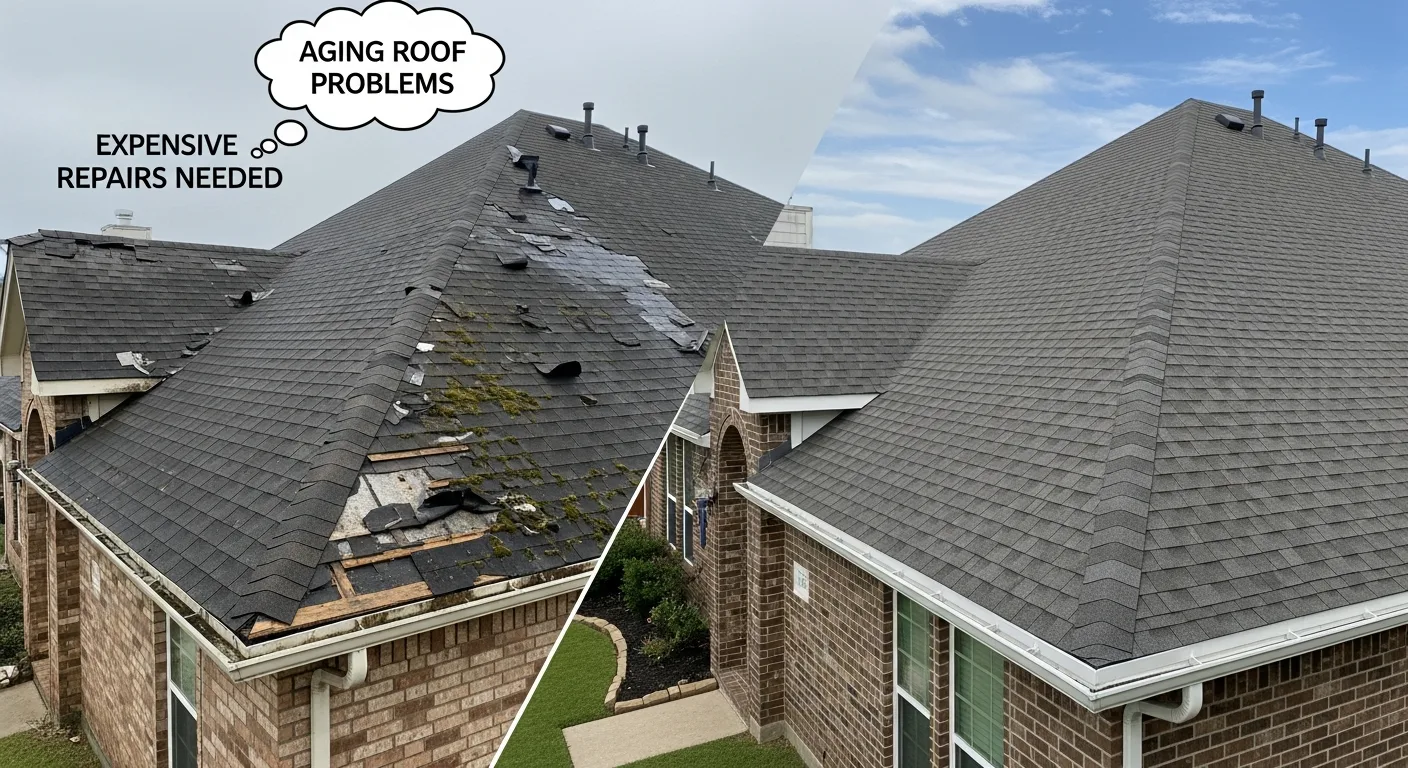
Every day you delay replacing an aging roof in the Texas Panhandle, you're gambling with your home's structural integrity and your family's financial security. While that 15-year-old asphalt shingle system might still appear functional from the ground, the relentless combination of extreme heat, hailstorms, and temperature swings characteristic of Amarillo's climate accelerates deterioration far beyond what most homeowners realize. The difference between proactive replacement and reactive emergency repair can easily exceed $15,000—and that's before considering the collateral damage to your home's interior, belongings, and peace of mind.
The harsh reality is that roofing systems don't fail gradually in our region; they fail catastrophically. When moisture intrusion begins through compromised membrane seams or deteriorated granule protection, the building envelope's thermal performance degrades rapidly. What starts as minor energy inefficiency quickly escalates to structural damage, mold growth, and insurance complications that could have been entirely prevented with timely action.
When Your Aging Roof Requires Immediate Professional Attention
Several critical indicators demand immediate professional assessment, particularly for roofing systems approaching or exceeding their design lifespan in our challenging climate. Granule loss exceeding 30% of the original coverage signals that your shingles can no longer provide adequate UV protection or wind uplift resistance—crucial factors when facing Amarillo's intense summer heat and frequent severe weather events.
Curling, cracking, or missing shingles represent advanced deterioration that compromises your roof's ability to shed water effectively. In the Texas Panhandle, where temperature swings can reach 60 degrees in a single day, thermal cycling stress accelerates these failure modes exponentially. According to the Insurance Institute for Business & Home Safety, roofs that show visible distress signs are 400% more likely to experience catastrophic failure during the next severe weather event.
Interior warning signs are equally critical: water stains on ceilings or walls, musty odors indicating mold growth, or noticeable temperature variations between rooms all suggest that your roof's thermal barrier and moisture control capabilities have been compromised. These symptoms indicate that moisture intrusion has already begun affecting your home's building envelope performance, potentially triggering a cascade of costly secondary damage.
Key Decision Factors: Repair vs. Replace Analysis
The financial mathematics of roof replacement versus ongoing repairs strongly favor replacement when your system approaches 75% of its expected lifespan, especially in our harsh climate. While individual repair costs might seem reasonable—typically $300-800 per incident—the frequency of required maintenance increases exponentially as roofing materials approach failure thresholds.
Consider the lifecycle cost analysis: a quality roof replacement ranges from $12,000-18,000 for typical Amarillo homes, while attempting to maintain a failing roof through repairs often costs $2,000-4,000 annually. More critically, repairs don't address systematic deterioration of the underlying roof deck, underlayment, or flashing systems that provide your home's primary weather protection.
Insurance considerations add another layer of complexity. Many carriers reduce coverage or increase deductibles for roofs exceeding 15 years in age, particularly in hail-prone regions like ours. Worse, claims denial becomes increasingly likely when insurers can demonstrate that homeowners neglected reasonable maintenance by deferring necessary replacement. For comprehensive guidance on navigating insurance requirements, see our hail and wind damage repair page for detailed information on documentation and claim procedures.
Timeline factors are equally important. Emergency roof replacement during peak storm season can cost 25-40% more than planned replacement during optimal weather windows. Additionally, material availability becomes constrained following major weather events, potentially leaving your home vulnerable for weeks or months while awaiting supplies.
Material and System Recommendations for Texas Panhandle Performance
Selecting appropriate roofing materials for our extreme climate requires balancing initial investment with long-term performance and energy efficiency. Impact-resistant shingles rated Class 4 provide essential hail protection while offering insurance discounts that can offset premium costs over the system's lifespan. These advanced materials incorporate polymer-modified asphalt and reinforced mat construction that significantly improves wind uplift resistance and thermal cycling durability.
Thermal reflectivity becomes crucial for managing cooling costs during our intense summers. Energy Star qualified roofing products can reduce surface temperatures by 50-60 degrees compared to standard materials, translating to 10-15% reduction in cooling energy consumption. Cool roof technologies, including specialized granules and reflective coatings, provide measurable ROI through reduced utility costs while extending system lifespan by minimizing thermal stress.
Proper underlayment selection is equally critical. Synthetic underlayment materials offer superior tear resistance and moisture protection compared to traditional felt products, providing essential backup protection during severe weather events. Self-adhering membrane products around penetrations and valleys create redundant moisture barriers that are particularly important given our region's severe weather frequency.
For homes with specific architectural requirements or performance needs, explore our industry-specific roofing solutions to understand how different material systems perform in various applications and climatic conditions.
What to Expect During the Professional Replacement Process
A comprehensive roof replacement project in the Texas Panhandle typically spans 2-4 days for residential applications, weather permitting. The process begins with thorough structural assessment to identify any deck damage, inadequate ventilation, or code compliance issues that must be addressed during replacement.
Complete tear-off to the deck level allows for comprehensive inspection and upgrade of the entire roofing system. This approach, while more intensive than overlay installation, provides opportunity to address underlying issues, improve insulation R-values, and ensure proper integration of ventilation systems critical for managing our extreme temperature conditions.
Professional contractors coordinate material delivery, waste management, and site protection to minimize disruption while ensuring rapid weatherproofing. Quality installations include comprehensive flashing upgrades, proper fastener placement meeting local wind load requirements, and systematic inspection protocols at each installation phase.
Expect detailed documentation throughout the process, including pre-installation photos, material certifications, and warranty registration. This documentation proves invaluable for insurance purposes and ensures warranty coverage remains valid throughout the system's lifespan.
Why Choosing the Right Contractor Determines Project Success
Contractor selection significantly impacts both immediate project quality and long-term system performance. Licensed contractors familiar with Texas Panhandle climate conditions understand the specific installation techniques required for wind uplift resistance, thermal movement accommodation, and severe weather durability.
Proper licensing, insurance, and manufacturer certifications provide essential protection against installation defects and ensure warranty coverage remains valid. Manufacturers like GAF, Owens Corning, and CertainTeed offer enhanced warranty programs exclusively through certified contractors, potentially extending coverage periods and including both materials and labor protection.
Local experience matters critically in our region. Contractors familiar with Amarillo's specific weather patterns, building code requirements, and insurance procedures can navigate potential complications proactively. They understand optimal installation timing, material selection for local conditions, and documentation requirements for seamless insurance interactions.
For detailed information on service availability and contractor qualifications in your specific area, check our service area pages for availability and local expertise.
Don't let another season of extreme weather threaten your home's integrity and your family's financial security. The cost of waiting invariably exceeds the investment in proactive replacement, and the peace of mind that comes with a professionally installed, warrantied roofing system is invaluable. Contact CRS Roofing & Construction today for a comprehensive assessment and detailed replacement proposal. Our experienced team understands the unique challenges of Texas Panhandle roofing and is ready to protect your most important investment with proven materials and expert installation. Schedule your consultation now—your home's protection can't wait for the next storm season.
In the Texas Panhandle, where hailstones exceeding 2.75 inches in diameter are documented annually and wind speeds routinely surpass 70 mph, roofing systems endure punishment that accelerates normal wear cycles by 40-60%. According to industry standards, asphalt shingles rated for 25-year lifespans typically perform for only 15-18 years in our climate zone. When granule loss reaches the critical 30% threshold, your roof's ability to reflect UV radiation diminishes substantially, causing substrate temperatures to exceed 180°F during peak summer months—well beyond the thermal limits most roofing materials can withstand without permanent deformation.
The Department of Energy's building envelope research demonstrates that compromised roofing systems can increase cooling costs by 25-40% in extreme heat climates like ours. When your aging roof's thermal barrier fails, conditioned air loss accelerates exponentially, forcing HVAC systems to operate continuously during Amarillo's 100°F+ summer days. This thermal inefficiency compounds monthly, transforming what should be manageable utility expenses into budget-crushing operational costs that often exceed $200-300 per month in additional energy consumption.
Beyond energy losses, structural integrity becomes critical when dealing with IBHS Fortified construction standards that specifically address high-wind and hail-impact scenarios common to our region. Modern impact-resistant shingles, such as GAF's Timberline HD with Advanced Protection Technology, are engineered to withstand Class 4 hail impacts—the highest UL 2218 rating available. However, these protective capabilities deteriorate rapidly once the initial weathering seal breaks down, typically occurring between years 12-15 in Texas Panhandle conditions.
Professional assessment becomes essential when multiple warning signs converge: exposed mat edges, thermal splitting along ridge lines, and granule accumulation in gutters exceeding two cups per linear foot. The National Roofing Contractors Association guidelines specify that any combination of these indicators warrants immediate professional evaluation, particularly when storm season approaches. Delaying this assessment until visible interior damage appears—water stains, insulation saturation, or structural sagging—typically increases total replacement costs by $8,000-12,000 due to necessary remediation work and emergency service premiums.