Your commercial roof is showing its age, and the Texas Panhandle's relentless climate isn't doing it any favors. Whether it's the blazing summer heat reaching 100°F+, golf ball-sized hail, or those notorious spring windstorms exceeding 60 mph, you're facing a critical decision: recover your existing roof system or invest in a complete replacement. The wrong choice could cost your business tens of thousands in premature failures, emergency repairs, and compromised building envelope performance. With winter approaching and the spring storm season just months away, delaying this decision puts your property, inventory, and operations at serious risk.
When This Issue Requires Professional Attention
Commercial roof recovery versus replacement isn't a decision you can make from ground level. Several critical factors demand professional assessment to ensure you're making the most cost-effective long-term choice for your building envelope system.
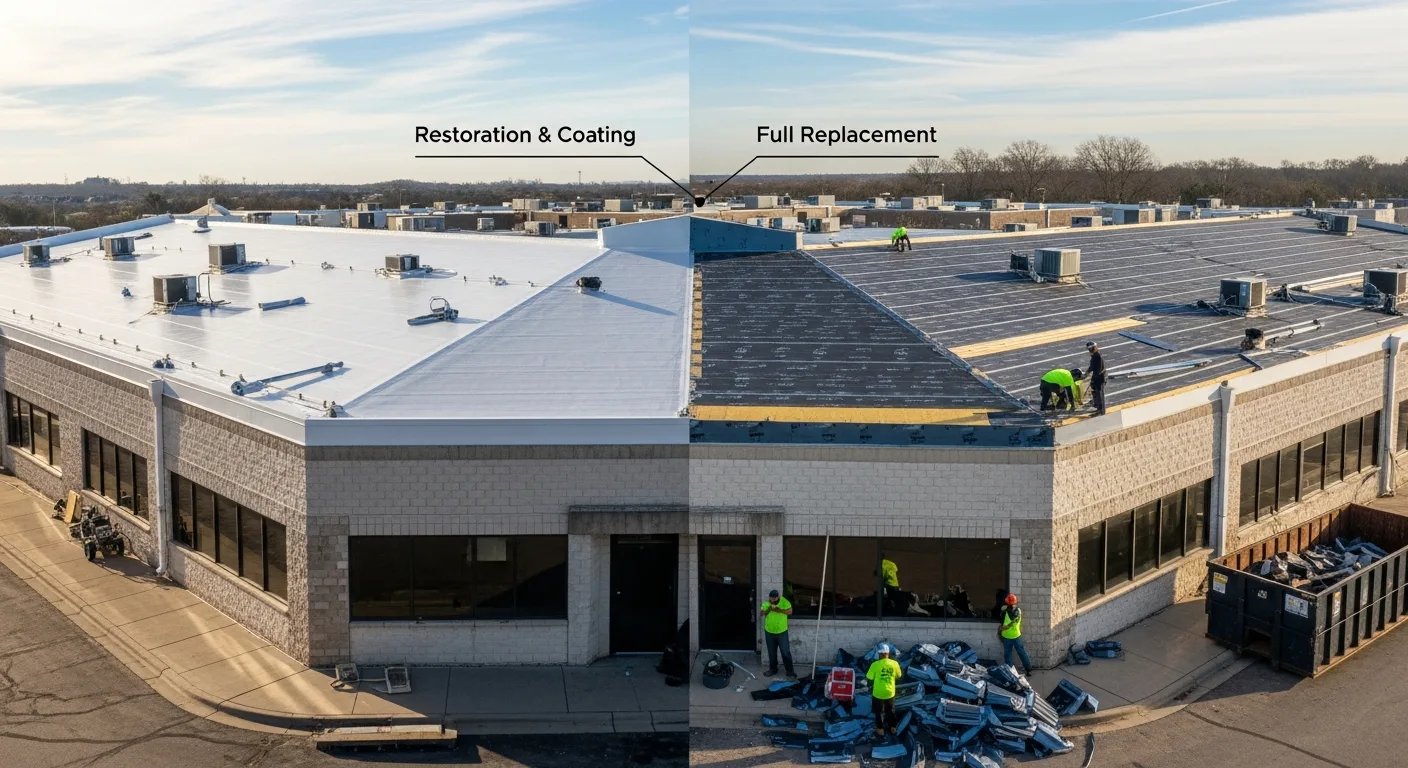
Recovery becomes a viable option when your existing roof deck remains structurally sound and the current membrane hasn't experienced significant moisture intrusion. This approach involves installing a new roofing system directly over the existing one, potentially saving 20-30% on project costs while reducing disposal fees and environmental impact. However, the Texas Panhandle's extreme temperature swings—from sub-zero winter nights to scorching summer days—place unique stress on layered roofing systems.
Complete replacement becomes necessary when structural decking shows deterioration, when you've already recovered once (most building codes limit roof systems to two layers), or when the existing system has compromised the building's thermal performance. The National Roofing Contractors Association recommends replacement when moisture intrusion has affected more than 25% of the roof area, as recovery would trap existing problems beneath the new membrane.
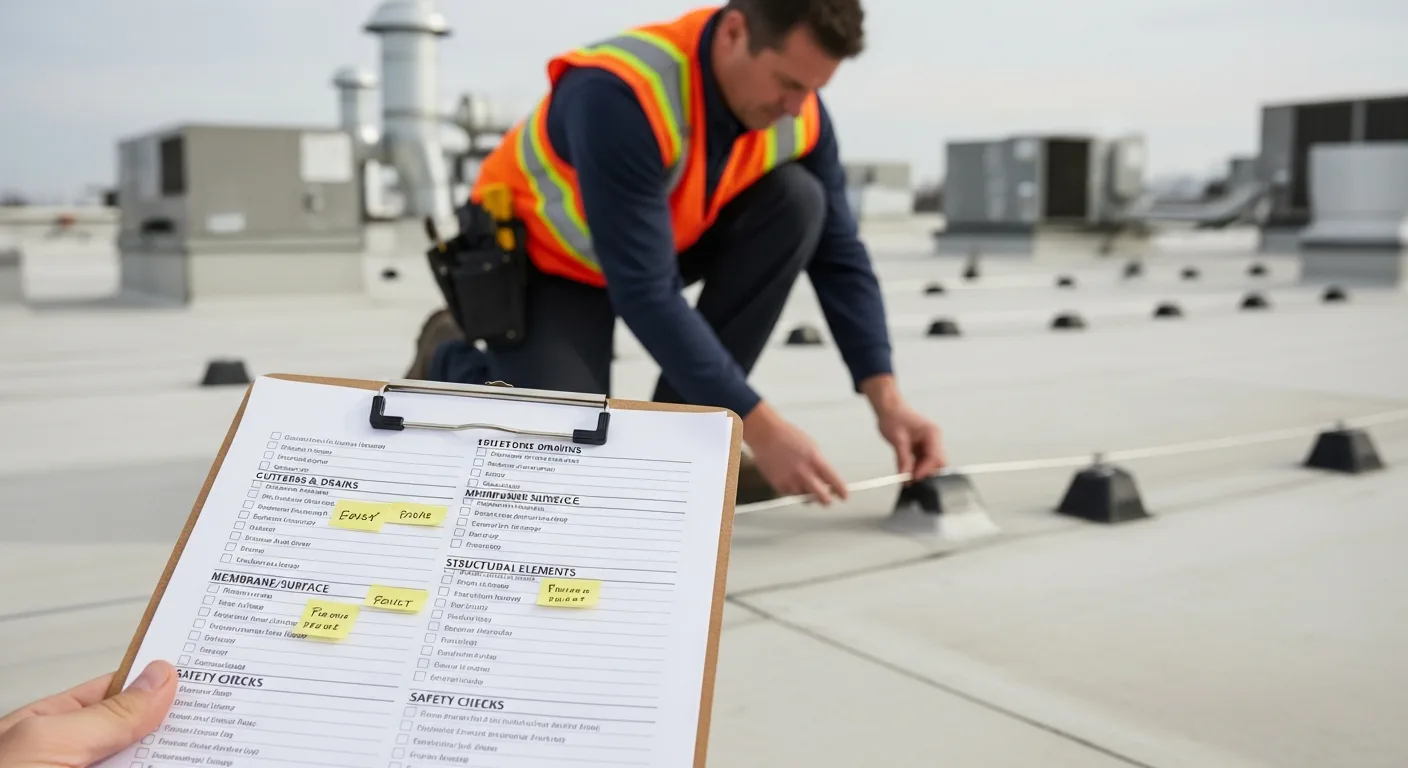
Professional inspection becomes urgent when you notice interior water stains, increasing energy costs, membrane blistering, or granule loss on modified bitumen systems. Our experienced team can perform core cuts to assess insulation moisture content, thermal imaging to identify heat loss patterns, and structural evaluations to determine your building's capacity for additional roof system weight.
Key Decision Factors: Recovery vs Replacement Analysis
Making the right choice between recovery and replacement requires analyzing multiple factors specific to your building and business needs. Cost represents just one element in a complex equation that includes lifecycle performance, energy efficiency, and long-term building value.
Structural Load Capacity: Recovery adds approximately 2-4 pounds per square foot to your building's dead load. In the Texas Panhandle, where wind uplift forces regularly exceed 30 psf during severe storms, ensuring adequate structural capacity becomes critical. Buildings constructed before 1980 may lack the engineering margins necessary for safe recovery installation.
Existing System Condition: Recovery works best over structurally sound single-ply membranes, modified bitumen, or built-up roofing without significant deterioration. However, if your current system exhibits widespread membrane splits, failed seams, or saturated insulation, recovery simply postpones inevitable problems while reducing your new system's performance potential.
Code Compliance Considerations: Current energy codes may require higher R-values than your existing system provides. Recovery allows you to add insulation layers to meet thermal performance requirements, potentially improving your building's energy efficiency by 15-25%. Complete replacement, however, offers the opportunity to upgrade to advanced membrane technologies with superior thermal reflectivity.
Timeline and Business Disruption: Recovery typically requires 30-40% less time than complete replacement, minimizing business interruption. For retail, manufacturing, or warehouse operations where downtime costs thousands per day, this advantage can offset the higher long-term costs of eventual full replacement.
Warranty Implications: Most manufacturers offer 15-20 year warranties on recovery installations versus 20-30 year warranties on complete replacement systems. When you consider the Texas Panhandle's severe weather exposure, this warranty difference represents significant long-term value.
Material and System Recommendations
The harsh Texas Panhandle climate demands specific material considerations for both recovery and replacement scenarios. Your choice of membrane, insulation, and attachment methods directly impacts system longevity and performance under extreme weather conditions.
Recovery Applications: Thermoplastic polyolefin (TPO) and ethylene propylene diene monomer (EPDM) membranes excel in recovery applications due to their flexibility and thermal movement accommodation. For buildings with good existing insulation, these single-ply systems provide excellent wind uplift resistance when mechanically attached or fully adhered with appropriate adhesives.
Modified bitumen recovery systems work particularly well over existing built-up roofs, creating hybrid assemblies that combine the proven durability of asphalt-based materials with modern installation techniques. These systems handle the Texas Panhandle's temperature extremes exceptionally well, maintaining membrane integrity through multiple freeze-thaw cycles.
Complete Replacement Systems: When starting fresh, advanced membrane technologies offer superior long-term performance. High-reflectance TPO membranes with thermal reflectivity values exceeding 0.78 can reduce cooling costs by 20-30% compared to traditional systems. For buildings requiring maximum durability, reinforced EPDM systems provide exceptional hail resistance—critical in our region where hail damage accounts for over 40% of commercial roofing insurance claims.
Polyisocyanurate insulation with high compressive strength performs excellently in both applications, providing R-values of 6+ per inch while resisting moisture absorption. In replacement scenarios, tapered insulation systems eliminate ponding water issues that plague many flat commercial roofs in our region.
For businesses prioritizing sustainability and energy performance, consider exploring our commercial roofing services page to learn about cool roof systems that meet Energy Star requirements while providing decades of reliable protection.
What to Expect During the Recovery or Replacement Process
Understanding the installation process helps you prepare your business operations and set realistic expectations for project completion. Both recovery and replacement involve specific phases that minimize disruption while ensuring quality installation.
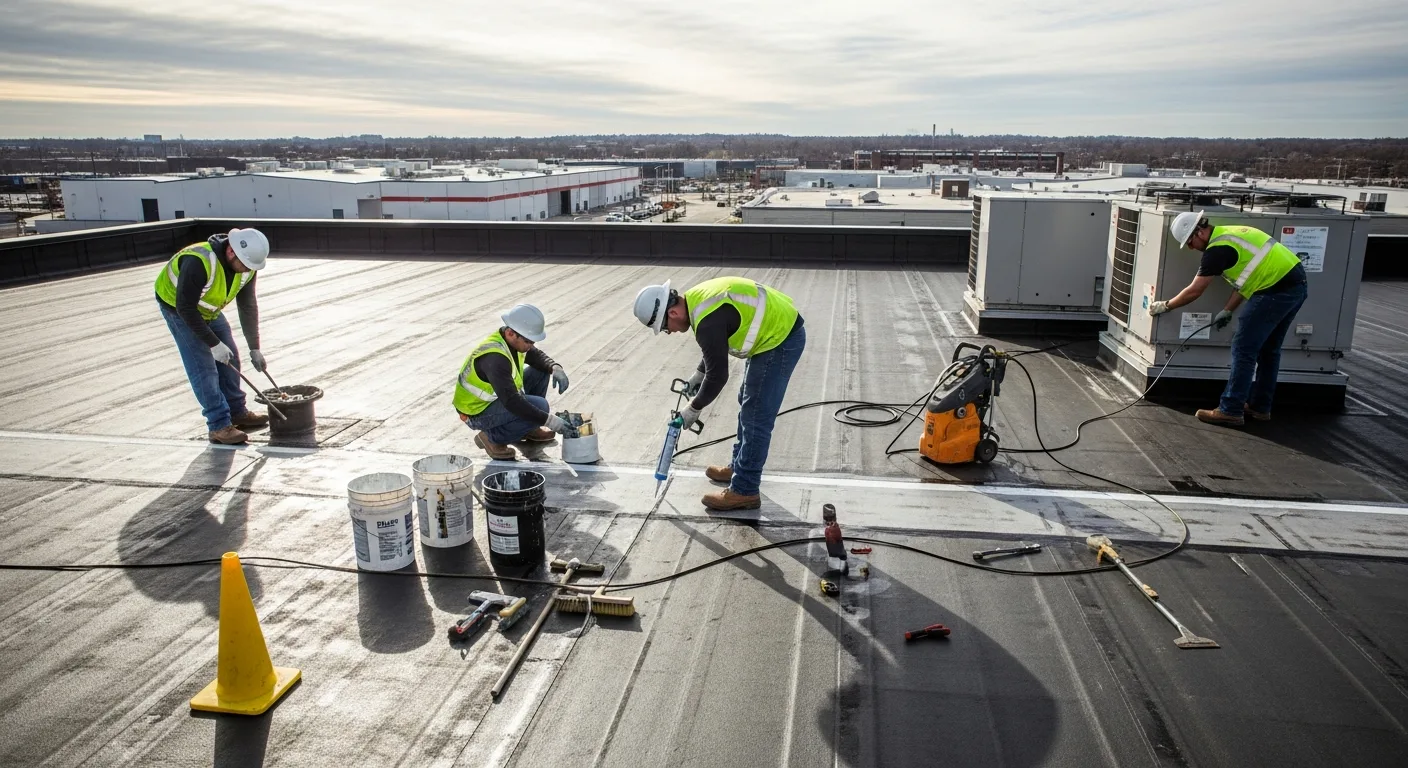
Recovery Process Timeline: Recovery projects typically span 3-7 days depending on building size and complexity. The process begins with thorough cleaning and preparation of the existing surface, followed by installation of additional insulation if required. Membrane installation proceeds systematically, with seams welded or adhered according to manufacturer specifications. Final phases include penetration sealing, edge detail completion, and comprehensive water testing.
Weather contingency planning becomes crucial during Texas Panhandle projects. Our team monitors weather patterns closely, scheduling critical phases during stable conditions. Temporary protection systems ensure your building remains watertight even if unexpected storms interrupt the installation process.
Complete Replacement Process: Replacement projects require 5-12 days and involve complete tear-off of existing materials. This exposes your building temporarily, requiring careful coordination and comprehensive protection protocols. However, replacement allows for deck repairs, insulation upgrades, and resolution of structural issues that recovery cannot address.
During tear-off phases, we implement containment systems to prevent debris from affecting your operations. Rapid installation techniques minimize exposure time, with new membrane installation beginning immediately after deck preparation completion.
Quality Control Measures: Both processes include multiple inspection points to ensure system integrity. Thermal imaging confirms proper insulation installation, while electronic leak detection verifies membrane continuity. Core cuts validate adhesion strength, and pull tests confirm mechanical attachment adequacy for local wind uplift requirements.
Why Choosing the Right Contractor Matters
The success of your recovery or replacement project depends heavily on contractor expertise, particularly in the challenging Texas Panhandle environment. Your choice of roofing contractor directly impacts installation quality, warranty validity, and long-term system performance.
Experience with local climate conditions proves invaluable when selecting installation techniques and materials. Contractors familiar with Amarillo's weather patterns understand how temperature extremes affect membrane behavior, adhesive performance, and thermal movement accommodation. This knowledge prevents installation errors that lead to premature failures and void manufacturer warranties.
Proper licensing and insurance protection safeguard your investment and business operations. Verify that your contractor carries comprehensive general liability coverage, workers' compensation insurance, and manufacturer certifications for the systems you're considering. The Insurance Institute for Business & Home Safety recommends contractors with proven track records in severe weather regions like ours.
Quality contractors provide detailed proposals comparing recovery and replacement options with lifecycle cost analyses, helping you make informed decisions based on your building's specific needs and your business's financial objectives. They offer transparent pricing, realistic timelines, and comprehensive warranty coverage that protects your investment for decades.
Look for contractors who utilize advanced diagnostic tools like infrared thermography, moisture meters, and core sampling equipment to accurately assess your roof's condition. This thorough evaluation process ensures you receive honest recommendations based on objective data rather than sales pressure.
Don't wait for the next severe weather event to make this critical decision. The Texas Panhandle's spring storm season approaches quickly, and quality contractors book their schedules months in advance. Contact CRS Roofing & Construction today for a comprehensive roof assessment and detailed analysis of your recovery versus replacement options. Our experienced team will evaluate your building's specific needs, provide transparent cost comparisons, and recommend the solution that maximizes your return on investment while protecting your business operations. Schedule your professional inspection now—your building's protection and your business's success depend on making the right choice before the next storm hits.
The Texas Panhandle's severe weather patterns demand specific performance criteria that directly influence recovery versus replacement decisions. NOAA weather data shows our region experiences some of the nation's most extreme temperature differentials, creating thermal cycling stress that can compromise adhesive bonds in layered roofing systems. When considering recovery, the existing membrane must demonstrate structural integrity under these conditions, particularly for single-ply systems like TPO and EPDM.
Commercial membrane manufacturers like Carlisle SynTec specify recovery limitations based on substrate condition and climate zone requirements. In our High Plains climate zone, recovery systems must account for wind uplift pressures exceeding 90 PSF during severe thunderstorms. The International Building Code requirements, administered through ICC standards, mandate specific attachment patterns and insulation R-values that may be compromised when adding system layers without proper structural evaluation.
Energy efficiency considerations become critical in Texas Panhandle commercial buildings, where cooling loads can represent 40-60% of annual energy costs. Recovery systems that add insulation layers can improve thermal performance, but must be balanced against potential moisture entrapment issues. The U.S. Department of Energy recommends minimum R-38 roof insulation values for our climate zone, which often requires strategic planning during recovery projects to meet current energy codes without exceeding structural load limits.
Hail impact resistance becomes paramount given our region's frequent severe weather events. The Insurance Institute for Business & Home Safety research demonstrates that recovered roof systems may not provide the same impact resistance as new installations, particularly when existing membranes have already experienced hail damage. Class 4 impact-rated systems often require specific substrate preparation that recovery methods cannot achieve, making replacement the only viable option for buildings seeking maximum weather resilience.
Professional assessment should include infrared thermography to identify moisture intrusion, core sampling to evaluate insulation condition, and structural load calculations to ensure the building can support additional system weight. NRCA guidelines specify that recovered systems should not exceed two roof layers total, and existing systems must demonstrate less than 25% moisture content throughout the assembly. These technical requirements, combined with local building department approvals, often determine whether recovery represents a viable long-term solution for Texas Panhandle commercial properties.