When potential buyers walk through your Amarillo home, they're not just evaluating square footage and curb appeal—they're calculating potential repair costs. In the Texas Panhandle's punishing climate of extreme heat, devastating hail storms, and relentless winds, your roof represents either a selling advantage or a deal-breaking liability. Without a professional inspection documenting your roof's condition, you're leaving thousands of dollars on the table and risking last-minute negotiations that could derail your sale entirely.
The consequences of skipping a pre-sale roof inspection extend far beyond initial buyer impressions. When a buyer's inspector discovers moisture intrusion, compromised flashing, or wind-damaged shingles during their due diligence period, you lose all negotiating power. What could have been a proactive $500 repair becomes a $15,000 credit demand—or worse, a terminated contract that forces you back to square one with a stigmatized property.
When Professional Roof Inspection Becomes Essential Before Selling
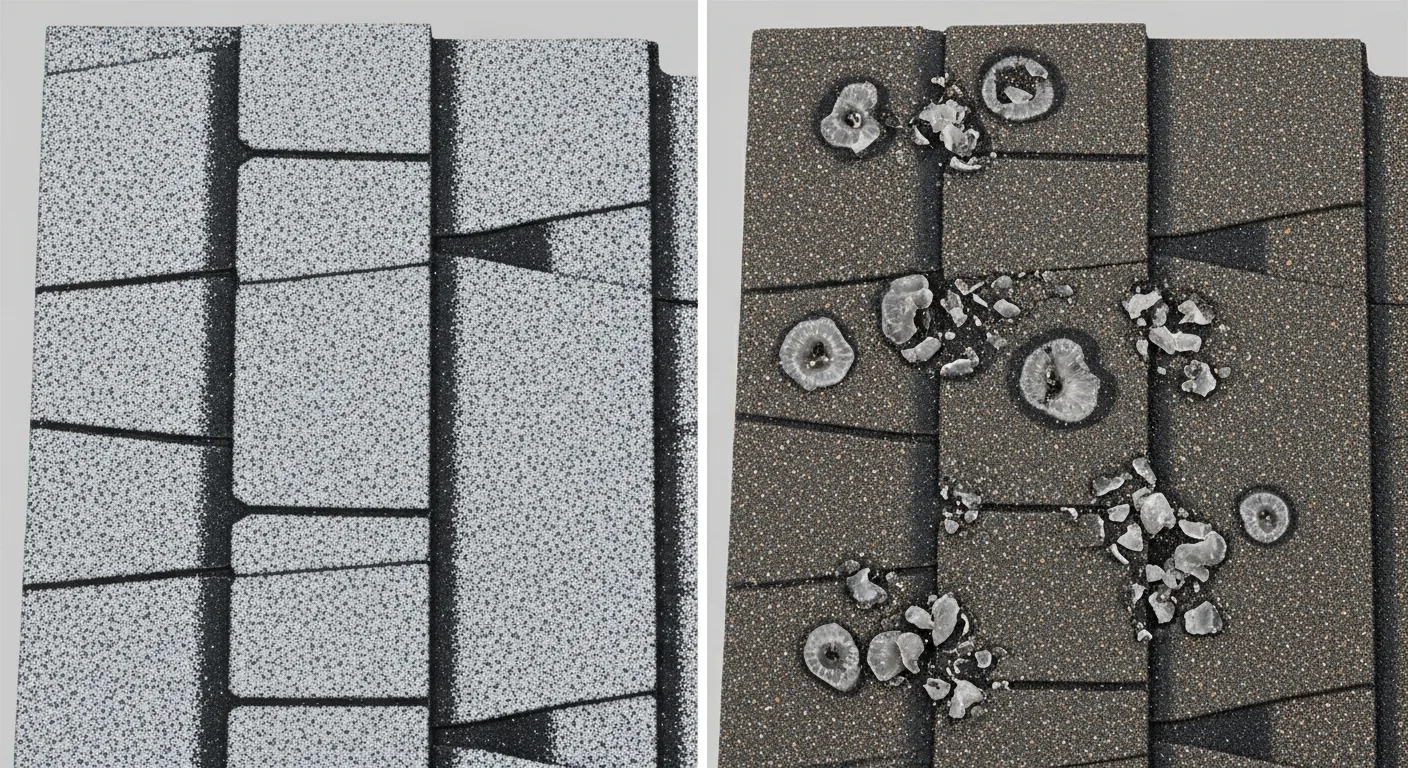
The Texas Panhandle's severe weather patterns create unique challenges that make professional roof assessment mandatory for serious sellers. Research from the Insurance Institute for Business & Home Safety confirms that hail damage often remains undetected by untrained eyes, yet these hidden compromises accelerate deterioration and trigger costly secondary damage.
Professional attention becomes critical when your home exhibits warning signs that could torpedo a sale: granule accumulation in gutters indicating shingle deterioration, visible nail pops suggesting thermal movement stress, or subtle sagging that signals structural concerns. In Amarillo's market, where buyers understand weather-related risks, any uncertainty about roof condition immediately impacts perceived value and negotiating position.
The building envelope's integrity directly influences energy efficiency ratings that sophisticated buyers now demand. A compromised roof system reduces thermal performance, increases utility costs, and suggests deferred maintenance—three factors that sophisticated purchasers factor into their offer calculations. By scheduling professional inspection before listing, you transform potential liability into documented asset value.
Critical Decision Factors: Repair, Replace, or Strategic Disclosure
Your inspection results will reveal one of three scenarios, each requiring different strategic responses to maximize sale success. Minor issues like loose flashing, missing shingles, or worn sealant typically cost $200-800 to address but demonstrate proactive maintenance that buyers value at 2-3 times the actual repair cost.
Moderate concerns involving membrane seams, localized wind uplift damage, or aging underlayment present middle-ground decisions. These repairs, typically ranging $2,000-8,000, often justify the investment when your local market shows strong demand and multiple offer situations. However, in slower markets, strategic disclosure with contractor estimates might better serve your timeline and budget constraints.
Major replacement needs require careful financial analysis comparing repair costs against market absorption rates. When lifecycle cost analysis indicates roof replacement within 3-5 years, many sellers find pre-sale replacement generates 60-80% return on investment through faster sales, higher offers, and reduced carrying costs. Our experience with Amarillo home sales consistently shows that buyers will pay premium prices for documented roof warranties and energy-efficient systems.
Timeline considerations prove equally important in decision-making. Quality roof work requires 3-7 days for typical residential projects, but material availability and contractor scheduling can extend timelines. By initiating inspection early in your selling process, you preserve flexibility to make strategic improvements without delaying your listing or compromising your moving schedule.
Material and System Recommendations for Maximum Appeal
Texas Panhandle buyers increasingly prioritize impact-resistant materials and energy-efficient systems that provide long-term value protection. Impact-resistant shingles rated for hail resistance not only qualify for insurance premium reductions but signal sophisticated maintenance practices that discerning buyers recognize and reward.
Cool roof technologies featuring enhanced thermal reflectivity demonstrate forward-thinking investment in energy efficiency. These systems, particularly those meeting Energy Star certification standards, appeal to environmentally conscious buyers while providing quantifiable utility savings that justify premium pricing.
When replacement becomes necessary, architectural shingles with enhanced wind ratings provide superior aesthetic appeal compared to basic three-tab options. The modest upgrade cost typically recovers through improved buyer perception and competitive differentiation in your market segment. For homes in premium neighborhoods, consider designer color options that complement your exterior palette and neighborhood character.
Proper ventilation system documentation proves increasingly important as buyers become more sophisticated about building envelope performance. Ridge vents, soffit ventilation, and attic fan systems that maintain appropriate airflow demonstrate comprehensive roof system thinking that professional buyers appreciate and factor into their valuations.
Insurance and Code Compliance Considerations
Current building code compliance significantly impacts buyer financing and insurance availability. Older roof systems that don't meet current wind resistance standards may require disclosure or upgrades to satisfy lender requirements. By addressing these concerns proactively, you eliminate potential financing obstacles that could delay or derail your transaction.
Insurance inspections increasingly scrutinize roof condition for coverage determination. A professional inspection report documenting good condition and recent maintenance helps buyers secure favorable insurance terms, removing another potential transaction barrier while reinforcing your property's value proposition.
What to Expect During Professional Roof Assessment
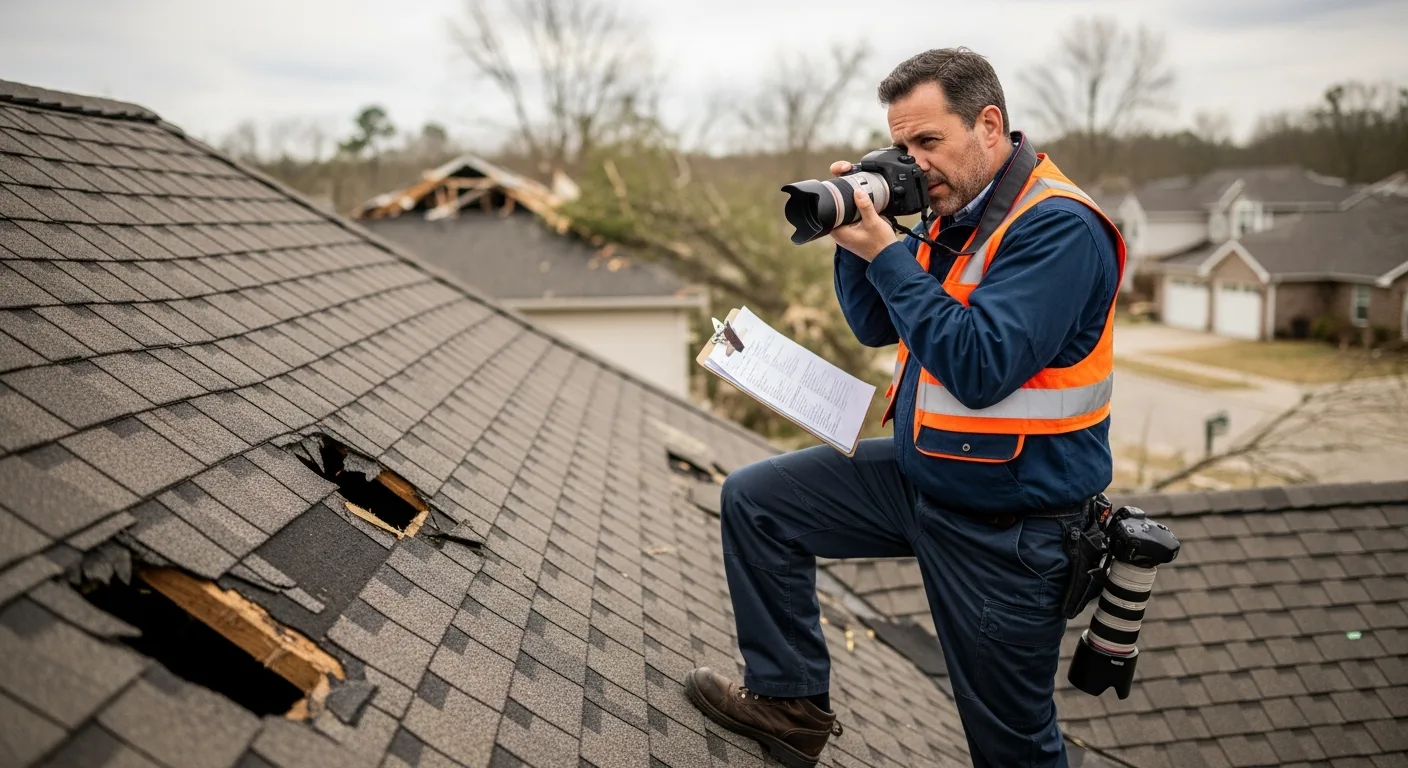
Professional roof inspection for pre-sale purposes requires comprehensive evaluation beyond basic visual assessment. Qualified inspectors examine structural components, evaluate moisture intrusion indicators, assess ventilation adequacy, and document material condition using industry-standard protocols that satisfy buyer due diligence requirements.
The inspection process typically requires 2-4 hours depending on home size and complexity. Inspectors photograph all findings, measure thermal performance indicators, and provide detailed reports that serve as valuable marketing tools throughout your selling process. These documents demonstrate transparency and professional maintenance practices that sophisticated buyers increasingly demand.
Expect comprehensive documentation covering flashing integrity, fastener security, granule retention, and underlayment condition. Professional reports include repair recommendations with priority rankings, cost estimates for identified issues, and maintenance schedules that help buyers understand ongoing care requirements. This level of detail transforms roof condition from unknown liability into documented asset.
Weather-related damage assessment receives particular attention in Texas Panhandle inspections. Inspectors trained in hail damage recognition, wind uplift evaluation, and thermal stress assessment provide expertise that untrained eyes cannot match. Their findings carry credibility with buyers, insurance adjusters, and real estate professionals that protects your interests throughout the transaction process.
Why Contractor Selection Determines Inspection Value
The inspector's qualifications and local reputation directly impact your inspection's credibility and usefulness in sale negotiations. Established contractors with extensive Texas Panhandle experience understand regional weather patterns, common failure modes, and buyer expectations that influence their assessment quality and recommendations.
Choose contractors who maintain current certifications, carry comprehensive insurance, and provide references from recent residential clients. Their inspection reports should meet professional standards that satisfy buyer agents, home inspectors, and mortgage underwriters who may review the documentation during transaction processing.
Local market knowledge proves invaluable when contractors provide repair estimates and timeline projections. Contractors familiar with Amarillo's permit requirements, material availability, and seasonal scheduling constraints deliver realistic projections that support your decision-making process. To explore our comprehensive evaluation services, see our residential roof replacement section for detailed information about our inspection protocols and reporting standards.
Established contractors also provide ongoing support throughout your selling process. When buyer inspectors raise questions or concerns, having a knowledgeable contractor available for consultation protects your interests and maintains transaction momentum. This relationship proves particularly valuable when negotiations require technical clarification or repair scope discussions.
Don't let roof uncertainty derail your home sale or cost you thousands in unnecessary concessions. Contact CRS Roofing & Construction today to schedule your comprehensive pre-sale roof inspection. Our certified professionals will provide the documentation and strategic guidance you need to maximize your property value and ensure smooth transaction completion. Call us now to protect your investment and accelerate your selling success in the competitive Amarillo market.
Understanding the specific vulnerabilities of roofing materials in Amarillo's climate requires knowledge of industry-standard impact ratings and wind resistance classifications. ASTM International standards define Class 4 impact-resistant shingles as those capable of withstanding 2-inch steel balls dropped from 20 feet—a critical specification when Texas Panhandle hailstones regularly exceed golf ball size. Professional inspectors evaluate these materials against National Roofing Contractors Association guidelines that specifically address high-wind zones like ours, where sustained winds can reach 70+ mph during severe weather events.
The thermal cycling that occurs in our region—where roof surface temperatures can swing from 160°F in summer to below freezing in winter—creates expansion and contraction stresses that compromise even premium materials over time. Cool Roof Rating Council data demonstrates how reflective roofing products with high solar reflectance values can reduce these temperature extremes by up to 50°F, significantly extending material lifespan. For metal roofing systems popular in commercial applications, standing seam panels with proper thermal movement accommodation become essential when ambient temperature differentials regularly exceed 100°F annually.
Professional pre-sale inspections must also verify compliance with current International Residential Code requirements, particularly regarding proper ventilation ratios and fire-resistant material classifications. ICC safety standards mandate specific net free ventilation areas based on attic square footage—requirements that many older Amarillo homes fail to meet. When buyers discover these code deficiencies during their inspection period, remediation costs can easily exceed $8,000 for ventilation upgrades alone. Additionally, commercial property loss prevention standards increasingly influence residential insurance requirements, making documentation of proper installation and maintenance critical for maintaining coverage in our high-risk weather zone.