The Texas Panhandle experiences some of the most severe hail activity in the United States, with storms regularly producing golf ball to softball-sized hail that can devastate traditional roofing systems. If you're considering whether to upgrade to impact-resistant shingles, the question isn't whether hail will hit your property—it's when. Delaying this critical building envelope upgrade means gambling with thousands of dollars in potential damage, insurance complications, and the structural integrity of your home or business.
Traditional three-tab and architectural shingles simply cannot withstand the repeated thermal cycling and severe weather patterns that define our regional climate. When hail stones reach velocities exceeding 100 mph, standard roofing materials experience catastrophic failure, leading to moisture intrusion, compromised membrane seams, and costly emergency repairs during peak storm season when contractors are overwhelmed and material costs spike.
When This Issue Requires Professional Attention
The decision to upgrade to impact-resistant shingles becomes critical when your current roofing system shows signs of vulnerability or has already sustained weather-related damage. Professional assessment is essential if you notice granule loss, exposed mat, cracked or missing shingles, or water stains on interior ceilings following recent storms.
More importantly, proactive evaluation makes financial sense. Insurance Institute for Business & Home Safety (IBHS) testing demonstrates that Class 4 impact-resistant shingles can prevent up to 90% of hail damage compared to standard materials. This translates to avoiding emergency repairs, preventing moisture intrusion into your building envelope, and maintaining the thermal performance of your roofing system.
The Texas Panhandle's extreme temperature swings—from below freezing in winter to over 100°F in summer—create additional stress on roofing materials. Combined with frequent wind uplift forces exceeding 80 mph, standard shingles experience accelerated deterioration that compromises their ability to protect your property when severe weather strikes.
Key Decision Factors: Investment Protection and Timing
The primary decision factors center on lifecycle cost analysis versus immediate investment protection. Impact-resistant shingles typically cost 15-25% more than standard architectural shingles, but this premium pays dividends through insurance discounts, extended warranty coverage, and avoided storm damage costs.
Insurance Considerations: Most Texas insurance carriers offer significant premium discounts for Class 4 impact-resistant roofing—often 10-35% annually. Over a 20-year period, these savings frequently offset the initial upgrade cost while providing superior protection. Additionally, impact-resistant systems typically carry enhanced warranty coverage that protects against wind and hail damage claims.
Timing and Market Conditions: Upgrading before peak hail season (March through June) provides multiple advantages. Material availability remains optimal, contractor schedules are more flexible, and you avoid the premium pricing that occurs during post-storm reconstruction periods. Emergency roof replacements during active weather seasons often cost 20-40% more due to supply chain constraints and increased demand.
Property Value Impact: Impact-resistant roofing systems enhance property values while providing measurable protection. Real estate professionals consistently report that homes with documented storm-resistant features command premium pricing and sell faster in our regional market.
Material and System Recommendations
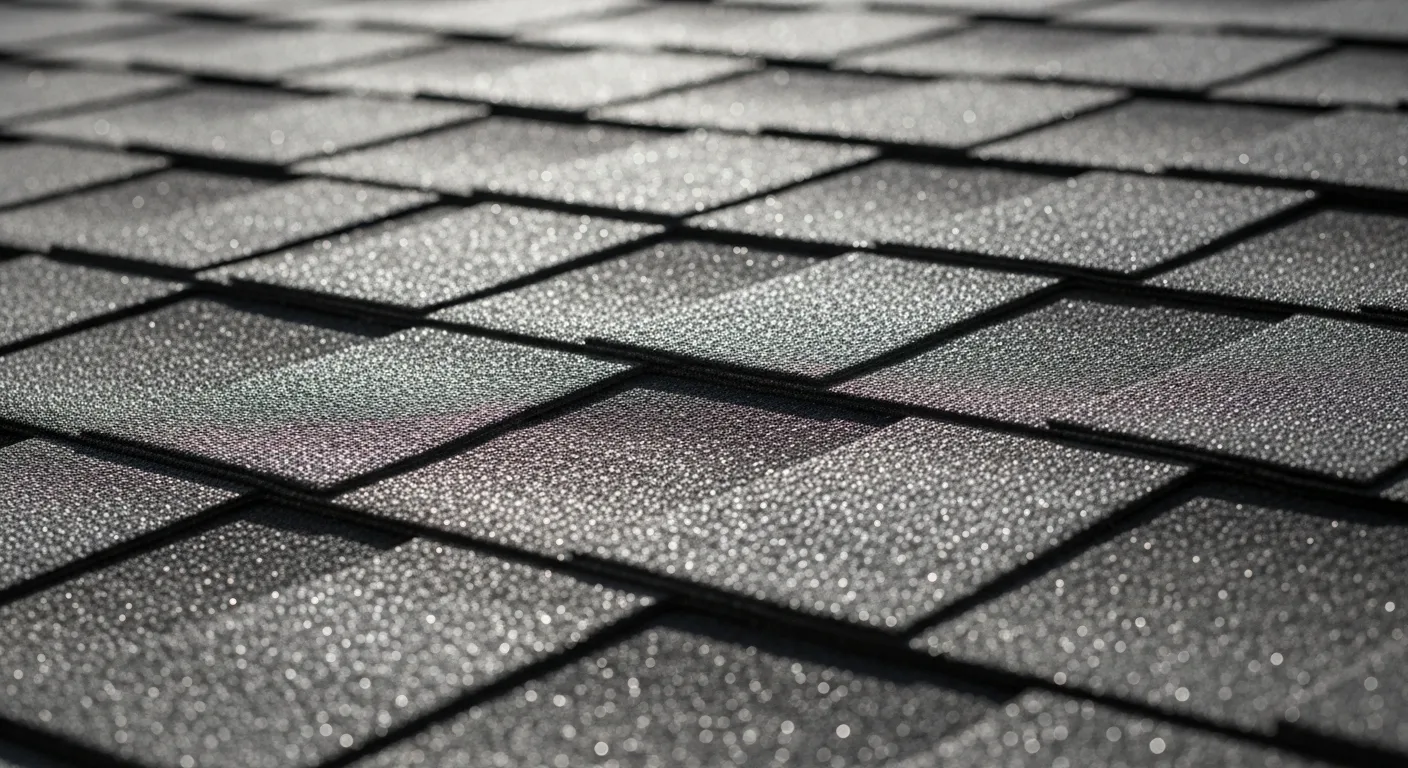
For Texas Panhandle applications, Class 4 impact-resistant shingles represent the gold standard for residential protection. Leading manufacturers like GAF, Owens Corning, and CertainTeed offer premium systems specifically engineered for extreme weather conditions.
Recommended Features:
- Class 4 impact rating with UL 2218 certification
- Enhanced wind resistance rated to 130+ mph
- Superior thermal reflectivity to reduce cooling costs
- Advanced granule technology for extended UV protection
- Reinforced membrane construction for puncture resistance
The most effective systems combine impact-resistant shingles with upgraded underlayment, enhanced ventilation systems, and properly installed flashing details. This comprehensive approach addresses the entire roofing system rather than individual components, ensuring optimal performance under extreme weather conditions.
For commercial applications, explore our commercial roofing services page to learn about single-ply membrane systems and built-up roofing options that provide superior hail resistance for flat and low-slope installations.
What to Expect During the Installation Process
Professional impact-resistant shingle installation typically requires 1-3 days for residential projects, depending on roof complexity and square footage. The process begins with comprehensive material removal, deck inspection, and any necessary structural repairs to ensure optimal performance.
Installation Sequence:
- Complete tear-off and debris removal
- Deck inspection and repair as needed
- Ice and water shield installation in critical areas
- High-performance synthetic underlayment application
- Impact-resistant shingle installation with enhanced fastening
- Ridge cap and ventilation system completion
- Final inspection and warranty documentation
Quality installations require specific attention to fastener placement, membrane seam integrity, and proper ventilation to maximize the system's R-value and thermal performance. Experienced contractors understand that impact-resistant shingles demand precise installation techniques to achieve their rated performance specifications.
During installation, professional contractors will coordinate with local building officials to ensure compliance with updated wind load requirements and energy efficiency standards that may affect your project.
Why Choosing the Right Contractor Matters
Impact-resistant shingle installation requires specialized knowledge of manufacturer specifications, local building codes, and extreme weather performance requirements. Not all roofing contractors possess the training and experience necessary to maximize these premium systems' protective capabilities.
Qualified contractors maintain current manufacturer certifications, carry comprehensive insurance coverage, and understand the nuances of Texas Panhandle weather patterns. They recognize that proper installation directly impacts warranty coverage, insurance claim eligibility, and long-term performance under severe weather conditions.
Essential Contractor Qualifications:
- Current manufacturer certifications for impact-resistant systems
- Local references and storm damage restoration experience
- Comprehensive insurance and bonding coverage
- Understanding of local building codes and permit requirements
- Emergency service capabilities for post-storm issues
Working with experienced local contractors also ensures faster response times for warranty issues and maintenance needs. Check our hail and wind damage repair page to understand how professional contractors approach storm damage assessment and insurance claim support.
Don't wait for the next severe weather event to protect your most valuable investment. Contact CRS Roofing & Construction today for a comprehensive roofing assessment and detailed proposal for impact-resistant shingle installation. Our certified professionals will evaluate your current system, explain your upgrade options, and provide transparent pricing that helps you make an informed decision. Schedule your consultation now—before hail season puts your property at risk and premium pricing takes effect. Call us or request your free estimate online to secure your appointment with Amarillo's most trusted roofing specialists.
According to National Severe Storms Laboratory research, the Texas Panhandle falls within "Hail Alley," where atmospheric conditions create the perfect storm for severe hailstone development. Impact-resistant shingles must meet stringent UL 2218 testing standards, which simulate hail impacts using steel balls dropped from specific heights. Class 4 impact-resistant shingles—the highest rating available—can withstand impacts from 2-inch diameter steel balls dropped from 20 feet, equivalent to large hailstones traveling at terminal velocity.
The extreme temperature fluctuations characteristic of our region, where summer temperatures routinely exceed 100°F and winter lows plummet below freezing, create additional stress on roofing materials through thermal cycling. Traditional asphalt shingles experience accelerated aging and brittleness under these conditions, making them even more vulnerable to hail damage. Modern impact-resistant shingles from manufacturers like GAF's Timberline line incorporate polymer-modified asphalt and reinforced mat construction specifically engineered to maintain flexibility across extreme temperature ranges while providing superior impact resistance.
From a code compliance perspective, the International Building Code (IBC) increasingly recognizes the importance of impact-resistant roofing in high-risk areas. While not yet mandated in all Texas jurisdictions, many insurance providers now offer significant premium discounts—sometimes 10-15%—for properties with Class 4 impact-resistant roofing systems. Additionally, the Insurance Institute for Business & Home Safety (IBHS) FORTIFIED standards specifically recommend impact-resistant shingles as part of comprehensive storm-resilient construction practices.
Installation quality becomes critical with impact-resistant shingles, as improper fastening or inadequate deck preparation can compromise their protective capabilities. These premium products require specific installation techniques, including proper nail placement, adequate ventilation systems to manage the intense Texas heat, and compatibility with existing structural components. Professional installation ensures compliance with manufacturer warranties, which often extend 10-15 years longer than traditional shingle warranties when impact-resistant products are properly installed according to NRCA best practices.