Receiving a large insurance payout after storm damage in the Texas Panhandle creates both opportunity and urgency. While that check represents validation of your roof's condition, delaying action exposes your building envelope to escalating damage from Amarillo's extreme weather cycles. Every day you wait, temperature swings between scorching summers and frigid winters stress compromised membrane seams, while potential moisture intrusion threatens your property's structural integrity and indoor air quality.
The decision isn't just about repairing visible damage—it's about protecting your investment from the next inevitable hailstorm, windstorm, or temperature extreme that defines our High Plains climate. With insurance payouts often reflecting comprehensive damage assessments, this moment represents your best opportunity to upgrade your roofing system's long-term performance and resilience.
When Professional Roof Replacement Becomes Essential
Insurance companies don't issue substantial payouts for minor cosmetic damage. When your adjuster approves significant compensation, it typically indicates widespread impact to your roof's protective capabilities. In the Texas Panhandle, several factors make professional replacement the prudent choice over extensive repairs.
Wind uplift damage often extends beyond visible shingle loss or membrane punctures. High winds can compromise fastening systems throughout your roof structure, creating vulnerable points that won't withstand future weather events. According to the Insurance Institute for Business & Home Safety, properly installed roofing systems must resist wind speeds up to 130 mph—common during Texas Panhandle storms.
Hail damage presents another critical consideration. While surface granule loss might seem manageable, impact damage often creates micro-fractures in asphalt shingles or membrane materials. These compromised areas accelerate weathering and reduce your roof's effective lifespan by decades. The building envelope's thermal performance also suffers when insulation becomes moisture-contaminated through these compromised areas.
Age compounds these concerns significantly. If your existing roof approaches 15-20 years old, extensive repair work essentially amounts to expensive temporary measures. Modern roofing materials offer superior thermal reflectivity, enhanced wind resistance, and longer warranty periods that justify the additional investment beyond basic repairs.
Key Decision Factors: Maximizing Your Insurance Investment
Several critical factors should guide your replacement versus repair decision, particularly when insurance funding removes the primary cost barrier. Understanding these elements ensures you maximize both your payout and long-term property protection.
Lifecycle Cost Analysis reveals replacement's financial advantage. While repairs might cost 40-60% of replacement expenses, they typically extend roof life by only 5-8 years. Complete replacement provides 20-30 year protection with comprehensive warranty coverage. When insurance covers the majority of replacement costs, your out-of-pocket investment delivers exceptional long-term value.
Code Compliance Updates represent another compelling factor. Older roofs often lack current building code requirements for wind resistance, fire ratings, or energy efficiency standards. Replacement ensures compliance with current Texas building codes while potentially qualifying for insurance premium reductions through fortified construction standards.
Material Upgrade Opportunities become financially feasible with insurance funding. Premium materials like architectural shingles, modified bitumen membranes, or thermoplastic polyolefin (TPO) systems offer enhanced durability and energy efficiency. These upgrades typically cost 15-25% more than basic materials but deliver significantly improved performance against Texas Panhandle weather extremes.
Timeline considerations also favor replacement. Extensive repairs often require multiple phases, extending weather exposure risks and disrupting property operations. Complete replacement typically concludes within 1-2 weeks, minimizing exposure to additional storm damage during our volatile spring and summer seasons.
Material and System Recommendations for Texas Panhandle Conditions
Selecting appropriate roofing materials maximizes your insurance investment while ensuring long-term performance against our region's challenging climate conditions. Different building types require specific material considerations for optimal results.
For residential applications, impact-resistant shingles earn Class 4 ratings from UL Solutions, providing superior hail protection while maintaining attractive aesthetics. These materials feature reinforced mat construction and polymer-modified asphalt that resists cracking under impact stress. Many insurance companies offer premium discounts for Class 4 installations, improving your long-term cost recovery.
Commercial buildings benefit from single-ply membrane systems designed for Texas conditions. TPO and EPDM membranes offer excellent thermal reflectivity, reducing cooling costs during our extended summer seasons. Properly installed membrane systems with mechanically fastened or fully adhered applications resist wind uplift forces while providing decades of reliable moisture protection.
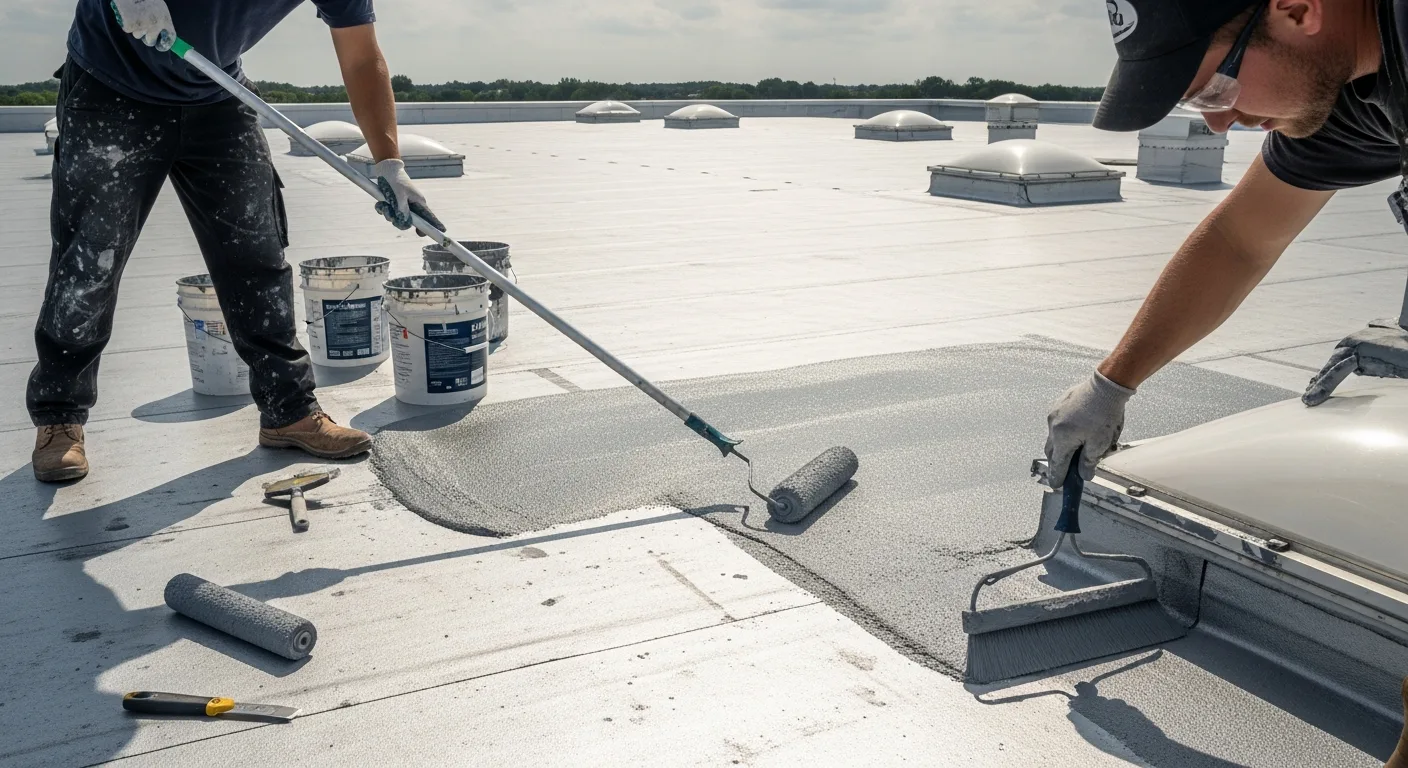
Metal roofing systems deserve consideration for both residential and commercial applications. Standing seam metal roofs offer exceptional wind resistance, fire protection, and longevity. While initial costs exceed traditional materials, their 40-50 year lifespan and minimal maintenance requirements deliver outstanding lifecycle value. Cool roof coatings enhance thermal performance, potentially reducing energy costs by 10-20% annually.
Insulation upgrades complement any material selection, improving R-value and moisture control. Spray foam insulation creates superior air sealing while enhancing structural strength. These improvements often qualify for energy efficiency rebates that further offset replacement costs.
What to Expect During the Professional Replacement Process
Understanding the replacement timeline and process helps you plan effectively while ensuring quality installation that maximizes your insurance investment and long-term roof performance.
Initial consultation involves comprehensive damage assessment beyond insurance adjuster evaluations. Professional contractors examine structural decking, flashing systems, ventilation adequacy, and insulation condition. This thorough evaluation identifies upgrade opportunities and ensures replacement specifications address all performance deficiencies.
Permit acquisition and material ordering typically require 1-2 weeks, depending on material availability and local building department scheduling. Premium materials might extend this timeline slightly, but superior performance justifies the brief delay. During this period, temporary weatherization protects your property from additional moisture intrusion.
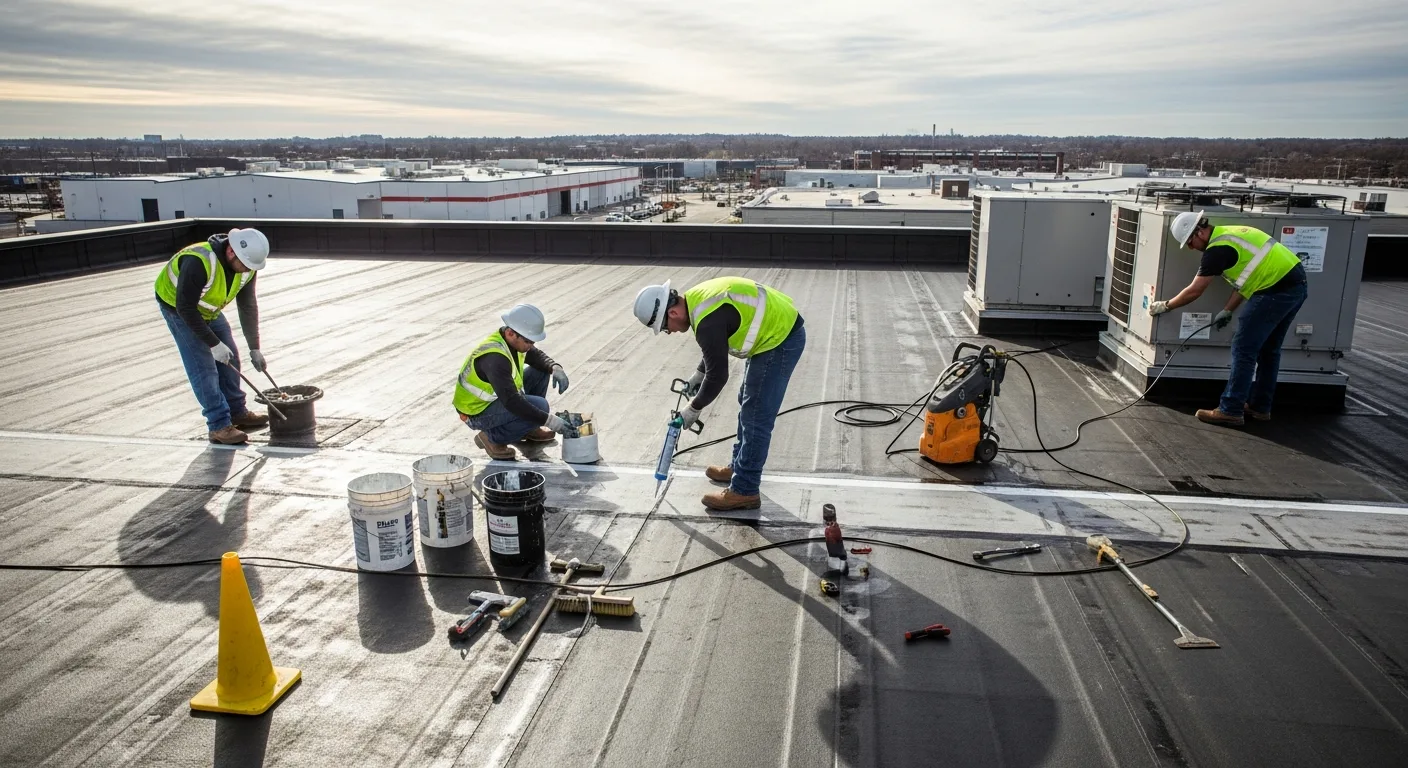
Installation phases proceed systematically to minimize weather exposure. Tear-off and decking inspection occur first, revealing any structural damage requiring attention. Underlayment installation follows, creating immediate weather protection while ensuring proper material sequencing. Final material installation typically completes within 2-5 days, depending on building size and complexity.
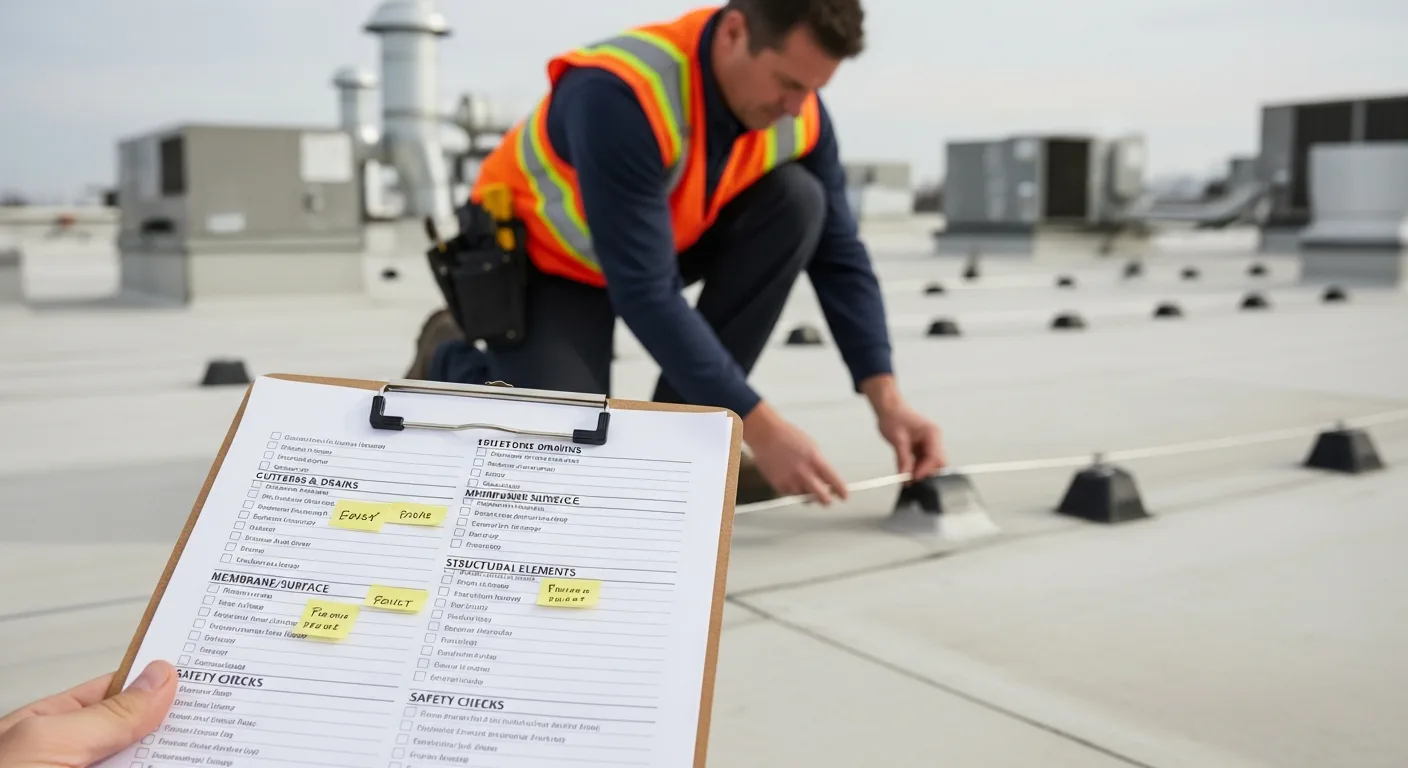
Quality assurance inspections verify proper installation techniques, flashing details, and ventilation integration. Professional contractors provide comprehensive documentation supporting warranty claims and future insurance inspections. This attention to detail ensures your investment delivers expected performance throughout the material's rated lifespan.
For commercial applications, explore our commercial roofing services page to understand specialized installation techniques and material options suited to larger building envelopes and complex roof configurations.
Why Choosing the Right Contractor Determines Success
Your contractor selection ultimately determines whether your insurance payout delivers lasting value or creates future problems requiring additional expensive corrections. Several critical factors distinguish professional roofing contractors from less qualified alternatives.
Local experience with Texas Panhandle conditions proves invaluable for material selection and installation techniques. Contractors familiar with our wind patterns, hail frequency, and temperature extremes specify appropriate materials and installation methods. This regional expertise prevents common failures that compromise roof performance and void warranty coverage.
Insurance industry relationships streamline the claims process while ensuring proper documentation. Experienced contractors understand adjuster requirements, supplemental claim procedures, and depreciation recovery processes. This expertise maximizes your payout while minimizing administrative complications.
Manufacturer certifications verify installation competency and unlock enhanced warranty benefits. GAF Master Elite, Owens Corning Platinum, and CertainTeed SELECT ShingleMaster programs provide extended warranty coverage and material defect protection. These certifications require ongoing training and quality standards that protect your investment.
Comprehensive licensing and insurance coverage protect your property and financial interests. Verify general liability coverage, workers' compensation insurance, and bonding adequacy before contract execution. Proper coverage prevents personal liability for workplace injuries or installation damages.
Visit our hail and wind damage repair page to understand our comprehensive approach to storm damage restoration and insurance claim support throughout the Texas Panhandle region.
Don't let your insurance payout expire while your property remains vulnerable to Texas Panhandle weather extremes. CRS Roofing & Construction combines three decades of regional experience with manufacturer-certified installation techniques that maximize your insurance investment. Our comprehensive approach ensures proper material selection, professional installation, and complete warranty protection. Contact us today at (806) 622-7663 for your complimentary damage assessment and replacement consultation. Your roof's protection can't wait—schedule your appointment now and secure your property's future against the next inevitable storm.
The Texas Panhandle's unique climate demands roofing systems engineered for extreme conditions. According to NOAA weather data, our region experiences some of the nation's most severe temperature fluctuations, with summer highs exceeding 100°F and winter lows dropping below 0°F. This thermal cycling creates expansion and contraction stresses that can fatigue compromised roofing materials rapidly. When combined with our area's notorious hail corridors and sustained winds often exceeding 60 mph, damaged roofing systems face accelerated deterioration that makes timely replacement critical.
Modern roofing materials specifically designed for high-wind zones offer superior performance compared to basic repairs on damaged systems. GAF's Timberline HD shingles, for instance, carry wind resistance ratings up to 130 mph when properly installed, while impact-resistant options like TAMKO's Heritage Impact-Resistant shingles meet UL 2218 Class 4 standards for hail resistance. For commercial applications, single-ply membranes such as Carlisle's Sure-Weld TPO systems provide superior puncture resistance and thermal stability essential for our climate extremes.
Safety considerations also support professional replacement over piecemeal repairs. The Occupational Safety and Health Administration reports that falls from roofs account for the majority of construction-related fatalities, making multiple repair visits inherently riskier than a single, comprehensive replacement project. Additionally, building codes have evolved significantly in recent years, and International Code Council standards now require enhanced fastening patterns, improved flashing details, and upgraded underlayment systems that weren't mandatory when older roofs were originally installed.
Energy efficiency represents another compelling factor in the replacement decision. The U.S. Department of Energy emphasizes that properly installed roofing systems with adequate insulation can reduce cooling costs by 10-15% in hot climates like ours. When insurance payouts cover replacement costs, upgrading to energy-efficient materials and improved R-value insulation systems becomes financially advantageous, providing long-term utility savings that partially offset out-of-pocket expenses.