Whether you're planning a residential roof replacement or managing a commercial building project, understanding realistic timelines helps you prepare for the disruption and coordinate with contractors effectively. The duration of roof replacement varies dramatically based on multiple factors, from building size and material complexity to weather conditions and permit requirements.
What Determines Roof Replacement Duration
Several critical factors influence how long your roof replacement will take, and understanding these variables helps set realistic expectations for your project timeline.
Property Size and Complexity
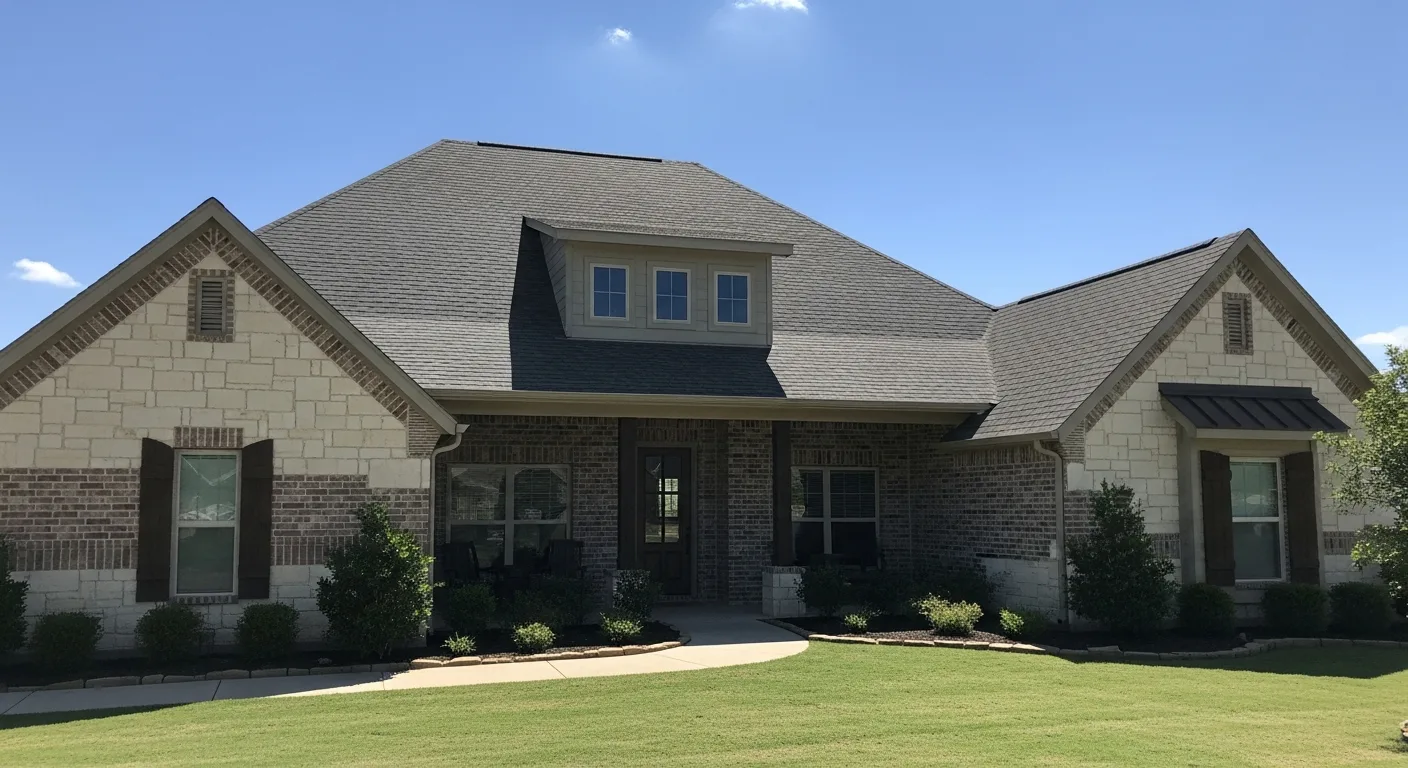
The most obvious factor affecting timeline is the size of your roof system. A simple 1,500-square-foot ranch home with straightforward gable construction typically requires 1-2 days for completion, while a 4,000-square-foot home with multiple levels, dormers, and complex roof lines may take 3-5 days. Commercial properties present entirely different challenges, with large warehouses or office buildings requiring weeks or even months depending on the building envelope complexity.
Roof pitch also significantly impacts installation speed. Steep slopes require additional safety measures and slower work pace, while low-slope commercial membrane systems demand careful attention to drainage dynamics and seam integrity.
Material Selection Impact
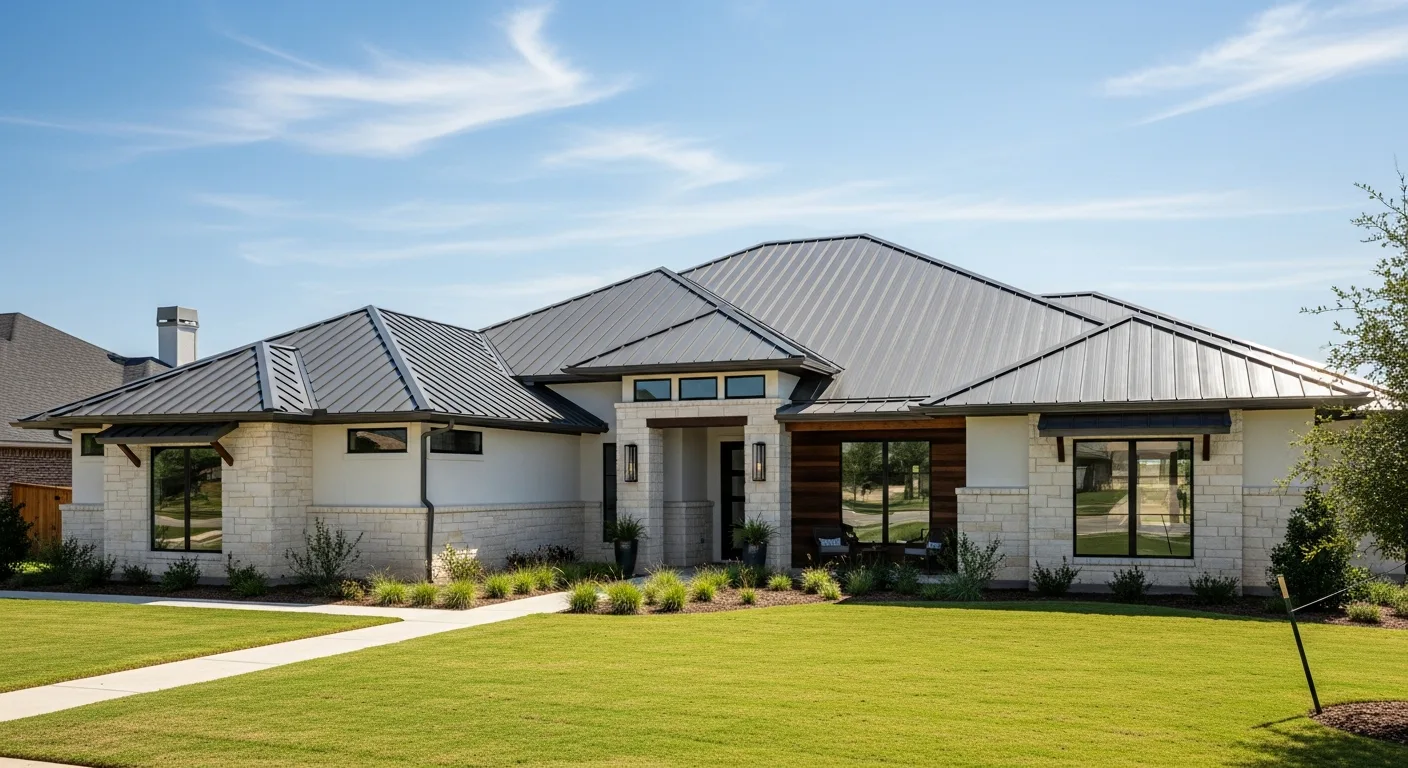
Different roofing materials require varying installation techniques and timeframes. Standard three-tab asphalt shingles install relatively quickly, while architectural shingles with impact-resistant properties take slightly longer due to their weight and installation precision requirements. Metal roofing systems, increasingly popular in the Texas Panhandle for their wind uplift resistance, require more specialized installation techniques that can extend project timelines.
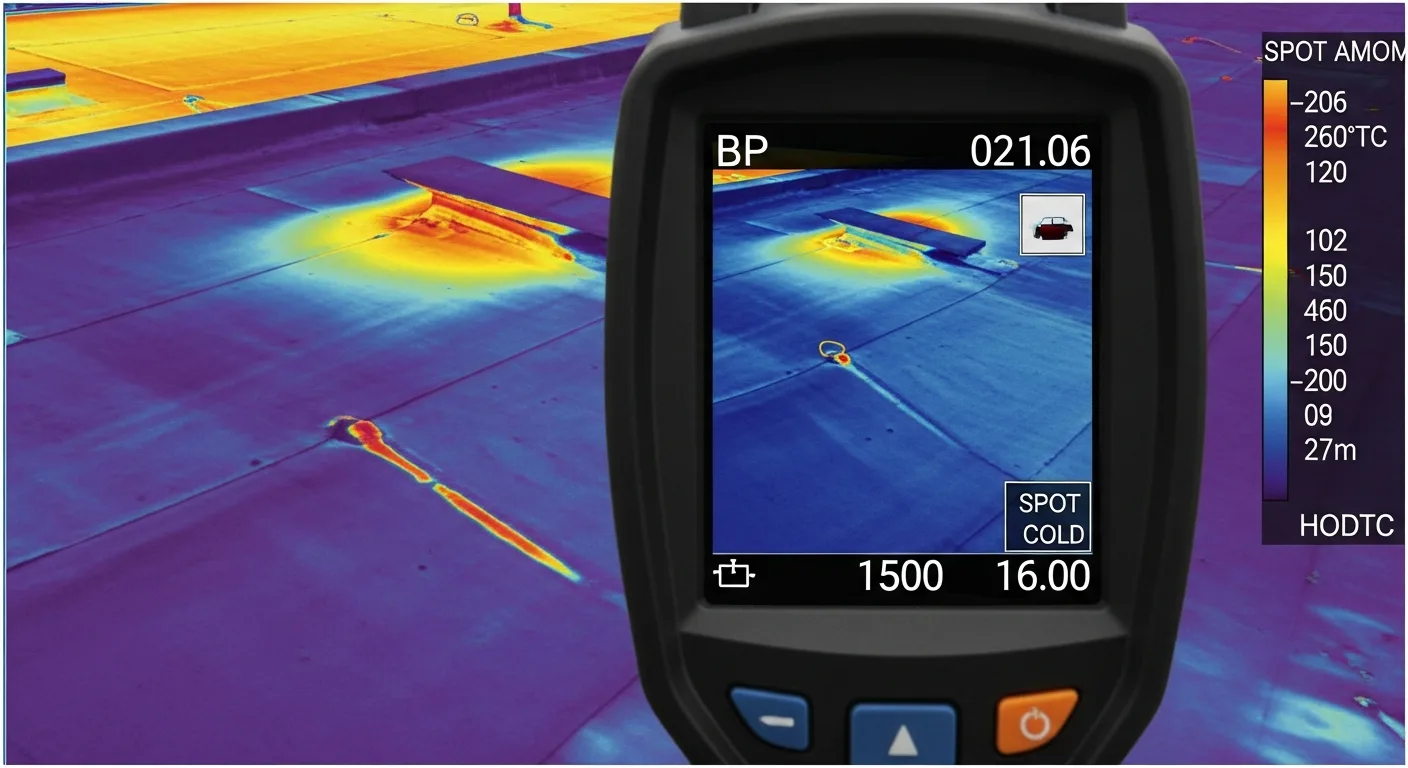
For commercial applications, membrane systems like TPO, EPDM, and PVC each have different installation requirements affecting project duration. Single-ply membranes generally install faster than built-up roofing systems, but proper adhesion and seaming require optimal weather conditions.
Typical Timeline Expectations by Property Type
Residential Roof Replacement Timelines
Most residential roof replacements in the Amarillo area follow predictable patterns based on home characteristics:
- Small homes (under 2,000 sq ft): 1-2 days for standard shingle installation
- Average homes (2,000-3,000 sq ft): 2-3 days with moderate complexity
- Large homes (3,000+ sq ft): 3-5 days, especially with multiple roof levels
- Complex architectural features: Add 1-2 additional days for dormers, skylights, or unusual configurations
These timelines assume favorable weather conditions and standard asphalt shingle installation. Homes requiring extensive decking repair or structural modifications will require additional time for proper building envelope restoration.
Commercial Roof Replacement Schedules
Commercial projects operate on entirely different timescales due to size, complexity, and business continuity requirements:
- Small commercial buildings: 3-7 days for straightforward membrane installation
- Medium office buildings: 1-3 weeks depending on roof system complexity
- Large industrial facilities: 1-6 months for comprehensive roof system replacement
- Occupied buildings: Phased installation to minimize business disruption
Commercial projects often require coordination with building operations, making scheduling more complex than residential work. You can learn more on our commercial roofing services section about specialized approaches for different building types.
Weather and Seasonal Considerations
The Texas Panhandle's climate significantly impacts roof replacement scheduling and duration. High winds, sudden hailstorms, and extreme temperature fluctuations can halt work unexpectedly, extending project timelines beyond initial estimates.
Spring and fall typically offer the most favorable installation windows, with moderate temperatures and relatively stable weather patterns. Summer's intense heat and UV exposure can make working conditions challenging, particularly for thermal reflectivity installations requiring precise application temperatures. Winter work remains possible but may require additional scheduling flexibility due to shorter daylight hours and occasional severe weather events.
National Weather Service forecasting becomes crucial for project planning, as even brief thunderstorms can interrupt membrane installations or shingle work requiring specific temperature ranges.
Factors That Can Extend Project Duration
Structural Issues and Repairs
Discovering structural damage during tear-off significantly impacts project timelines. Rotten decking, damaged trusses, or inadequate ventilation systems require immediate attention before new roofing installation can proceed. These unexpected repairs can add 1-3 days to residential projects and weeks to commercial installations.
Moisture intrusion damage often reveals itself only after old roofing removal, making thorough initial inspections crucial for accurate timeline estimates. Buildings with ponding water issues or inadequate drainage require additional time for proper slope corrections and drainage system modifications.
Permit and Inspection Requirements
Depending on your local jurisdiction, building permits and inspections can affect project scheduling. Most residential re-roofing projects proceed without significant permit delays, but commercial installations or structural modifications may require multiple inspection phases that impact overall timeline.
Working with experienced contractors familiar with local permit requirements helps minimize these delays and ensures proper coordination with building officials.
How Storm-Prone Areas Affect Replacement Timelines
Living in the Texas Panhandle means dealing with severe weather patterns that significantly impact roof replacement scheduling and duration. High winds and frequent hailstorms create unique challenges for roofing contractors and property owners alike.
Post-storm demand surge dramatically affects availability and scheduling, often extending typical timelines by weeks or months during peak damage periods. Contractors prioritize emergency repairs and weatherization before beginning full replacements, creating backlogs during severe weather seasons.
Installing impact-resistant shingles or enhanced wind uplift resistance systems requires additional attention to fastening patterns and installation specifications, potentially adding time to standard installation procedures. However, these investments in roof system lifespan prove valuable during the region's frequent severe weather events.
For properties requiring immediate protection, temporary weatherization measures may be necessary while awaiting full replacement scheduling. Our hail and wind damage repair page provides detailed information about emergency stabilization options.
When to Call a Professional Roofer
Accurate timeline estimation requires professional assessment of your specific property and project requirements. Experienced roofing contractors evaluate all factors affecting duration and provide realistic scheduling expectations based on current workload, material availability, and seasonal conditions.
Professional roofers also coordinate permit applications, material delivery, and waste disposal logistics that significantly impact overall project efficiency. Their experience with local weather patterns and building requirements helps avoid common delays that extend replacement timelines unnecessarily.
Don't let timeline uncertainty delay necessary roof replacement. Visit our residential roofing service page or explore our roof inspection services to schedule a comprehensive evaluation. Our experienced team provides detailed project timelines tailored to your specific property and requirements, helping you plan effectively for your roof replacement investment.
The Texas Panhandle's extreme climate conditions significantly impact roof replacement timelines and require specialized consideration. With average summer temperatures exceeding 100°F and frequent hailstorms producing stones larger than golf balls, material selection and installation timing become critical factors. NOAA weather data shows the Amarillo region experiences some of the nation's most severe hail activity, making impact-resistant materials essential for long-term performance.
Commercial projects in the Texas Panhandle often require specific membrane systems designed for extreme temperature fluctuations. Single-ply roofing systems like TPO and EPDM must meet stringent SPRI wind uplift standards due to the region's consistent high winds averaging 15-20 mph year-round. Installation crews must account for thermal expansion and contraction cycles that can exceed 120°F differential between winter lows and summer highs, requiring additional fastening patterns and membrane reinforcement.
Safety protocols significantly extend project timelines during extreme weather periods. OSHA fall protection requirements mandate work stoppages when wind speeds exceed 25 mph or during active precipitation, common occurrences in the Texas Panhandle. Professional contractors typically schedule installations during optimal weather windows, often requiring project timelines to extend 2-3 weeks beyond initial estimates to accommodate weather delays.
For residential applications, impact-resistant shingles meeting UL 2218 Class 4 standards have become the regional standard. Products like GAF's Timberline HDZ RS series or TAMKO's Heritage IR require specialized installation techniques that can add 20-30% to standard installation time but provide essential protection against the region's severe weather patterns.
Energy efficiency considerations also affect timeline planning in the Texas Panhandle. Cool roof technologies with high solar reflectance values help combat extreme summer heat, but proper installation of reflective membranes or coatings requires specific temperature and humidity conditions, potentially extending commercial project schedules during peak summer months when cooling benefits are most needed.
Building code compliance in Texas requires adherence to International Building Code wind load requirements, with the Amarillo region classified in Wind Zone II requiring enhanced fastening schedules and edge securement details. These additional code requirements typically add 15-20% to installation time but ensure structural integrity during the region's frequent severe weather events.