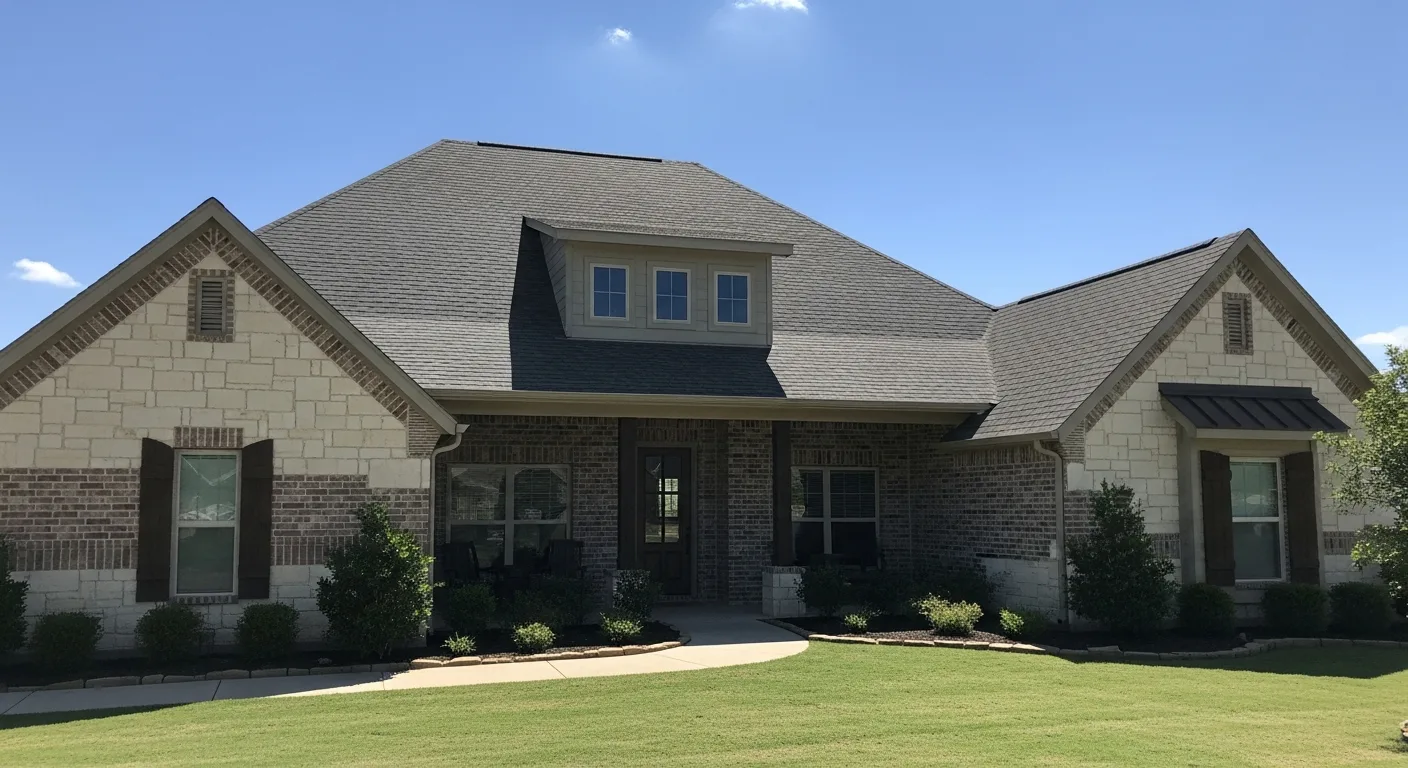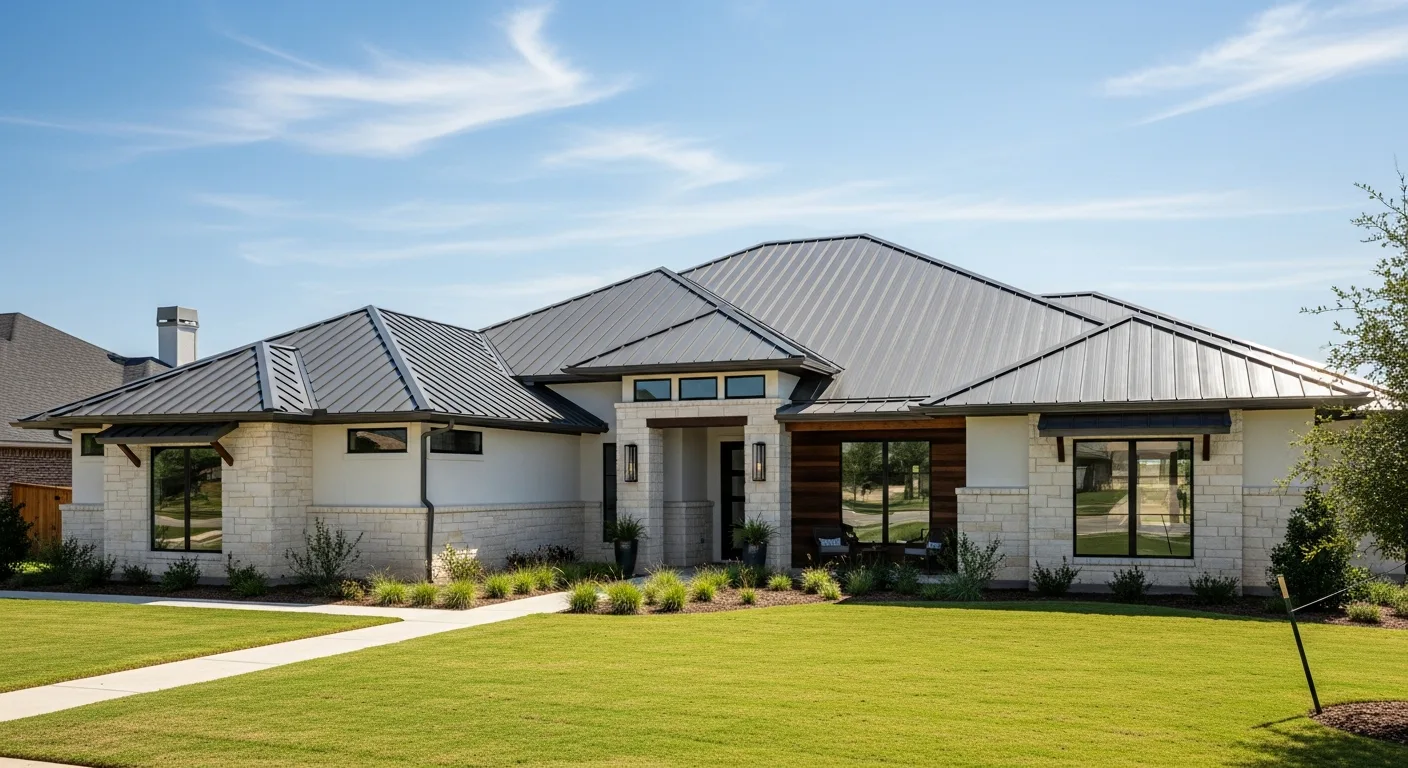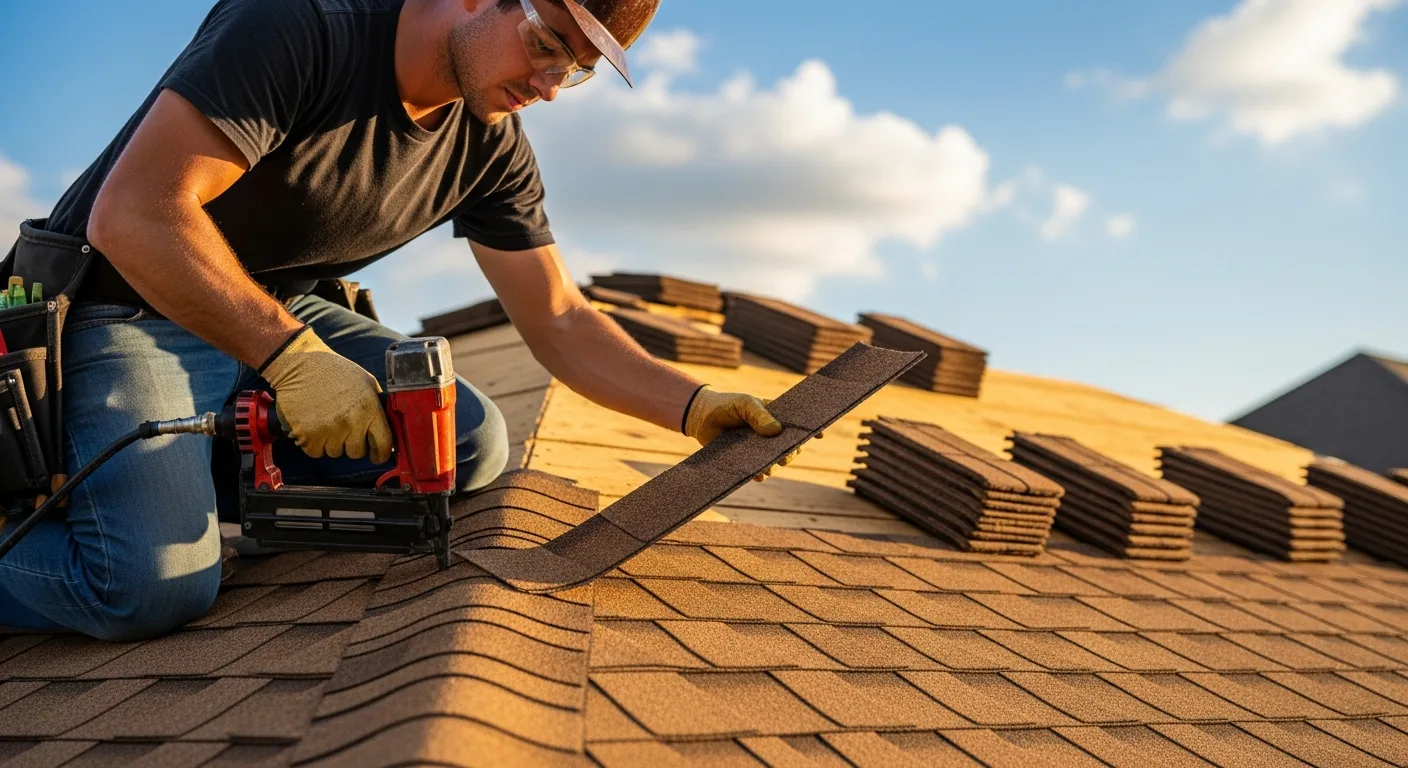
Replacing your roof represents one of the most significant investments you'll make in your property, but it's also one of the most rewarding. Beyond protecting your building envelope from the elements, a new roof system delivers substantial returns through increased property value and enhanced energy efficiency—two benefits that continue paying dividends long after installation.
What Roof Replacement Means for Your Investment
A roof replacement involves more than simply swapping old shingles for new ones. Modern roofing systems integrate advanced materials, improved ventilation, and energy-efficient technologies that transform your property's performance. The National Roofing Contractors Association emphasizes that today's roofing materials offer superior durability, weather resistance, and thermal performance compared to systems installed even a decade ago.
When evaluating roof replacement, consider the comprehensive benefits: enhanced curb appeal, improved structural protection, reduced maintenance costs, and significant energy savings. These factors combine to create measurable increases in both property value and operational efficiency.
Property Value Increases from Roof Replacement
Real estate professionals consistently rank roof replacement among the top home improvements for return on investment. A new roof system typically recovers 60-70% of its cost in immediate property value increase, with some markets seeing even higher returns.
Market Value Impact
Property appraisers consider roof condition a critical factor in home valuation. A deteriorating roof can decrease property value by 10-15%, while a new roof often increases value by 15-30%. The exact impact depends on several factors:
- Local real estate market conditions
- Quality and type of roofing materials selected
- Professional installation with proper warranties
- Integration with overall property condition and style
- Energy efficiency improvements achieved
Buyer Appeal and Marketability
Properties with new roofs sell faster and command higher prices. Potential buyers view a recently replaced roof as eliminating a major expense concern, making your property more attractive than comparable homes with aging roof systems. This psychological advantage often translates into quicker sales and stronger negotiating positions.
Energy Efficiency Gains from Modern Roofing
Today's roofing materials and installation techniques deliver dramatic improvements in energy efficiency, reducing heating and cooling costs while enhancing indoor comfort. The Department of Energy reports that proper roofing upgrades can reduce energy consumption by 10-40%.
Advanced Material Technologies
Modern roofing materials incorporate sophisticated technologies that previous generations lacked:
- Cool roof technology: Reflective shingles and membranes reduce heat absorption, lowering cooling costs significantly
- Enhanced insulation systems: Improved R-values and thermal barriers minimize heat transfer
- Ventilation integration: Strategic airflow management prevents moisture buildup and temperature extremes
- Solar-reflective granules: Specialized coatings reflect UV radiation while maintaining aesthetic appeal
Thermal Performance Improvements
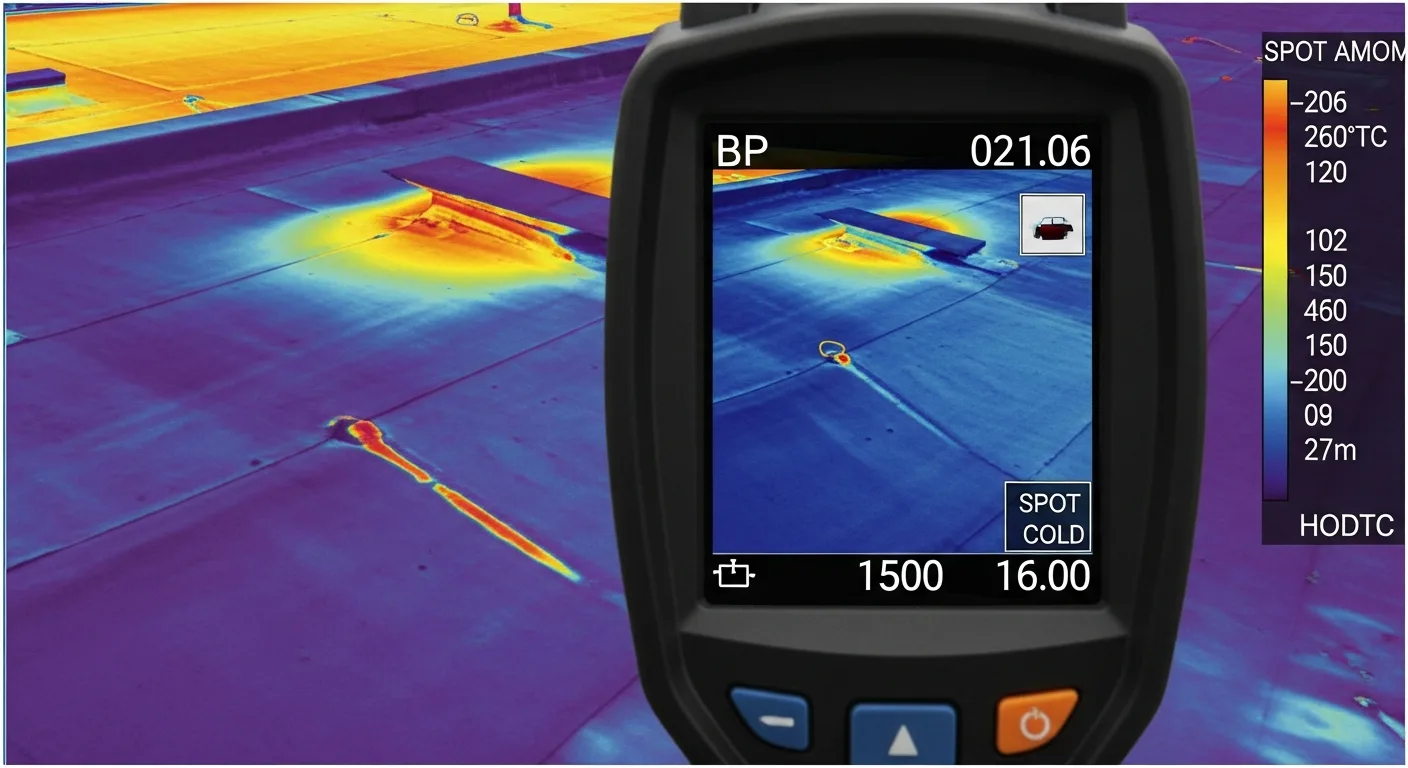
Proper roof replacement addresses thermal bridging and air leakage issues that compromise energy efficiency. Professional installation ensures continuous insulation coverage, eliminates gaps, and creates effective vapor barriers. These improvements reduce the workload on HVAC systems, extending equipment lifespan while lowering utility bills.
Material Selection for Maximum Benefits
Different roofing materials offer varying combinations of value increase and energy efficiency. Understanding these options helps optimize your investment:
Residential Roofing Options
Impact-resistant shingles provide excellent durability and often qualify for insurance discounts, particularly valuable in hail-prone regions. Metal roofing systems offer superior longevity and energy efficiency, though with higher upfront costs. Clay and concrete tiles deliver exceptional thermal performance and distinctive aesthetics that appeal to specific market segments.
For more detailed information about residential material options, learn more on our residential roofing service page.
Commercial Roofing Systems
Commercial properties benefit from single-ply membrane systems like TPO, EPDM, and PVC that provide superior energy efficiency and roof system lifespan. These materials often incorporate reflective surfaces that significantly reduce cooling costs in commercial buildings. Modified bitumen systems offer excellent durability with good thermal performance.
Commercial property owners should visit our commercial roofing services section for comprehensive information about system selection and energy efficiency optimization.
Climate Considerations for the Texas Panhandle
The Texas Panhandle's extreme weather conditions make roof replacement particularly valuable for both property value and energy efficiency. High winds, severe hailstorms, and intense temperature fluctuations demand roofing systems engineered for superior performance.
Weather Resistance Features
Wind uplift resistance becomes critical in this region's frequent severe weather events. Modern roofing systems engineered for high-wind zones provide better protection and often qualify for insurance premium reductions. Impact-resistant materials protect against hail damage while maintaining energy efficiency benefits.
Temperature Management
The region's extreme temperature swings—from scorching summers to frigid winters—make thermal performance crucial. Cool roof systems reduce summer cooling costs, while proper insulation and air sealing minimize winter heating expenses. These features particularly appeal to energy-conscious buyers and deliver measurable utility savings.
Financing and ROI Considerations
Understanding the financial aspects of roof replacement helps maximize both immediate and long-term benefits. Energy-efficient roofing systems often qualify for utility rebates, tax credits, and favorable financing options that improve overall return on investment.
Immediate Cost Savings
Many insurance companies offer discounts for impact-resistant roofing materials and systems that meet specific wind resistance standards. These savings can offset 10-20% of installation costs while providing ongoing premium reductions throughout the roof system lifespan.
Long-term Value Creation
Energy efficiency improvements compound over time, with monthly utility savings accumulating into substantial lifetime benefits. Properties with high-performance roofing systems often command premium rental rates and attract quality tenants who value lower operating costs.
When to Call a Professional Roofer
Maximizing property value and energy efficiency requires expert evaluation and professional installation. A qualified roofing contractor can assess your specific situation, recommend optimal materials, and ensure proper installation techniques that deliver promised performance benefits.
Professional installation becomes particularly important for warranty compliance and insurance requirements. Many manufacturer warranties require certified contractor installation, while insurance companies increasingly scrutinize installation quality when processing claims.
Consider consulting with roofing professionals when your current system shows signs of aging, after severe weather events, or when planning property improvements. Early evaluation helps identify opportunities for value enhancement while preventing costly emergency repairs.
For comprehensive evaluation of your roofing system's condition and replacement benefits, explore our roof inspection services to understand how modern roofing solutions can enhance both your property value and energy efficiency.
In the Texas Panhandle, where extreme weather conditions including severe hailstorms, high winds exceeding 70 mph, and intense UV exposure from over 270 sunny days annually create unique roofing challenges, selecting the right replacement system becomes critical for long-term performance. U.S. Department of Energy research demonstrates that reflective roofing materials can reduce cooling costs by up to 15% in hot climates like Amarillo's, where summer temperatures regularly exceed 90°F.
Modern impact-resistant shingles, such as those meeting UL 2218 Class 4 impact ratings, provide essential protection against the Texas Panhandle's frequent hailstorms. These advanced materials feature polymer-modified asphalt formulations that maintain flexibility even in extreme temperature fluctuations, from winter lows near 20°F to summer highs above 100°F. The enhanced durability translates directly to property value increases, as insurance companies often provide premium discounts for homes with Class 4 rated roofing systems.
Energy efficiency improvements from roof replacement extend beyond material selection to proper ventilation and insulation integration. The National Roofing Contractors Association emphasizes that balanced ventilation systems—incorporating both ridge and soffit vents—can reduce attic temperatures by 30-40°F during peak summer conditions. This temperature reduction directly correlates to decreased HVAC load and extended equipment lifespan, contributing to the overall return on investment.
For commercial properties in the region, single-ply membrane systems offer exceptional performance in high-wind environments. SPRI wind uplift standards require proper attachment methods and frequencies to withstand the extreme wind events common to the Texas Panhandle. TPO and EPDM membranes with high solar reflectance values not only meet Energy Star cool roof requirements but also maintain their reflective properties longer in the region's intense UV environment, ensuring sustained energy savings throughout the membrane's service life.