Property owners often wonder whether they're scheduling roof inspections too frequently—or not often enough. The answer isn't one-size-fits-all: residential and commercial properties have distinctly different inspection needs based on roof complexity, usage patterns, and regulatory requirements. Understanding these differences can help you maintain your building envelope effectively while avoiding costly emergency repairs.
Why Inspection Frequency Matters for Roof System Lifespan
Regular professional inspections serve as your first line of defense against moisture intrusion, structural damage, and premature roof system failure. Unlike basic visual checks from the ground, comprehensive inspections evaluate critical components like flashing integrity, membrane adhesion, and drainage dynamics that aren't visible to untrained eyes.
The National Roofing Contractors Association (NRCA) emphasizes that proactive maintenance programs can extend roof lifespan by 50% or more compared to reactive approaches. This translates to significant cost savings over time, as minor repairs caught early prevent major structural issues that could compromise your entire building envelope.
In the Texas Panhandle, where high winds, hailstorms, and extreme temperature fluctuations create additional stress on roofing materials, consistent inspection schedules become even more critical for maintaining warranty requirements and ensuring adequate wind uplift resistance.
Residential Roof Inspection Guidelines
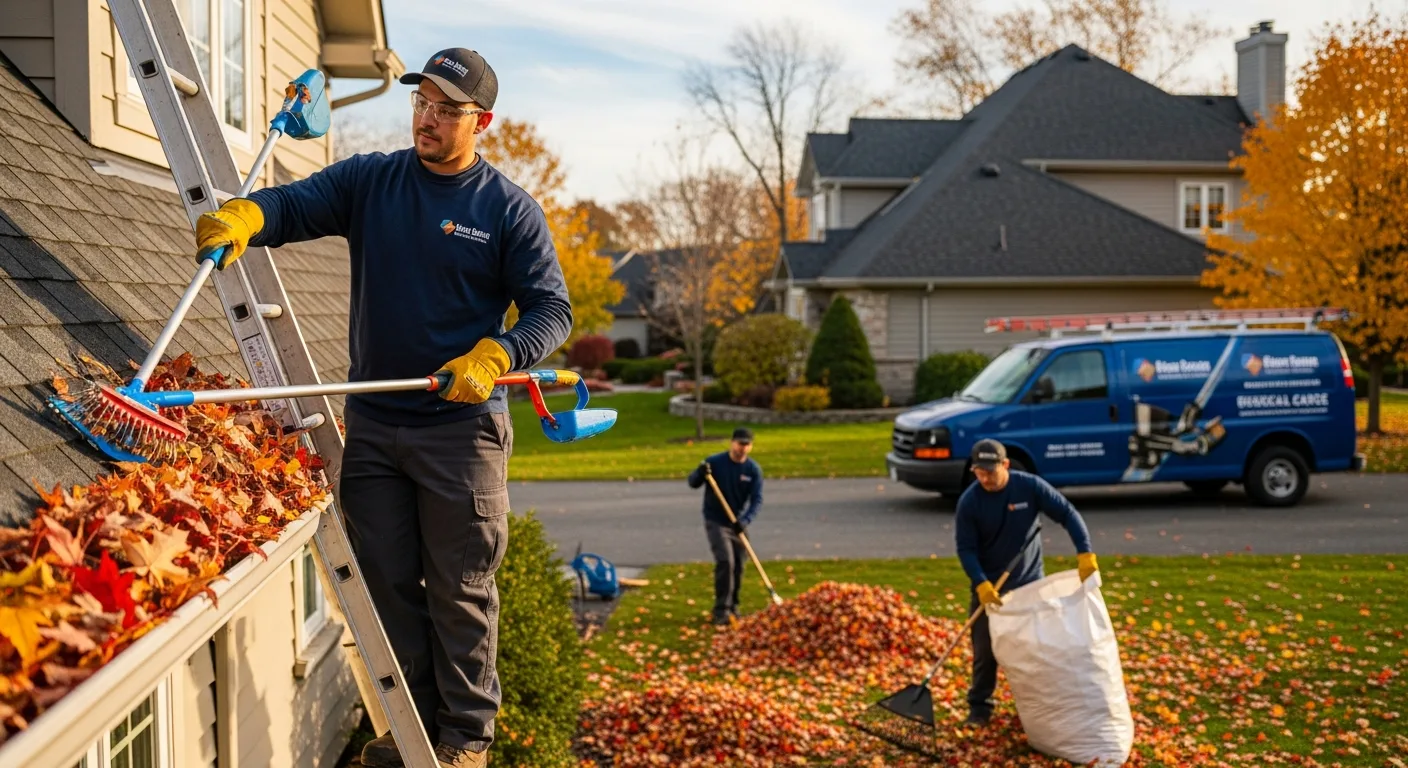
For most residential properties, professional inspections should occur twice annually—ideally in spring and fall. This schedule allows roofing contractors to assess winter damage before the severe weather season and identify any issues that developed during summer's intense UV exposure and heat cycles.
Standard Residential Schedule
- Bi-annual inspections: Spring (March-April) and fall (September-October)
- Post-storm assessments: Within 30-60 days after significant hail or wind events
- Age-based increases: Annual inspections for roofs over 15 years old
- Warranty maintenance: As required by manufacturer specifications
Residential properties benefit from this frequency because homeowner usage patterns are relatively consistent, and most residential roof systems use standardized materials like asphalt shingles or impact-resistant shingles designed for predictable loading conditions.
However, certain factors may require more frequent attention. Homes with complex roof geometries, multiple penetrations, or previous repair history should consider quarterly inspections during the first year after installation or major repairs. You can learn more on our residential roofing service page about specific maintenance requirements for different roofing materials.
Commercial Roof Inspection Requirements
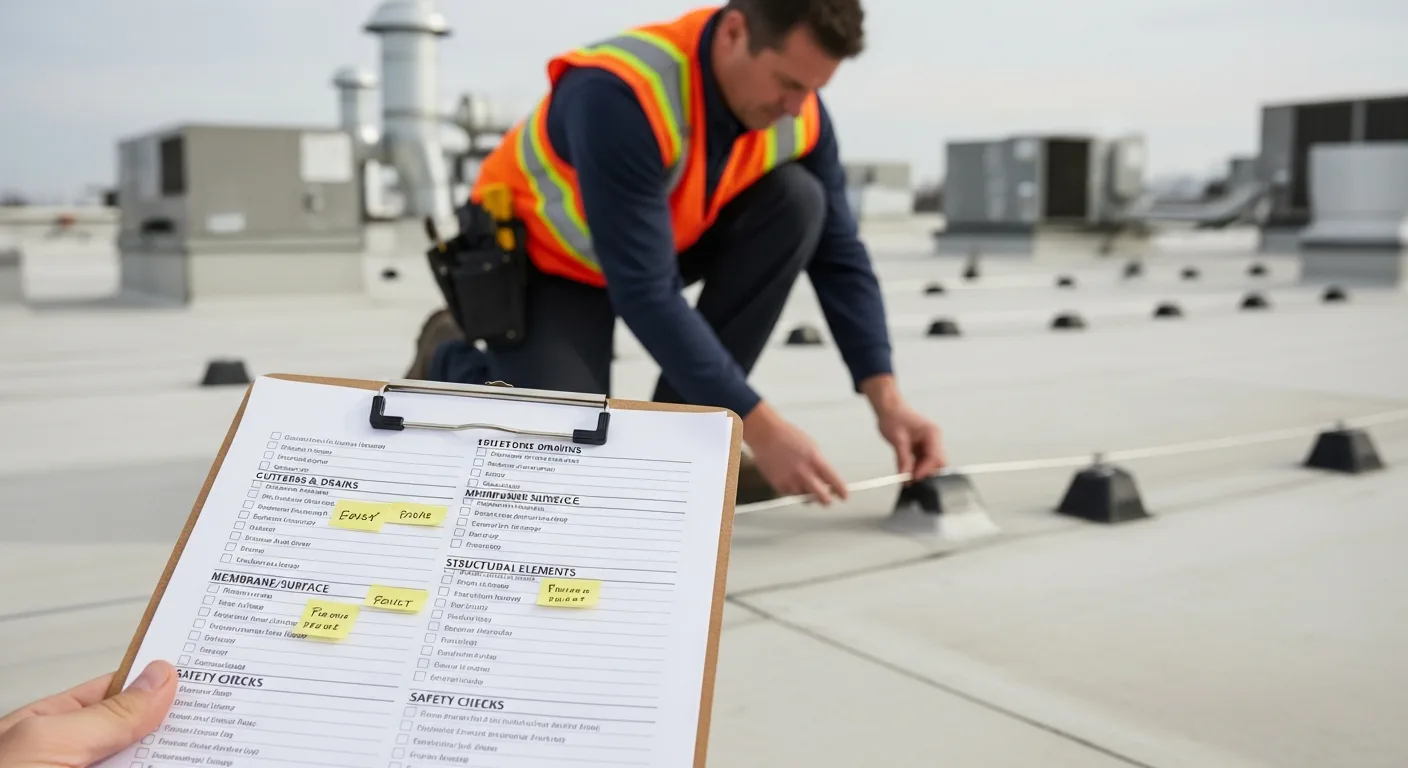
Commercial properties demand more frequent professional attention due to increased complexity, higher liability risks, and often more stringent insurance requirements. Most commercial roofs should receive quarterly professional inspections, with additional assessments based on specific building factors.
Commercial Inspection Framework
- Quarterly inspections: Every 3 months for comprehensive system evaluation
- Monthly walk-throughs: Basic visual assessments by facility management
- Immediate post-storm: Professional evaluation within 48-72 hours after severe weather
- Seasonal deep inspections: Detailed drainage, membrane, and penetration assessments
Commercial membrane systems like TPO, EPDM, and PVC require specialized knowledge to evaluate properly. These single-ply systems can develop issues like membrane shrinkage, seam separation, or ponding water problems that require professional assessment to identify early.
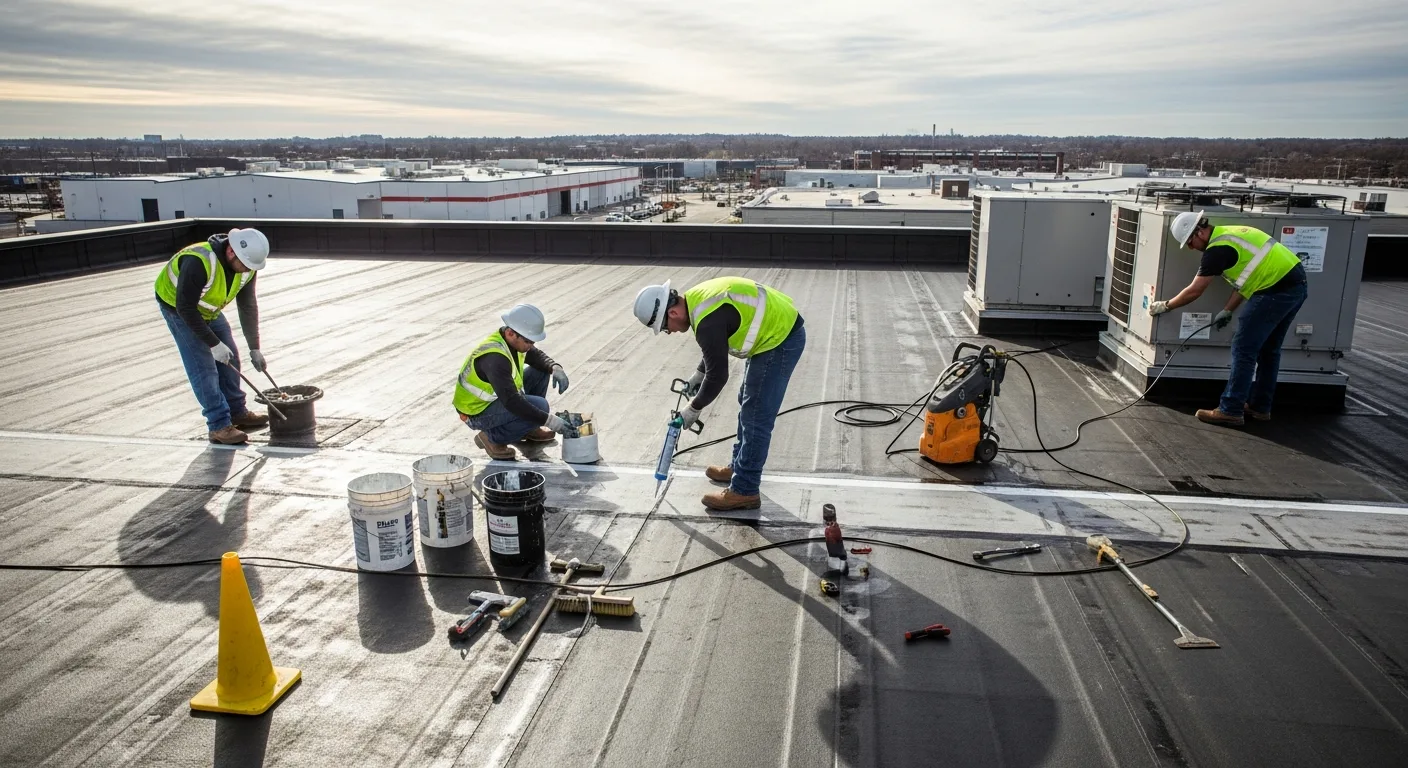
Additionally, commercial properties often have unique considerations such as HVAC equipment, skylights, and roof access requirements that create additional maintenance needs. The Insurance Institute for Business & Home Safety reports that businesses with proactive maintenance programs experience 40% fewer weather-related insurance claims.
Visit our commercial roofing services section for detailed information about maintenance programs tailored to different commercial roof types and business needs.
Factors That Influence Inspection Frequency
Several variables can accelerate or modify your optimal inspection schedule beyond the basic residential versus commercial distinction.
Environmental Factors
Properties in the Texas Panhandle face unique environmental stressors that may warrant increased inspection frequency:
- Hail-prone areas: Properties with documented hail exposure should receive post-storm inspections and potentially more frequent routine assessments
- High wind zones: Buildings in areas with frequent wind speeds above 60 mph benefit from enhanced wind uplift resistance monitoring
- Temperature extremes: Rapid temperature fluctuations can accelerate thermal cycling damage in roofing materials
Roof-Specific Considerations
Certain roof characteristics naturally require modified inspection schedules:
- Age: Roofs approaching or exceeding their expected lifespan need more frequent professional evaluation
- Complexity: Multi-level roofs, extensive penetrations, or unusual geometries require enhanced attention
- Previous issues: Roofs with repair history or known problem areas benefit from increased monitoring
- Material type: Some materials like modified bitumen or built-up systems may require different inspection approaches
Storm-Prone Area Considerations for the Texas Panhandle
Living in a region known for severe weather creates additional inspection requirements that go beyond standard maintenance schedules. The Texas Panhandle's combination of high winds, large hail, and rapid weather changes means that even impact-resistant materials can suffer damage that isn't immediately visible.
Properties in this region should implement storm-response protocols that include professional assessment within 30 days of any significant weather event, regardless of visible damage. FEMA guidelines emphasize that storm damage often develops gradually, with small impacts creating vulnerability points that worsen over time.
Additionally, insurance companies in high-risk areas increasingly require documented maintenance records and professional inspection reports to maintain coverage or process claims effectively. Many insurers now offer premium discounts for properties with certified maintenance programs that include regular professional inspections.
For properties that have experienced storm damage, see our hail and wind damage repair page for information about comprehensive restoration and enhanced inspection protocols during recovery.
Creating an Effective Inspection Schedule
The most effective approach combines professional inspections with property-specific factors to create a customized maintenance schedule. This should include:
Documentation requirements: Maintain detailed records of all inspections, repairs, and weather events affecting your property. This documentation supports warranty claims, insurance processes, and helps identify developing patterns.
Seasonal timing: Schedule major inspections during mild weather periods when contractors can safely access all roof areas and when any identified issues can be addressed before severe weather seasons.
Budget planning: Regular inspections allow for predictable maintenance budgeting and help avoid emergency repair costs that can be significantly higher than planned maintenance.
When to Call a Professional Roofer
While following recommended inspection schedules provides excellent baseline protection, certain situations warrant immediate professional evaluation regardless of your regular timeline:
- After any significant weather event with winds over 50 mph or hail
- Following nearby construction activities that might have affected your roof
- When you notice interior signs like water stains, unusual energy costs, or HVAC performance changes
- If previous inspections identified developing issues that need monitoring
Remember that professional inspections provide value beyond identifying immediate problems—they also establish baseline conditions, verify warranty compliance, and provide documentation that supports insurance coverage and property values.
Ready to establish a proactive maintenance schedule for your property? Explore our roof inspection services to learn how comprehensive professional assessments can protect your investment and provide peace of mind throughout the Texas Panhandle's challenging weather seasons.
Texas Panhandle weather conditions require special attention to specific roofing vulnerabilities during inspections. The region's notorious hailstorms can cause impact damage that compromises shingle granule adhesion and membrane integrity, while sustained winds exceeding 70 mph test the limits of even impact-resistant shingle systems. Professional inspectors trained in storm damage assessment can identify micro-fractures and granule loss patterns that indicate future failure points before they become visible to property owners.
Commercial flat roof systems face additional challenges in the Texas climate, where surface temperatures can exceed 160°F during summer months. TPO and EPDM membrane systems require specialized thermal stress evaluation during peak summer inspections, as excessive heat cycling can cause seam separation and membrane shrinkage. The Single Ply Roofing Industry (SPRI) recommends infrared thermography during commercial inspections to detect moisture intrusion and insulation degradation that aren't visible through standard visual assessment.
Wind uplift resistance becomes critical in areas prone to severe weather events. The International Building Code requires specific wind load calculations based on local geographic conditions, and professional inspections should verify that existing roof systems meet current code requirements for your property's risk zone. This is particularly important for older commercial buildings that may have been constructed under less stringent wind resistance standards.
Safety considerations during inspections cannot be overlooked, especially given the extreme temperatures common in the Texas Panhandle. OSHA guidelines mandate specific fall protection protocols and heat illness prevention measures for rooftop work, making professional inspection services essential rather than attempting DIY assessments. Qualified inspectors carry proper safety equipment and understand heat stress management while conducting thorough evaluations of your roof system's condition.
Documentation standards for professional inspections should include thermal imaging, moisture detection readings, and detailed photographic evidence of any deficiencies found. This comprehensive approach not only supports warranty claims and insurance documentation but also provides baseline data for tracking roof system performance over time, enabling more accurate predictions of maintenance needs and replacement timing.