Ponding water represents one of the most persistent challenges facing commercial flat roof systems, particularly in the Texas Panhandle where intense storms can overwhelm drainage systems. When water remains standing on a roof surface for more than 48 hours after precipitation, it creates ponding conditions that compromise the building envelope, accelerate membrane deterioration, and increase the risk of catastrophic leaks.
What Ponding Water Means and Why It Matters for Your Commercial Property
Ponding water occurs when inadequate drainage allows precipitation to accumulate in low-lying areas of flat or low-slope roofs. Unlike residential pitched roofs that naturally shed water through gravity, commercial flat roof systems rely on carefully engineered drainage dynamics to move water off the surface efficiently.
The consequences of persistent ponding extend far beyond aesthetic concerns. Standing water creates concentrated loads that stress the roof structure, while constant moisture exposure breaks down membrane materials and adhesives. In the Texas Panhandle's extreme temperature fluctuations, ponding water undergoes repeated freeze-thaw cycles that can cause membrane splitting and joint separation.
According to the National Roofing Contractors Association, ponding water significantly reduces roof system lifespan and often voids manufacturer warranties when drainage issues aren't promptly addressed.
Primary Causes of Ponding Water Formation
Inadequate Roof Slope Design
Proper drainage requires a minimum slope of 1/4 inch per foot toward drainage points. Many commercial buildings suffer from insufficient slope due to structural settling, inadequate initial design, or modifications that altered the original drainage plan. Even minor deviations from proper slope can create water traps during heavy rainfall events common in our region.
Blocked or Overwhelmed Drainage Systems
Roof drains and scuppers can become clogged with debris, leaves, and sediment, preventing efficient water removal. In high-wind areas like Amarillo, airborne materials frequently accumulate around drain areas. Additionally, undersized drainage systems may struggle to handle the volume during severe weather events.
Structural Deflection and Settlement
Over time, building settlement or structural deflection can create low spots where water naturally collects. This is particularly common around HVAC equipment installations, where concentrated loads can cause localized sagging in the roof deck.
Membrane Installation Issues
Improperly installed commercial membrane systems, whether TPO, EPDM, or PVC, can develop irregularities that trap water. Inadequate insulation placement or compression can also create depressions in the roof surface.
Proven Prevention Strategies and Solutions
Implement Regular Drainage Maintenance
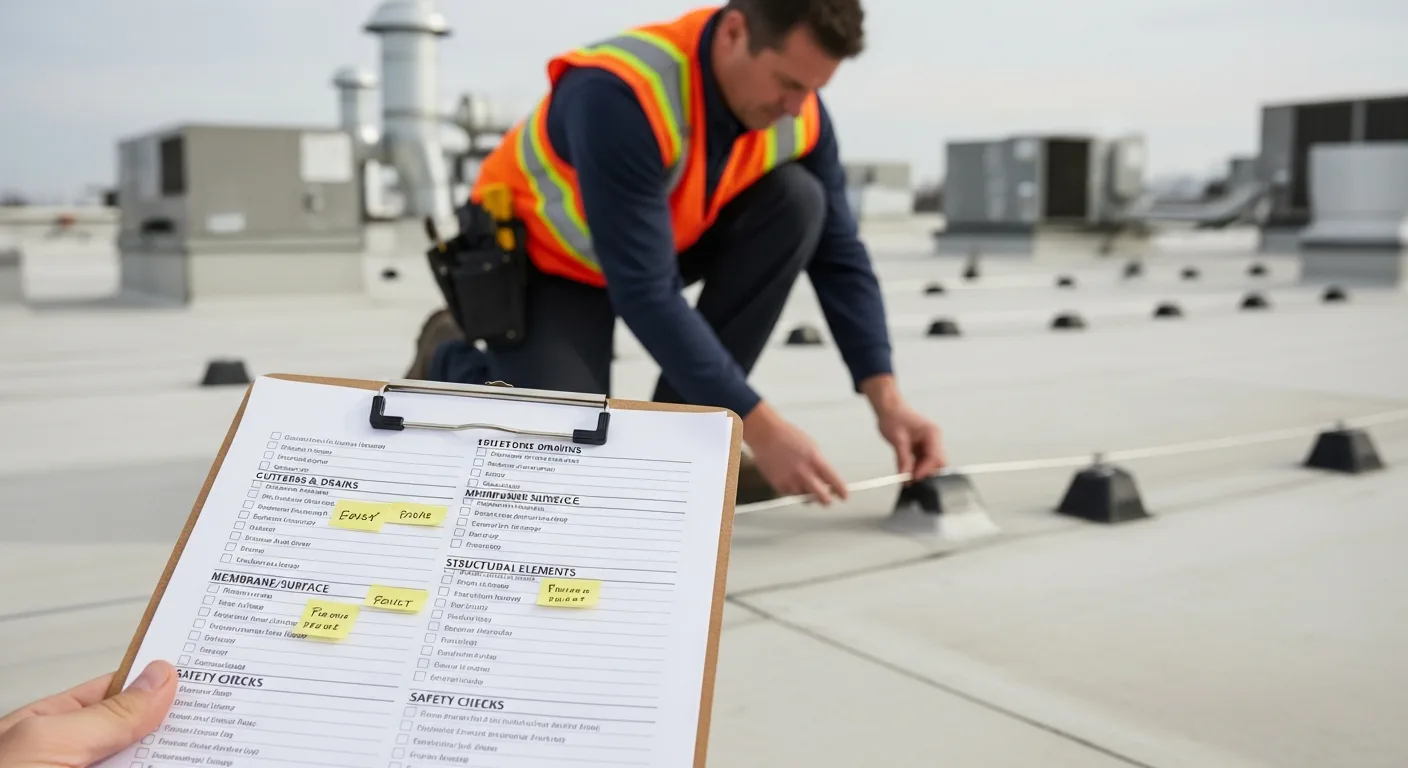
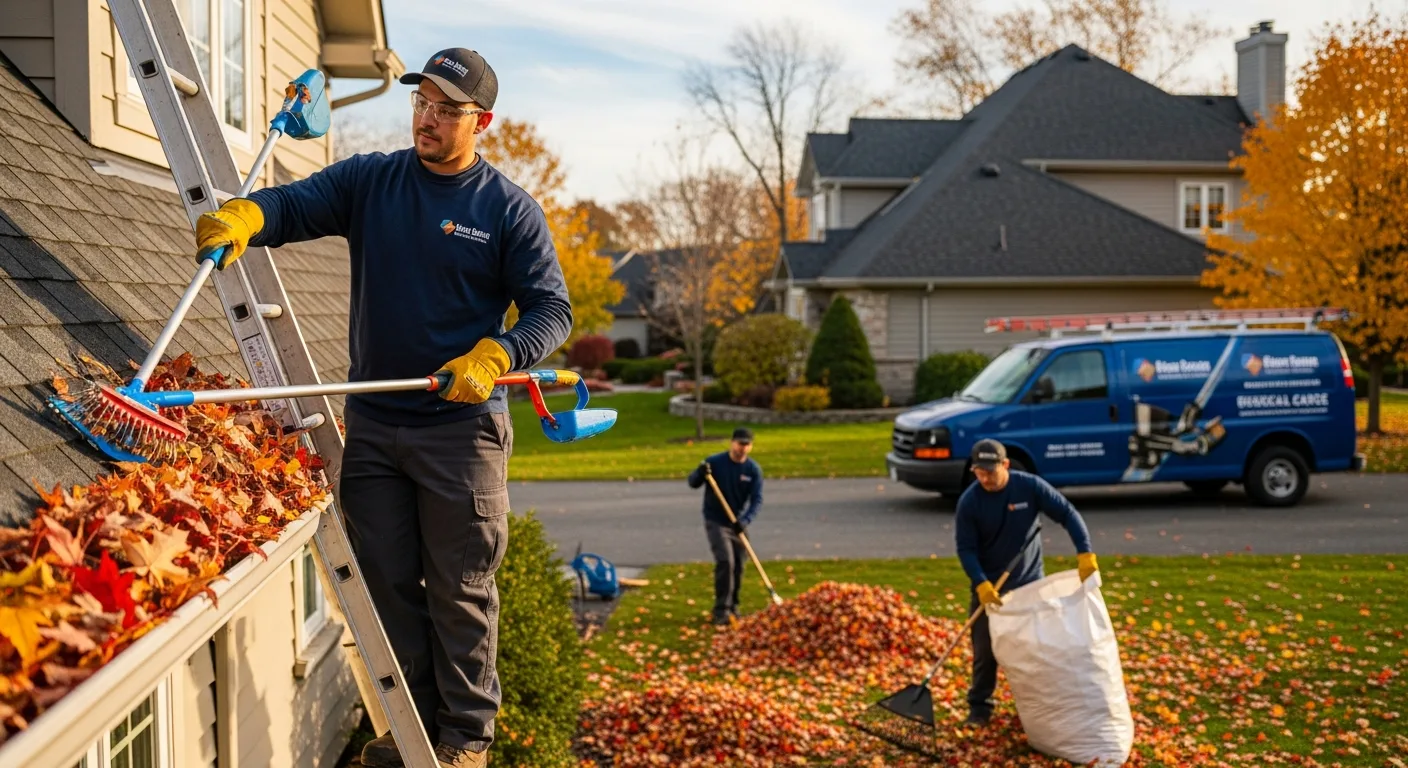
Establish a systematic maintenance schedule that includes quarterly drain inspections and cleanings. Remove all debris from drain strainers, scuppers, and gutters. Pay particular attention to areas around HVAC equipment where debris tends to accumulate. Document drainage performance during routine inspections to identify developing problems before they become critical.
Install Additional Drainage Points
When existing drainage proves inadequate, strategic installation of additional roof drains or scuppers can dramatically improve water removal capacity. Modern drain systems feature enhanced flow rates and debris-resistant designs that perform better in severe weather conditions. Consider installing overflow drains as backup systems for areas prone to water accumulation.
Address Slope Deficiencies
Correct inadequate slopes through targeted roof modifications. This might involve installing tapered insulation systems to create proper drainage gradients or adding crickets around equipment installations. Professional roofers can use laser leveling equipment to identify precise slope deficiencies and design effective solutions.
Upgrade to High-Performance Membrane Systems
Modern commercial roofing membranes offer superior resistance to ponding water. Thermoplastic polyolefin (TPO) and polyvinyl chloride (PVC) systems provide excellent durability when properly installed with adequate slope. These membranes resist UV degradation and maintain flexibility even under ponding conditions, though prevention remains the preferred approach.
Install Water Management Accessories
Roof walkway systems, equipment pads, and drainage accessories can redirect water flow patterns and prevent accumulation around critical areas. Properly designed cricket systems around penetrations and equipment ensure water moves toward drainage points rather than pooling.
Special Considerations for Texas Panhandle Commercial Properties
The unique climate challenges of the Texas Panhandle require specific ponding water prevention strategies. High winds can drive debris into drainage systems rapidly, while intense thunderstorms can overwhelm undersized drains in minutes. The region's extreme temperature variations cause expansion and contraction cycles that can worsen existing drainage problems.
Commercial properties in Amarillo and surrounding areas should prioritize wind uplift resistance in drainage components, as standard systems may fail during severe weather events. The Insurance Institute for Business & Home Safety recommends enhanced drainage capacity for regions prone to intense precipitation events.
Consider the impact of hail damage on drainage systems. Even minor hail impacts can dent metal drain components or create membrane depressions that alter water flow patterns. Post-storm inspections should always include drainage system evaluation to ensure continued proper function.
Seasonal Prevention Protocols
Implement seasonal maintenance protocols that address specific weather challenges. Spring preparations should focus on clearing winter debris and inspecting for freeze-thaw damage. Summer protocols emphasize UV protection and thermal movement accommodation, while fall maintenance concentrates on preparing drainage systems for winter precipitation.
When to Call Professional Commercial Roofing Contractors
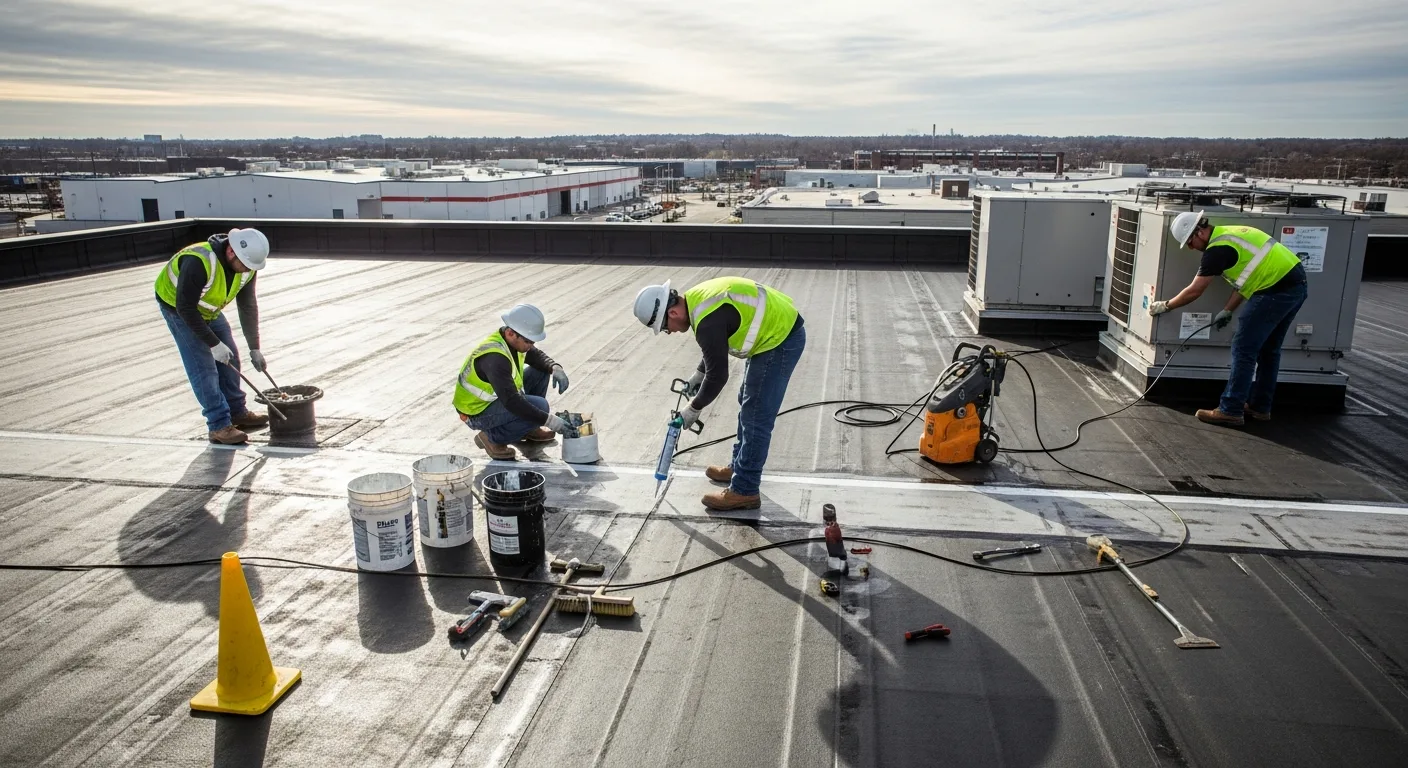
While property managers can handle routine maintenance tasks, complex ponding water issues require professional expertise. Structural drainage modifications, membrane repairs, and system redesigns demand specialized knowledge of commercial roofing systems and local building codes.
Contact professional roofers immediately when ponding water persists for more than 48 hours after storms, when drainage systems show signs of failure, or when water accumulation appears to be increasing over time. Early intervention prevents minor drainage issues from becoming major structural problems.
Professional assessment becomes critical when dealing with warranty concerns. Most commercial membrane manufacturers require proper drainage for warranty validity, and documentation of professional maintenance helps preserve coverage. Learn more on our commercial roofing services section about comprehensive drainage evaluations and solutions.
Additionally, seek professional help when planning building modifications that might affect drainage patterns. HVAC installations, rooftop additions, or structural changes can alter water flow dynamics in unexpected ways.
For Texas Panhandle commercial properties, consider scheduling professional drainage assessments before severe weather seasons. This proactive approach identifies potential problems and ensures your roof system can handle the intense storms common to our region. Visit our roof inspection services page to learn about comprehensive commercial roof evaluations that include detailed drainage analysis and prevention recommendations.
The Texas Panhandle's unique climate presents specific challenges for flat roof drainage systems. With summer temperatures regularly exceeding 100°F and winter lows dropping below freezing, NOAA weather data shows the region experiences some of the most extreme temperature swings in the continental United States. These conditions create thermal expansion and contraction cycles that can compromise roof membrane integrity and affect drainage system performance over time.
Commercial flat roof systems must comply with International Building Code (IBC) requirements for positive drainage, which mandate that roof surfaces direct water to drains with a minimum slope of 1/4 inch per foot. However, many existing commercial buildings in Amarillo were constructed before current drainage standards were implemented, leaving them vulnerable to ponding issues during the region's intense thunderstorms and occasional winter precipitation events.
Modern single-ply membrane systems from manufacturers like Carlisle SynTec offer enhanced ponding resistance compared to older built-up roof systems. TPO and EPDM membranes are specifically engineered to withstand prolonged water exposure, but even these advanced materials require proper installation and maintenance to prevent premature failure. The key is ensuring adequate structural support and drainage design before membrane installation.
According to Single Ply Roofing Industry (SPRI) standards, roof areas experiencing ponding water deeper than one inch require immediate attention, as this indicates significant structural deflection or drainage inadequacy. Property managers should implement quarterly roof inspections, particularly after severe weather events common in the Texas Panhandle, to identify ponding areas before they cause structural damage.
Energy efficiency considerations also play a crucial role in ponding prevention. The U.S. Department of Energy recommends cool roof systems for hot climates like the Texas Panhandle, as reflective membranes reduce thermal cycling stress that can contribute to roof deflection and drainage problems. Additionally, proper insulation installation prevents thermal bridging that can create condensation issues and contribute to membrane deterioration in ponding areas.