The aftermath of a severe storm leaves many Texas Panhandle property owners wondering whether they should immediately climb onto their roof or wait for conditions to improve. The timing of your post-storm roof inspection can significantly impact your ability to document damage, file successful insurance claims, and prevent secondary issues like moisture intrusion from compromising your building envelope.
The Critical 24-72 Hour Window
Professional roofing contractors recommend scheduling a comprehensive roof inspection within 24 to 72 hours after a storm passes, provided conditions are safe. This timeframe balances safety considerations with the need to document damage before weather conditions or additional storms can obscure the evidence of impact.
During this initial window, trained professionals can identify compromised areas of your roof system that may not be immediately visible from ground level. Wind uplift damage, granule loss from hail impact, and membrane punctures in commercial roofing systems often require close examination to properly assess their extent and potential for progressive deterioration.
The Federal Emergency Management Agency emphasizes the importance of prompt damage assessment following severe weather events to prevent secondary damage and ensure proper documentation for recovery efforts.
Safety Takes Priority
While prompt inspection is important, safety must always come first. Never attempt to inspect your roof if:
- High winds are still present (generally above 25 mph)
- Surfaces remain wet or icy
- Electrical hazards exist from downed power lines
- Structural damage is visible from the ground
- Debris poses falling hazards
Professional roofing inspectors have the proper safety equipment and training to assess storm damage under challenging conditions that would be dangerous for property owners to navigate alone.
Why Timing Matters for Documentation and Claims
Insurance companies typically require proof that damage resulted from a specific storm event rather than from normal wear and deterioration. The longer you wait to document damage, the more difficult it becomes to establish this causal relationship, especially in regions like the Texas Panhandle where severe weather occurs frequently throughout storm season.
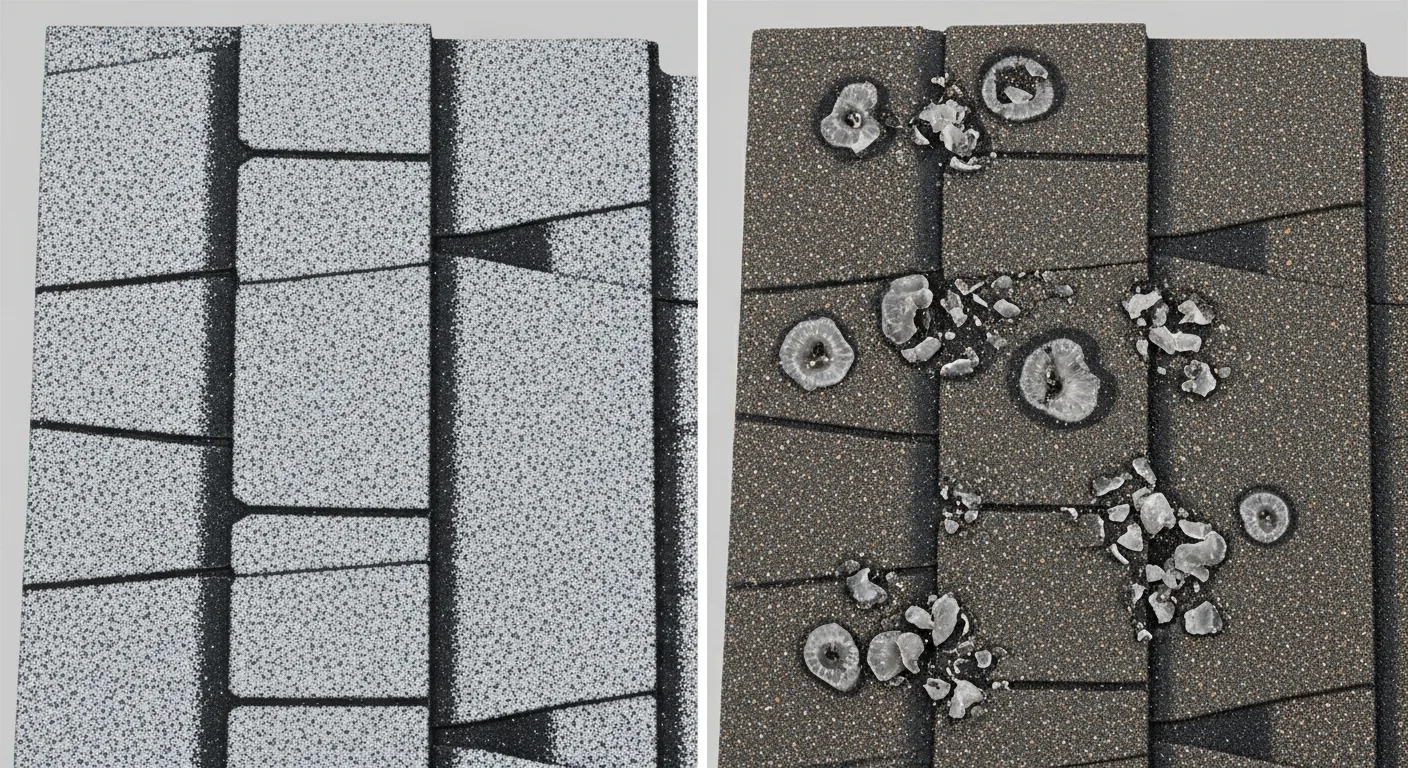
Prompt documentation also helps differentiate between impact damage from the recent storm and pre-existing conditions. For example, hail damage creates distinct patterns on impact-resistant shingles that become less obvious over time as weathering continues.
The Insurance Claim Timeline
Most insurance policies require prompt notification of potential claims, often within 30 to 60 days of the damage occurring. However, the sooner you can provide detailed documentation of storm damage, the stronger your claim position becomes. Professional roof inspections typically include:
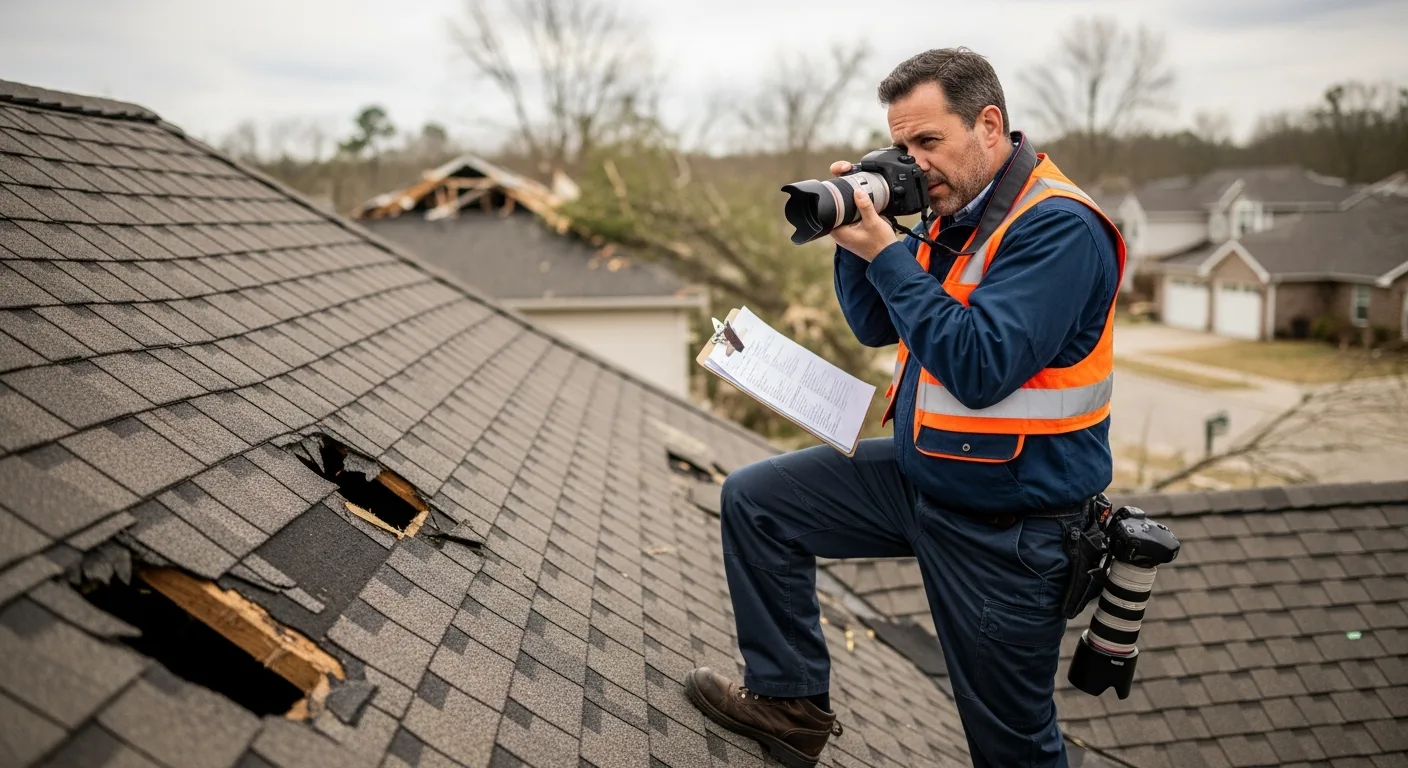
- Photographic evidence of damage with timestamps
- Detailed written reports correlating damage to storm conditions
- Measurements and assessments of affected areas
- Recommendations for temporary protective measures
These comprehensive reports become crucial evidence when working with insurance adjusters to ensure your roof system lifespan isn't unnecessarily shortened by unaddressed storm damage.
Preventing Secondary Damage Through Prompt Action
Storm damage rarely remains static. Small punctures in commercial membrane systems can allow moisture intrusion that leads to insulation saturation and structural deterioration. Similarly, displaced or damaged residential shingles can expose underlayment to UV degradation and wind uplift forces.
The National Roofing Contractors Association emphasizes that prompt identification and temporary protection of compromised areas can prevent thousands of dollars in additional damage while permanent repairs are being planned and executed.
Emergency Mitigation Measures
Professional inspectors can also implement immediate protective measures when necessary, such as:
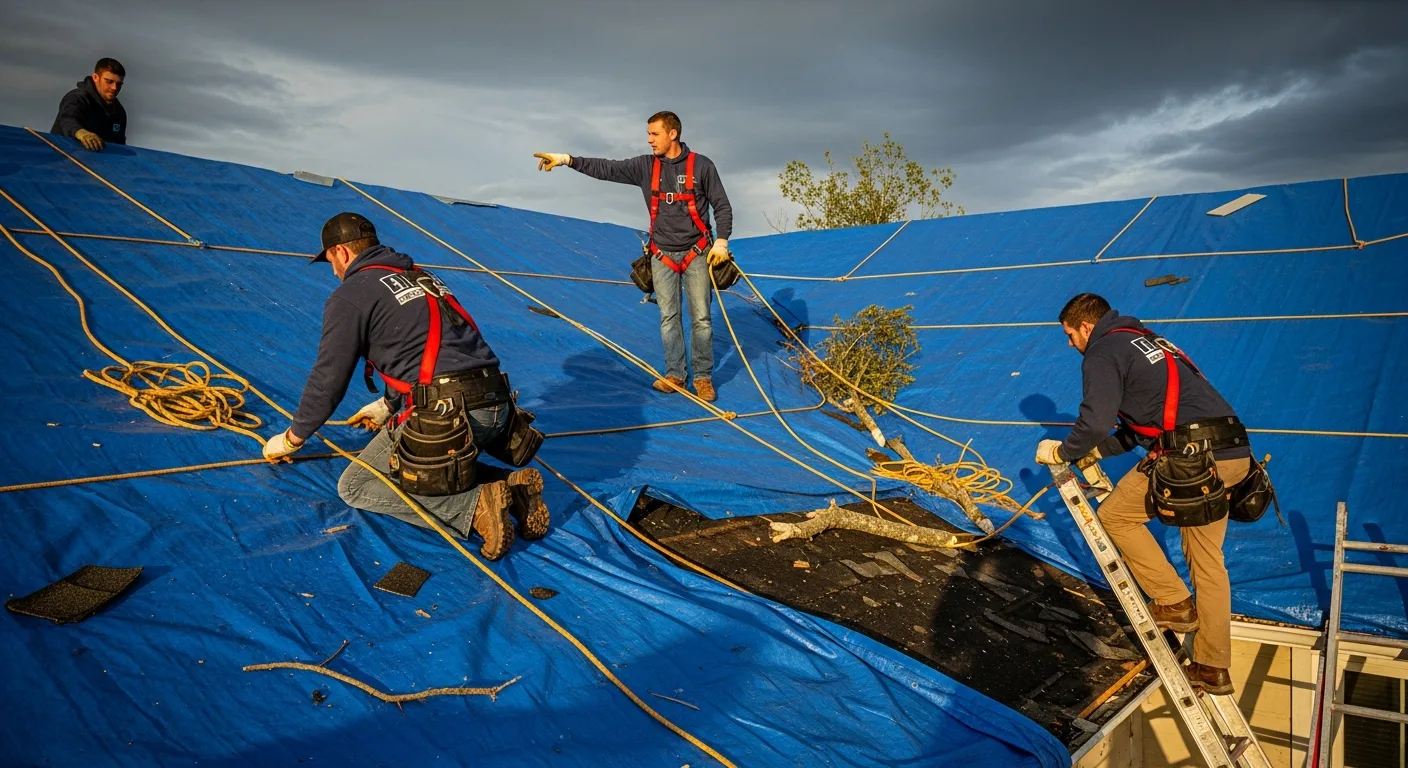
- Temporary tarping of exposed areas
- Securing loose or damaged materials
- Clearing blocked drainage systems to prevent ponding water
- Installing temporary flashing around compromised penetrations
These measures help maintain the integrity of your building envelope while permanent repairs are scheduled and completed.
Storm-Specific Considerations in the Texas Panhandle
The unique weather patterns of the Texas Panhandle create specific challenges for post-storm roof assessment. The region's frequent hailstorms, high winds, and rapid temperature fluctuations can cause different types of damage that require specialized evaluation techniques.
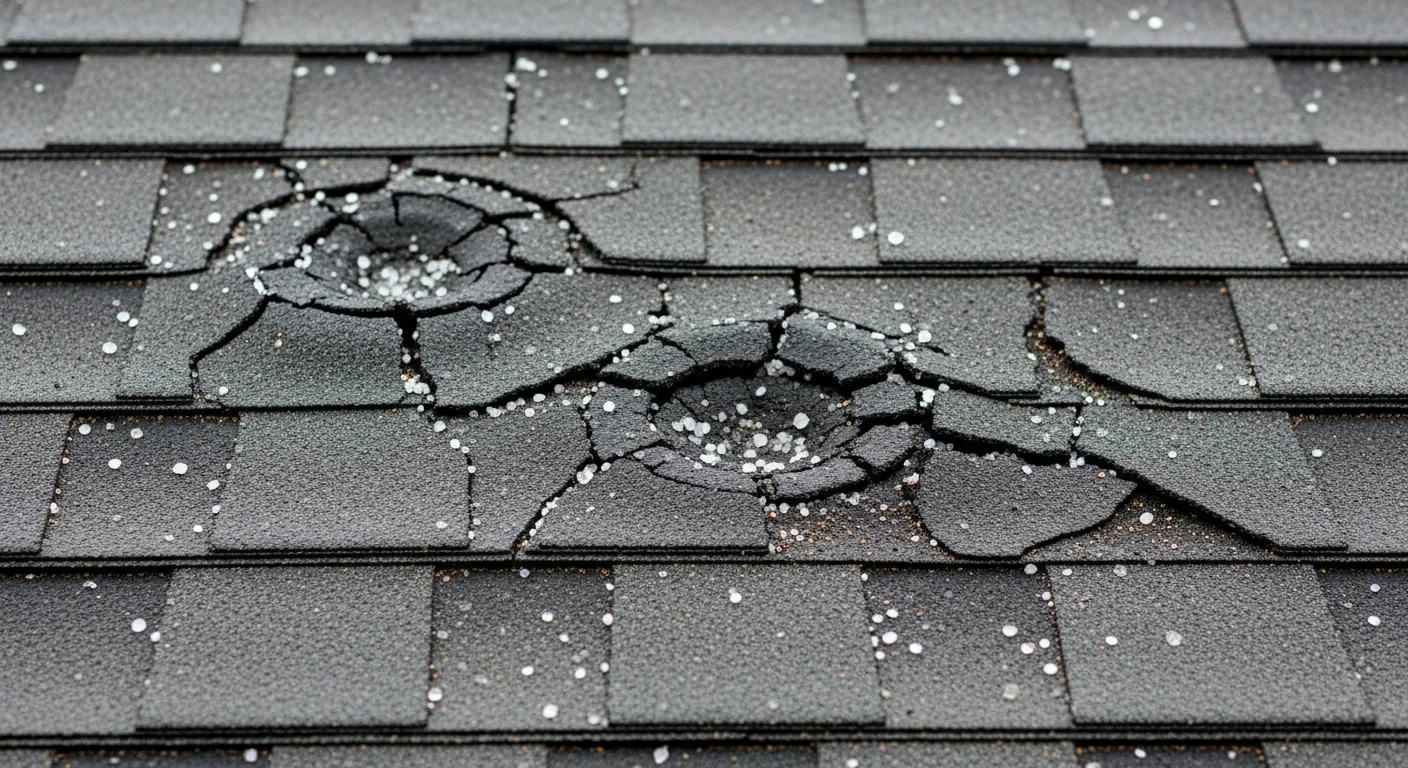
Hailstorms often produce impact damage that may not immediately compromise the roof's weather resistance but can significantly reduce the remaining lifespan of shingles or membrane systems. Wind events can cause uplift damage that weakens attachment systems without creating immediately visible leaks.
Multiple Storm Events
The Texas Panhandle often experiences multiple severe weather events in quick succession during peak storm season. This makes prompt inspection after each significant storm essential, as cumulative damage can compromise roof system performance even when individual storms might not cause immediately visible problems.
Professional inspectors familiar with regional weather patterns can help differentiate between damage from different storm events and ensure all impacts are properly documented for insurance purposes.
When to Call a Professional Roofer
While the 24-72 hour window represents the ideal timeframe, certain situations require immediate professional attention:
- Visible structural damage or sagging
- Active leaks or interior water damage
- Large debris impact or punctures
- Significant loss of roofing materials
- Commercial membrane systems showing obvious tears or displacement
Professional roofing contractors have the expertise to safely evaluate storm damage while weather conditions remain challenging and can provide both emergency mitigation services and comprehensive damage assessment. To learn more about our post-storm inspection process, visit our roof inspection services page.
Don't let storm damage compromise your property's protection or your insurance coverage. Contact CRS Roofing & Construction for prompt, professional post-storm roof inspection services. Our experienced team understands the unique challenges of Texas Panhandle weather and can help you document damage, implement protective measures, and plan appropriate repairs to restore your roof system's full performance and warranty protection.
The Texas Panhandle's unique climate presents specific challenges that make timely post-storm inspections even more critical. With hail storms producing stones exceeding 2 inches in diameter and wind speeds regularly surpassing 70 mph, roofing materials face extreme stress during severe weather events. The region's dramatic temperature fluctuations—often exceeding 40-degree swings within 24 hours—can cause roofing materials to expand and contract rapidly, potentially masking or exacerbating storm damage if not assessed promptly.
For residential properties with asphalt shingles, professional inspectors look for specific indicators of hail damage that may not be immediately apparent. Impact-resistant shingles rated Class 4 by UL 2218 standards can still sustain damage from large hail, though they typically show more subtle signs such as exposed mat or accelerated granule loss in concentrated areas. Metal roofing systems, while generally more hail-resistant, require inspection for dents that could compromise protective coatings and lead to premature corrosion in our region's semi-arid environment.
Commercial properties with single-ply membrane systems face particular vulnerabilities during Texas storms. SPRI standards recommend immediate inspection of TPO and EPDM systems following hail events exceeding 1.75 inches, as punctures or membrane splitting may not be visible from ground level but can allow moisture infiltration that leads to catastrophic roof deck damage within weeks.
Safety considerations during post-storm inspections cannot be overstated, particularly given the OSHA requirements for fall protection on roofs exceeding 6 feet in height. Professional roofing contractors utilize proper safety equipment and training to identify damage while minimizing liability risks for property owners. Additionally, walking on a potentially compromised roof system can cause further damage, making professional assessment essential for accurate insurance documentation.
The Insurance Institute for Business & Home Safety emphasizes that delayed inspections often result in secondary damage that may not be covered under standard insurance policies. In the Texas Panhandle's intense UV environment, exposed roof decking or compromised flashing can deteriorate rapidly, creating expensive repairs that extend far beyond the original storm damage scope.