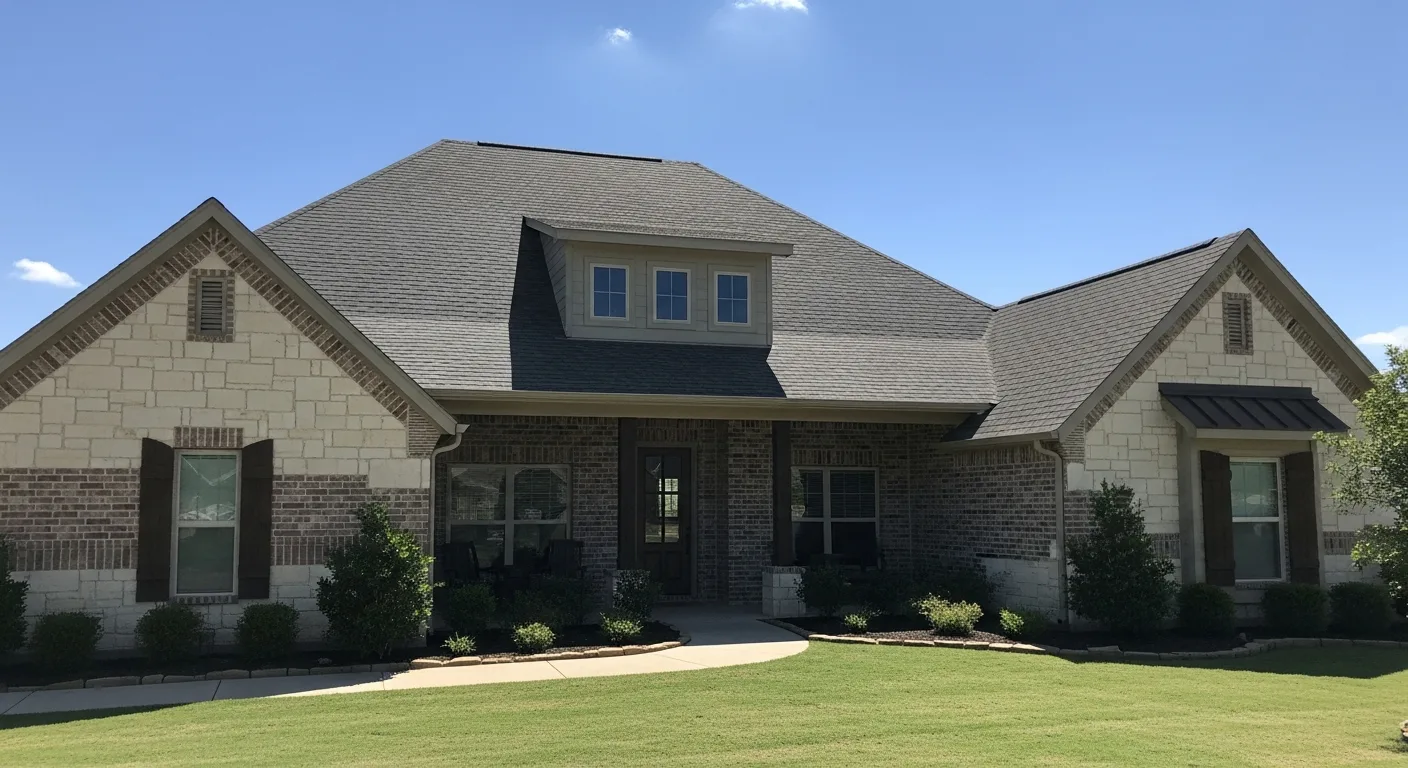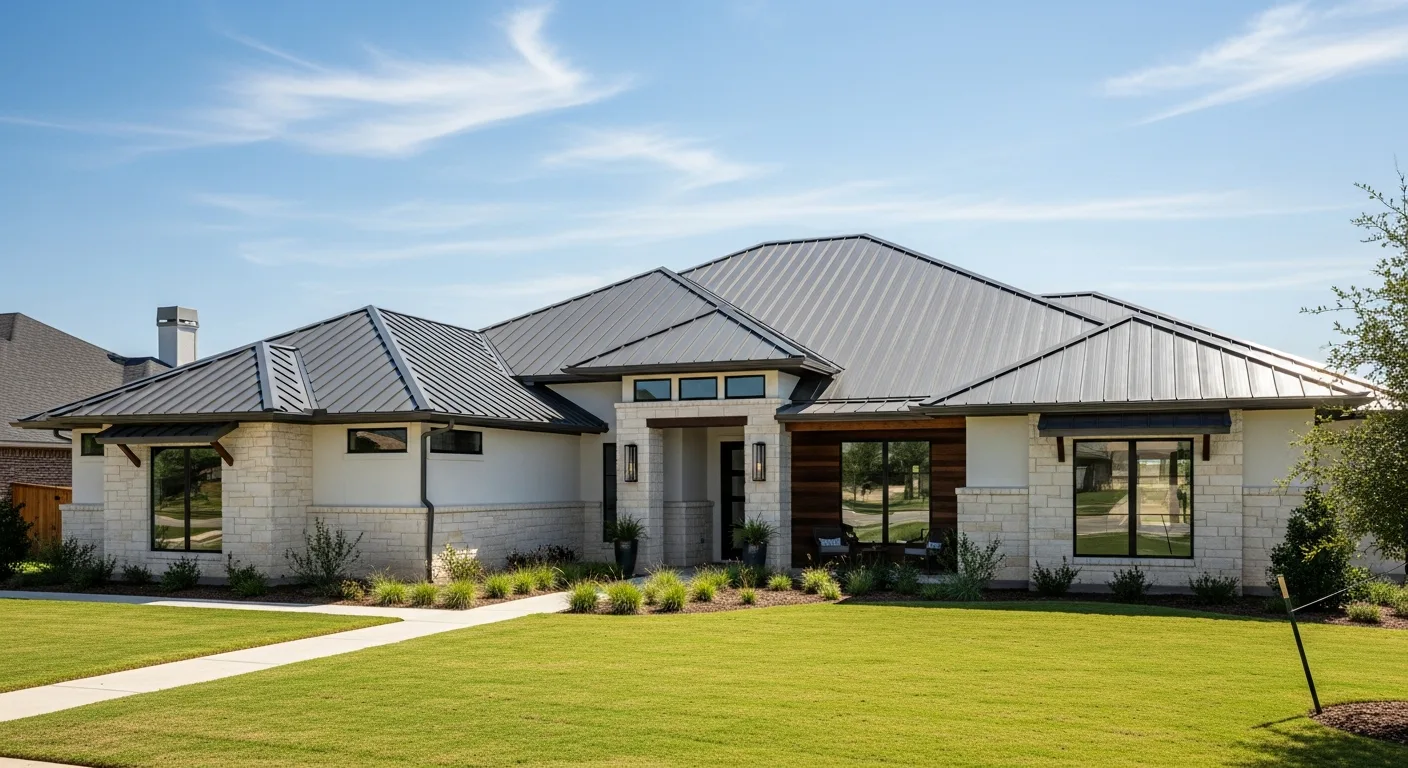
When storm damage, wear patterns, or isolated failures affect your roof, the question of partial versus complete replacement becomes critical to both your budget and your building's long-term protection. While replacing only damaged sections might seem like the obvious cost-saving choice, several technical and practical factors determine whether this approach will actually serve your property's best interests.
What Partial Roof Replacement Means and Why It Matters
Partial roof replacement involves removing and replacing specific sections of your roof system while leaving undamaged areas intact. This approach differs significantly from overlay installations, where new materials are installed over existing ones, and complete tear-offs that address the entire roof surface.
The building envelope's integrity depends on seamless transitions between roof sections, proper moisture management, and consistent thermal performance across the entire surface. When executed correctly, partial replacement can extend your roof system lifespan while addressing immediate concerns. However, improper execution can create weak points that compromise the entire system's performance.
Modern roofing systems integrate multiple components—decking, underlayment, ventilation, and surface materials—that work together as a unified system. NRCA technical standards emphasize that any replacement work must maintain these system relationships to preserve warranty coverage and performance characteristics.
Key Factors That Determine Replacement Scope
Several critical factors influence whether partial replacement represents a viable long-term solution for your property:
Age and Condition Uniformity
Roofs with significant age differences between sections create maintenance challenges and aesthetic inconsistencies. When existing materials have reached 75% of their expected lifespan, partial replacement often proves more expensive over time than complete replacement. The remaining sections will likely require attention within a few years, resulting in multiple contractor visits and higher cumulative costs.
Material Availability and Matching
Roofing manufacturers frequently update product lines, discontinue colors, or modify specifications. Finding exact matches for existing shingles, tiles, or commercial membrane systems can be challenging or impossible. Even when materials appear identical, subtle differences in thickness, texture, or weathering characteristics can create visible seams and potential leak points.
Structural Deck Conditions
The roof decking's condition often determines replacement scope more than surface material damage. Water intrusion, ice dam effects, or structural settling can compromise decking integrity across larger areas than initially apparent. Professional inspection may reveal that seemingly isolated damage actually extends throughout connected sections, necessitating broader replacement.
Code Compliance and Permit Requirements
Local building codes often establish thresholds for partial versus complete replacement based on the percentage of roof area affected. When replacement work exceeds these thresholds—typically 25% to 50% of the total roof area—codes may require the entire system to meet current standards for wind uplift resistance, energy efficiency, and fire ratings.
Best Practices for Successful Partial Replacement
When conditions support partial replacement, specific practices ensure optimal results and long-term performance:
Professional Assessment and Planning
Comprehensive inspection should extend beyond visible damage to evaluate underlying deck conditions, ventilation systems, and adjacent area integrity. Professional assessment helps identify the minimum replacement scope that addresses all related issues while maintaining system performance.
Proper planning includes material procurement, weather window coordination, and staging to minimize disruption. Quality contractors will verify material compatibility and availability before beginning work to avoid mid-project complications.
Integration Techniques
Successful partial replacement requires careful attention to transition areas where new materials meet existing ones. These connections represent potential failure points that demand specialized flashing techniques, sealant applications, and overlap patterns designed for long-term weatherproofing.
For commercial membrane systems, heat welding or chemical bonding at seams requires precise technique to achieve watertight seals. ASTM standards provide specific guidance for these critical connection details.
Quality Control and Testing
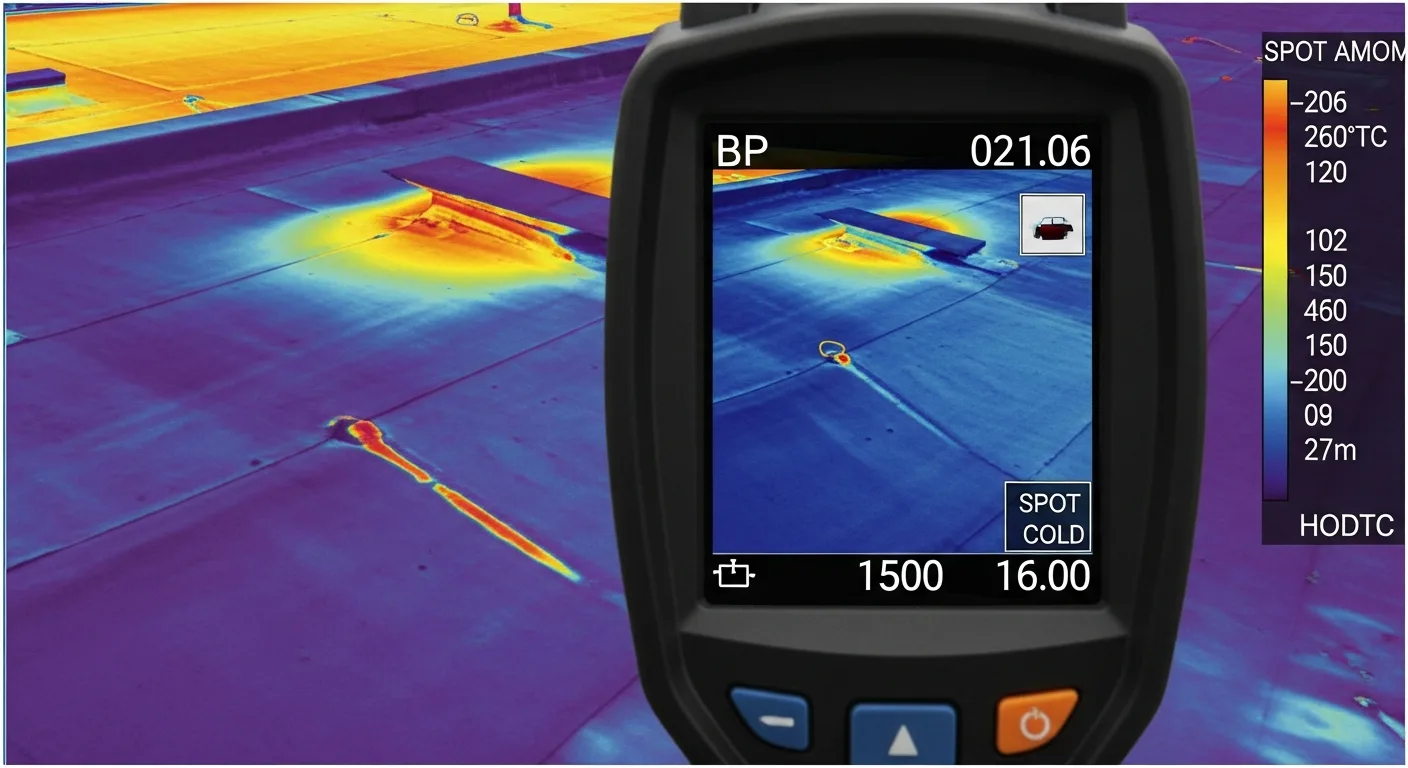
Partial replacement projects benefit from enhanced quality control measures, including water testing at transition zones and thermal imaging to verify proper insulation continuity. These steps help identify potential issues before they develop into costly problems.
Special Considerations for Texas Panhandle Weather Conditions
The Texas Panhandle's severe weather patterns create unique challenges for partial roof replacement projects. High winds, frequent hailstorms, and extreme temperature fluctuations stress roof systems in ways that can expose weak points in mixed-age installations.
Wind uplift resistance becomes particularly critical when new materials with different fastening patterns integrate with existing installations. The entire roof system must meet current wind rating requirements, which may necessitate upgrading fastening throughout adjacent areas.
Hailstorm damage often appears more extensive upon detailed inspection than initial assessment suggests. Impact patterns can affect larger areas through granule loss, micro-fracturing, and accelerated aging that becomes apparent only over time. Professional evaluation should account for these hidden damage patterns when determining replacement scope.
Thermal cycling from extreme temperature fluctuations can cause differential expansion and contraction between materials of different ages. This movement stresses connection points and can lead to premature failure if not properly addressed during installation.
When Complete Replacement Becomes the Better Choice
Certain conditions make complete replacement more practical and cost-effective than partial approaches:
- When damage affects more than 40% of the roof surface
- If existing materials have less than five years of expected remaining life
- When structural issues require extensive decking replacement
- If insurance coverage favors complete replacement over partial repair
- When energy efficiency upgrades justify comprehensive system renewal
Complete replacement allows for system-wide improvements in insulation, ventilation, and energy performance that partial work cannot achieve. Modern cool roof technologies and impact-resistant materials provide benefits that justify the additional investment in high-wind, high-UV environments.
Visit our residential roofing service page to learn more about replacement options that can improve your home's energy efficiency and storm resistance.
When to Call a Professional Roofer
The decision between partial and complete roof replacement requires professional expertise that goes beyond surface-level damage assessment. Qualified contractors can evaluate structural conditions, code requirements, material compatibility, and long-term cost implications that determine the most practical approach for your specific situation.
Professional evaluation becomes essential when insurance claims are involved, as proper documentation and scope determination affect coverage and claim settlement. Experienced contractors understand how to present replacement options that align with both insurance requirements and your long-term property goals.
Don't leave this critical decision to guesswork. Contact our team for a comprehensive roof inspection that evaluates all factors affecting your replacement scope decision. We'll provide detailed analysis and recommendations that help you make the most informed choice for your property's protection and your budget.
In the Texas Panhandle, where extreme weather conditions including high winds exceeding 70 mph, softball-sized hail, and temperature swings of 60+ degrees are common, the decision between partial and full replacement carries additional weight. NOAA weather data shows that Amarillo experiences some of the nation's most severe hail activity, making impact resistance a critical factor in replacement decisions.
When considering partial replacement, matching existing materials becomes particularly challenging with discontinued product lines or weathered surfaces. For instance, if your existing roof features GAF Timberline HD shingles from 2015, finding exact color and granule matches may prove difficult. GAF's current Timberline HDZ line offers improved wind resistance ratings of up to 130 mph, but color variations between old and new sections can create aesthetic inconsistencies that affect property value.
Code compliance presents another crucial consideration for partial replacements. The International Building Code (IBC) and International Residential Code (IRC) require that replacement sections meet current standards, which may differ significantly from older installations. In Texas, this often means upgrading to impact-resistant materials meeting UL 2218 Class 4 standards, even if only replacing a portion of the roof. This requirement can create structural inconsistencies where new sections have different weight loads and performance characteristics than existing areas.
From a thermal performance perspective, partial replacements can create energy efficiency imbalances across your roof system. Department of Energy studies demonstrate that inconsistent insulation values and air sealing can reduce overall system efficiency by 15-25%. In Amarillo's climate, where summer temperatures regularly exceed 100°F, these inefficiencies translate directly to higher cooling costs and reduced comfort.
Safety considerations also favor full replacement in many scenarios. OSHA regulations require specific fall protection measures and safety protocols that become more complex when working around existing roof sections. Additionally, partial replacements often require multiple mobilizations, increasing both safety risks and overall project costs compared to comprehensive single-phase installations.
For commercial properties, NRCA guidelines recommend full system evaluation before partial replacement, particularly for membrane roofing systems where punctures or tears may indicate broader substrate issues. The interconnected nature of commercial roofing systems means that addressing only visible damage while ignoring underlying problems often leads to premature failures and warranty voiding.