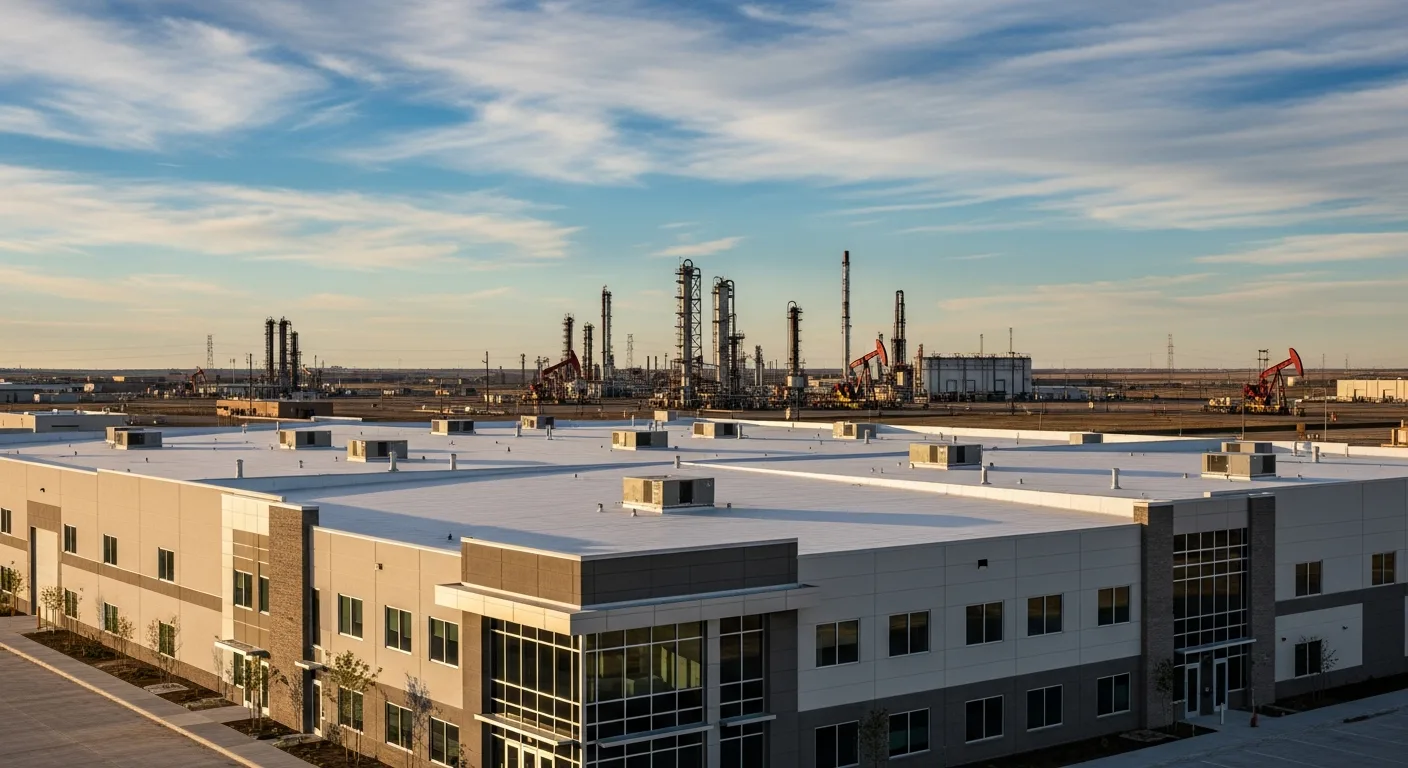
The relentless Texas sun poses significant challenges for commercial buildings in Pampa, where UV exposure can dramatically impact roofing systems year-round. With over 270 sunny days annually and intense summer temperatures often exceeding 100°F, commercial property owners face unique roofing challenges that require proactive management and expert solutions. Understanding how UV radiation affects different roofing materials and implementing protective measures is crucial for maintaining structural integrity and avoiding costly repairs in this demanding climate.
Understanding UV Damage to Commercial Roofing Systems
Ultraviolet radiation from the sun acts as a constant threat to commercial roofing materials, causing molecular breakdown that weakens structural components over time. In Pampa's high-altitude plains environment, UV intensity remains particularly strong due to reduced atmospheric filtering and reflective surfaces from surrounding agricultural areas. According to the Department of Energy, UV exposure can reduce roofing material lifespan by up to 50% in high-exposure climates like the Texas Panhandle.
The photodegradation process begins immediately upon installation, as UV rays penetrate roofing surfaces and break down polymer chains in synthetic materials. This degradation manifests through visible cracking, color fading, brittleness, and surface chalking. Traditional roofing materials like asphalt-based systems are particularly vulnerable, as their organic compounds readily absorb UV energy and convert it to heat, accelerating the aging process.
Commercial buildings in Pampa face additional challenges from the region's temperature fluctuations, which compound UV damage through thermal cycling. Daily temperature swings of 40°F or more cause roofing materials to expand and contract repeatedly, creating stress fractures that allow UV penetration deeper into the roofing system. This combination of intense UV exposure and thermal stress creates a perfect storm for premature roofing failure.
Common UV-Related Roofing Problems in Pampa
Membrane Degradation and Cracking
Single-ply roofing membranes commonly used on commercial buildings show distinct UV damage patterns in Pampa's climate. EPDM rubber membranes develop surface oxidation that appears as a chalky residue, while the underlying material becomes increasingly brittle. This brittleness leads to membrane splitting, particularly at seams and penetrations where stress concentrates during thermal expansion.
Modified bitumen systems experience similar degradation, with UV exposure causing the asphalt to become hard and inflexible. Granule loss from the protective surface layer exposes the underlying membrane to direct UV attack, creating a cascading failure pattern. Professional Pampa commercial roofing contractors recognize these early warning signs and recommend intervention before complete membrane failure occurs.
Accelerated Aging of Protective Coatings
Reflective coatings applied to commercial roofs in Pampa face particular challenges from UV exposure combined with wind-blown dust and debris. These coatings gradually lose their reflective properties as UV radiation breaks down their chemical structure, reducing energy efficiency and allowing increased heat absorption. The National Roofing Contractors Association emphasizes that coating degradation can increase building cooling costs by 15-25% annually.
Acrylic elastomeric coatings commonly used in commercial applications show visible signs of UV damage through color fading, surface cracking, and loss of flexibility. As these protective barriers fail, underlying roofing materials become exposed to direct UV attack, accelerating overall system deterioration.
Material-Specific UV Vulnerability
TPO and PVC Single-Ply Systems
TPO roofing systems have gained popularity in commercial applications due to their energy efficiency and durability, but they still face UV-related challenges in Pampa's intense sun exposure. While TPO membranes incorporate UV stabilizers during manufacturing, prolonged exposure can overwhelm these protective additives, leading to surface degradation and reduced flexibility.
PVC roofing membranes generally demonstrate superior UV resistance compared to other single-ply options, thanks to their chemical composition and built-in plasticizers. However, even PVC systems require regular inspection and maintenance to address UV-related wear patterns, particularly around roof details and high-stress areas.
Built-Up and Modified Bitumen Systems
Traditional built-up roofing (BUR) systems rely heavily on protective surfacing materials to shield underlying asphalt layers from UV damage. In Pampa's climate, aggregate surfacing can shift or blow away during severe weather events, leaving exposed areas vulnerable to rapid UV deterioration. The Insurance Institute for Business & Home Safety reports that exposed asphalt surfaces can fail within months of losing protective coverage in high-UV environments.
Modified bitumen systems using APP (atactic polypropylene) modification show better UV resistance than SBS (styrene-butadiene-styrene) systems, but both require protective surfacing or coatings to achieve acceptable service life in Pampa's challenging climate conditions.
Prevention and Protection Strategies
Reflective Roofing Solutions
Implementing reflective roofing technologies provides dual benefits of UV protection and energy efficiency for Pampa commercial buildings. Cool roof systems that meet ENERGY STAR criteria can reduce surface temperatures by 50-80°F compared to traditional dark-colored roofing, significantly reducing UV-related stress on roofing materials.
White TPO and PVC membranes offer excellent solar reflectance values, typically exceeding 0.78 on the solar reflectance index. These light-colored surfaces not only protect the roofing system from UV damage but also contribute to reduced urban heat island effects and lower building energy consumption.
Protective Coating Applications
Professional application of roof coatings provides an effective barrier against UV radiation while extending roofing system service life. Silicone-based coatings demonstrate exceptional UV stability and maintain their protective properties longer than acrylic alternatives in high-exposure environments like Pampa.
Polyurethane coatings offer excellent durability and can be formulated with specialized UV inhibitors for enhanced protection. These coatings create a seamless barrier that prevents water infiltration while reflecting harmful UV radiation away from the underlying roofing membrane.
Maintenance and Inspection Protocols
Regular inspection protocols become critical for commercial buildings in Pampa's high-UV environment. Property managers should schedule comprehensive roof inspections at least twice annually, with additional assessments following severe weather events. These inspections should focus on identifying early signs of UV damage, including surface oxidation, membrane brittleness, and coating degradation.
Professional roofing contractors use specialized equipment to measure surface temperatures, membrane flexibility, and coating adhesion to assess UV damage severity. Infrared thermography can reveal areas where UV damage has compromised insulation effectiveness, allowing targeted repairs before costly problems develop.
Preventive maintenance programs should include regular cleaning to remove debris that can trap heat and accelerate UV damage. Immediate repair of small defects prevents UV exposure from causing larger problems, while proactive coating renewal maintains protective barriers against harmful radiation.
Long-Term Cost Considerations
While initial investment in UV-resistant roofing systems and protective coatings may seem substantial, the long-term cost benefits in Pampa's climate are significant. According to GAF's commercial roofing guidelines, proactive UV protection can extend roofing system life by 40-60%, delivering substantial return on investment through reduced replacement frequency and lower energy costs.
Emergency roof repairs resulting from UV damage typically cost 3-5 times more than preventive maintenance measures. By implementing comprehensive UV protection strategies, Pampa commercial property owners can avoid unexpected roofing failures that disrupt business operations and require costly emergency interventions.
Energy savings from reflective roofing systems and protective coatings provide ongoing financial benefits, with many commercial properties experiencing 10-30% reductions in cooling costs. These savings compound over time, often covering the initial investment in UV-protective measures within 3-5 years while providing continued benefits throughout the roofing system's extended service life.
Commercial roofing systems in the Texas Panhandle must withstand some of the most challenging UV conditions in North America. The U.S. Department of Energy reports that cool roofing technologies can reduce surface temperatures by up to 50-60°F compared to traditional dark roofs, making them essential for Pampa's extreme climate. TPO and PVC membrane systems, such as those manufactured by Carlisle SynTec, offer enhanced UV resistance through specialized polymer formulations designed specifically for high-exposure environments.
The Cool Roof Rating Council establishes critical performance standards for reflectivity and thermal emittance that are particularly relevant for Texas Panhandle commercial properties. Roofing materials should achieve a minimum Solar Reflectance Index (SRI) of 78 for low-slope commercial applications to qualify for energy efficiency incentives and meet modern building performance standards. Metal roofing systems from manufacturers like MBCI incorporate specialized coatings that maintain reflectivity values above 0.70 even after extended UV exposure.
Safety considerations become paramount when addressing UV-damaged roofing systems in Pampa's climate. OSHA standards require specific fall protection protocols when working on deteriorated roofing surfaces, as UV damage can compromise structural integrity and create unexpected hazards. The combination of extreme heat and weakened materials demands enhanced safety measures during inspection and repair work.
Industry research from IBHS demonstrates that proactive UV protection strategies can extend commercial roof lifecycles by 15-25 years in high-exposure climates. Regular application of reflective roof coatings, proper ventilation systems, and strategic use of UV-resistant materials represent cost-effective approaches to managing the intense solar radiation characteristic of the Texas Panhandle region.