Property owners across the Texas Panhandle often worry that any storm damage to their roof means imminent failure and emergency replacement. The reality is more nuanced: minor storm damage typically won't cause your roof to fail immediately, but it can set in motion a chain of events that significantly shortens your roof system's lifespan if left unaddressed.
What Minor Storm Damage Actually Means
Minor storm damage encompasses issues that don't compromise your roof's immediate structural integrity but can affect its long-term performance. Common examples include:
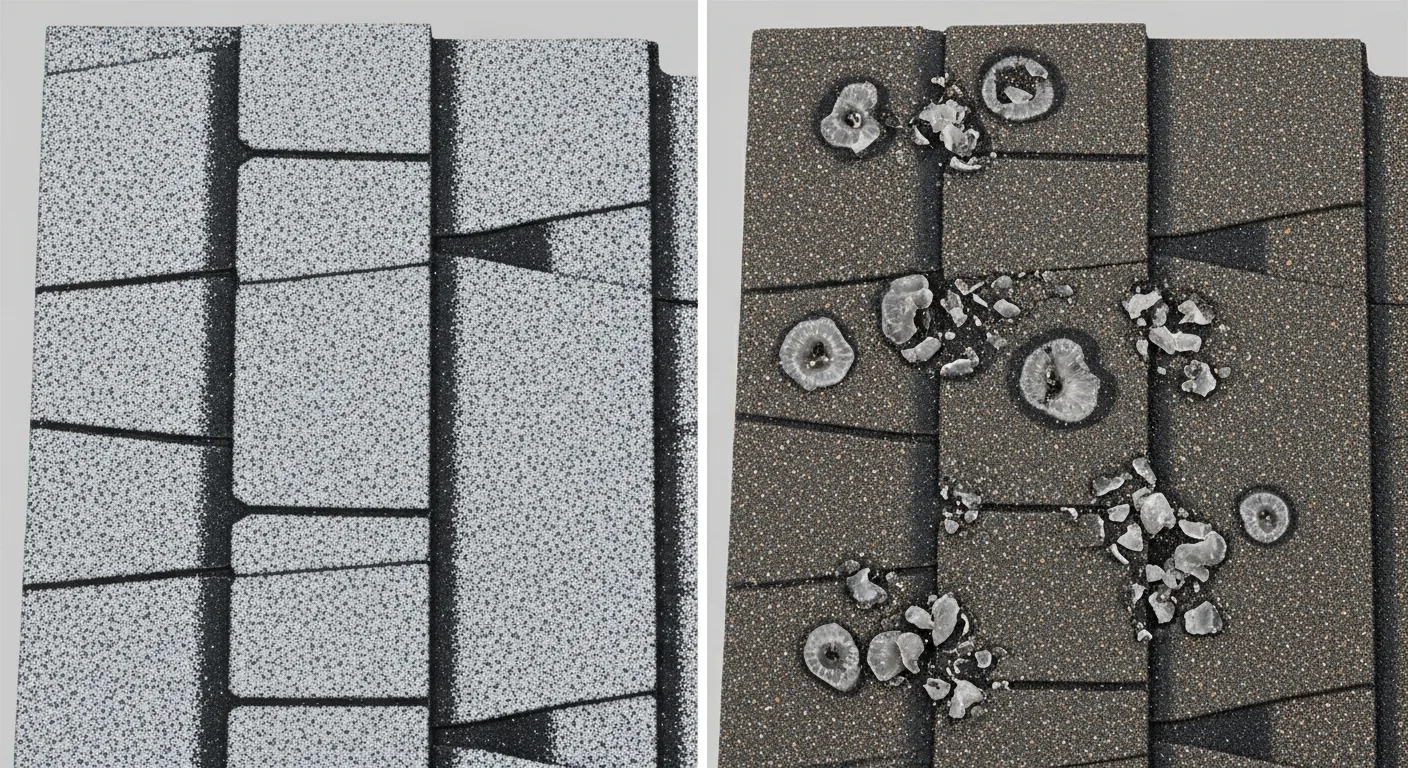
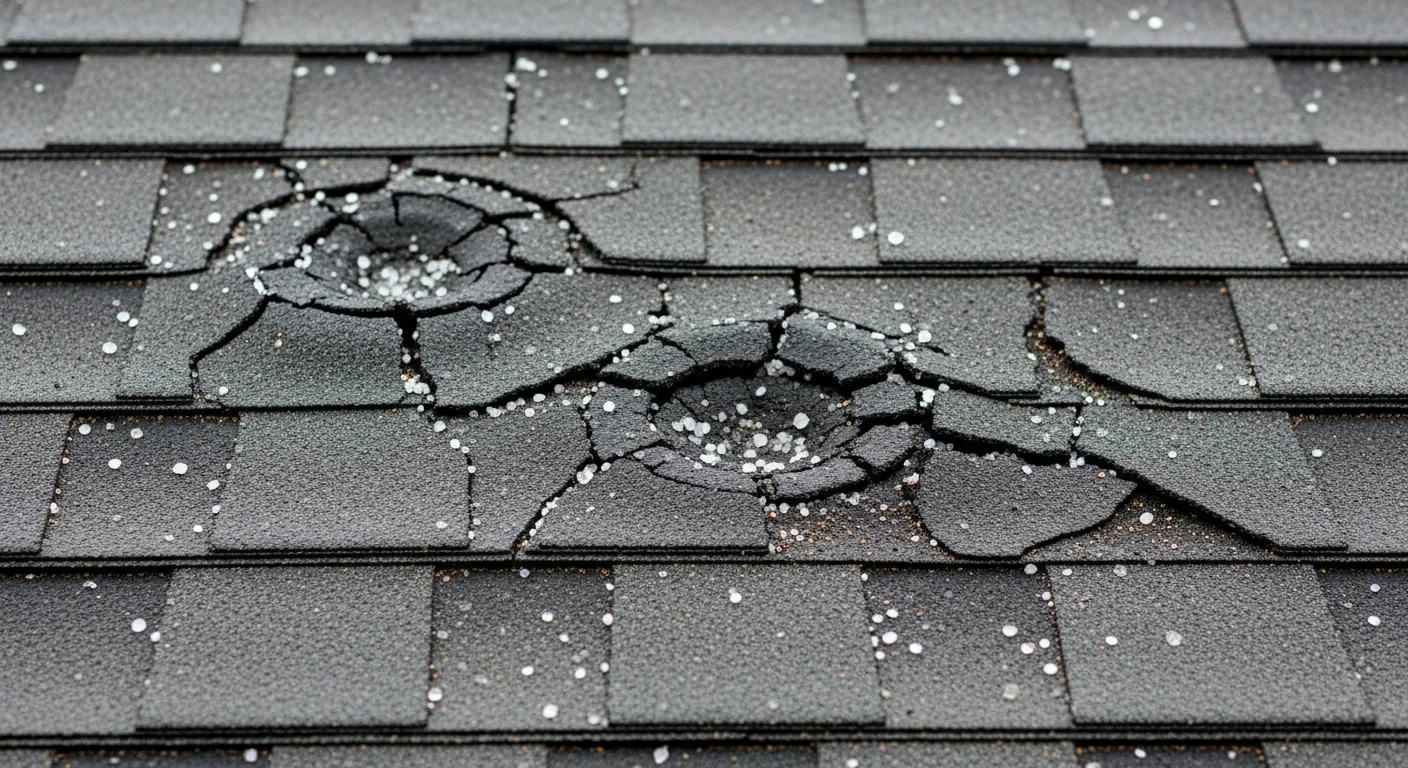
- Granule loss on asphalt shingles from hail impact
- Small punctures or tears in commercial membrane systems
- Displaced or cracked flashing around penetrations
- Loose or missing shingles that haven't exposed the underlayment
- Damaged gutters or downspouts affecting drainage dynamics
- Impact marks on metal roofing without perforation
These issues rarely cause immediate leaks or structural problems. Your building envelope remains largely intact, and you'll likely continue living or working normally without noticing water intrusion right away. However, the National Roofing Contractors Association emphasizes that even minor damage can accelerate deterioration and lead to more significant problems over time.
The Progressive Nature of Roof Deterioration
Understanding how minor damage evolves into major problems helps explain why immediate attention, while not emergency-level urgent, remains important for long-term roof system performance.
Moisture Intrusion Pathways
Small openings or compromised seals create entry points for moisture, even if they don't initially cause visible leaks. In the Texas Panhandle's climate of extreme temperature fluctuations, this moisture can:
- Freeze and expand during winter, enlarging existing openings
- Promote mold growth in underlayment and decking materials
- Accelerate corrosion in metal components and fasteners
- Compromise the thermal performance of insulation systems
UV and Weather Exposure
Granule loss from hail impact exposes underlying asphalt to intense UV radiation. This accelerated aging process reduces the shingle's flexibility and weather resistance. Similarly, small tears in TPO or EPDM commercial membranes allow UV penetration that can cause the membrane to become brittle and prone to larger failures.
Wind Uplift Vulnerability
Loose or partially damaged roofing materials create additional stress points during high-wind events common in our region. The Insurance Institute for Business & Home Safety research shows that compromised attachment points can lead to progressive failure during subsequent storms, where undamaged areas experience increased stress loads.
Factors That Influence Damage Progression
Several variables determine how quickly minor storm damage evolves into more serious problems:
Roof Age and Condition
Newer roofs with good underlying structure and proper installation typically handle minor damage better than aging systems. A roof nearing the end of its expected lifespan may experience accelerated deterioration from storm damage that would have minimal impact on a newer installation.
Material Quality and Design
Impact-resistant shingles and high-quality commercial membrane systems demonstrate better resilience after minor damage. Roofs with proper slope and drainage design also handle moisture intrusion more effectively, preventing ponding water that could exploit small openings.
Installation Quality
Properly installed roofing systems with adequate fastener patterns and quality underlayment provide better protection even when surface materials sustain minor damage. Poor installation practices can amplify the effects of storm damage significantly.
Climate and Weather Patterns
The Texas Panhandle's severe weather patterns mean that minor damage may face additional stress from subsequent storms before repairs can be completed. High winds, large hail, and extreme temperature swings all contribute to accelerated deterioration of compromised roofing materials.
Best Practices for Managing Minor Storm Damage
While minor storm damage won't cause immediate roof failure, proactive management protects your investment and prevents escalation to emergency situations.
Document Everything
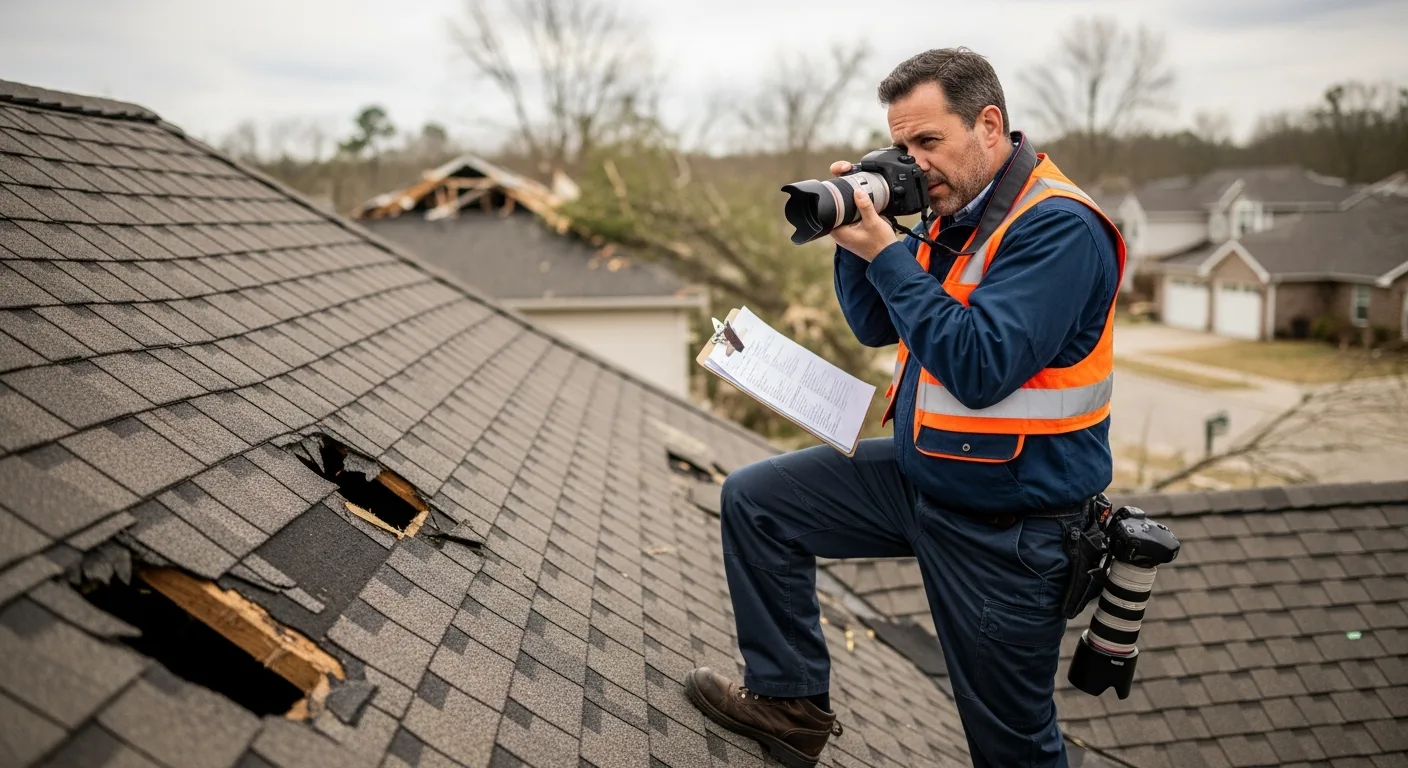
Photograph damage thoroughly and maintain detailed records. Many insurance policies require prompt notification of damage, and documentation supports warranty claims with manufacturers and contractors.
Temporary Protective Measures
For damage that could worsen before professional repairs, consider temporary measures like:
- Applying roofing cement to small punctures or cracks
- Securing loose flashing with appropriate fasteners
- Clearing debris from gutters and drains to maintain proper drainage
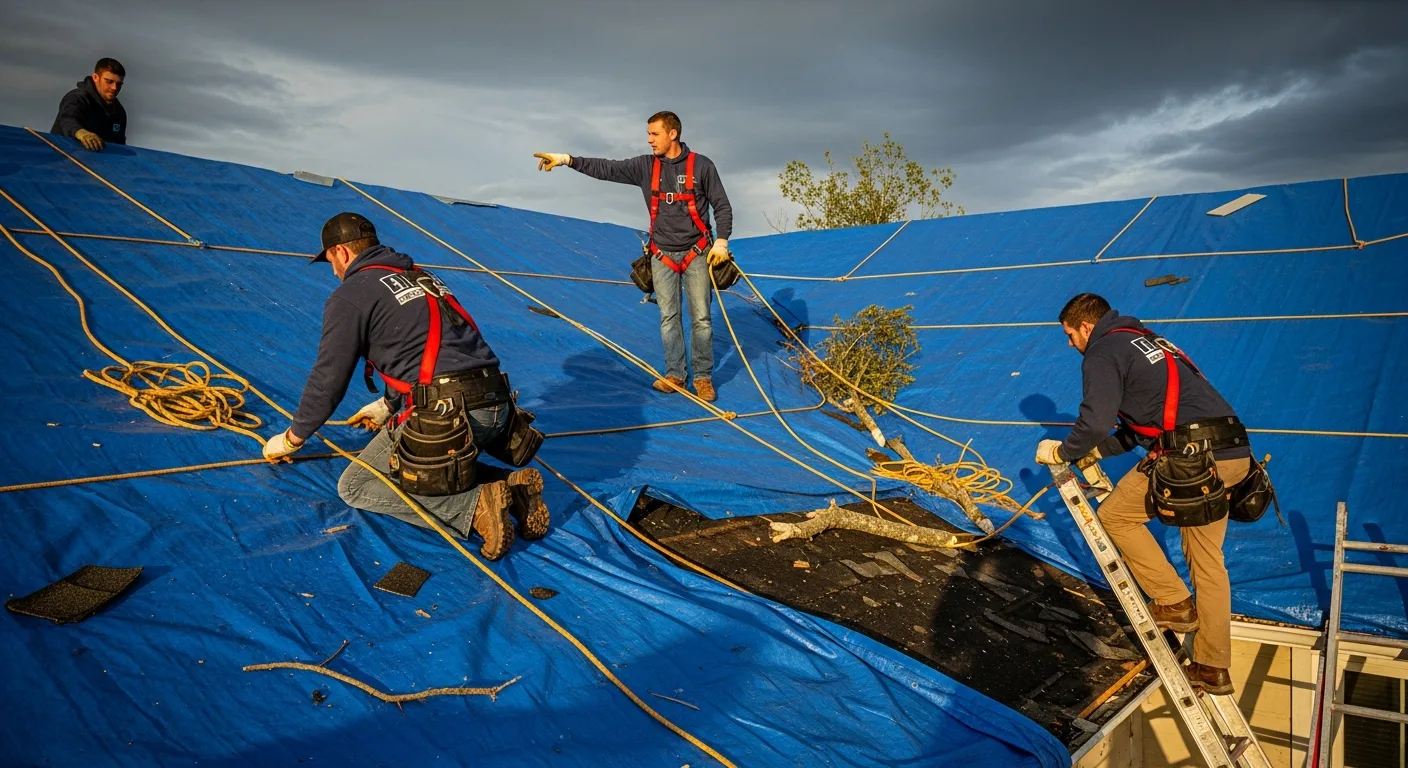
- Covering damaged areas with tarps during severe weather forecasts
Prioritize Professional Assessment
Schedule a comprehensive inspection to identify all damage and develop a repair priority list. Some damage may not be visible from ground level, and professionals can identify issues that could become problems before they cause leaks or structural concerns.
Storm Damage Considerations in High-Wind, Hail-Prone Areas
The Texas Panhandle's location in "Hail Alley" and frequent high-wind events create unique challenges for managing minor roof damage. Property owners should understand these regional factors:
Seasonal Storm Patterns
Spring and early summer bring the highest risk for severe weather. Minor damage from early-season storms may face additional stress from subsequent weather events if not addressed promptly. The National Weather Service data shows that multiple storm events in a single season are common in our region.
Building Code Considerations
Local building codes reflect our area's high-wind environment, requiring specific wind uplift resistance ratings for roofing materials. When making repairs, ensure that replacement materials meet or exceed these requirements to maintain the roof system's overall performance.
Insurance and Warranty Implications
Many insurance policies and material warranties require prompt attention to storm damage. Delaying repairs beyond specified timeframes could void coverage for future damage that could have been prevented.
When to Call a Professional Roofer
While minor storm damage doesn't require emergency response, professional evaluation helps protect your long-term investment and prevents minor issues from becoming major problems.
Contact a qualified roofing contractor when you notice:
- Any visible damage after severe weather events
- Granule accumulation in gutters or around your property
- Loose or missing roofing materials
- Changes in your roof's appearance or obvious impact marks
- Any interior signs of moisture intrusion
Professional roofers can assess the full scope of damage, including less obvious issues like compromised underlayment or damaged decking that could affect your roof's long-term performance. They also understand local code requirements and can ensure that repairs maintain your roof system's warranty coverage and insurance compliance.
Don't let minor storm damage compromise your roof's long-term performance. Contact our experienced team to learn more on our residential roofing service page or explore our commercial roofing services section for professional assessment and repair services designed specifically for Texas Panhandle weather challenges.
Texas Panhandle Climate Amplifies Minor Damage Effects
The unique climate conditions of the Texas Panhandle significantly accelerate how minor storm damage evolves into major problems. NOAA weather data shows our region experiences some of the most extreme temperature swings in the continental United States, with summer highs exceeding 100°F and winter lows dropping below freezing. These thermal cycling conditions cause roofing materials to expand and contract repeatedly, turning small cracks or displaced shingles into progressively larger vulnerabilities.
Hail damage is particularly concerning in our region, as the Texas Panhandle sits in the heart of "Hail Alley." When asphalt shingles lose granules from hail impact, they become more susceptible to UV degradation under our intense summer sun. GAF's technical documentation indicates that granule loss can reduce a shingle's effective lifespan by 30-50% when combined with high UV exposure. Similarly, minor punctures in commercial membrane systems can quickly worsen due to thermal movement, especially in TPO and EPDM systems that experience significant expansion and contraction.
Industry Standards for Storm Damage Assessment
Professional storm damage assessment follows strict industry protocols established by ASTM International standards, particularly ASTM D3746 for impact resistance testing and ASTM D7158 for wind resistance evaluation. These standards help distinguish between cosmetic damage and functional impairment. For example, hail impact testing determines whether damage compromises the shingle's ability to shed water effectively, not just its appearance.
The Insurance Institute for Business & Home Safety has conducted extensive research on how minor damage progresses over time. Their findings show that seemingly insignificant issues like loose flashing or small membrane tears can create water infiltration pathways within 12-18 months when exposed to repeated freeze-thaw cycles common in North Texas winters.
Code Compliance and Safety Considerations
Even minor storm damage can affect your roof system's compliance with current building codes. The International Code Council's IRC and IBC requirements specify minimum wind uplift resistance and water penetration standards that damaged roofing components may no longer meet. This is particularly important for commercial properties, where code compliance affects insurance coverage and occupancy permits.
Safety considerations also extend beyond immediate structural concerns. EPA indoor air quality guidelines emphasize that even minor moisture infiltration from damaged roofing can create conditions conducive to mold growth, especially in our humid spring and summer months when indoor cooling systems create temperature differentials that promote condensation.