Metal roofing systems are renowned for their durability, energy efficiency, and ability to withstand severe weather conditions. However, even the most robust metal roof requires consistent annual maintenance to maximize its lifespan, preserve warranty coverage, and ensure optimal performance. Understanding what maintenance tasks your metal roof needs—and when to perform them—protects your investment and prevents minor issues from becoming costly repairs.
Why Annual Metal Roof Maintenance Matters
Metal roofs can last 40-70 years with proper care, making them one of the most cost-effective roofing solutions available. However, neglecting routine maintenance can significantly reduce this lifespan and void manufacturer warranties. Annual maintenance serves multiple critical functions within your building envelope system:
- Prevents moisture intrusion that leads to structural damage
- Maintains wind uplift resistance ratings
- Preserves thermal reflectivity and energy efficiency
- Identifies potential issues before they require major repairs
- Ensures compliance with warranty requirements
The National Roofing Contractors Association emphasizes that proactive maintenance is essential for all roofing systems, but particularly important for metal roofs due to their unique expansion and contraction properties.
Essential Annual Metal Roof Maintenance Tasks
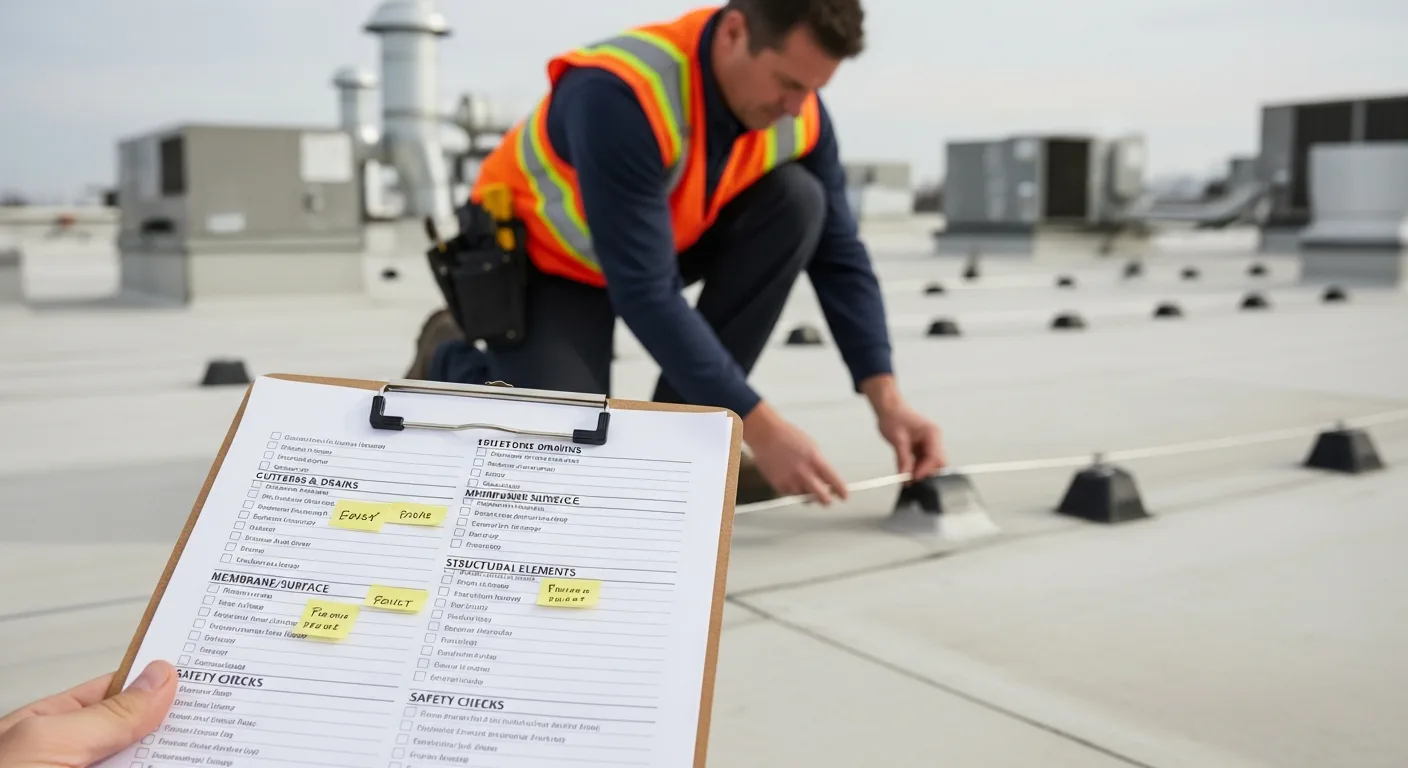
Comprehensive Visual Inspection
Begin your annual maintenance with a thorough visual inspection of the entire roof system. This should include examining the metal panels, fasteners, flashing, and all penetrations. Look for signs of corrosion, loose fasteners, damaged sealants, or panel displacement. Pay particular attention to areas around HVAC equipment, skylights, and other roof penetrations where issues commonly develop.
Fastener and Sealant Evaluation
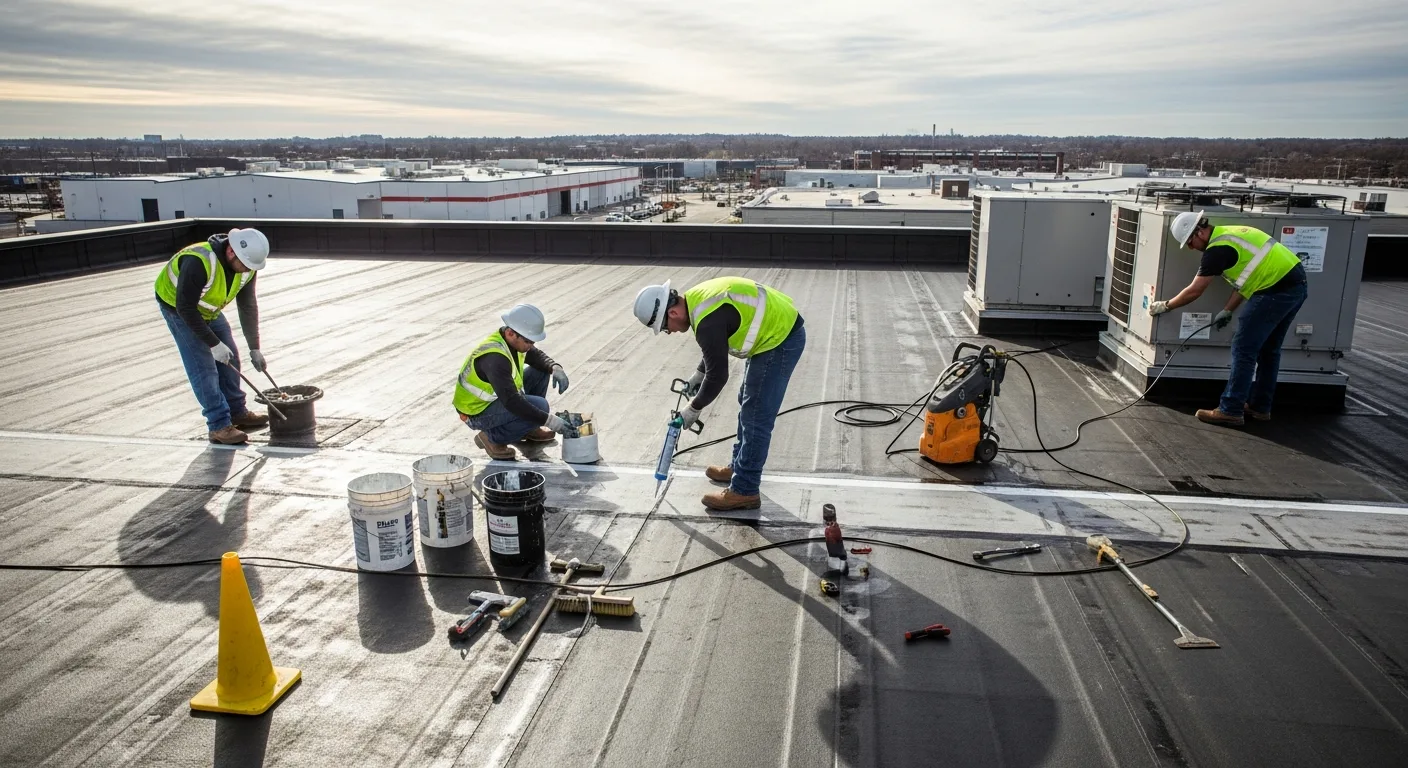
Metal roof fasteners experience thermal cycling throughout the year, which can cause loosening over time. Check all exposed fasteners for tightness and replace any that show signs of corrosion or wear. Similarly, examine all sealants around penetrations, flashing, and panel joints. Deteriorated sealants allow moisture intrusion and should be removed and replaced with compatible materials.
Drainage System Maintenance
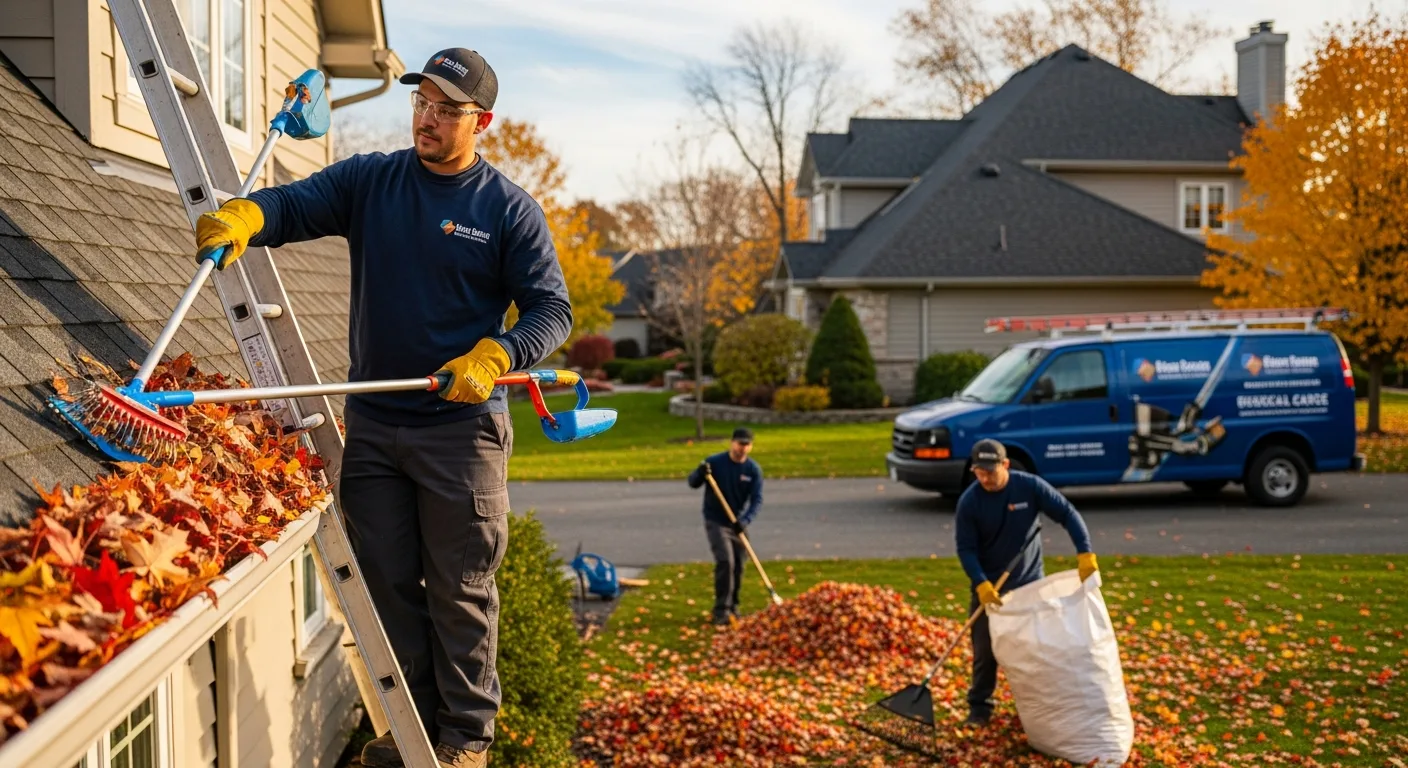
Proper drainage is crucial for metal roof longevity. Clean all gutters, downspouts, and roof drains of debris that could cause ponding water. Even small amounts of standing water can accelerate corrosion and compromise the roof system lifespan. Ensure that all drainage components are securely attached and functioning properly.
Surface Cleaning and Debris Removal
Remove all debris from the roof surface, including leaves, branches, and accumulated dirt. This debris can trap moisture against the metal surface and accelerate corrosion. Use appropriate cleaning methods for your specific metal roof type—some coatings require gentle cleaning solutions, while others can withstand pressure washing.
Addressing Climate-Specific Maintenance Needs
In the Texas Panhandle, metal roofs face unique challenges that require specific attention during annual maintenance. The region's extreme temperature fluctuations, high winds, and frequent hailstorms create additional maintenance considerations.
Hail Damage Assessment
After significant hail events, inspect your metal roof for impact damage. While quality metal roofing offers excellent impact resistance, severe hail can cause denting or coating damage that affects performance. Document any damage immediately and contact your insurance company if repairs are needed. Learn more about storm damage evaluation on our hail and wind damage repair page.
Wind-Related Inspections
High winds can stress metal roof systems, particularly at the roof perimeter and corners where wind uplift forces are strongest. Check for loose panels, damaged clips, or compromised attachment points. The Insurance Institute for Business & Home Safety recommends paying special attention to these high-stress areas during routine inspections.
Thermal Movement Considerations
The extreme temperature variations common in the Texas Panhandle cause significant thermal movement in metal roofing. Check expansion joints, slip joints, and connection details for proper operation. Restricted thermal movement can create stress concentrations that lead to fastener failure or panel damage.
Professional vs. DIY Maintenance Tasks
While property owners can perform some metal roof maintenance tasks, others require professional expertise and equipment. Understanding which tasks are appropriate for DIY maintenance and which require professional attention helps ensure safety and effectiveness.
Safe DIY Tasks
- Ground-level gutter cleaning and inspection
- Removing debris from accessible roof areas
- Visual inspection from ground level or through windows
- Documenting visible damage for professional assessment
Tasks Requiring Professional Service
- Comprehensive roof surface inspection
- Fastener tightening and replacement
- Sealant removal and reapplication
- Coating repairs or reapplication
- Structural assessments and repairs
Professional roofers have the training, equipment, and experience necessary to safely access and maintain metal roofs while preserving warranty coverage. Visit our roof inspection services section to learn about comprehensive professional maintenance programs.
Maintaining Warranty Coverage
Most metal roof manufacturers require documented annual maintenance to maintain warranty coverage. This typically includes professional inspections, prompt repair of identified issues, and use of approved materials and methods. Keep detailed records of all maintenance activities, including photographs, repair receipts, and inspection reports.
Some manufacturers also require specific maintenance procedures or materials. Review your warranty documentation carefully and ensure that your maintenance program meets all requirements. Failure to follow manufacturer guidelines can void warranty coverage and leave you responsible for repair costs.
Cost Considerations and Long-Term Value
Annual metal roof maintenance represents a small investment compared to the cost of major repairs or premature roof replacement. Most property owners spend 1-3% of their roof's replacement cost on annual maintenance, but this investment can extend roof system lifespan by decades.
The Department of Energy notes that well-maintained metal roofs maintain their energy efficiency benefits throughout their lifespan, providing ongoing utility savings that help offset maintenance costs.
When to Schedule Professional Metal Roof Maintenance
The ideal time for annual metal roof maintenance in the Texas Panhandle is typically late spring or early fall, when weather conditions are moderate and before severe storm seasons. This timing allows you to address any winter damage and prepare for upcoming weather challenges.
However, don't wait for your annual maintenance if you notice signs of damage or performance issues. Prompt attention to problems prevents minor issues from becoming major repairs and helps maintain your roof's protective function.
Professional maintenance should also be scheduled after significant weather events, regardless of your regular maintenance schedule. High winds, hail, or extreme temperature fluctuations can create issues that require immediate attention.
CRS Roofing & Construction provides comprehensive metal roof maintenance services designed to maximize your roof system's performance and lifespan. Our experienced team understands the unique challenges faced by metal roofs in the Texas Panhandle and can develop a maintenance program tailored to your specific needs. Contact us today to schedule your annual metal roof maintenance and protect your roofing investment for years to come.
In the Texas Panhandle, metal roofs face unique environmental challenges that make annual maintenance even more critical. The region's extreme temperature fluctuations—from scorching summers exceeding 100°F to sudden winter freezes—create significant thermal cycling stress on metal roofing systems. According to NOAA weather data, Amarillo experiences an average of 62 days per year with temperatures above 90°F and frequent hail events, making proper maintenance essential for preserving structural integrity and energy performance.
The Metal Construction Association's technical standards specify that standing seam metal roofs in high-wind zones like Texas must maintain proper fastener torque specifications and sealant integrity to preserve their wind uplift ratings. During annual inspections, particular attention should be paid to panel expansion joints and clip connections, as the extreme heat in our region can cause faster degradation of sealants and gaskets than in more moderate climates.
Safety considerations during maintenance cannot be overlooked, especially given the reflective nature of metal surfaces that can create dangerous glare conditions. OSHA fall protection standards require proper safety equipment and procedures when working on any roof surface above six feet. For commercial properties, the National Roofing Contractors Association recommends professional inspections rather than DIY approaches, particularly for buildings with complex rooflines or in areas prone to severe weather like the Texas Panhandle.
Energy efficiency maintenance is particularly important in our climate, where cooling costs can represent 40-60% of total energy consumption. Department of Energy studies show that properly maintained cool metal roofing systems can reduce cooling energy use by 10-15% compared to traditional roofing materials. This includes cleaning panels to maintain their solar reflectance index (SRI) rating and ensuring proper attic ventilation to prevent heat buildup that can compromise the roof deck and reduce the system's overall thermal performance.