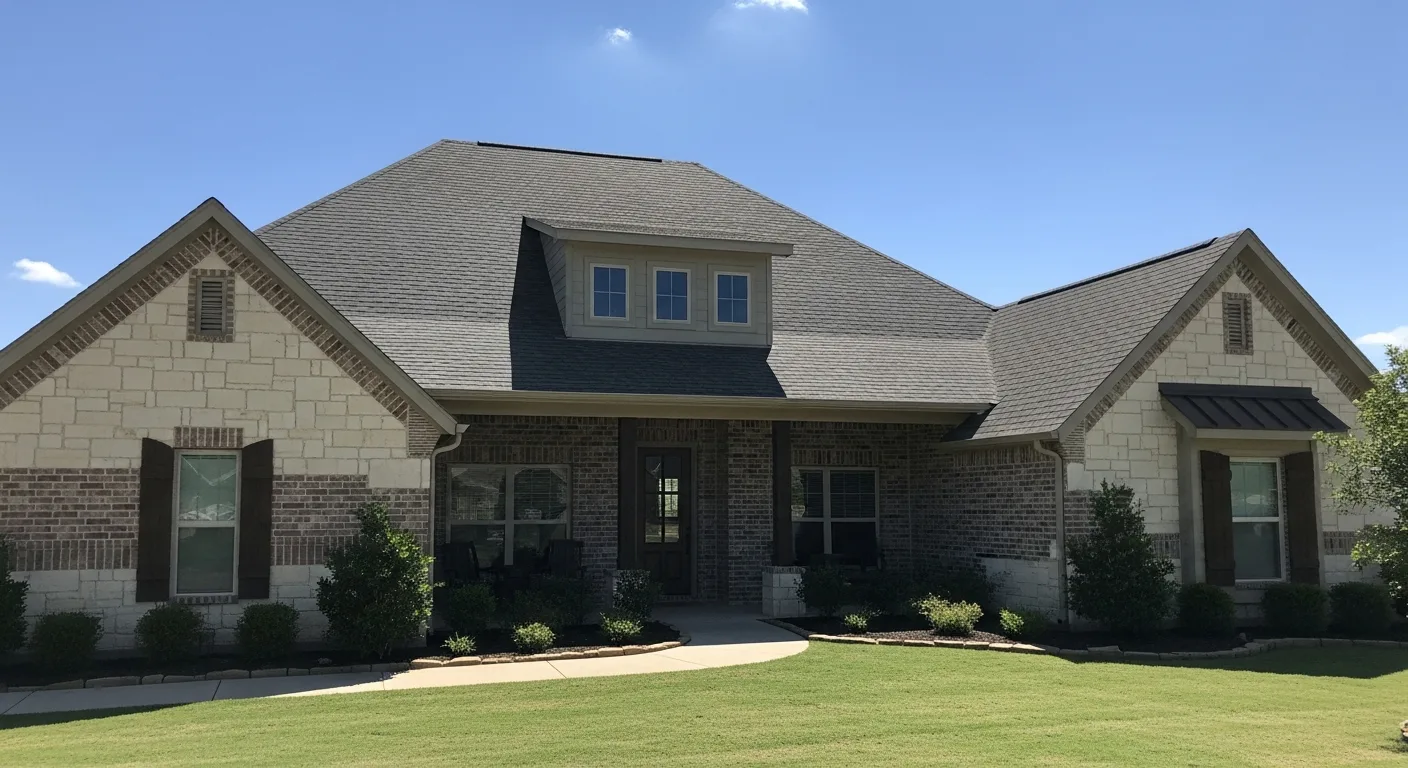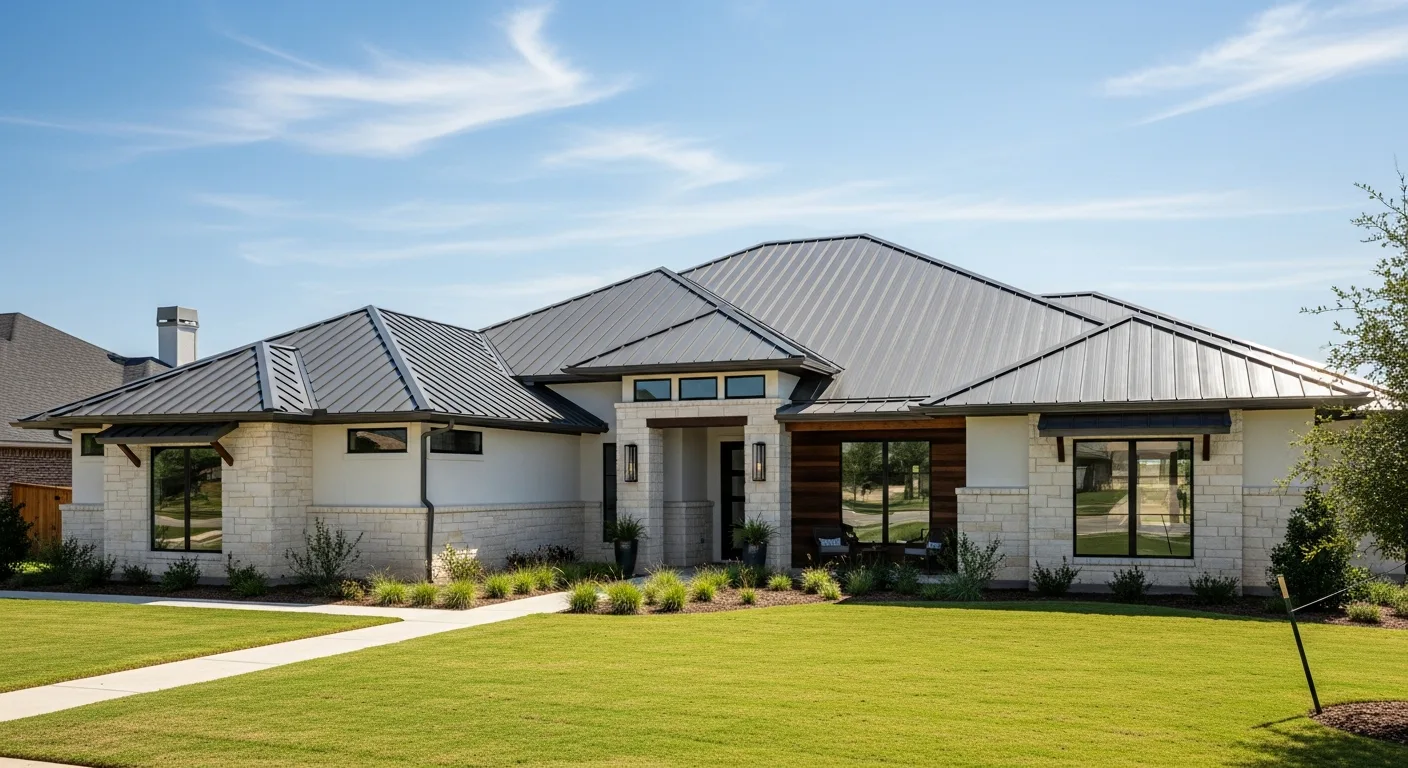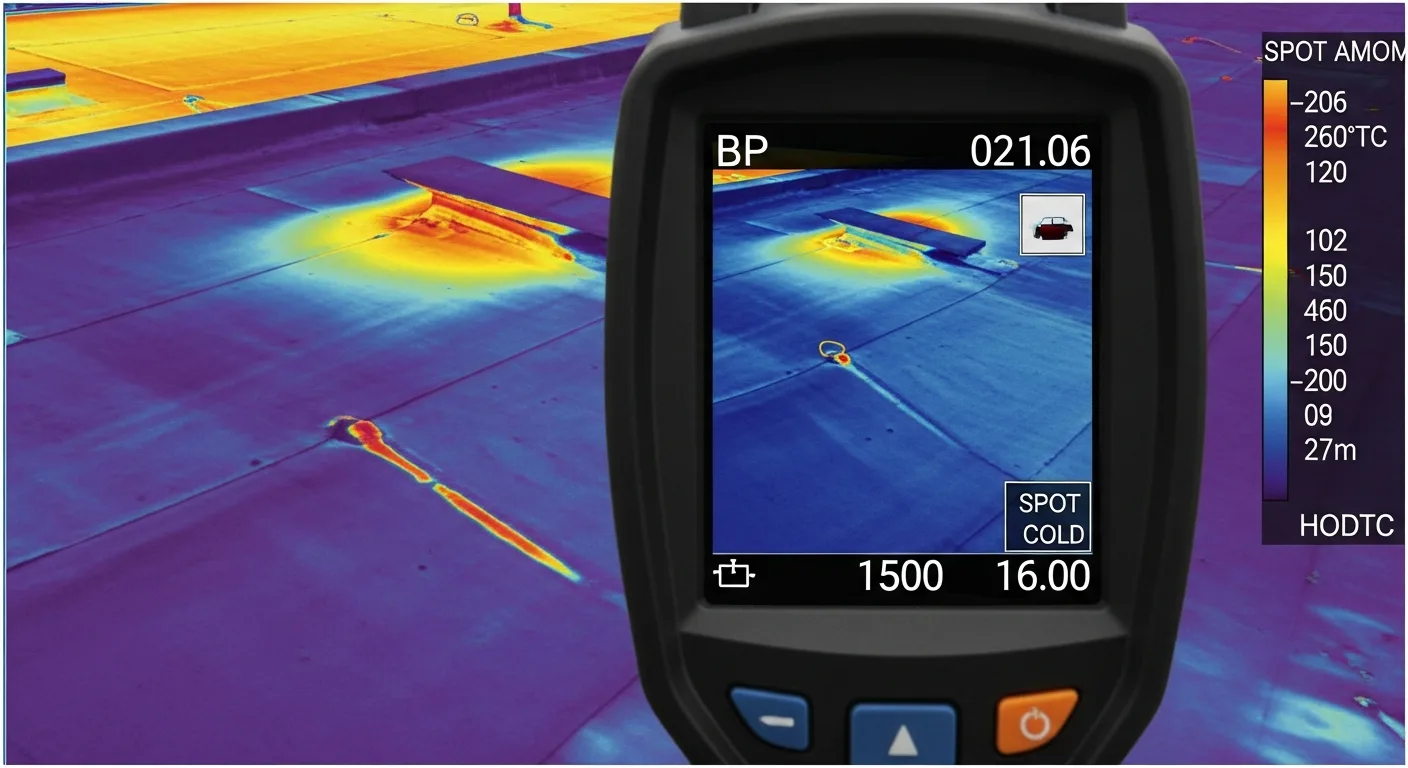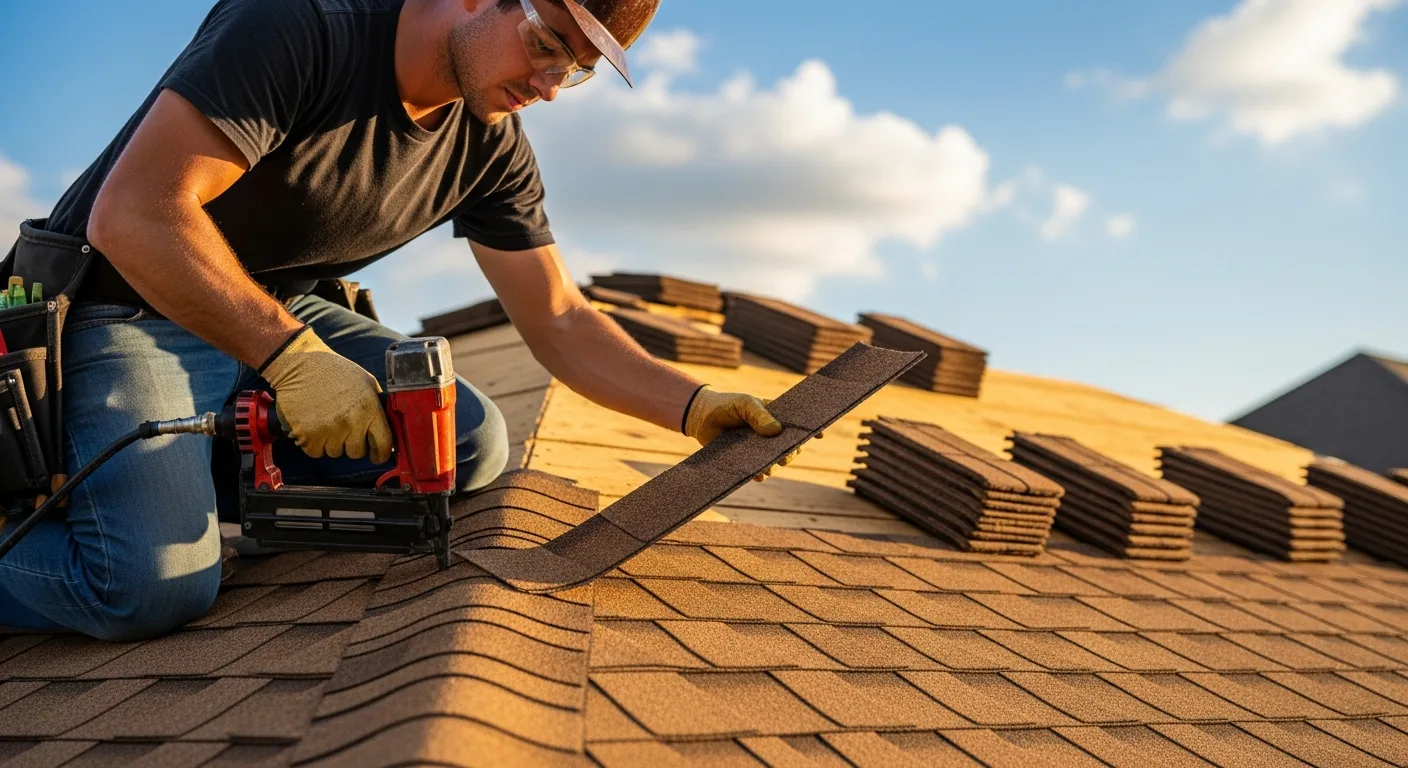
When investing in a new roof system, property owners often assume all warranties provide the same level of protection. However, manufacturer warranties and contractor workmanship warranties serve distinctly different purposes, cover separate aspects of your roofing system, and operate under different terms and conditions. Understanding these differences is crucial for making informed decisions about your roof replacement and ensuring comprehensive protection for your investment.
What These Warranties Mean and Why Both Matter
Manufacturer warranties specifically cover defects in roofing materials themselves—such as premature granule loss on asphalt shingles, membrane splitting in commercial systems, or manufacturing flaws that cause materials to fail before their expected lifespan. These warranties are issued directly by companies like GAF, Owens Corning, Carlisle, or Firestone and typically range from 10 to 50 years depending on the product line.
Contractor workmanship warranties, conversely, protect against installation errors and labor-related issues. This coverage addresses problems like improper flashing installation, inadequate fastening patterns, poor seam welding on membrane systems, or ventilation system mistakes that could compromise your building envelope's integrity.
The distinction matters because roof system failures rarely stem from a single cause. A leak might result from both a manufacturing defect in the membrane material and improper installation techniques. Without understanding which warranty applies to which scenario, property owners may find themselves caught between manufacturers and contractors when seeking resolution.
Key Coverage Differences and Limitations
Manufacturer Warranty Specifics
Material warranties from major manufacturers typically cover defects that cause premature failure, wind uplift resistance below rated specifications, and thermal performance issues that don't meet stated R-values or thermal reflectivity standards. However, these warranties often include significant limitations:
- Coverage may be prorated, meaning compensation decreases over time
- Labor costs for replacement are frequently excluded or limited
- Transferability to new property owners may be restricted
- Weather-related damage, including hail impact and wind damage common in the Texas Panhandle, is typically excluded
- Proper installation by certified contractors may be required to maintain validity
Manufacturers also distinguish between standard warranties and enhanced system warranties. Enhanced warranties, available through certified contractors, often provide better coverage including labor costs and longer protection periods, but require specific installation protocols and material combinations.
Contractor Workmanship Warranty Coverage
Quality roofing contractors provide workmanship warranties that cover installation-related issues including:
- Flashing failures around penetrations and roof-to-wall transitions
- Improper drainage that leads to ponding water on commercial membrane systems
- Inadequate fastening patterns that compromise wind uplift resistance
- Ventilation system installation errors affecting moisture intrusion
- Seaming issues on single-ply membrane installations
Workmanship warranty terms vary significantly between contractors. Reputable companies typically offer 2-10 year coverage, with some providing longer protection on premium installations. These warranties should cover both materials and labor costs for correcting installation defects.
How Warranty Claims Actually Work
The claims process reveals another critical difference between warranty types. Manufacturer warranty claims require documentation proving the material defect wasn't caused by installation errors, weather damage, or normal wear. This often involves inspections by manufacturer representatives and can result in disputes over failure causation.
Contractor warranty claims typically involve direct communication with your roofing company, who has intimate knowledge of your specific installation and local conditions. However, the contractor's long-term viability becomes crucial—warranties from companies that go out of business provide no protection.
For complex failures involving both material and installation issues, property owners may need to pursue claims through both warranty types simultaneously. This requires careful documentation and often benefits from professional inspection services to properly identify failure causes.
Special Considerations for Storm-Prone Areas
In high-wind regions like the Texas Panhandle, warranty considerations become even more complex. Extreme weather events can reveal both material weaknesses and installation defects, making it difficult to determine coverage responsibility.
Impact-resistant shingles and membrane systems rated for high wind uplift resistance may carry enhanced manufacturer warranties specifically for storm-prone areas. However, these enhanced protections often require strict installation compliance and regular maintenance documentation.
Local contractors familiar with severe weather patterns understand warranty requirements specific to challenging climates. They can ensure installations meet enhanced specifications that maintain warranty validity while providing superior protection against wind uplift, hail impact, and thermal cycling common in the region.
Weather-related warranty exclusions mean that proper installation techniques become even more critical, as installation defects that contribute to storm damage may void manufacturer protections entirely.
Maximizing Your Warranty Protection
To ensure comprehensive coverage, property owners should prioritize contractors who offer robust workmanship warranties while maintaining manufacturer certifications for enhanced material warranties. This dual approach provides maximum protection across both potential failure modes.
Documentation proves crucial for warranty protection. Maintain detailed records of installation specifications, material certifications, inspection reports, and maintenance activities. Many warranty claims fail due to inadequate documentation rather than legitimate coverage disputes.
Regular professional inspections help identify potential issues before they become major problems, often allowing for warranty-covered repairs that prevent more extensive damage. This proactive approach protects both warranty validity and your long-term investment.
When to Consult Professional Roofers
Warranty evaluation should begin during the contractor selection process, not after problems develop. Experienced roofing professionals can explain specific warranty terms, help you understand coverage limitations, and recommend system combinations that maximize protection for your specific situation and climate conditions.
If you're experiencing roofing issues and aren't sure which warranty applies, professional assessment can identify failure causes and guide you through the appropriate claims process. Many problems involve multiple factors, requiring expert analysis to determine proper warranty coverage.
For property owners considering roof replacement, consulting with qualified contractors about warranty options ensures you understand the full scope of protection available. To learn more about comprehensive warranty coverage and professional installation standards, visit our residential roofing service page or explore our commercial roofing services section for detailed information about protecting your roofing investment.
In the Texas Panhandle, where extreme weather conditions including severe hailstorms and high winds are common, understanding warranty coverage becomes even more critical. The region's climate presents unique challenges that can affect both material performance and installation quality, making comprehensive warranty protection essential for long-term roof system integrity.
When evaluating manufacturer warranties, pay close attention to impact resistance ratings and wind uplift specifications. Many premium shingle lines from manufacturers like Owens Corning's Duration series offer Class 4 impact resistance and wind ratings up to 130 mph, which are particularly valuable in our hail-prone region. However, these performance ratings are only valid when materials are installed according to manufacturer specifications—a responsibility that falls under contractor workmanship warranties.
The National Roofing Contractors Association (NRCA) emphasizes that proper installation techniques are crucial for warranty validity. This includes adhering to specific fastening patterns, using the correct number of nails per shingle, and ensuring proper ventilation ratios. In Texas, where temperatures can exceed 100°F for extended periods, inadequate ventilation can void manufacturer warranties by causing premature aging of roofing materials.
Commercial properties face additional complexity with membrane systems. Carlisle's TPO and EPDM systems offer warranties up to 30 years, but these require certified installers and specific welding techniques that must meet ASTM standards. The extreme temperature fluctuations in the Panhandle—from below freezing in winter to over 100°F in summer—put additional stress on membrane seams, making proper installation techniques critical for warranty coverage.
Understanding warranty transferability is also important for property values. Many manufacturer warranties can be transferred to new owners, but this transfer often requires proper documentation and may involve fees. Contractor workmanship warranties, particularly those offered by established local contractors, provide additional value by ensuring that someone familiar with regional weather patterns stands behind the installation quality. This local expertise becomes invaluable when addressing issues specific to Panhandle weather conditions, such as wind-driven rain infiltration or thermal expansion problems caused by extreme temperature swings.