A roof warranty represents significant financial protection for your property investment, but many property owners unknowingly void their coverage through improper maintenance practices. Understanding and following specific maintenance requirements isn't just about preserving warranty validity—it's about maximizing your roof system lifespan and avoiding costly repairs that insurance won't cover.
Why Roof Warranty Maintenance Matters
Roof warranties typically range from 10 to 50 years depending on materials and installation quality, representing thousands of dollars in potential coverage. However, most warranties include specific maintenance clauses that require regular upkeep to remain valid. Failure to meet these requirements can result in complete warranty voidance, leaving you financially responsible for premature failures, material defects, and weather-related damage.
The building envelope depends on proper roof system maintenance to prevent moisture intrusion, which can lead to structural damage, mold growth, and compromised insulation performance. Regular maintenance also helps identify minor issues before they escalate into major problems that exceed warranty coverage limits.
Critical Warranty-Preserving Maintenance Requirements
Professional Inspections
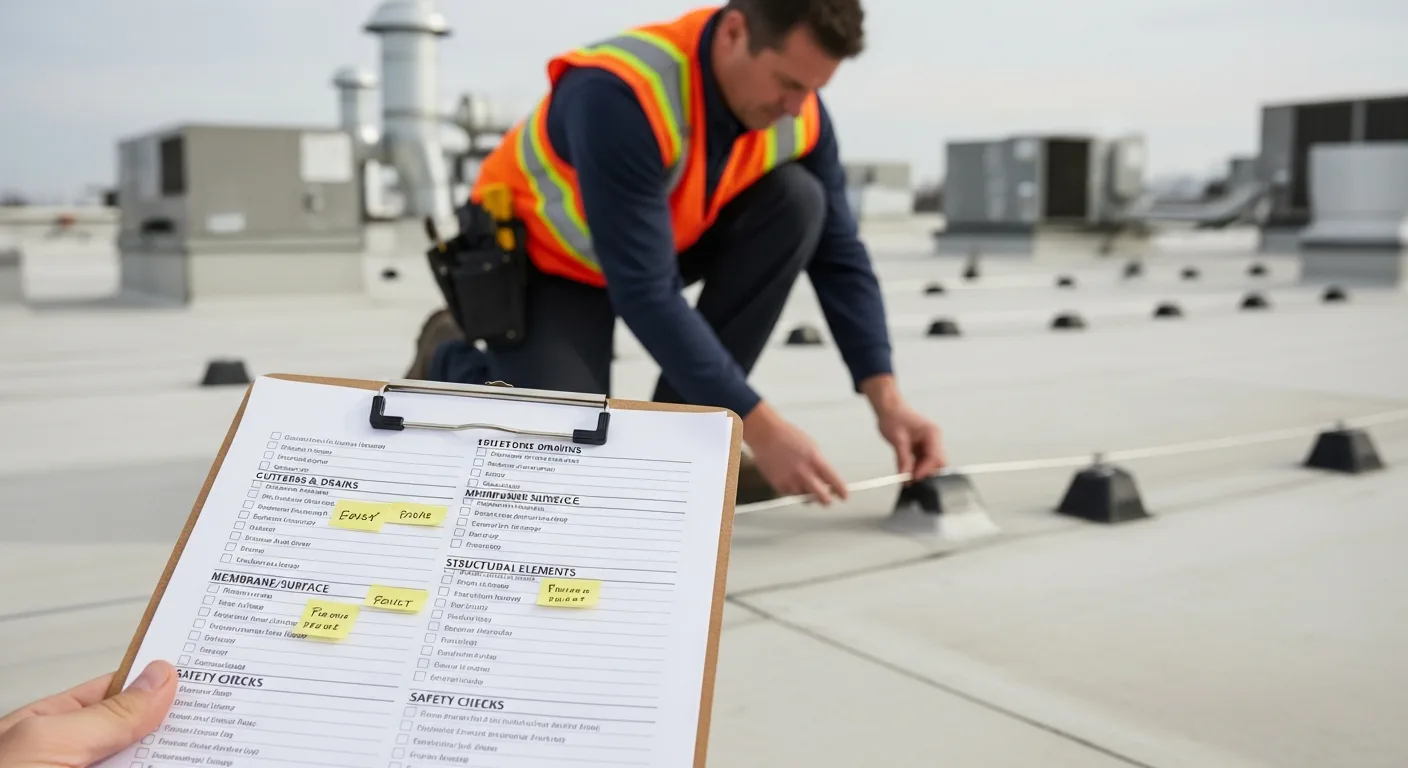
Most warranty agreements require annual professional inspections conducted by qualified roofing contractors. These inspections must be documented and typically include evaluation of drainage dynamics, flashing integrity, membrane condition, and overall roof system performance. The National Roofing Contractors Association emphasizes that documented maintenance records are essential for warranty claims.
Professional inspections should assess wind uplift resistance, particularly critical in the Texas Panhandle where high winds can compromise roof system integrity. Inspectors evaluate fastener patterns, membrane adhesion, and edge detail performance to ensure continued warranty compliance.
Immediate Storm Damage Assessment
Warranty terms typically require prompt evaluation and repair of storm damage, especially after hailstorms or severe wind events common in the Amarillo area. Property owners must document damage through professional assessment and complete necessary repairs within specified timeframes to maintain coverage validity.
Impact-resistant shingles and commercial membrane systems require specific post-storm evaluation protocols to identify compromised areas that might not be immediately visible. Delayed response to storm damage often results in warranty voidance due to progressive deterioration.
Drainage System Maintenance
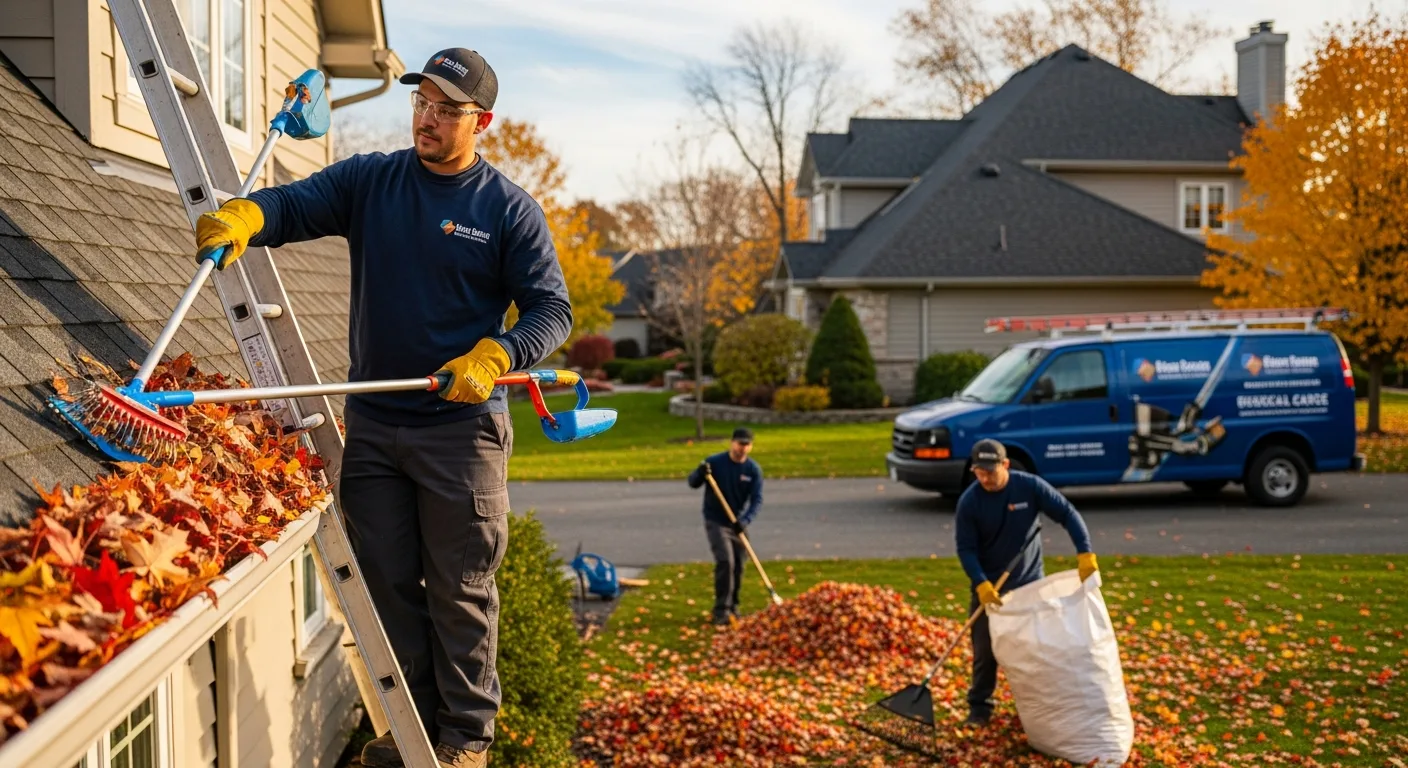
Proper drainage is fundamental to warranty preservation, as ponding water can void most commercial roofing warranties within 48-72 hours of accumulation. Regular gutter cleaning, downspout maintenance, and drain inspection prevent water backup that leads to membrane degradation and structural damage.
Commercial flat roof systems require particular attention to drainage dynamics, as even minor slope variations can create ponding conditions that exceed warranty tolerance. Property owners must maintain clear drainage pathways and address settling issues that affect water flow patterns.
Documentation and Record-Keeping Requirements
Warranty preservation requires meticulous documentation of all maintenance activities, repairs, and inspections. Most manufacturers specify exact record-keeping formats and retention periods, typically requiring:
- Dated photographs of roof condition before and after maintenance
- Professional inspection reports with contractor licensing information
- Material receipts for any replacement components or sealants
- Weather documentation for storm-related maintenance activities
- Detailed repair descriptions and methodology
Digital documentation systems help ensure long-term record preservation, as warranty claims often occur years after installation when paper records may be lost or damaged. Cloud-based storage provides accessible maintenance histories that support warranty claims processing.
Material and Installation Compliance
Warranty terms typically restrict repair materials to specific manufacturer-approved products and installation methods. Using non-approved materials or improper installation techniques can immediately void warranty coverage, even for unrelated roof sections.
Major manufacturers like GAF specify that repairs must meet original installation standards and utilize compatible materials to maintain system integrity. This includes matching thermal reflectivity values, R-value specifications, and membrane compatibility in commercial applications.
Property owners should verify contractor qualifications and manufacturer certifications before authorizing any roof work, as unauthorized repairs often void warranty protection entirely.
Climate-Specific Maintenance in High-Wind Regions
The Texas Panhandle's extreme weather patterns require enhanced maintenance protocols to preserve warranty coverage. High winds, severe temperature fluctuations, and intense UV exposure create unique challenges that standard maintenance programs may not address adequately.
Wind uplift resistance requires regular evaluation of fastener systems, edge details, and membrane adhesion strength. The Insurance Institute for Business & Home Safety recommends enhanced inspection protocols for properties in high-wind regions to identify potential failure points before warranty-voiding damage occurs.
Temperature cycling in this region causes expansion and contraction that can compromise sealant integrity and flashing performance. Regular thermal imaging inspections help identify developing issues that might not be visible during standard visual assessments.
UV Degradation Prevention
Intense UV exposure in the Texas Panhandle accelerates material degradation, particularly affecting membrane systems and asphalt-based products. Warranty preservation requires regular assessment of surface conditions and protective coating maintenance where specified by manufacturers.
Cool roof systems with thermal reflectivity requirements need periodic cleaning and coating renewal to maintain warranty-specified performance levels. Accumulated dirt and debris can significantly reduce reflectivity values, potentially voiding energy efficiency warranties.
When to Engage Professional Roofing Services
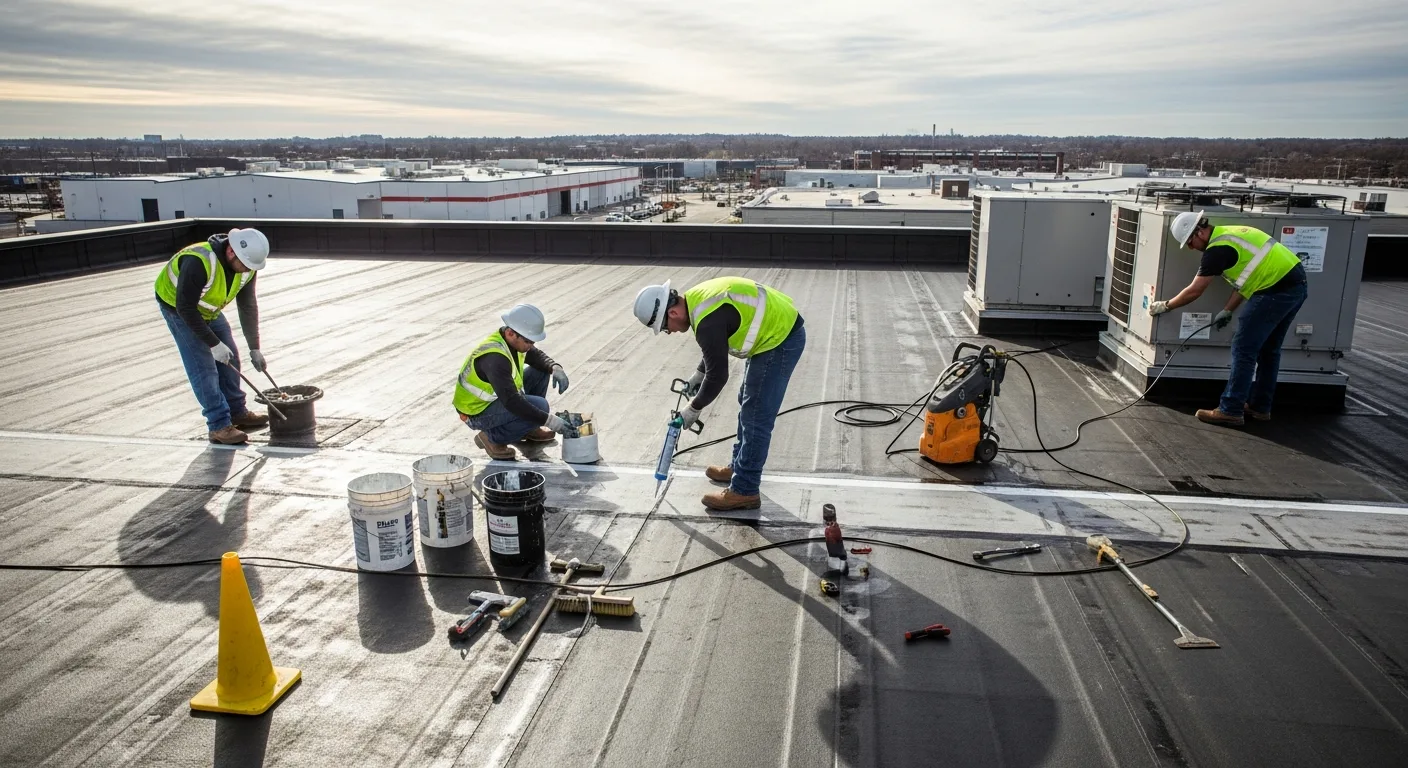
While property owners can perform basic maintenance tasks like debris removal and visual inspections, warranty preservation typically requires professional involvement for critical maintenance activities. Licensed contractors possess the expertise, equipment, and insurance coverage necessary to perform warranty-compliant maintenance without risking coverage voidance.
Professional services become essential when dealing with structural modifications, major repairs, or complex drainage issues that could affect roof system performance. Additionally, warranty claims often require professional documentation and repair estimates that only licensed contractors can provide.
For properties with multiple roof types or complex building envelope systems, professional maintenance programs ensure comprehensive warranty compliance across all roof sections and materials. These programs typically include preventive maintenance scheduling, emergency response protocols, and detailed documentation systems that support long-term warranty preservation.
Protecting your roof warranty requires consistent attention to manufacturer requirements and professional maintenance standards. To ensure your warranty remains valid and your roof system continues performing optimally, visit our roof inspection services page to schedule comprehensive maintenance evaluation. Our experienced team understands warranty requirements and can develop customized maintenance programs that preserve your coverage while maximizing roof system lifespan in the challenging Texas Panhandle climate.
documented through written inspection reports that detail findings, photographs of problem areas, and specific maintenance recommendations. These inspections must examine critical components including flashings, membrane seams, drainage systems, and penetration seals. NRCA guidelines emphasize that professional inspections should evaluate wind uplift resistance, particularly crucial in the Texas Panhandle where winds routinely exceed 40 mph and can reach hurricane-force levels during severe weather events.
Documentation and Record Keeping
Warranty compliance requires meticulous documentation of all maintenance activities, repairs, and inspections. This includes maintaining receipts for professional services, photographic evidence of system condition before and after maintenance, and detailed logs of any weather-related incidents. FM Global standards recommend digital documentation systems that timestamp all maintenance activities and link them to specific warranty requirements.
Climate-Specific Maintenance in the Texas Panhandle
The extreme climate conditions in Amarillo and surrounding areas create unique warranty maintenance challenges. Summer temperatures regularly exceed 100°F, causing significant thermal expansion and contraction that can stress membrane seams and metal panel connections. National Severe Storms Laboratory data shows the Texas Panhandle experiences some of the nation's highest hail frequencies, making impact-resistant materials and post-storm inspections critical warranty requirements.
Wind-driven debris and dust accumulation require more frequent drainage system cleaning than in other regions. The area's notorious "blue northers" can generate sustained winds over 50 mph with gusts exceeding 70 mph, making quarterly inspection of edge securement and fastener tightness essential for maintaining warranty coverage on both residential shingles and commercial membrane systems.
Material-Specific Warranty Requirements
Different roofing materials have distinct maintenance requirements that directly impact warranty validity. For asphalt shingles, manufacturers like GAF require specific cleaning protocols to prevent granule loss and maintain algae resistance properties. Their Timberline series, popular in residential applications, requires annual inspections of starter strips and hip/ridge ventilation systems to maintain weather barrier integrity.
Commercial TPO and EPDM membrane systems demand different maintenance approaches. Carlisle SynTec warranty requirements specify that TPO membranes must be cleaned using approved cleaning agents and techniques to prevent premature aging and maintain heat-welded seam integrity. Walking patterns must be established to avoid repetitive traffic damage, and HVAC equipment pads require regular inspection to prevent membrane punctures that void warranty coverage.
Code Compliance and Safety Considerations
Warranty maintenance must also align with current building codes and safety standards. International Code Council requirements mandate that all roof work, including routine maintenance, comply with fall protection standards and local permitting requirements. In Texas, modifications to roof systems during maintenance may require structural engineering review to ensure continued compliance with wind load requirements, particularly for buildings constructed before current code adoptions.