Your roof represents one of your property's largest investments, yet many homeowners and business owners in the Texas Panhandle question whether regular maintenance truly justifies the expense. The answer is a resounding yes—proper roof maintenance can extend your roof system lifespan by 5-10 years or more, while dramatically reducing the likelihood of catastrophic failures that demand emergency replacement.
What Regular Maintenance Means and Why It Delivers Results
Regular roof maintenance encompasses systematic inspections, cleaning, minor repairs, and preventive treatments that address small issues before they compromise your building envelope. Unlike reactive repairs that respond to existing damage, maintenance takes a proactive approach to roof system care.
The National Roofing Contractors Association (NRCA) emphasizes that well-maintained roofs consistently outperform neglected systems by significant margins. This performance gap becomes especially pronounced in challenging climates like the Texas Panhandle, where extreme temperature fluctuations, high winds, and frequent hailstorms accelerate wear patterns.
Professional maintenance programs typically include debris removal, drainage system cleaning, sealant inspection and renewal, fastener tightening, and detailed documentation of roof conditions. These activities directly address the primary causes of premature roof failure: moisture intrusion, wind uplift damage, and accelerated material degradation.
Key Factors That Reduce Roof Lifespan Without Maintenance
Understanding how maintenance prevents roof deterioration requires examining the specific mechanisms that cause roof system failure. Several critical factors consistently shorten roof lifespan when left unaddressed:
Moisture Intrusion and Water Damage
Water infiltration represents the most destructive force affecting roof systems. Small gaps in flashing, cracked sealants, or damaged membrane areas allow moisture to penetrate the building envelope, leading to structural decay, insulation degradation, and mold growth. Regular maintenance identifies and seals these entry points before water damage occurs.
Drainage System Failures
Clogged gutters, blocked drains, and debris accumulation create ponding water conditions that accelerate material breakdown. Commercial membrane systems particularly suffer from prolonged water exposure, developing premature cracking and separation. Maintenance programs ensure proper drainage dynamics throughout the year.
Wind Uplift and Fastener Loosening
The Texas Panhandle's high-wind environment constantly tests roof attachment systems. Over time, fasteners loosen, edge details lift, and wind uplift resistance decreases. Regular inspections catch these issues early, preventing progressive damage during severe weather events.
UV Degradation and Thermal Cycling
Intense UV exposure and extreme temperature fluctuations cause roofing materials to expand, contract, and gradually deteriorate. Impact-resistant shingles, commercial membrane systems, and protective coatings all benefit from regular assessment and timely replacement of weathered components.
Proven Maintenance Strategies That Extend Roof Life
Effective roof maintenance follows established protocols that address both immediate concerns and long-term system health. The most successful programs incorporate these essential elements:
Scheduled Professional Inspections
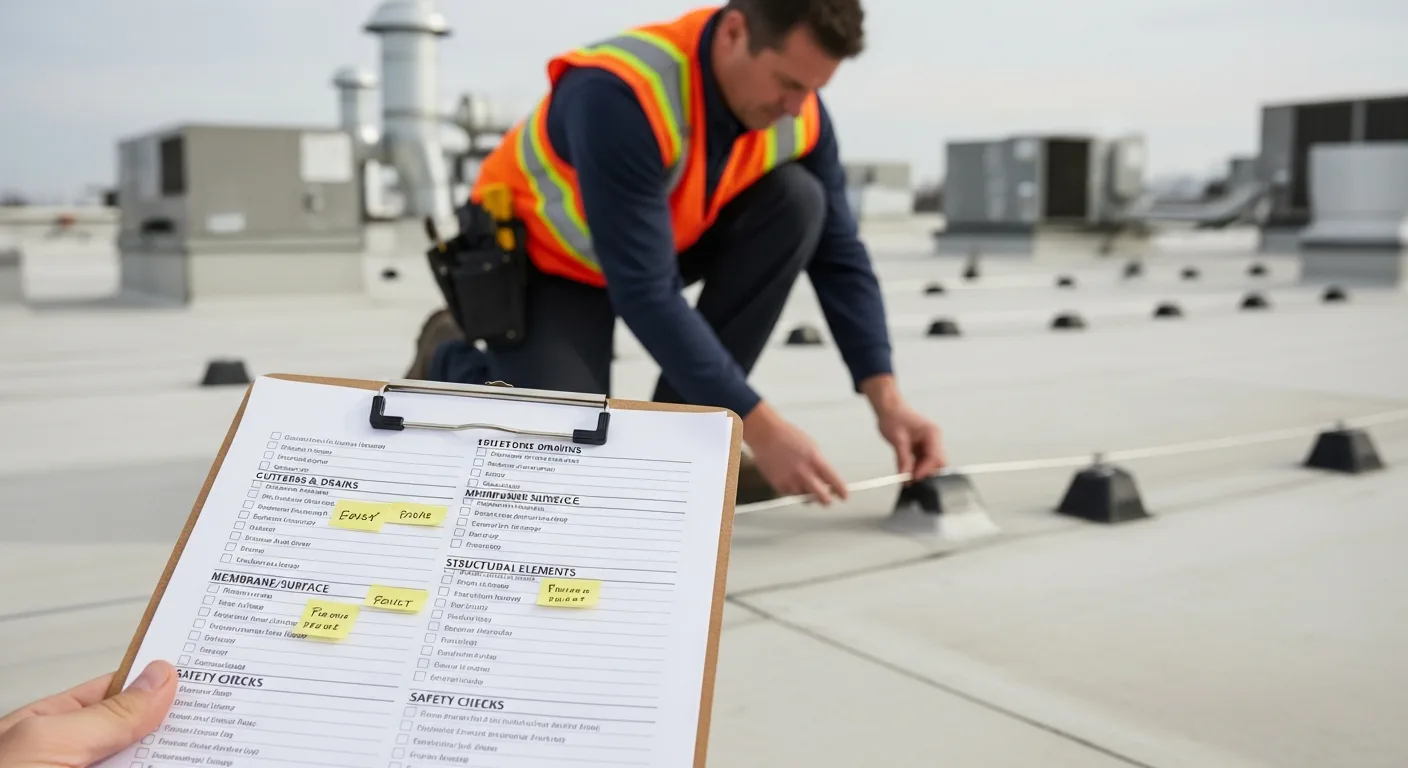
Biannual inspections by qualified roofing professionals provide comprehensive system evaluations that identify developing problems. These assessments examine structural components, waterproofing details, insulation performance, and overall building envelope integrity. Documentation from these inspections also supports warranty requirements and insurance claims.
Preventive Cleaning and Debris Removal
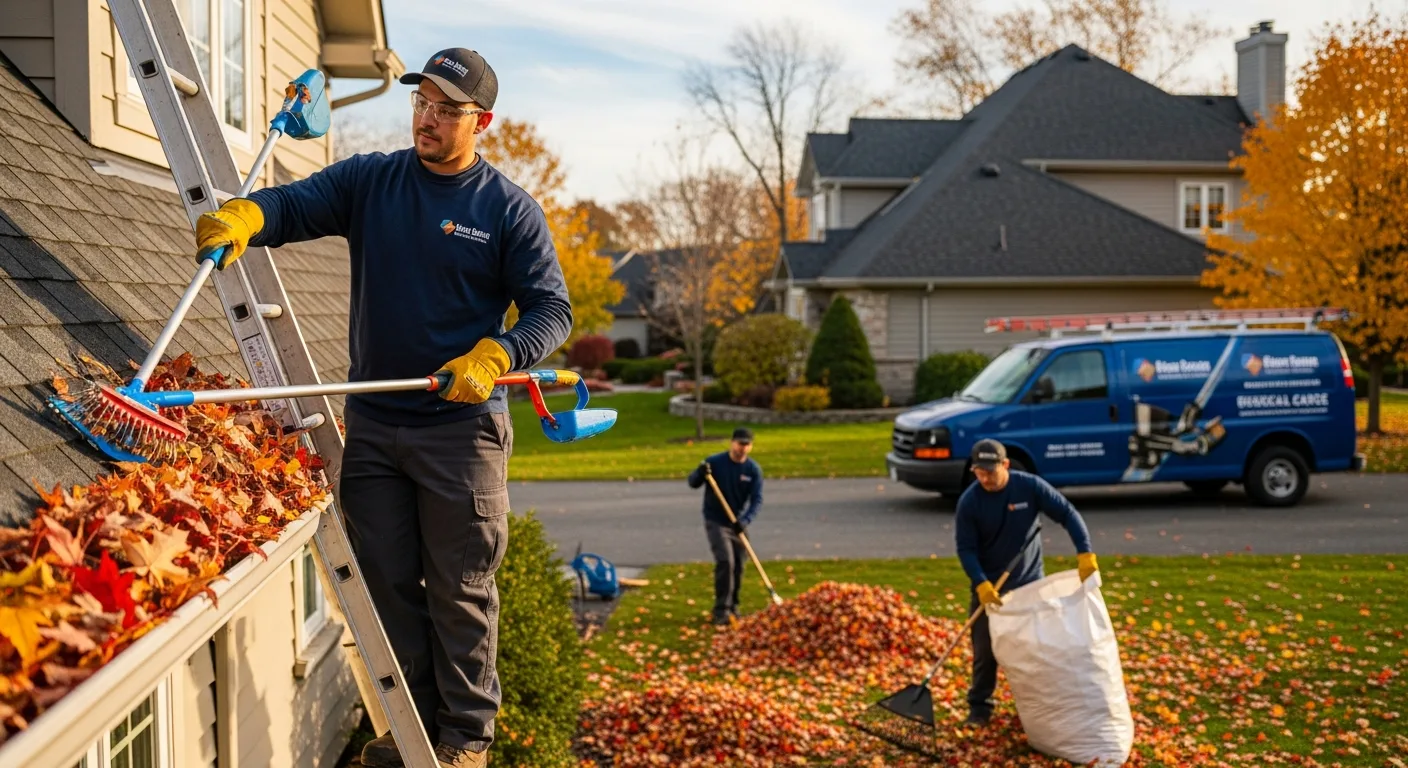
Regular cleaning prevents organic growth, removes abrasive debris, and maintains proper drainage flow. This process includes gutter cleaning, drain clearing, and removal of accumulated materials that trap moisture or cause physical damage to roofing surfaces.
Proactive Repair and Replacement
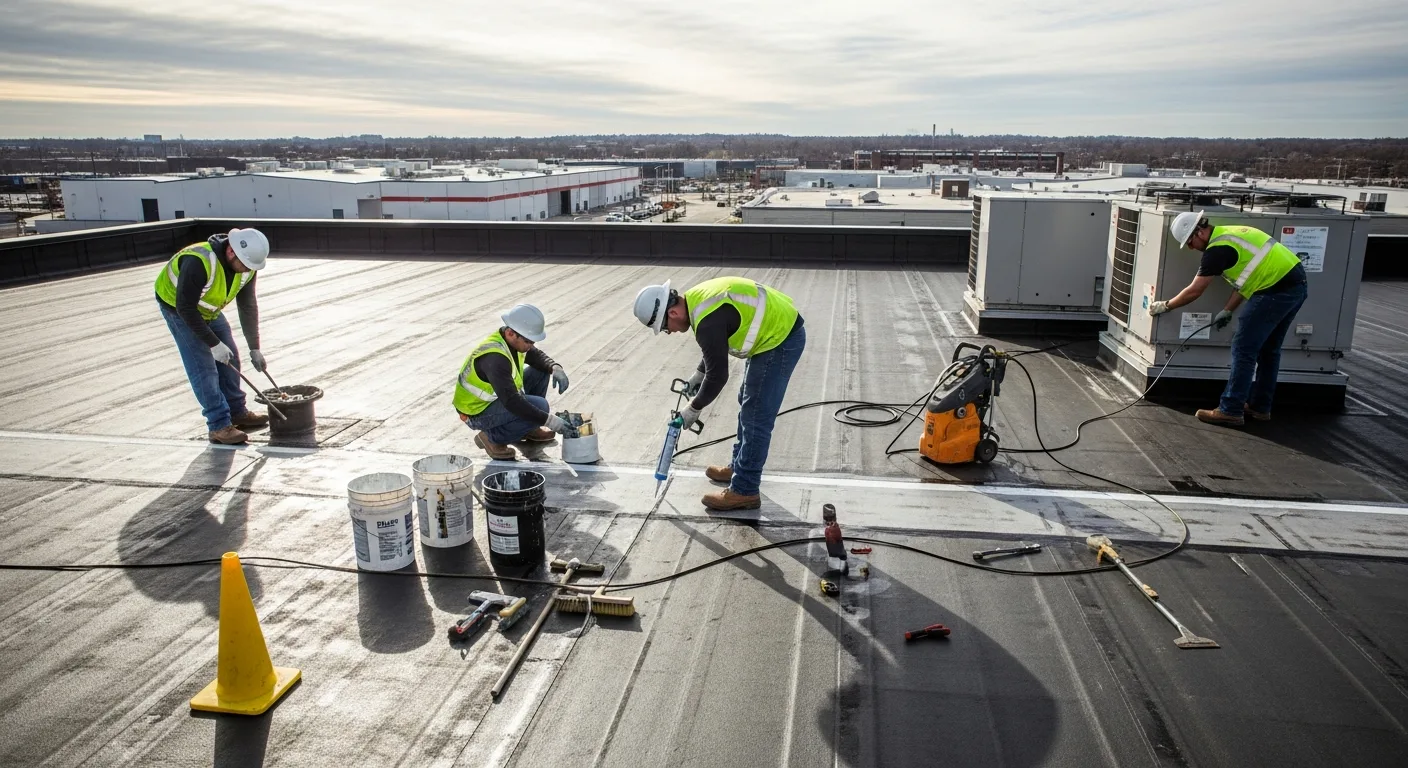
Addressing minor issues immediately prevents them from developing into major problems. This approach includes sealant renewal, flashing repairs, fastener replacement, and spot repairs to damaged areas. The cost of these small interventions represents a fraction of major repair expenses.
Performance Monitoring and Documentation
Systematic record-keeping tracks roof condition over time, identifying patterns that inform maintenance timing and budget planning. This documentation proves invaluable for warranty claims, insurance coverage, and future planning decisions.
You can explore comprehensive maintenance options on our roof inspection services page to develop a customized program for your property.
How Maintenance Pays Off in Storm-Prone Areas
Properties in the Texas Panhandle face unique challenges that make maintenance even more critical for roof longevity. Severe weather events test every aspect of roof system performance, and well-maintained roofs demonstrate superior resilience.
Hailstorms frequently impact the region, causing immediate damage to roofing materials and accelerating long-term deterioration. Regular maintenance ensures impact-resistant shingles remain properly attached, protective coatings stay intact, and drainage systems function effectively during heavy rainfall.
High winds create sustained stress on roof attachment systems and building envelope components. Maintenance programs identify loosened fasteners, lifted membrane edges, and compromised flashing details before wind events exploit these weaknesses.
The Federal Emergency Management Agency (FEMA) recognizes that proactive maintenance significantly reduces disaster-related business interruption and recovery costs. This protection becomes especially valuable for commercial properties where roof failure disrupts operations and threatens inventory.
For properties that have experienced recent storm damage, visit our hail and wind damage repair page to understand how professional restoration combines with ongoing maintenance for optimal long-term performance.
When to Engage Professional Roofing Contractors
While property owners can handle basic tasks like debris removal and visual inspections, comprehensive maintenance requires professional expertise and specialized equipment. Several factors indicate the need for professional involvement:
Complex roof configurations with multiple penetrations, level changes, and specialty materials demand experienced assessment. Commercial membrane systems, in particular, require specific knowledge of thermal reflectivity, seam integrity, and drainage requirements that exceed typical property management capabilities.
Safety considerations make professional maintenance essential for steep slopes, high elevations, and challenging access conditions. Qualified contractors carry appropriate insurance, use proper safety equipment, and understand OSHA requirements for roof work.
Warranty compliance often requires professional documentation and approved repair methods. Many manufacturer warranties specify maintenance requirements and approved contractors for covered work, making professional involvement necessary for warranty protection.
The American Society for Testing and Materials (ASTM) provides standards for roof system maintenance that guide professional practices and ensure consistent, effective results.
Professional maintenance programs also provide value through bulk purchasing power for materials, established relationships with suppliers, and scheduling efficiency that reduces per-visit costs. Learn more on our commercial roofing services section for comprehensive maintenance solutions tailored to your specific roof system.
Regular roof maintenance represents one of the most cost-effective investments property owners can make, delivering measurable returns through extended roof lifespan, reduced emergency repairs, and improved building envelope performance. Contact our team to develop a customized maintenance program that protects your investment and maximizes your roof system's potential lifespan.
The Texas Panhandle's extreme climate demands specialized maintenance protocols that account for unique regional challenges. According to National Severe Storms Laboratory data, the region experiences some of the nation's highest hail frequency, with stones exceeding 2 inches in diameter occurring annually. This makes impact-resistant materials and regular post-storm inspections critical components of any maintenance program.
Temperature fluctuations in Amarillo can exceed 60 degrees within 24 hours, causing significant thermal expansion and contraction in roofing materials. ASTM testing standards demonstrate that properly maintained membrane systems can accommodate these thermal cycles without premature failure, while neglected systems develop stress fractures that compromise waterproof integrity. Professional maintenance addresses these vulnerabilities through systematic sealant renewal and fastener inspection protocols.
Energy efficiency represents another critical maintenance benefit in our climate. The U.S. Department of Energy reports that well-maintained cool roof systems can reduce summer cooling costs by 10-15% compared to deteriorated surfaces. Regular cleaning removes dirt and debris that reduce reflectivity, while proper insulation maintenance ensures consistent R-values that prevent thermal bridging and condensation issues.
Safety compliance requires particular attention during maintenance activities. OSHA fall protection standards mandate specific protocols for roof work, while the International Building Code requires maintenance programs that preserve original design wind uplift ratings. For commercial properties, NRCA maintenance guidelines recommend quarterly inspections in high-wind regions like the Texas Panhandle, with additional post-storm assessments following severe weather events.
Modern roofing systems from manufacturers like GAF incorporate advanced materials designed specifically for extreme climate performance, but these systems require proper maintenance to achieve their rated lifespan. Wind uplift ratings, impact resistance classifications, and thermal performance characteristics all depend on maintaining proper installation specifications and addressing wear patterns before they compromise system integrity.