After a storm passes through the Texas Panhandle, many property owners survey their roofs and dismiss minor damage as "not worth fixing right now." A few loose shingles, small granule loss, or barely noticeable flashing issues might seem insignificant compared to the relief of avoiding major visible destruction. However, this approach to storm damage represents one of the costliest mistakes property owners can make, as seemingly minor issues often serve as the entry point for cascading problems that can compromise your entire roof system.
Understanding How Small Storm Damage Escalates
Storm damage rarely exists in isolation. What appears as minor cosmetic damage typically indicates that your roof system has sustained compromises to its protective integrity. Wind uplift resistance decreases when shingles become loose or damaged, creating vulnerability points where subsequent weather events can cause exponentially more damage. The building envelope depends on every component working together, and even small breaches in this system can trigger a domino effect of deterioration.
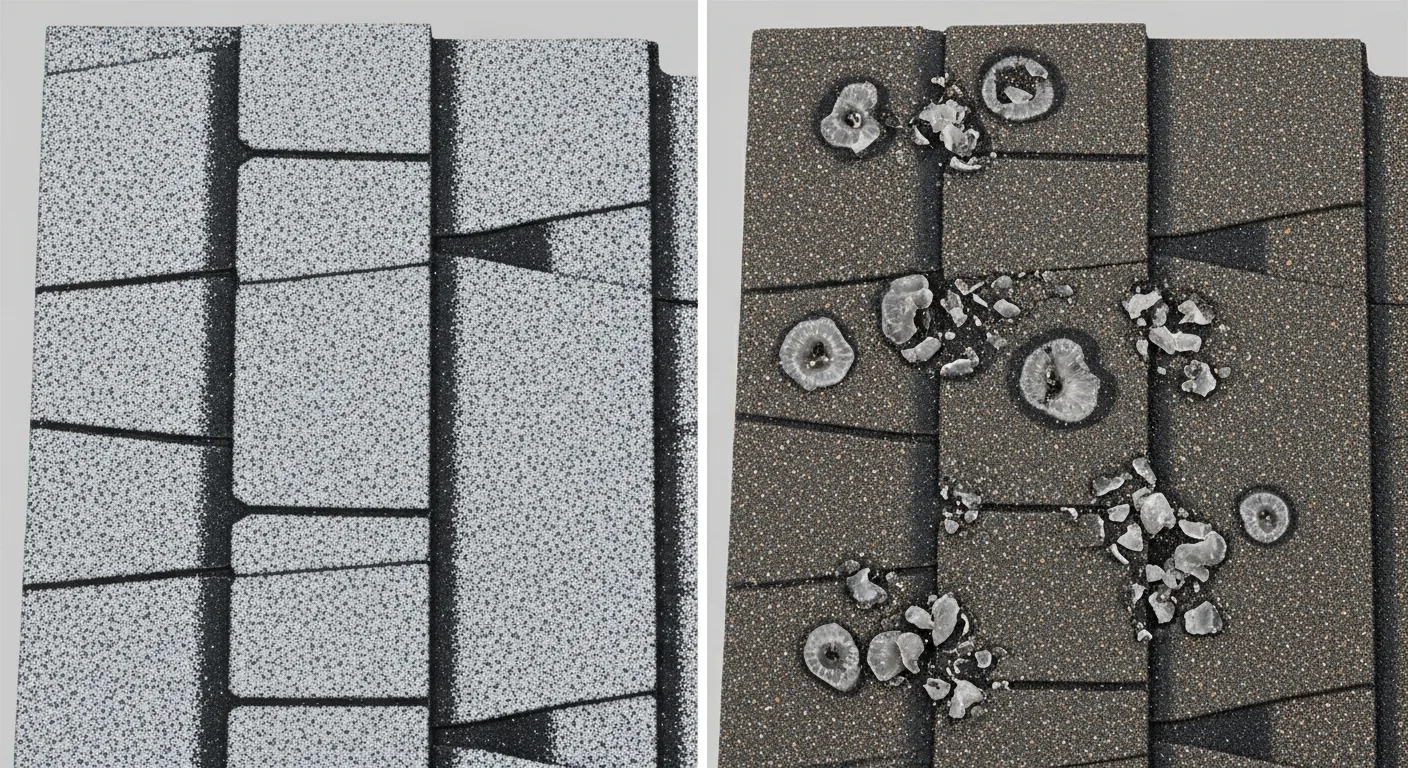
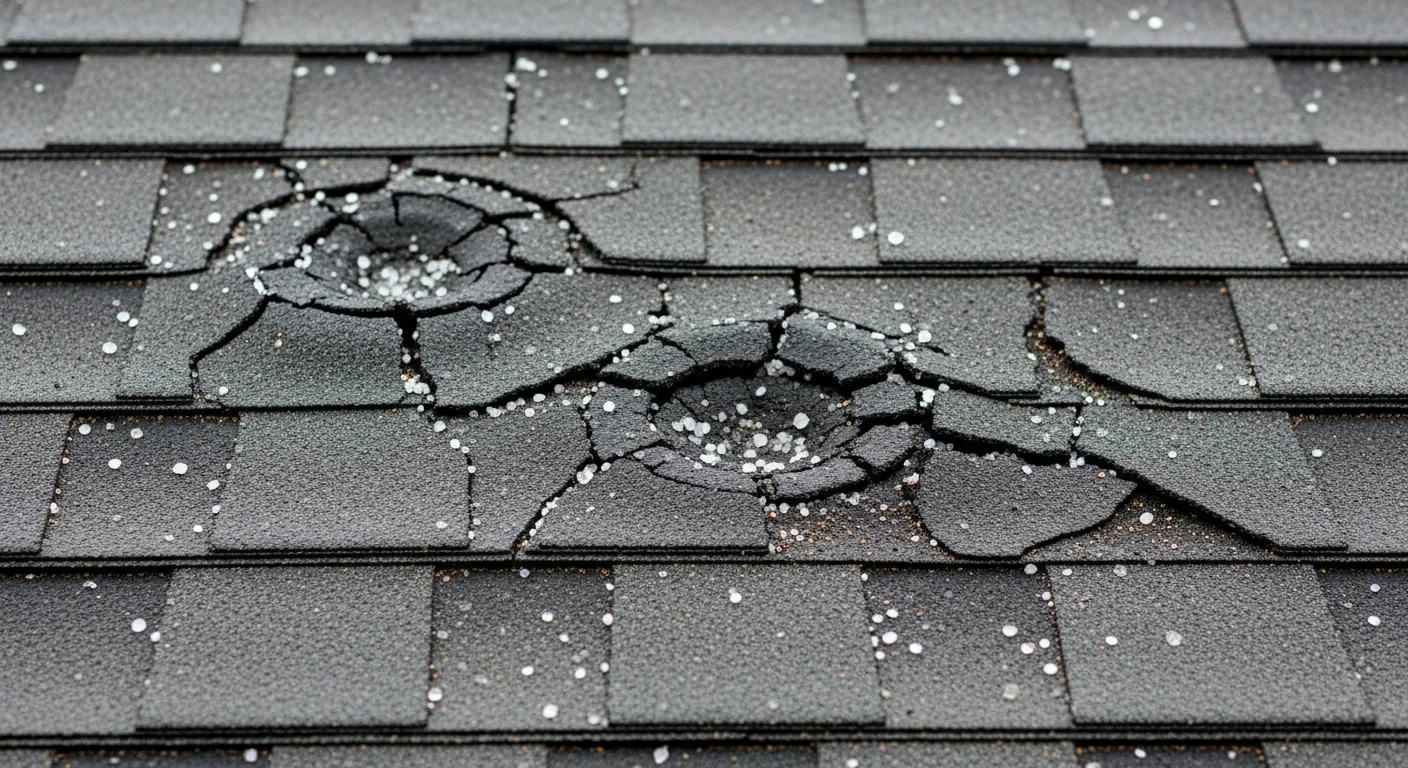
Hailstorms common to our region often cause micro-fractures in roofing materials that aren't immediately visible. These hairline cracks in shingles, membrane systems, or flashing allow moisture intrusion to begin immediately, even though the damage might not manifest as visible leaks for months or years. The National Roofing Contractors Association emphasizes that this delayed manifestation often leads property owners to underestimate the urgency of seemingly minor repairs.
Progressive Structural Deterioration
The most serious long-term risk of ignoring minor storm damage involves progressive structural deterioration. When storm damage compromises your roof's ability to shed water effectively, moisture begins infiltrating the roof deck, underlayment, and eventually the structural components of your building. This moisture intrusion creates ideal conditions for wood rot, which can spread rapidly through roof decking, rafters, and trusses.
Commercial buildings face particular risks when minor membrane damage goes unaddressed. TPO, EPDM, and PVC roofing systems rely on seamless membranes to protect the structure below. Small punctures or seam separations allow water to reach insulation systems, creating ponding water conditions that accelerate membrane degradation and reduce the roof system lifespan dramatically.
Insulation saturation represents another cascading problem. When moisture reaches insulation materials, they lose their thermal performance properties, increasing energy costs while creating conditions conducive to mold growth. Wet insulation also becomes significantly heavier, potentially causing structural stress that the building wasn't designed to handle.
Financial Escalation of Delayed Repairs
The financial mathematics of delayed storm damage repairs consistently favor immediate action. A loose shingle that costs under $50 to replace can lead to water damage requiring thousands of dollars in interior repairs, structural reinforcement, and complete roof system replacement. Insurance companies understand this progression, which is why they often require prompt repairs following storm events to maintain coverage eligibility.
Energy efficiency degradation compounds these costs over time. Minor damage that reduces your roof's thermal reflectivity or allows air infiltration increases heating and cooling expenses. The Department of Energy studies show that compromised building envelope performance can increase energy costs by 15-30%, making what seemed like a small repair issue into an ongoing operational expense.
Interior damage represents the most expensive consequence of ignored roof issues. Water intrusion leads to:
- Ceiling and wall replacement due to water staining and structural damage
- Flooring replacement from water penetration
- Electronic equipment damage in commercial settings
- Inventory loss and business interruption costs
- Mold remediation expenses that can exceed the original roof repair costs by 10-fold
Health and Safety Implications
Beyond financial considerations, ignored storm damage creates serious health and safety risks. Moisture intrusion from minor roof damage creates ideal conditions for mold and mildew growth, which can trigger respiratory issues and other health problems for building occupants. The Insurance Institute for Business & Home Safety has documented numerous cases where minor roof leaks led to significant indoor air quality problems requiring expensive remediation.
Structural integrity concerns also develop over time. Water damage weakens load-bearing components, potentially creating dangerous conditions during subsequent storm events. What begins as minor cosmetic damage can evolve into situations where occupant safety becomes compromised.
How Texas Panhandle Weather Accelerates Damage
The extreme weather conditions common to the Texas Panhandle significantly accelerate the progression from minor to major roofing problems. Temperature fluctuations between scorching summers and frigid winters cause expansion and contraction cycles that worsen existing damage. Small cracks become larger openings, loose materials become completely detached, and minor membrane separations develop into major system failures.
High wind conditions typical of our region create additional stress on already-compromised roofing materials. Impact-resistant shingles that have sustained minor hail damage lose some of their wind uplift resistance, making them more susceptible to complete failure during subsequent windstorms. This creates a cycle where each weather event causes progressively more damage to an already weakened roof system.
UV exposure from intense Texas sun compounds material degradation. Minor surface damage allows UV radiation to reach underlying materials not designed for direct exposure, accelerating deterioration of underlayment, decking, and structural components.
Insurance and Warranty Complications
Delaying repairs after storm damage can create significant complications with insurance claims and manufacturer warranties. Most insurance policies require prompt notification and mitigation of damage to maintain coverage. When minor damage escalates into major problems due to delayed action, insurance companies may deny claims based on lack of proper maintenance or failure to mitigate damages.
Roofing material warranties typically include requirements for proper maintenance and prompt repair of damage. Manufacturers may void warranty coverage when documented damage goes unaddressed, leaving property owners responsible for full replacement costs that might otherwise have been covered.
When to Call a Professional Roofer
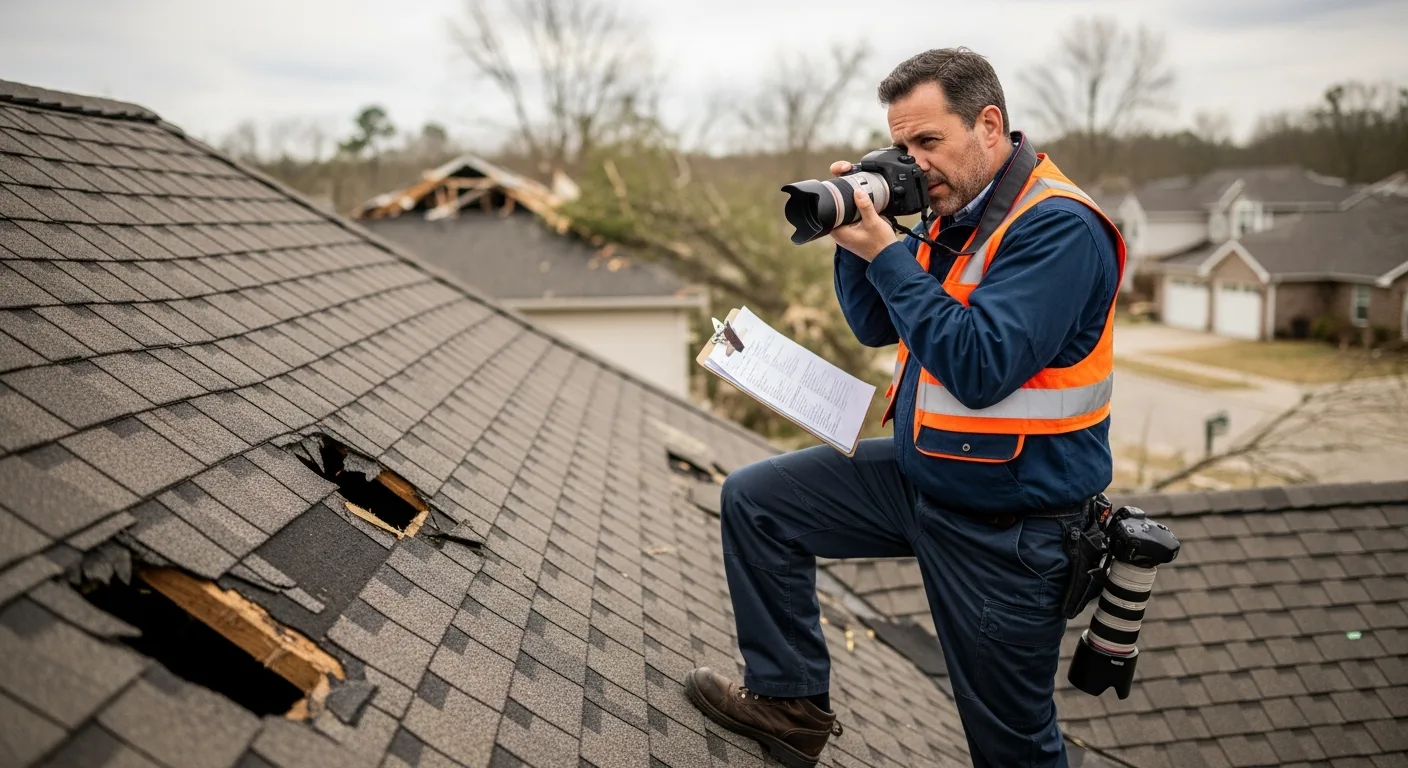
The optimal time to address storm damage is immediately after it occurs, regardless of how minor it appears. Professional roof inspection services can identify issues that aren't visible to untrained eyes and provide accurate assessments of damage severity and repair urgency. Even when damage appears cosmetic, underlying structural impacts may require immediate attention to prevent escalation.
Professional roofers understand drainage dynamics and can identify situations where minor damage might lead to ponding water or other conditions that accelerate deterioration. They can also ensure that repairs meet warranty requirements and local building codes, protecting your investment and maintaining insurance coverage eligibility.
Don't let minor storm damage evolve into major structural problems and costly repairs. Contact CRS Roofing & Construction for a comprehensive post-storm inspection. Our experienced team can identify potential issues before they escalate and provide cost-effective solutions that protect your property's value and your family's safety. Learn more about our comprehensive storm damage assessment services and see how proactive maintenance can save you thousands in future repair costs.
The Texas Panhandle's unique climate presents particular challenges that make addressing minor storm damage even more critical. With NOAA data showing our region experiences some of the nation's most severe hailstorms, combined with extreme temperature fluctuations that can exceed 60-degree swings between seasons, roofing materials face constant thermal cycling stress. This expansion and contraction weakens the bond between shingles and underlayment, making even minor storm damage points vulnerable to accelerated deterioration.
Impact-resistant shingles, such as TAMKO's Heritage impact-resistant series, are specifically designed to withstand Class 4 hail impacts up to 2 inches in diameter. However, when these materials sustain damage that compromises their protective granules or mat integrity, their impact resistance rating becomes void, leaving your roof vulnerable to future storm events that would normally cause minimal damage to an intact system.
Professional storm damage assessments follow NRCA guidelines for comprehensive roof inspections, which include examining not just visible surface damage but also checking fastener integrity, flashing systems, and membrane adhesion. Wind uplift resistance, measured in pounds per square foot according to ASTM testing standards, can be significantly reduced when shingles become loose or when edge flashing is compromised. In our region's high-wind environment, where sustained winds regularly exceed 40 mph during storm events, maintaining full system integrity is essential for preventing progressive failure.
The economic impact of delayed repairs becomes particularly pronounced when considering Texas building codes and insurance requirements. Texas Windstorm Insurance Association guidelines specify that property owners have obligations to maintain their roofs in good repair, and failure to address known damage promptly can affect coverage for subsequent claims. Additionally, the Insurance Institute for Business & Home Safety's FORTIFIED standards emphasize that systematic approaches to storm damage mitigation, including prompt repair of minor damage, can result in insurance premium reductions and improved claim outcomes.