Your HVAC system and roof work as integrated components of your building envelope, and when this relationship fails in the Texas Panhandle's extreme climate, the consequences are devastating. Improperly integrated HVAC systems can reduce roof lifespan by 30-40%, leading to premature membrane failure, excessive energy costs, and catastrophic moisture intrusion that threatens your entire structure. With summer temperatures exceeding 100°F for weeks and sudden hail storms causing billions in damage annually, delaying action on HVAC-roof integration issues isn't just costly—it's financially reckless.
The Texas Panhandle's unique climate demands that your roof and HVAC system function as a unified thermal management system. When rooftop units create thermal bridges, inadequate ventilation traps moisture, or poor installation compromises wind uplift resistance, you're facing a cascade of failures that insurance may not fully cover. Every day you delay addressing these integration issues, thermal cycling weakens membrane seams, condensation accumulates in insulation layers, and your R-value decreases—accelerating the path to complete system failure.
When HVAC-Roof Integration Issues Require Professional Attention
Recognizing when your HVAC system is compromising your roof's integrity requires understanding the building envelope's complex interactions. Immediate professional assessment is critical when you observe ice dams forming around rooftop units, excessive energy bills despite moderate usage, or visible condensation in interior spaces during temperature swings.
Temperature differential mapping reveals thermal bridging where HVAC penetrations create heat loss pathways through your roof assembly. According to the Department of Energy, poorly integrated rooftop HVAC units can increase cooling costs by 15-25% while simultaneously reducing membrane lifespan through constant thermal stress.
In the Texas Panhandle, where temperature swings of 40-50°F occur seasonally, inadequate HVAC integration manifests as:
- Membrane splitting around unit curbs due to differential expansion rates
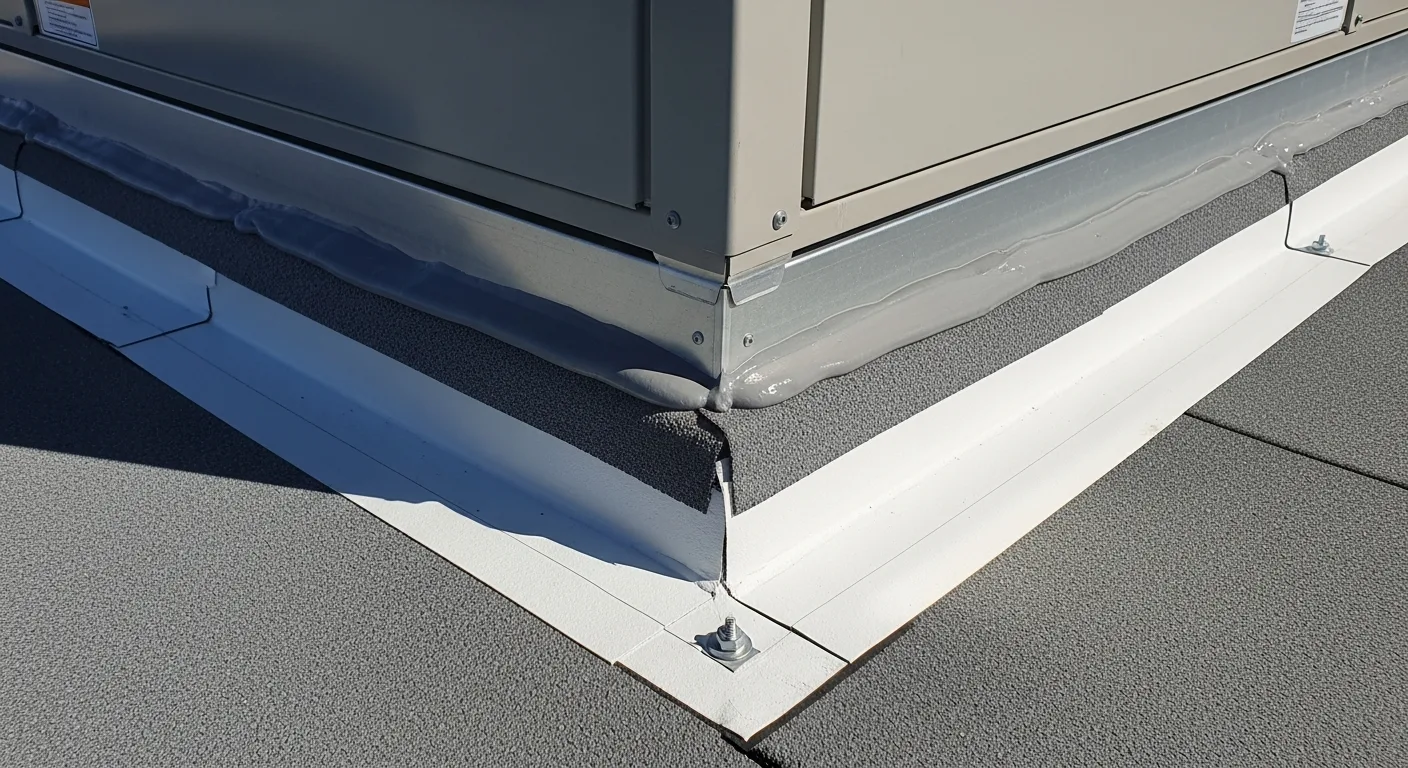
- Moisture intrusion at penetration points where flashing systems fail under thermal cycling
- Reduced wind uplift resistance where HVAC installations compromise membrane attachment
- Premature insulation degradation from condensation accumulation in roof assemblies
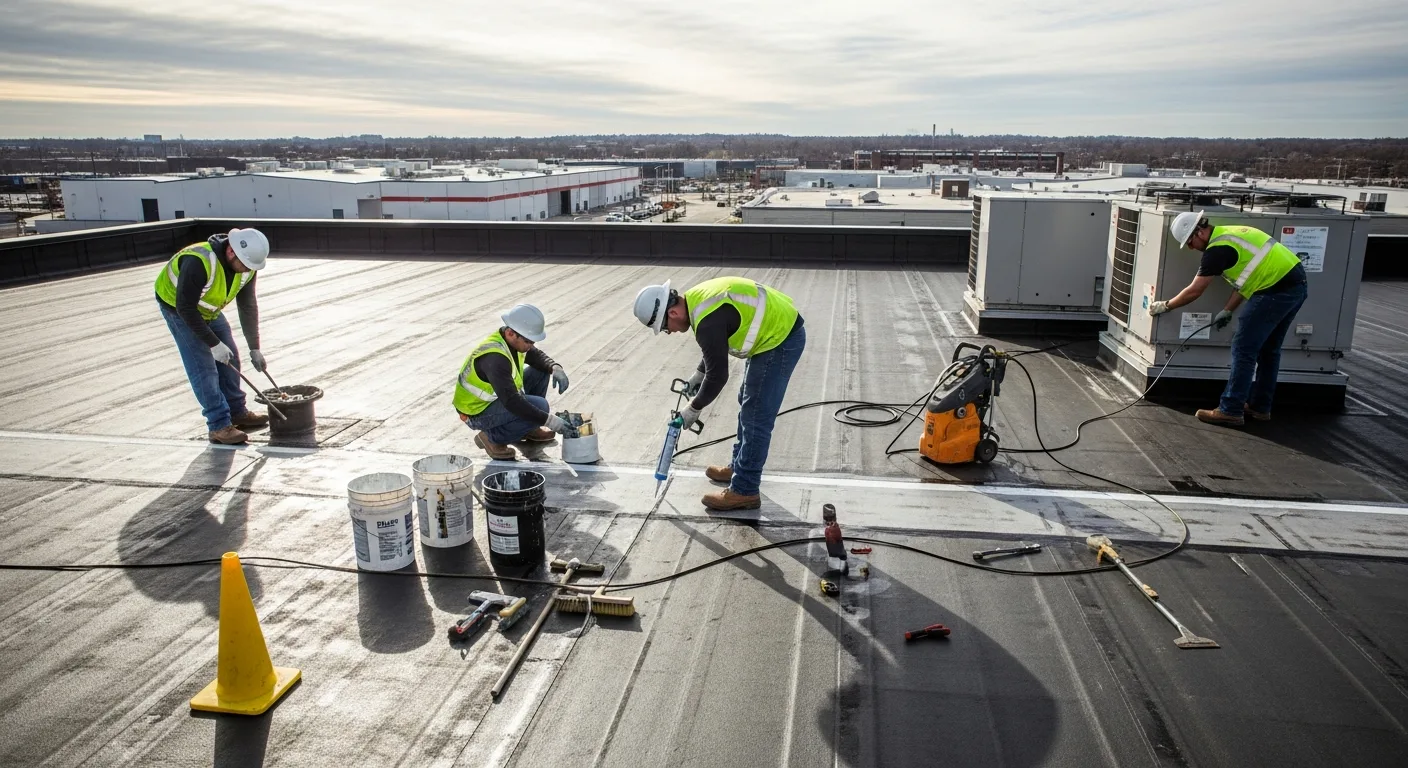
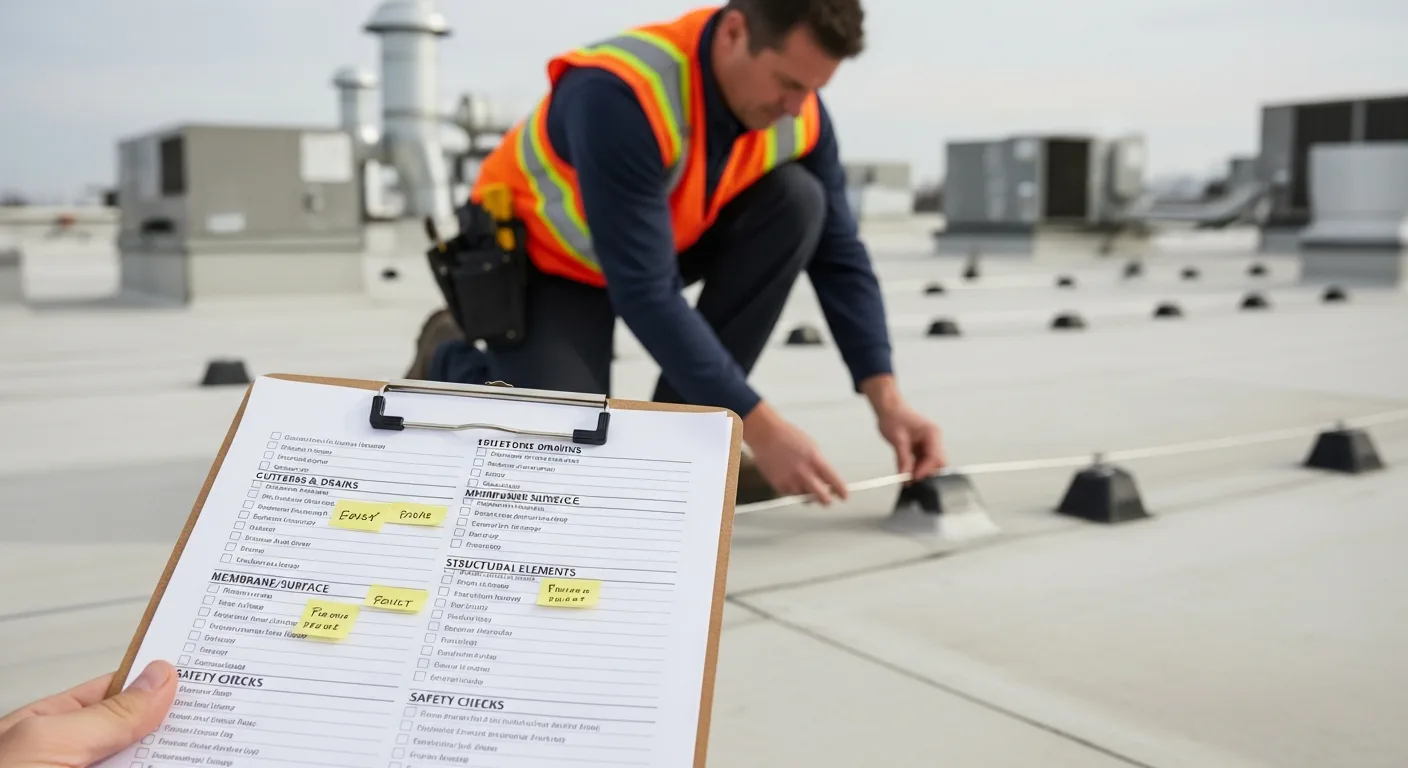
Professional assessment through thermal imaging and moisture detection identifies these issues before they cascade into complete roof system failure. Our commercial roofing services page details comprehensive building envelope analysis that protects both your HVAC investment and roof warranty coverage.
Key Decision Factors: Integration Repair vs. Complete System Redesign
The decision between targeted repairs and comprehensive building envelope redesign depends on your roof's age, HVAC system efficiency, and long-term occupancy plans. Lifecycle cost analysis consistently shows that proper integration investments pay for themselves within 3-5 years through reduced energy costs and extended roof lifespan.
For roofs under 10 years old with quality membranes, targeted integration improvements often provide the best ROI:
- Enhanced curb systems with improved thermal breaks and vibration isolation ($2,500-$5,000 per unit)
- Upgraded flashing assemblies using high-performance sealants and gasket systems ($800-$1,500 per penetration)
- Insulation upgrades around HVAC penetrations to eliminate thermal bridging ($15-$25 per square foot)
Complete system redesign becomes cost-effective when:
- Your roof approaches the 15-year mark with multiple HVAC-related failures
- Energy audits reveal thermal efficiency losses exceeding 20%
- Insurance claims from hail or wind damage provide opportunities for comprehensive upgrades
- Building expansions require additional HVAC capacity
The National Roofing Contractors Association emphasizes that proper HVAC integration requires coordinated engineering between roofing and mechanical systems—making contractor selection critical for long-term success.
Material and System Recommendations for Texas Panhandle Conditions
High-performance building envelope solutions for HVAC-roof integration must withstand the Texas Panhandle's extreme conditions while maintaining energy efficiency throughout their service life. Material selection directly impacts both immediate installation costs and long-term operational expenses.
For membrane systems, TPO and modified bitumen offer superior thermal reflectivity and UV resistance essential in our climate. White TPO membranes with thermal reflectivity ratings above 0.85 reduce rooftop temperatures by 40-60°F, significantly reducing thermal stress on HVAC penetrations. Modified bitumen systems provide excellent puncture resistance around rooftop units while maintaining flexibility during temperature cycling.
HVAC integration components requiring premium specifications include:
- Structural curb systems with factory-applied pitch pans and vibration isolation
- High-temperature flashing assemblies rated for sustained temperatures above 180°F
- Closed-cell foam insulation around penetrations to eliminate moisture intrusion pathways
- Thermally-broken support systems that prevent condensation formation
Wind uplift considerations are paramount in our region, where sustained winds exceed 60 mph during storm events. HVAC installations must achieve FM Global approval ratings matching or exceeding your roof assembly's wind resistance classification. This typically requires mechanical attachment systems with pull-out resistance exceeding 400 pounds per square foot.
Energy Code Compliance and Insurance Requirements
Texas energy codes increasingly mandate integrated approach to building envelope performance, requiring coordination between roofing and HVAC systems to achieve compliance. R-value requirements for commercial roofs now consider thermal bridging effects from mechanical penetrations, making proper integration a code compliance issue rather than just efficiency optimization.
Insurance carriers are also tightening requirements for HVAC-roof integration, particularly following hail damage claims. Many policies now require professional installation certification and regular maintenance documentation to maintain full coverage for weather-related damages.
What to Expect During Professional HVAC-Roof Integration
Professional HVAC-roof integration projects follow a systematic approach that minimizes disruption while ensuring lasting performance. The process typically requires 2-5 days depending on system complexity, with careful coordination to maintain building operations throughout installation.
Initial assessment involves comprehensive thermal imaging to identify existing integration failures, followed by structural evaluation of rooftop unit support systems. This diagnostic phase reveals hidden moisture intrusion, insulation degradation, and membrane stress points that compromise both systems' performance.
Installation sequencing protects your building envelope integrity:
- Day 1: HVAC system shutdown and temporary protection installation
- Days 2-3: Curb removal, membrane repair, and structural upgrades
- Days 4-5: New integration system installation, testing, and commissioning
Quality assurance includes pressure testing of all penetration seals, thermal imaging verification of thermal bridge elimination, and performance testing under simulated wind loads. Documentation provided includes warranty certificates, energy performance projections, and maintenance schedules that protect your investment.
Weather contingency planning is essential in the Texas Panhandle, where sudden storms can threaten exposed roof areas. Professional contractors maintain emergency weather protection systems and flexible scheduling to complete critical sealing operations before precipitation events.
Why Choosing the Right Contractor Matters for Building Envelope Performance
HVAC-roof integration requires specialized expertise that extends beyond traditional roofing or mechanical contracting. The wrong contractor selection can void both roof and HVAC warranties while creating liability exposures that far exceed initial cost savings from low-bid installations.
Qualified contractors demonstrate:
- Manufacturer certifications from both roofing membrane and HVAC equipment suppliers
- Building envelope expertise with documented thermal bridge elimination projects
- Insurance coverage including professional liability for system design errors
- Local climate experience with Texas Panhandle wind and hail conditions
Integration failures often result from contractors working in silos without understanding system interactions. Membrane contractors who ignore HVAC thermal loads create thermal bridging, while mechanical contractors who prioritize equipment access over roof integrity create long-term moisture intrusion pathways.
At CRS Roofing & Construction, our integrated approach combines roofing expertise with building envelope science to deliver solutions that protect both your immediate investment and long-term operational costs. Our industry-specific roofing solutions address the unique challenges facing different building types while maintaining manufacturer warranty coverage.
Warranty Protection and Long-Term Value
Proper HVAC-roof integration protects both systems' warranty coverage while extending operational life beyond manufacturer expectations. Poor integration commonly voids roofing warranties through penetration failures, while simultaneously reducing HVAC efficiency through thermal loading that exceeds design parameters.
Professional integration provides coordinated warranty coverage that protects your entire building envelope investment, with clear accountability for system performance under real-world conditions.
Don't let poor HVAC-roof integration destroy your building's performance and value. Contact CRS Roofing & Construction today for a comprehensive building envelope assessment that identifies integration issues before they cascade into costly failures. Our expert team provides detailed cost-benefit analysis, manufacturer-backed solutions, and integrated project management that protects both your immediate investment and long-term operational success. Call now to schedule your professional evaluation—your building envelope's integrity depends on addressing these issues before the next severe weather event tests your system's limits.
The Texas Panhandle's extreme wind conditions, documented by the National Wind Institute at Texas Tech, create unique challenges for HVAC-roof integration. Sustained winds exceeding 60 mph during thunderstorms can create massive uplift forces on improperly secured rooftop units, potentially compromising the entire roof membrane. Commercial TPO and EPDM systems, such as those manufactured by Carlisle SynTec, require specialized attachment methods when supporting HVAC equipment to maintain their warranty coverage and structural integrity.
Energy efficiency becomes critical when summer temperatures routinely exceed 100°F for extended periods. ASHRAE standards recommend maintaining specific thermal barriers between rooftop HVAC units and roof membranes to prevent heat transfer that can degrade asphalt-based materials and compromise single-ply membrane seams. When HVAC systems operate inefficiently due to poor roof integration, building owners face increased cooling costs and accelerated equipment wear from thermal cycling.
Moisture management in the Texas Panhandle requires understanding both vapor drive from intense solar heating and sudden temperature drops during severe weather events. The Building Science Corporation emphasizes that improper HVAC ventilation can create condensation within roof assemblies, leading to insulation degradation and structural damage. This is particularly problematic with metal roofing systems that experience rapid thermal expansion and contraction.
Code compliance for HVAC-roof integration falls under both mechanical and structural requirements. International Code Council standards mandate specific wind uplift ratings for rooftop equipment, and failure to meet these requirements can void insurance coverage during severe weather events. Professional installation must account for the Texas Panhandle's Zone III wind exposure classification, requiring enhanced fastening schedules and structural reinforcement for both the roof membrane and HVAC equipment mounting systems.
Hail damage assessment becomes complex when HVAC systems and roofing interact poorly. Insurance Institute for Business & Home Safety research shows that improperly integrated systems can amplify hail damage, turning minor impacts into major failures. When rooftop units create stress concentrations in the roof membrane, even moderate hail events can cause membrane splitting around equipment curbs, leading to water intrusion that may not be immediately visible but causes progressive structural damage.