A roof leak in the Texas Panhandle creates the perfect storm for mold growth – literally. The combination of moisture intrusion and our region's extreme temperature swings creates ideal conditions for mold to flourish within 24-48 hours. What starts as a minor leak can quickly escalate into a building envelope failure requiring extensive remediation, structural repairs, and potentially thousands in additional costs. Understanding how to prevent mold growth after a roof leak isn't just about protecting your property – it's about safeguarding your investment and the health of everyone inside.
The stakes are particularly high in Amarillo's climate, where summer heat can exceed 100°F while winter temperatures plummet below freezing. These thermal cycles create condensation patterns that accelerate mold proliferation, making immediate professional intervention critical for preventing widespread contamination.
When This Issue Requires Professional Attention
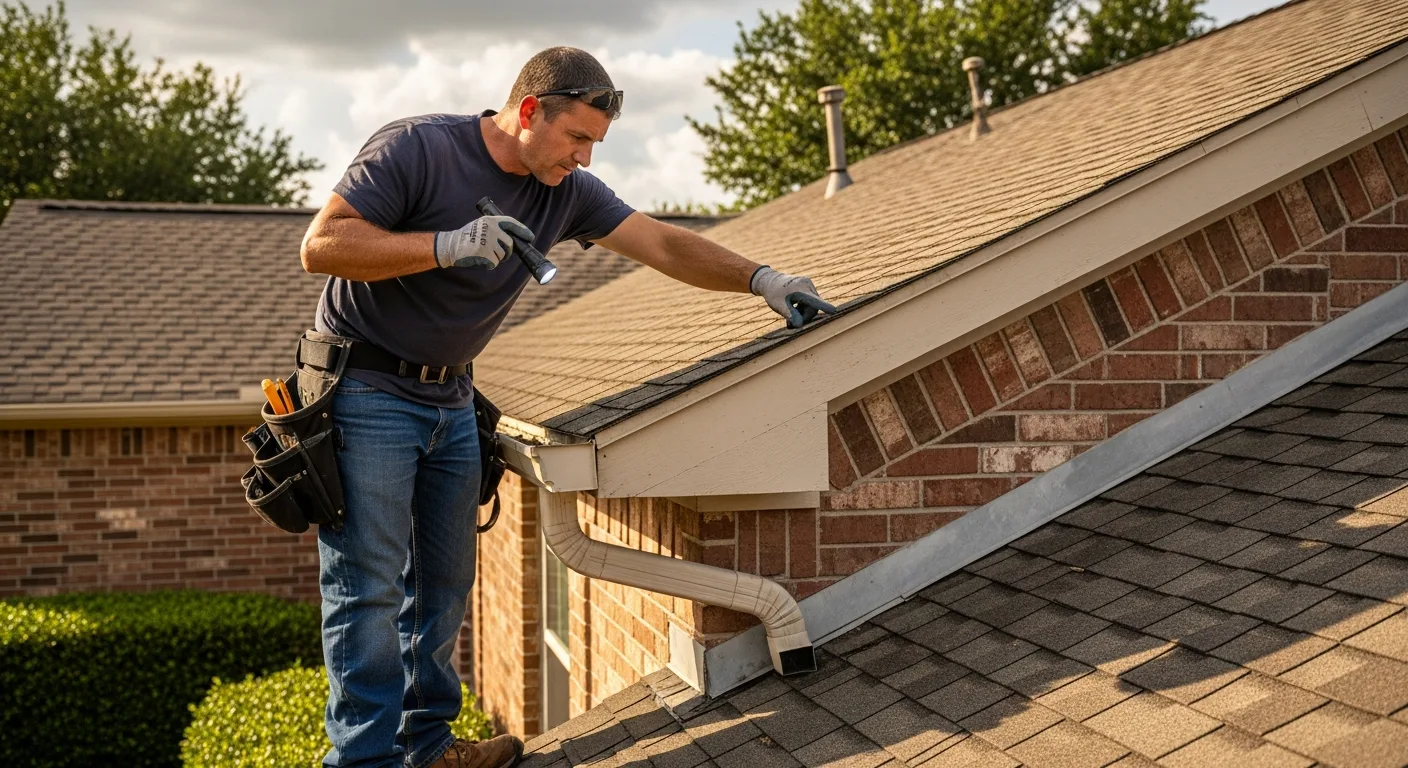
While minor surface moisture might seem manageable, mold prevention after roof leaks requires professional expertise when specific conditions are present. Any leak that has been active for more than 24 hours warrants immediate professional assessment, as mold spores can begin colonizing within this timeframe.
Professional intervention becomes mandatory when:
- Moisture has penetrated beyond surface materials into insulation, drywall, or structural components
- The affected area exceeds 10 square feet – the EPA threshold for professional remediation
- HVAC systems show signs of contamination, which can spread spores throughout the building envelope
- Occupants experience health symptoms including respiratory issues, headaches, or allergic reactions
- Previous mold issues exist in the structure, indicating compromised moisture barriers
According to the Insurance Institute for Business & Home Safety, properties that receive professional moisture assessment within 48 hours of leak detection show 75% less likelihood of requiring extensive mold remediation. This data underscores why Texas Panhandle property owners cannot afford to delay professional evaluation.
Temperature fluctuations in our region create unique challenges. When exterior temperatures soar above 95°F while interior spaces remain cooled, condensation forms along the building envelope's thermal bridges. This moisture, combined with any roof leak infiltration, creates multiple contamination points that require systematic professional treatment.
Key Decision Factors: Immediate Response vs. Long-term Solutions
Property owners face critical decisions when addressing post-leak mold prevention, with cost considerations extending far beyond initial remediation expenses. The choice between emergency moisture extraction and comprehensive building envelope restoration depends on several factors that directly impact long-term return on investment.
Immediate Response Priorities:
- Source elimination – Professional roof leak repair must occur simultaneously with moisture remediation
- Contaminated material removal – Porous materials exceeding 48-hour moisture exposure typically require replacement
- Air quality restoration – HEPA filtration and antimicrobial treatment prevent spore distribution
- Structural drying – Professional-grade dehumidification systems restore optimal moisture levels
Cost Analysis Considerations:
Emergency mold prevention typically costs $2,000-$8,000 depending on affected square footage and contamination severity. However, delayed intervention can escalate costs exponentially – comprehensive mold remediation averages $15,000-$50,000 for residential properties, with commercial buildings often exceeding $100,000 in total restoration expenses.
Insurance coverage varies significantly based on policy language and documented response timeline. Most carriers cover "sudden and accidental" water damage but exclude mold remediation when property owners fail to mitigate moisture promptly. Professional documentation of immediate response efforts often determines coverage approval, making expert intervention a financial necessity rather than just a practical choice.
Timeline considerations are equally critical. Professional moisture extraction and antimicrobial treatment typically require 3-7 days for completion, while extensive mold remediation can extend 2-6 weeks with significant business or occupancy disruption.
Material and System Recommendations for Mold Prevention
Effective mold prevention requires strategic material selection and system integration designed for Texas Panhandle climate conditions. Professional contractors utilize specific products and methodologies proven effective against moisture intrusion and microbial growth in our region's extreme weather patterns.
Moisture Barrier Systems:
High-performance vapor barriers with enhanced permeability ratings prevent condensation accumulation while allowing controlled moisture migration. Products meeting ASTM E1745 standards provide optimal protection against thermal cycling damage common in our climate zone.
Antimicrobial Treatment Options:
- Botanical-based treatments – EPA-registered solutions providing long-term mold inhibition without toxic off-gassing
- Encapsulation systems – Protective coatings that seal contaminated surfaces while preventing future growth
- UV-C installation – HVAC-integrated systems providing continuous air purification
Structural Drying Technology:
Professional-grade equipment including low-grain refrigerant dehumidifiers, axial air movers, and heat injection systems work synergistically to restore optimal moisture levels. These systems typically reduce structural moisture content to acceptable levels (below 16% for wood materials) within 72-96 hours when properly deployed.
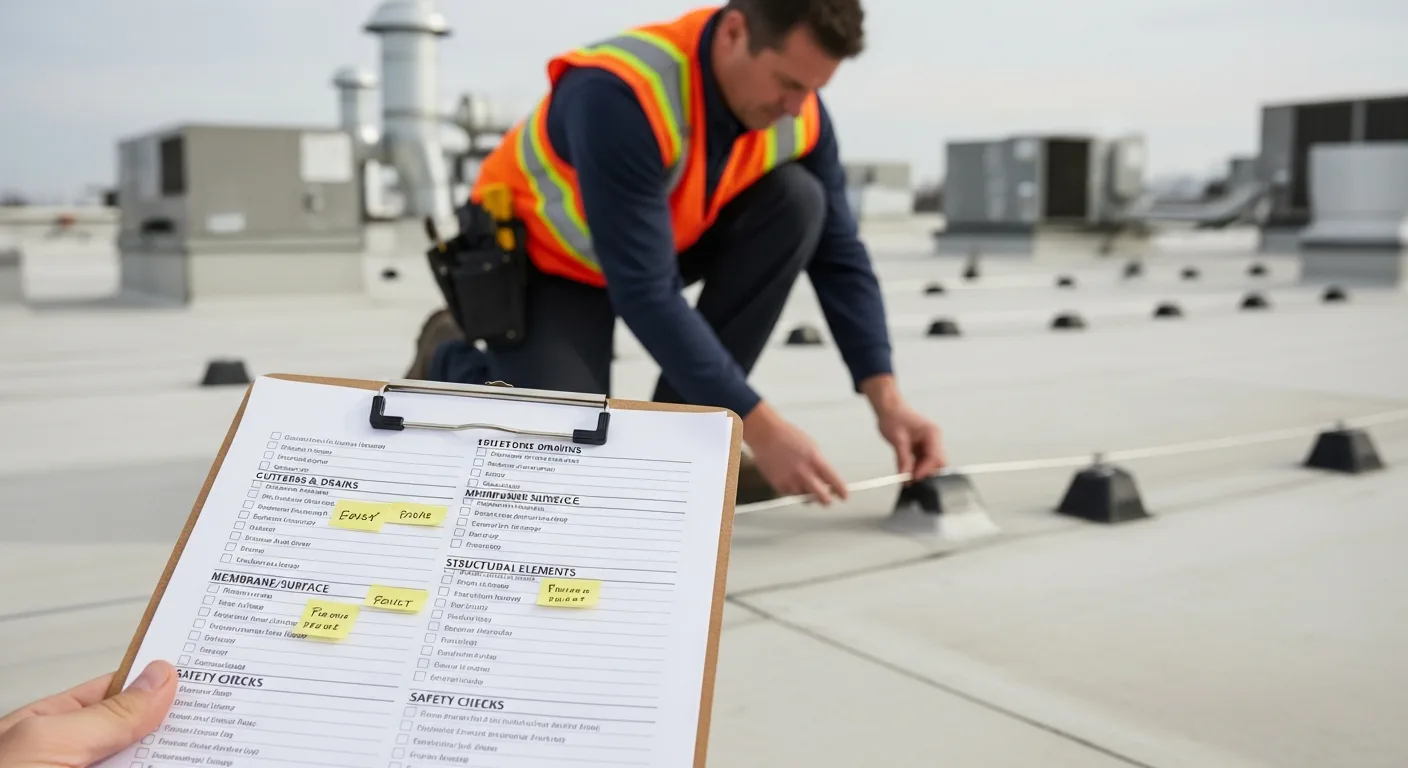
Advanced monitoring equipment including moisture meters, hygrometers, and thermal imaging cameras ensure complete moisture elimination before restoration begins. According to NRCA guidelines, comprehensive moisture mapping prevents secondary contamination and ensures long-term prevention effectiveness.
What to Expect During the Professional Mold Prevention Process
Understanding the professional mold prevention process helps property owners prepare for the scope and timeline of comprehensive moisture remediation. The systematic approach ensures thorough contamination elimination while minimizing disruption to daily operations.
Phase 1: Emergency Assessment and Containment (Day 1)
Professional technicians conduct comprehensive moisture mapping using thermal imaging and moisture detection equipment. Immediate containment measures include plastic sheeting installation, negative air pressure systems, and HEPA filtration deployment to prevent cross-contamination.
Phase 2: Source Elimination and Material Removal (Days 1-3)
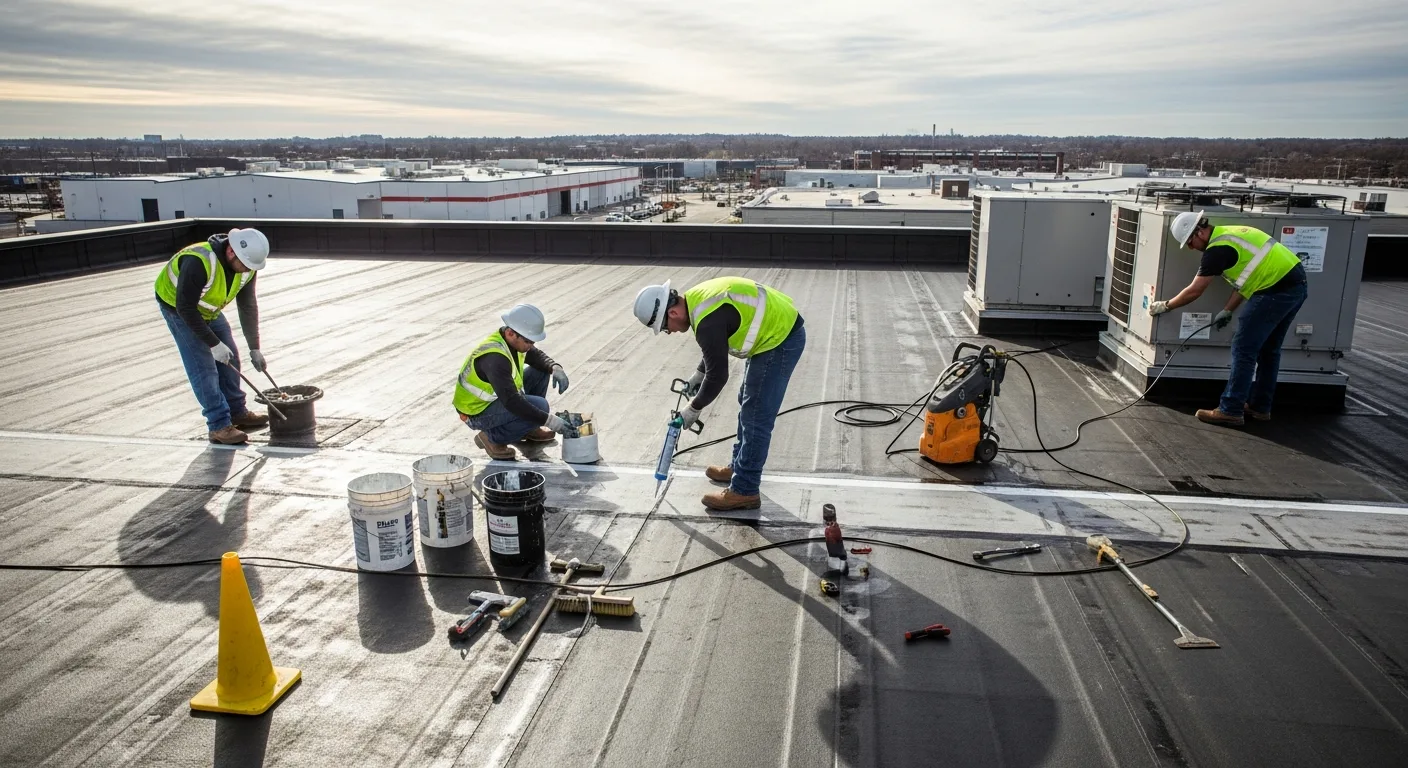
Roof leak repair occurs simultaneously with contaminated material removal. Porous materials including insulation, drywall, and flooring exceeding moisture thresholds require replacement. Non-porous surfaces receive antimicrobial treatment and thorough cleaning.
Phase 3: Structural Drying and Air Quality Restoration (Days 3-7)
Industrial dehumidification and air circulation systems operate continuously until moisture levels return to baseline readings. Daily monitoring ensures complete moisture elimination before reconstruction begins.
Phase 4: Prevention System Installation (Days 5-10)
Enhanced moisture barriers, improved ventilation systems, and antimicrobial surface treatments provide long-term protection against future contamination. Quality control testing confirms successful remediation completion.
Throughout the process, detailed documentation supports insurance claims and provides proof of professional remediation standards compliance. Most property owners can expect minimal disruption when working with experienced contractors who coordinate all phases efficiently.
Why Choosing the Right Contractor Matters for Mold Prevention Success
Mold prevention success depends entirely on contractor expertise, certification levels, and understanding of Texas Panhandle climate challenges. The difference between effective long-term prevention and recurring contamination issues often comes down to contractor selection criteria that many property owners overlook.
Essential Contractor Qualifications:
- IICRC certification in water damage restoration and applied microbial remediation
- Texas Department of State Health Services mold assessment and remediation licensing
- Comprehensive insurance coverage including pollution liability and professional indemnity
- Local climate expertise with proven track record in Texas Panhandle conditions
Experienced contractors understand that Texas Panhandle properties face unique challenges including extreme temperature differentials, high wind exposure, and frequent hail damage that compromise building envelope integrity. This regional expertise directly impacts prevention strategy effectiveness and long-term success rates.
Technology and Equipment Standards:
Professional-grade moisture detection, structural drying, and air filtration equipment represents significant investment that separates qualified contractors from general repair services. Advanced thermal imaging, moisture mapping technology, and industrial dehumidification systems ensure comprehensive treatment that prevents recurring issues.
Additionally, established contractors maintain relationships with specialty suppliers, insurance adjusters, and restoration professionals that expedite the remediation process. These partnerships often reduce project timelines by 30-50% while ensuring access to premium materials and specialized equipment.
Quality Assurance and Warranty Protection:
Reputable contractors provide detailed work warranties covering both labor and materials, typically ranging 1-5 years depending on scope complexity. Post-remediation air quality testing and moisture level verification provide documented proof of successful treatment completion.
Don't let a roof leak become a mold catastrophe that threatens your property value and occupant health. CRS Roofing & Construction combines certified mold prevention expertise with comprehensive roofing solutions designed specifically for Texas Panhandle properties. Our team responds within hours to prevent moisture damage escalation, and we work directly with insurance carriers to maximize coverage benefits. Contact us today for immediate assessment and professional mold prevention services that protect your investment long-term. Every hour of delay increases remediation costs and contamination risk – call now to schedule emergency moisture evaluation and take control of your property's protection.
The Texas Panhandle's unique climate profile compounds mold growth risks significantly. According to NOAA weather data, Amarillo experiences over 60 days annually with temperatures exceeding 90°F, coupled with sudden temperature drops that can exceed 40°F in a single day. These extreme thermal cycles create condensation within building envelopes, particularly when moisture barriers have been compromised by roof leaks. The region's average humidity levels, while typically low at 30-40%, can spike dramatically during storm events, creating microenvironments perfect for mold proliferation.
Professional mold prevention strategies must address the building science fundamentals that govern moisture management in our climate. The Building Science Corporation emphasizes that effective moisture control requires understanding vapor pressure differentials – particularly critical in the Texas Panhandle where exterior temperatures can reach 105°F while interior spaces remain at 72°F. This 33°F differential creates significant vapor drive that, when combined with compromised roofing materials, accelerates moisture intrusion and subsequent mold growth.
Material selection plays a crucial role in mold prevention strategies. For residential applications, impact-resistant shingles like TAMKO's Heritage series provide enhanced protection against the hail damage that frequently creates initial leak points in our region. These Class 4 impact-rated materials resist granule loss and mat fracturing that typically lead to moisture penetration. For commercial applications, single-ply membrane systems must meet stringent puncture resistance standards, with materials like TPO requiring minimum 300+ pound puncture resistance to withstand debris impact from our frequent severe weather events.
Code compliance adds another critical layer to mold prevention protocols. The International Building Code (IBC) mandates specific moisture management requirements that become particularly stringent after water intrusion events. ICC standards require that any building materials exposed to Category 2 or 3 water (which includes most roof leak scenarios) undergo professional assessment within 24-48 hours. In Texas, additional state amendments require enhanced vapor barrier installations in climate zones experiencing temperature differentials exceeding 30°F, making professional-grade moisture management systems essential for preventing secondary mold growth.
The health implications of mold exposure extend beyond immediate respiratory concerns. EPA indoor air quality guidelines specify that mold concentrations exceeding 1,000 colony-forming units per cubic meter can trigger serious health responses, particularly in vulnerable populations. In the Texas Panhandle's dusty environment, mold spores can remain airborne longer and penetrate deeper into building systems, making rapid professional intervention critical for maintaining safe indoor environments.