Your roof protects your most valuable investment, but deteriorating building envelope integrity doesn't announce itself with dramatic fanfare. Instead, it whispers through subtle signs—increasing energy bills, minor leaks, and granule loss—before screaming through catastrophic failure during Amarillo's next hailstorm or high-wind event. The question isn't whether you'll eventually need roof replacement, but whether you'll make that decision proactively or have it forced upon you during the worst possible moment.
In the Texas Panhandle, where extreme weather events can transform a manageable roofing issue into a complete structural emergency within hours, timing your roof replacement correctly can mean the difference between a planned investment and a financial disaster. Understanding the critical decision factors will help you protect your property, maximize your insurance coverage, and avoid the premium costs associated with emergency replacements.
When This Issue Requires Professional Attention
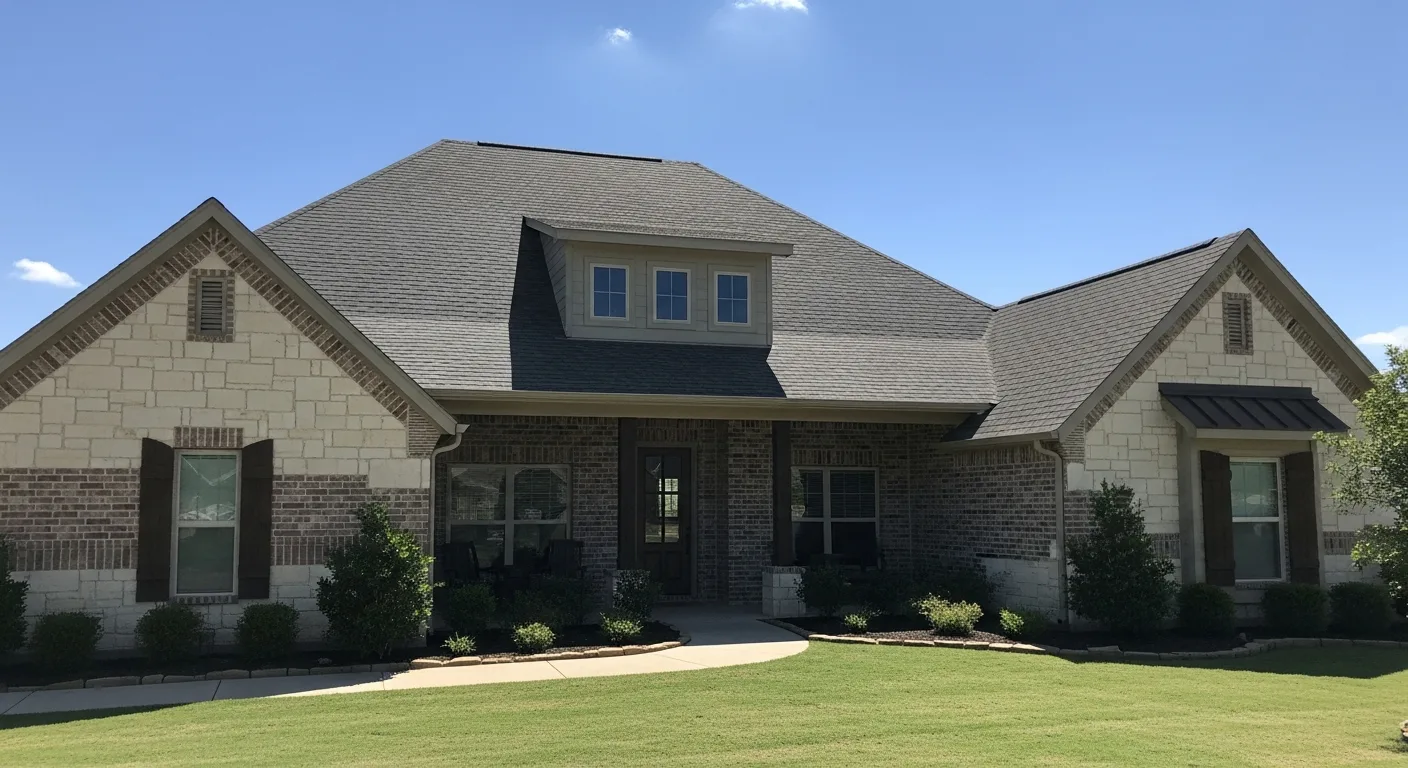
Several unmistakable indicators demand immediate professional evaluation, particularly in Amarillo's challenging climate conditions. Age-related deterioration accelerates rapidly when your roof approaches the 15-20 year mark for asphalt shingles or shows membrane seam separation in commercial applications. The extreme temperature swings characteristic of the Texas Panhandle—from scorching 100°F+ summers to sudden winter freezes—create thermal stress that compounds normal aging processes.
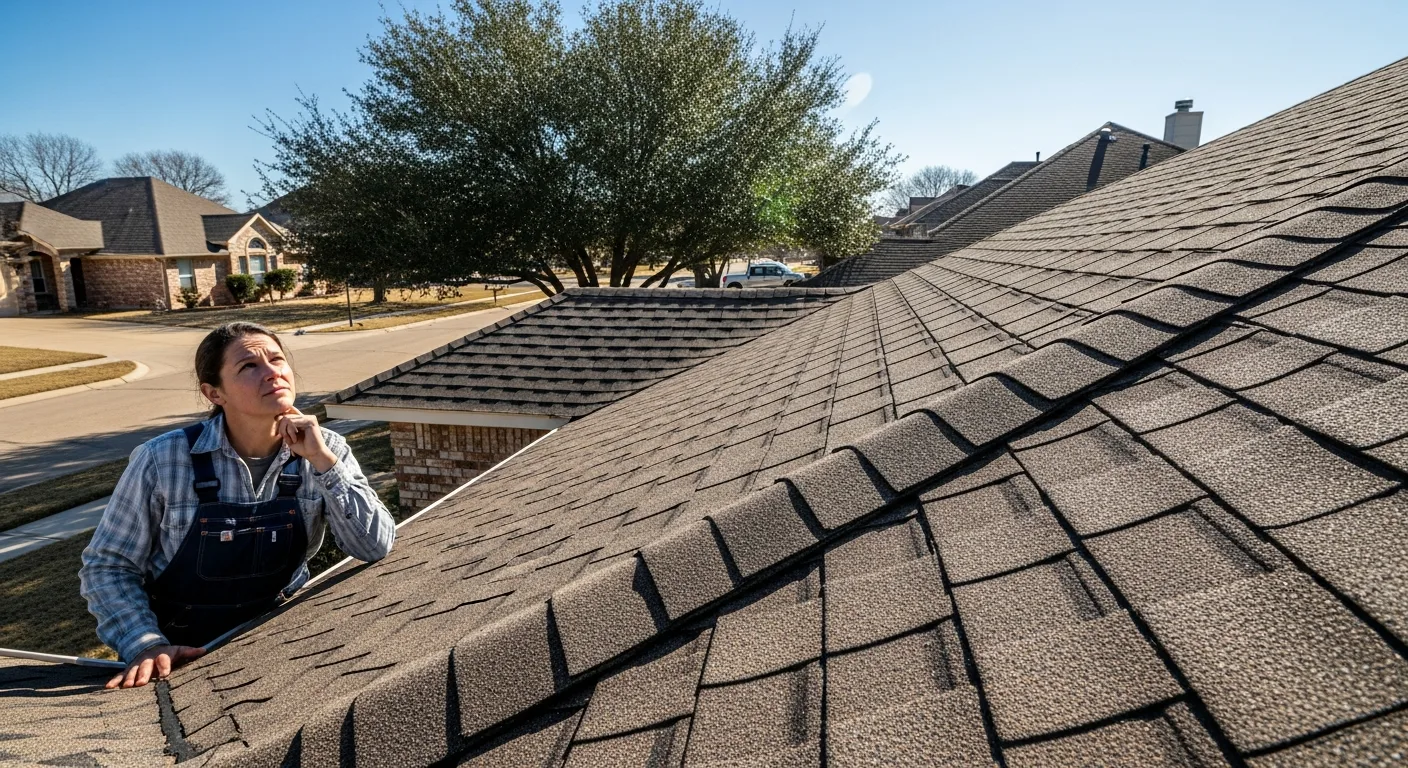
Moisture intrusion evidence represents the most urgent replacement trigger. Water stains on interior ceilings, peeling paint near rooflines, or visible daylight through roof decking indicates compromised barrier integrity that will only worsen. In Amarillo's climate, where sudden temperature drops can cause rapid freeze-thaw cycles, even minor moisture penetration can quickly escalate to structural damage.
Granule loss exceeding 30% signals that your shingles have lost their protective coating and thermal reflectivity properties. This becomes critical during Texas Panhandle summers when unprotected roof surfaces can reach 180°F, accelerating interior heat gain and dramatically increasing cooling costs. Wind uplift damage from Amarillo's frequent high-wind events often manifests as lifted or missing shingles, creating vulnerable points for moisture intrusion.
Multiple repair needs occurring simultaneously indicate systemic failure rather than isolated issues. When you're considering hail and wind damage repairs for the third time in five years, replacement becomes more cost-effective than continued patch solutions.
Key Decision Factors: Repair vs Replace Analysis
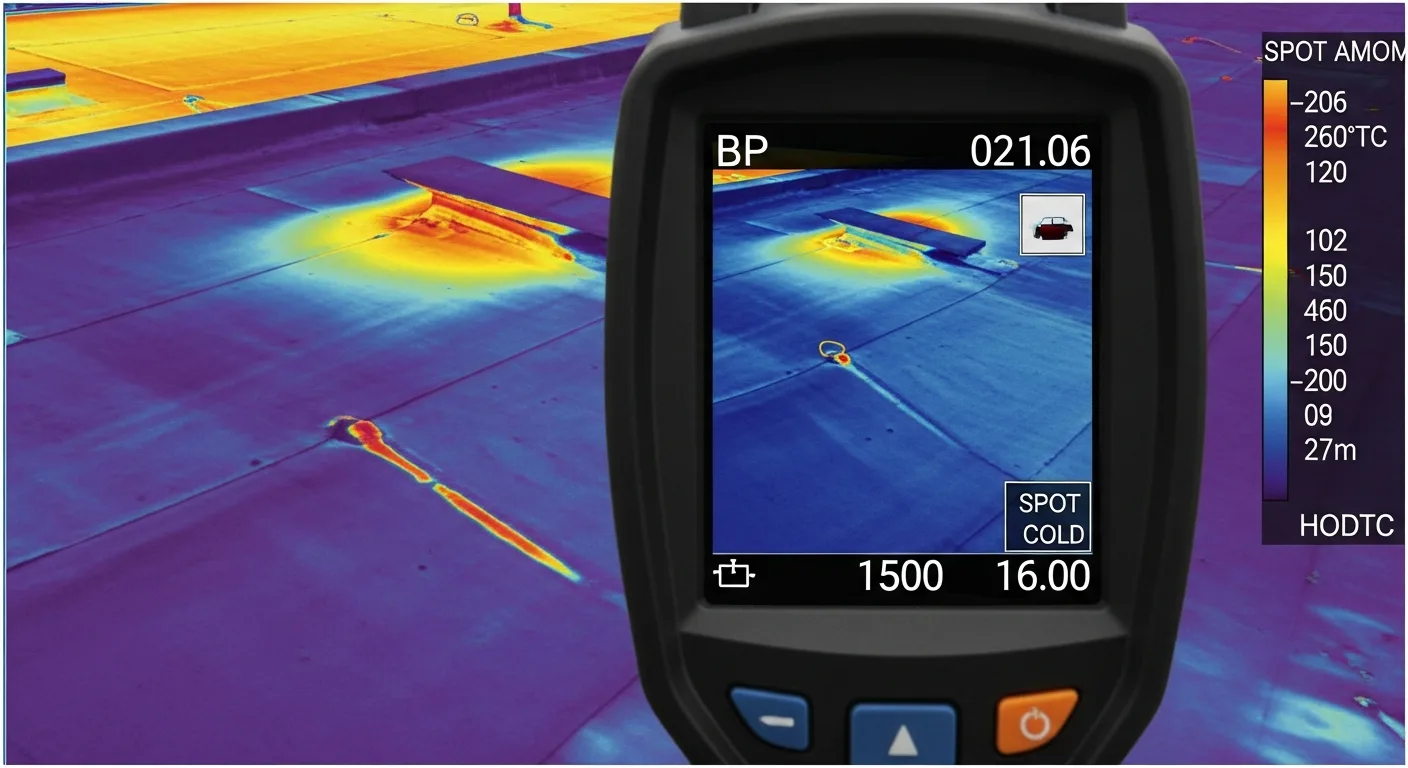
Cost comparison analysis must include both immediate expenses and long-term lifecycle costs. While repairs might cost $500-2,000, replacement costs of $8,000-25,000 for residential properties often provide better value when you factor in energy savings, increased property value, and elimination of recurring repair expenses. Commercial properties requiring membrane replacement face similar calculations, with commercial roofing services typically providing detailed lifecycle cost analyses.
Insurance timing considerations play a crucial role in Texas Panhandle replacement decisions. Many insurance policies provide full replacement coverage for storm damage within specific timeframes, but this coverage diminishes as your roof ages. Roofs over 20 years old may only qualify for actual cash value settlements, leaving you responsible for depreciation costs. Additionally, some insurers require roof replacement as a condition for policy renewal on older roofs.
Energy efficiency improvements available through modern roofing systems can provide substantial savings in Amarillo's extreme climate. Energy Star certified roofing materials can reduce cooling costs by 10-15% through enhanced thermal reflectivity and improved R-value performance. These savings compound over time, often offsetting replacement costs within 8-12 years.
Timeline considerations become critical during peak storm seasons. Scheduling replacement during spring months allows completion before summer's extreme heat and fall's severe weather patterns. Emergency replacements during peak demand periods often cost 20-30% more due to limited contractor availability and expedited material procurement needs.
Material and System Recommendations for Texas Panhandle Conditions
Impact-resistant shingles rated Class 3 or Class 4 provide superior protection against Amarillo's frequent hail events while qualifying for insurance discounts up to 35%. These shingles feature reinforced construction that maintains structural integrity under impact while preserving aesthetic appearance. Premium options include enhanced wind uplift ratings up to 130 mph, critical for Texas Panhandle installations.
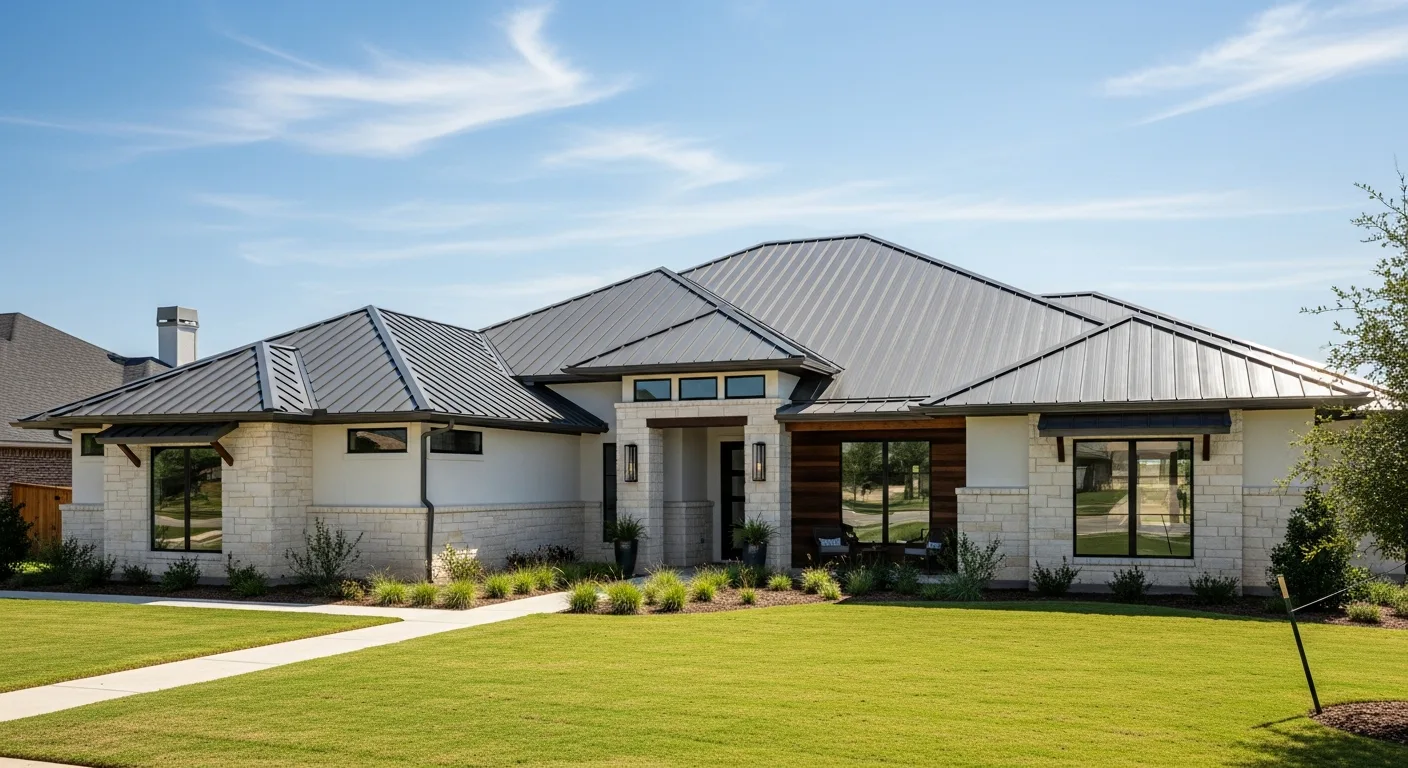
Cool roof technology becomes essential for managing extreme summer temperatures. Light-colored or specially coated membranes can reflect 65-80% of solar radiation, reducing surface temperatures by 50-60°F compared to traditional materials. This thermal performance directly translates to reduced air conditioning loads and extended HVAC system life.
Enhanced underlayment systems provide critical moisture protection during installation and long-term performance. Synthetic underlayments offer superior tear resistance and UV stability compared to traditional felt, particularly important during Texas Panhandle's high-wind conditions. Ice and water shield applications around penetrations and valleys create redundant moisture barriers.
Ventilation system upgrades should accompany any replacement project to manage moisture accumulation and temperature extremes. Balanced intake and exhaust ventilation prevents ice dam formation during winter freezes while reducing heat buildup during summer months. Proper ventilation extends material life and maintains warranty compliance.
What to Expect During the Replacement Process
Pre-installation preparation begins with comprehensive structural assessment and permit acquisition. Professional contractors conduct thorough deck inspections, identifying areas requiring reinforcement or replacement before material installation. This phase typically requires 1-3 days depending on project complexity and includes material delivery coordination.
Installation timeline varies based on property size and weather conditions, with typical residential projects requiring 2-5 days for completion. Commercial installations may extend 1-3 weeks depending on membrane system complexity and building height. Weather delays are common during spring storm seasons, requiring flexible scheduling approaches.
Quality control measures throughout installation ensure long-term performance. Experienced contractors perform daily progress inspections, moisture barrier verification, and fastener pattern compliance checks. Final inspections include comprehensive leak testing and warranty documentation preparation.
Cleanup and restoration processes protect your property throughout the project. Professional crews utilize magnetic sweepers for nail collection, protective coverings for landscaping, and systematic debris removal. Complete site restoration ensures your property returns to pre-construction condition.
Why Choosing the Right Contractor Matters
Local climate expertise distinguishes qualified Texas Panhandle contractors from general roofing companies. Understanding Amarillo's specific weather patterns, building code requirements, and insurance procedures ensures proper system selection and installation techniques. Local contractors maintain established relationships with material suppliers, enabling competitive pricing and reliable delivery schedules.
Licensing and insurance verification protects your investment and limits liability exposure. Texas requires specific roofing contractor licenses, and reputable companies maintain comprehensive general liability and workers' compensation coverage. Request certificate documentation before project commencement and verify coverage limits meet or exceed project value.
Warranty coverage comprehensiveness varies significantly between contractors and material manufacturers. Premium installations include both material warranties (20-50 years) and workmanship guarantees (5-25 years). Understanding coverage limitations and exclusions prevents future disputes over repair responsibilities.
References and portfolio verification reveal actual performance history rather than marketing promises. Request recent customer references and examine completed projects similar to your requirements. Residential roof replacement portfolios should demonstrate consistent quality across various material types and architectural styles.
Don't let deteriorating roof conditions force you into emergency replacement decisions during the worst possible timing. Contact CRS Roofing & Construction today for a comprehensive roof evaluation that will provide the critical information needed to make informed decisions about your property's protection. Our Texas Panhandle expertise, combined with premium material options and comprehensive warranty coverage, ensures your investment delivers maximum value and long-term performance. Schedule your professional inspection now—your roof's condition won't improve with time, but your replacement options and costs certainly will change.
The Texas Panhandle's unique climate demands roofing materials engineered for extreme conditions. Wind resistance standards become critical when National Weather Service data shows sustained winds exceeding 60 mph during severe weather events. Modern shingle systems like GAF's Timberline HDZ series offer Class H wind ratings, designed to withstand winds up to 130 mph when properly installed with enhanced fastening patterns required by local building codes.
Impact resistance ratings prove equally essential in hail-prone regions. The Insurance Institute for Business & Home Safety recommends Class 4 impact-resistant materials for areas experiencing frequent hail events. These materials undergo rigorous testing with 2-inch steel balls dropped from 20 feet, simulating the impact force of large hailstones common in Amarillo's storm season. Many Texas insurance providers offer premium discounts ranging from 10-35% for homes with verified Class 4 roofing systems.
Temperature cycling presents another critical challenge, as Amarillo experiences dramatic daily temperature swings exceeding 50°F. This thermal stress causes expansion and contraction that accelerates membrane fatigue and fastener loosening. Commercial applications particularly benefit from mechanically-attached TPO systems with enhanced seam welding, which accommodate thermal movement while maintaining watertight integrity throughout extreme weather cycles.
Energy efficiency considerations become paramount during Amarillo's intense summer heat, where roof surface temperatures can exceed 180°F. Cool roof technology utilizing high-reflectivity materials can reduce cooling costs by 15-30% compared to traditional dark-colored systems. The Cool Roof Rating Council provides verified reflectance data helping property owners select materials that maintain lower surface temperatures and reduce urban heat island effects.
Code compliance and safety protocols require strict adherence to current standards, particularly regarding fall protection during installation. National Roofing Contractors Association guidelines emphasize proper safety equipment and procedures for high-wind regions, where sudden weather changes can create dangerous working conditions. Professional contractors must maintain current certifications and follow manufacturer specifications exactly to preserve warranty coverage and ensure optimal performance in Amarillo's challenging environment.