When you receive three roofing quotes with prices ranging from $12,000 to $28,000, the lowest bid seems obvious—until your roof fails again in two years. Most Amarillo homeowners focus solely on price, missing critical factors that determine whether their investment protects their home through decades of Texas Panhandle weather extremes. With hail season approaching and insurance claim deadlines looming, understanding how to properly evaluate roofing quotes could save you thousands while ensuring your family stays protected when the next severe storm hits.
When This Issue Requires Professional Attention
Comparing roofing quotes becomes critical when facing insurance claim deadlines, typically within one to two years of documented storm damage. In the Texas Panhandle, where hail storms can cause widespread damage across entire neighborhoods, property owners often receive multiple solicitations from contractors—making proper quote evaluation essential for avoiding costly mistakes.
Professional attention is required immediately when you notice: granule loss exceeding normal wear patterns, exposed mat or decking, cracked or missing shingles, compromised flashing systems, or interior moisture intrusion. These conditions indicate building envelope failure that will worsen rapidly under extreme temperature swings and UV exposure common in our region.
The urgency intensifies during peak storm season (April through August) when quality contractors become fully booked, and emergency repairs cost significantly more than planned replacements. Delaying decisions often results in limited contractor availability and rushed choices that compromise long-term performance.
Key Decision Factors Beyond Price Comparison
Smart homeowners evaluate quotes using a comprehensive framework that considers total lifecycle costs rather than initial investment alone. The most critical factors include:
Material specifications and thermal performance play crucial roles in long-term costs. High-reflectivity shingles with Energy Star certification can reduce cooling costs by 15-20% annually in our climate, while impact-resistant materials provide substantial insurance discounts that offset higher upfront costs within 3-5 years.
According to Energy Star guidelines, proper material selection for hot climates significantly impacts both comfort and energy efficiency, making thermal reflectivity a key comparison point.
Installation methodology and warranty coverage separate professional contractors from storm chasers. Quality installations include proper ventilation systems, ice and water shield application, and enhanced attachment patterns that exceed basic code requirements. Comprehensive warranties covering both materials and workmanship for 10+ years indicate contractor confidence in their installation quality.
Timeline and project management capabilities become especially important when coordinating with insurance adjusters and managing claim deadlines. Contractors with established local presence and proper scheduling systems complete projects efficiently while maintaining quality standards.
Insurance and Code Compliance Considerations
Texas building codes require specific wind uplift ratings and attachment methods for our high-wind environment, but many quotes omit these critical details. Proper quotes specify compliance with IRC requirements and local amendments, ensuring installations meet or exceed minimum standards.
Insurance coordination capabilities vary dramatically between contractors. Established local companies understand claim documentation requirements, communicate effectively with adjusters, and provide proper invoicing that maximizes coverage while avoiding claim disputes.
Material and System Recommendations for Texas Panhandle Conditions
Optimal roofing systems for Amarillo's climate combine impact resistance, thermal performance, and wind uplift capabilities. The most effective options include:
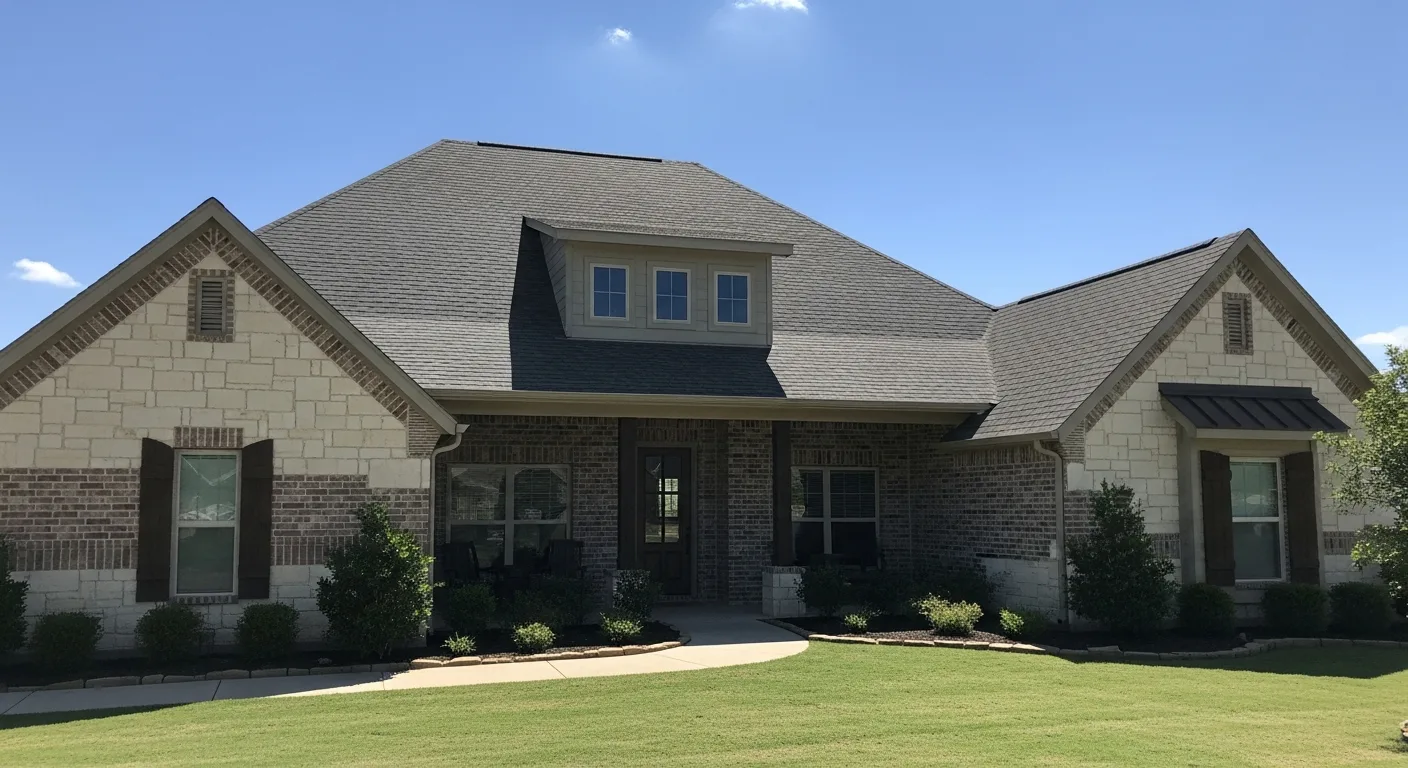
Architectural shingles with Class 4 impact ratings provide excellent hail protection while offering superior aesthetics and longevity compared to basic three-tab products. Premium manufacturers like GAF, Owens Corning, and CertainTeed offer specialized products designed for extreme weather conditions with enhanced granule adhesion and flexibility.
Cool roof technology becomes increasingly important as energy costs rise. Light-colored or specially formulated shingles that meet Cool Roof Rating Council standards can reduce surface temperatures by 50-60 degrees, significantly impacting HVAC loads during peak summer months.
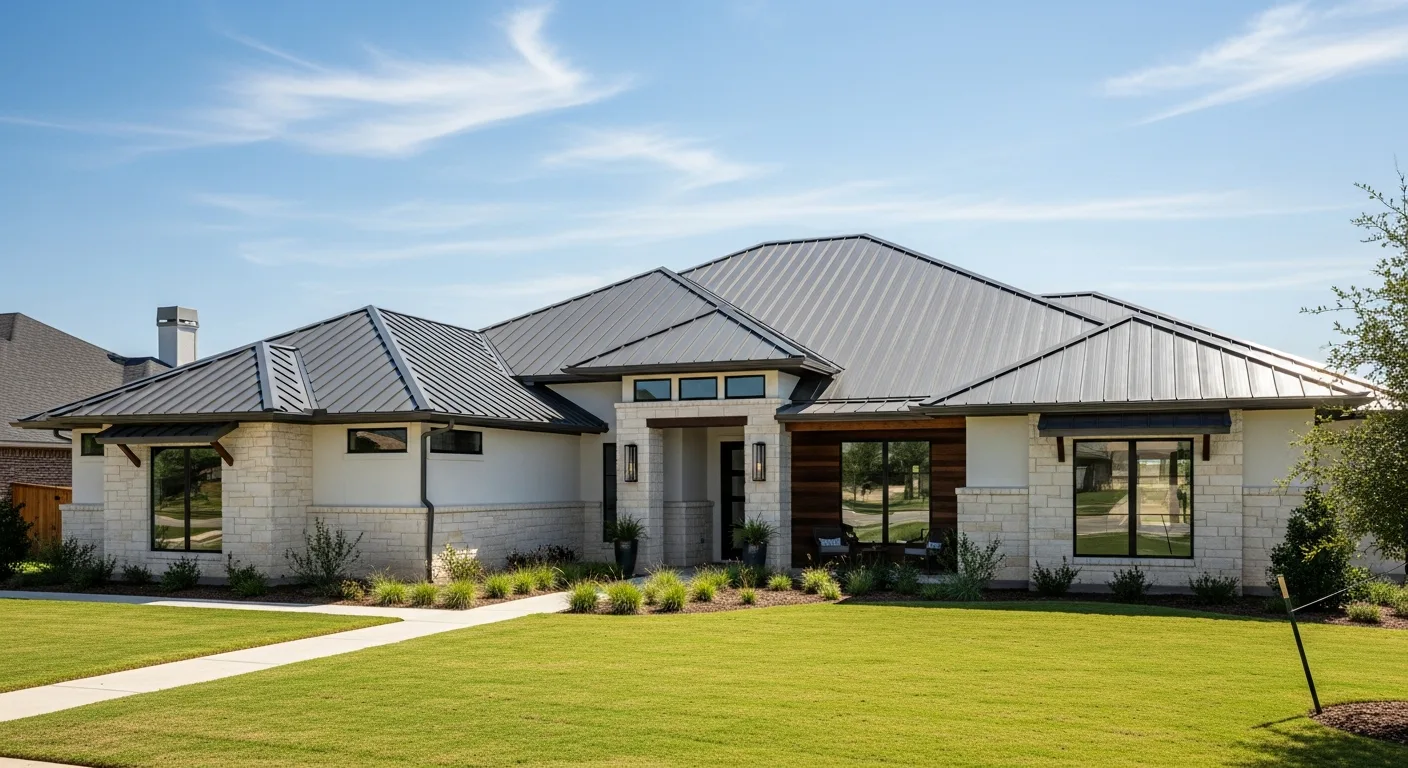
For homeowners considering metal roofing systems, standing seam profiles with concealed fasteners offer exceptional wind resistance and thermal performance. However, proper installation requires specialized expertise and equipment that not all contractors possess.
Synthetic underlayment and enhanced ice and water shield provide superior moisture protection compared to traditional felt products, especially important given our region's tendency toward rapid temperature changes that can create condensation issues.
Ventilation System Integration
Proper attic ventilation becomes critical in our climate extremes, requiring balanced intake and exhaust systems that many basic quotes overlook. Ridge vents combined with soffit vents or powered exhaust systems help manage moisture and temperature, extending material lifespan while improving energy efficiency.
What to Expect During the Professional Evaluation Process
Quality contractors follow systematic evaluation processes that include comprehensive roof inspections, detailed measurements, and clear project specifications. The process typically involves:
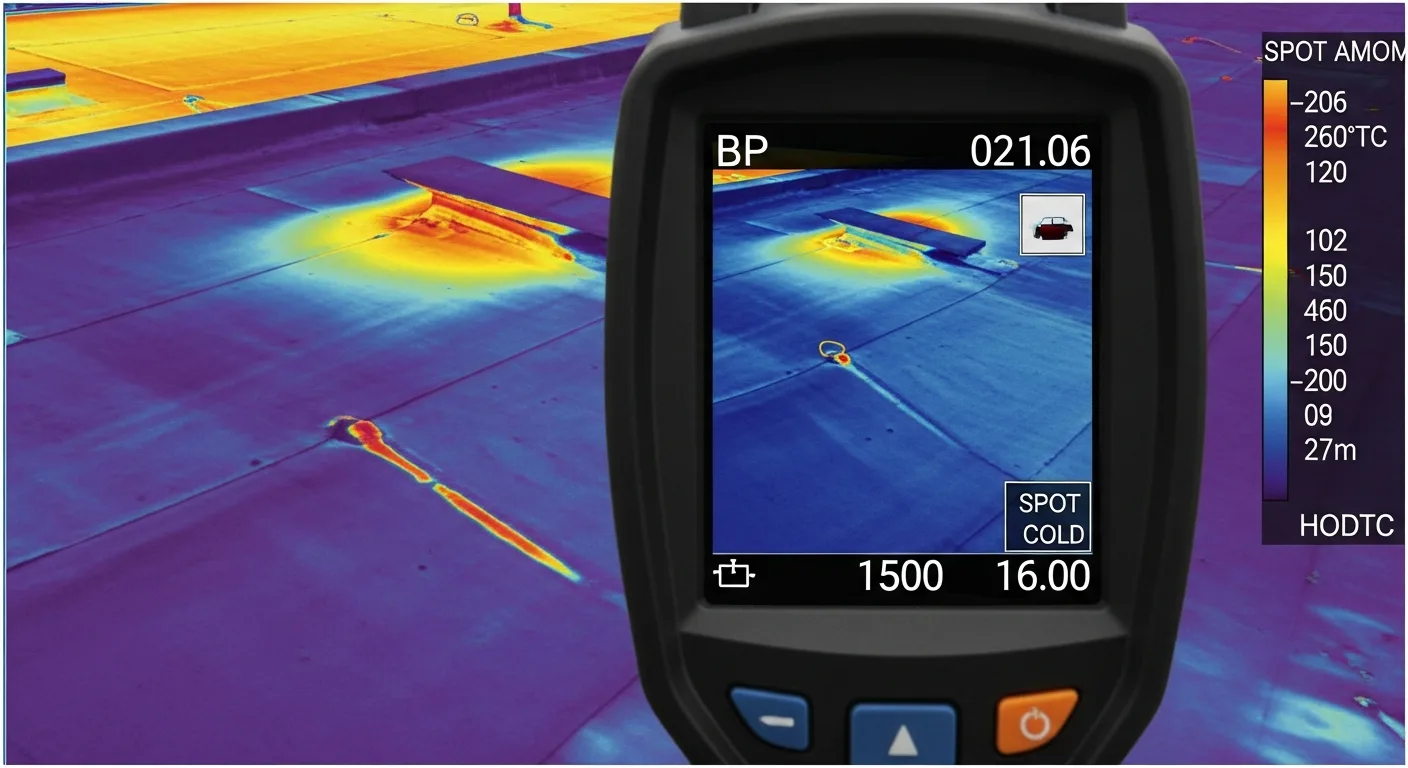
Thorough documentation of existing conditions using photography and measurements that support insurance claims while identifying all necessary repairs. Professional contractors inspect not just visible damage but also underlying structural components, flashing systems, and ventilation adequacy.
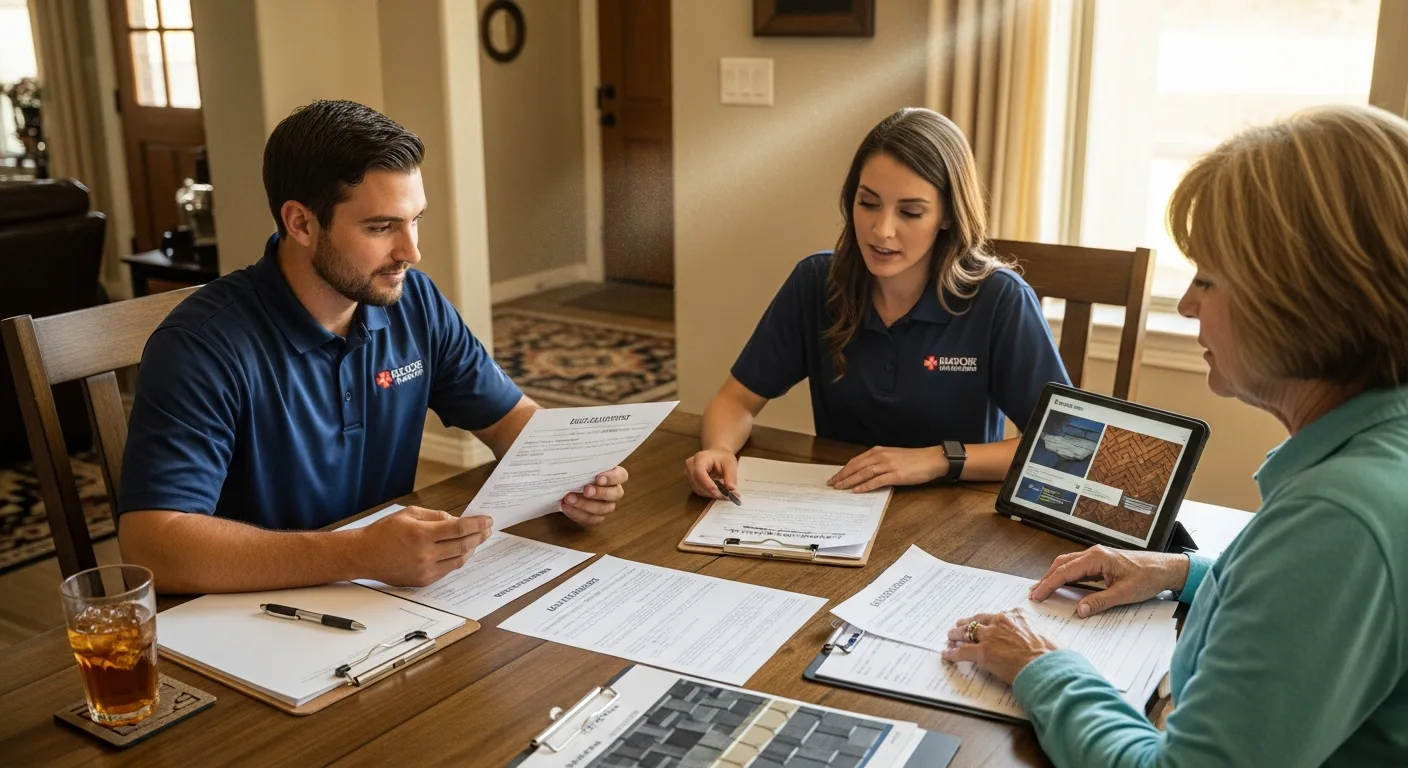
Material selection consultations that consider your specific needs, budget constraints, and long-term goals. Quality contractors explain options clearly, provide samples, and help you understand the lifecycle cost implications of different choices rather than simply pushing their preferred products.
Detailed project timelines with specific milestones, weather contingencies, and communication protocols. Professional companies coordinate with other trades when necessary and provide regular updates throughout the installation process.
Permit acquisition and inspection scheduling handled by the contractor, ensuring all work meets local code requirements and passes required inspections without delays or complications.
For comprehensive roof evaluations, see our residential roof replacement section where we detail our systematic approach to assessing and addressing roofing needs throughout the Texas Panhandle region.
Why Choosing the Right Contractor Matters Most
The contractor selection decision impacts every aspect of your roofing project, from initial quote accuracy to final performance and warranty service. Critical differentiators include:
Local presence and reputation matter significantly in our market. Established Amarillo contractors understand regional weather patterns, common problems, and effective solutions. They're also available for warranty service and emergency repairs when needed, unlike fly-by-night operations that disappear after completion.
Insurance and bonding verification protects homeowners from liability and ensures contractor accountability. Legitimate contractors carry general liability insurance, workers' compensation coverage, and performance bonds that protect your investment.
Industry certifications and training indicate commitment to quality and ongoing education. Contractors certified by major manufacturers like GAF Master Elite or Owens Corning Platinum contractors have demonstrated expertise and maintain higher standards.
According to NRCA guidelines, proper contractor vetting includes verification of licenses, insurance, references, and local reputation—factors that directly impact project success and long-term satisfaction.
Communication and project management systems separate professional operations from basic contractors. Quality companies provide detailed contracts, regular updates, change order procedures, and clear warranty documentation that protects your interests throughout the process.
Red Flags to Avoid
Beware of contractors who demand full payment upfront, provide verbal estimates only, or pressure immediate decisions. Quality contractors provide detailed written quotes, reasonable payment schedules tied to project milestones, and adequate time for decision-making.
Storm-chasing contractors who appear immediately after severe weather often lack local knowledge, proper insurance, and long-term accountability. Their focus on quick sales rather than quality installations frequently results in problems that emerge after they've left town.
Don't let price comparison paralysis cost you the protection your family deserves. Contact CRS Roofing & Construction today for a comprehensive quote evaluation that considers all critical factors for Texas Panhandle performance. Our experienced team will help you understand exactly what each quote includes, identify potential problems, and make the informed decision that provides decades of reliable protection. Call now to schedule your professional consultation and discover why proper quote comparison is the first step toward a successful roofing investment.
Understanding material specifications becomes crucial when evaluating quotes for Texas Panhandle conditions. Look for shingles rated for Class 4 impact resistance and wind speeds up to 130 mph, as these ratings directly correlate to performance during severe weather events. The extreme temperature fluctuations in our region—from sub-zero winter conditions to summer temperatures exceeding 110°F—require materials that can withstand thermal cycling without premature failure.
When comparing quotes, verify that contractors specify proper ventilation calculations based on ASHRAE standards for our climate zone. Inadequate attic ventilation in the Texas heat can reduce shingle life by 30-50% and void manufacturer warranties. Quality contractors will calculate the exact square footage of intake and exhaust ventilation needed, typically requiring 1 square foot of net free area per 150 square feet of attic space.
Code compliance represents another critical comparison factor often overlooked in quote evaluation. The International Building Code requires specific fastening patterns and edge securement for our wind zone, yet many contractors cut corners on these details to reduce labor costs. Proper installation includes six fasteners per shingle in high-wind areas and enhanced edge securement using specialized starter strips.
Safety protocols should be explicitly outlined in professional quotes, as OSHA regulations require specific fall protection systems for residential roofing work. Contractors who don't mention safety equipment or worker protection may be cutting corners that could result in liability issues and substandard installation practices. Additionally, verify that quoted materials meet NRCA installation standards for our region's specific weather challenges.
Insurance considerations add another layer to quote comparison, particularly regarding FORTIFIED construction standards that can reduce premiums by up to 35% in Texas. Some contractors may offer FORTIFIED upgrades that provide long-term savings through reduced insurance costs, making a higher initial investment more cost-effective over the roof's lifespan.