Every day you wait after hail damage strikes your Texas Panhandle property, you're gambling with thousands of dollars and your building's structural integrity. While that damaged roof might look "manageable" from the ground, the invisible moisture intrusion happening behind compromised shingles or membrane seams creates a ticking clock that accelerates exponentially with our extreme temperature swings and sudden weather changes. Property owners who delay action often discover that what started as a $15,000 repair has become a $40,000+ full replacement due to secondary water damage, mold growth, and compromised building envelope systems.
When Hail Damage Requires Immediate Professional Attention
In the harsh Texas Panhandle climate, hail damage creates vulnerabilities that worsen rapidly under our intense UV exposure and temperature extremes. Any visible impact damage requires professional assessment within 72 hours to prevent cascading failures throughout your roofing system.
Critical indicators demanding immediate action include:
- Granule loss patterns - Even minor granule displacement compromises thermal reflectivity and accelerates membrane degradation
- Exposed mat or substrate - Direct UV exposure creates rapid deterioration in our 100°F+ summer temperatures
- Cracked or split shingles - These become entry points for moisture intrusion during our frequent storm cycles
- Damaged flashing or penetrations - Compromised seals around vents, chimneys, or HVAC equipment create immediate leak risks
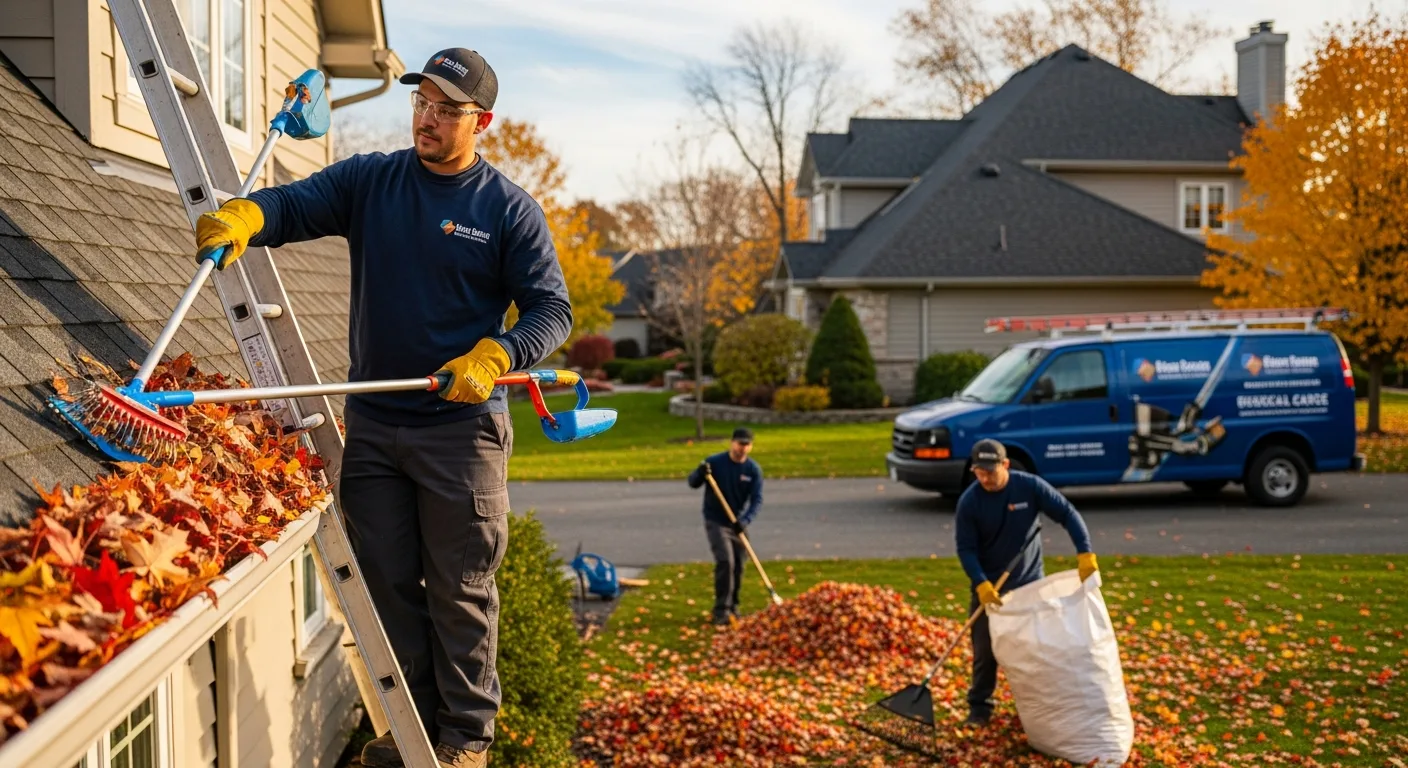
- Dented gutters or downspouts - Impaired drainage systems compound water damage risks during heavy rainfall events
According to the Insurance Institute for Business & Home Safety, properties with unaddressed hail damage experience 300% higher rates of secondary damage within the first year. In Amarillo's climate, this timeline compresses to mere months due to our extreme weather patterns.
Key Decision Factors: Timing, Cost, and Long-term Value
Insurance Claim Windows
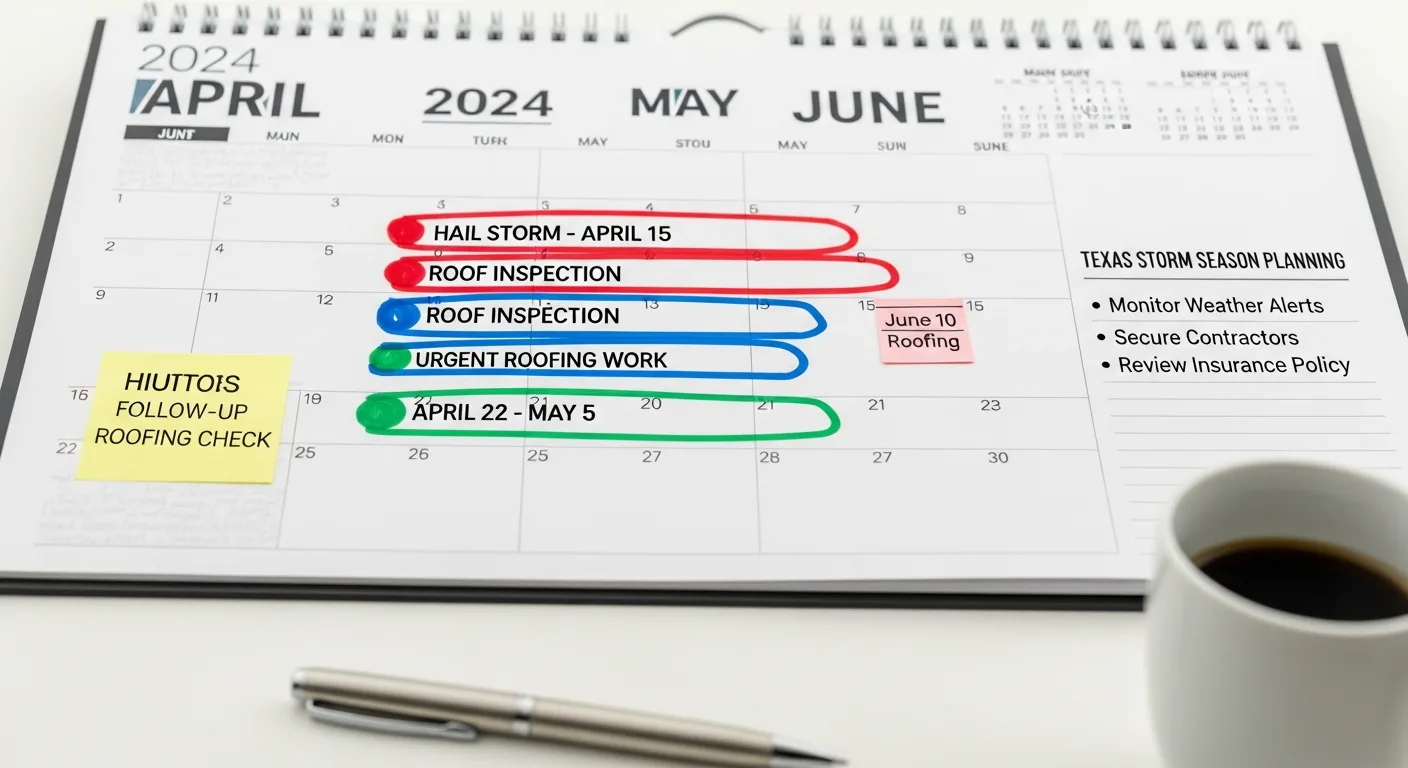
Most insurance policies require damage reporting within one year, but waiting reduces your claim's value significantly. Adjusters can easily distinguish between fresh hail damage and deterioration caused by delayed maintenance, potentially reducing payouts by 40-60%. Filing within 30 days of a documented storm event provides the strongest claim position.
Repair vs. Replacement Analysis
When hail damage affects more than 30% of your roof surface, replacement typically offers superior lifecycle cost analysis compared to extensive repairs. Our hail and wind damage repair page provides detailed assessment criteria, but key factors include:
- Age of existing system - Roofs over 15 years old with significant damage benefit from complete replacement
- Warranty considerations - Partial repairs often void manufacturer warranties, creating future liability
- Energy efficiency upgrades - New systems with improved R-value and thermal reflectivity provide immediate utility savings
- Code compliance - Replacement projects must meet current building codes, improving wind uplift resistance and structural integrity
Seasonal Timing Advantages
Spring and early summer scheduling provides optimal installation conditions and contractor availability. Waiting until peak storm season (May-September) often results in emergency pricing and extended timelines when multiple properties require simultaneous attention.
Material and System Recommendations for Texas Panhandle Conditions
Hail-damaged roofs present opportunities to upgrade to superior systems designed for our challenging climate. Impact-resistant materials rated Class 4 provide the highest protection against future hail events while qualifying for significant insurance discounts.
Residential Solutions:
- Architectural shingles with polymer modification - Enhanced flexibility prevents cracking during temperature cycling
- Metal roofing systems - Superior hail resistance and thermal reflectivity reduce cooling costs by 15-25%
- Synthetic slate or tile - Combines aesthetic appeal with exceptional impact resistance
Commercial Applications:
- TPO or EPDM membranes with reinforced seaming technology
- Modified bitumen systems with enhanced puncture resistance
- Metal panel systems with standing seam construction for maximum wind uplift resistance
The Cool Roof Rating Council emphasizes that replacement projects should prioritize solar reflectance values above 0.70 to combat our intense summer heat loads. See our commercial roofing services page for detailed system specifications and performance data.
What to Expect During the Professional Assessment and Restoration Process
Initial Inspection and Documentation (1-2 days)
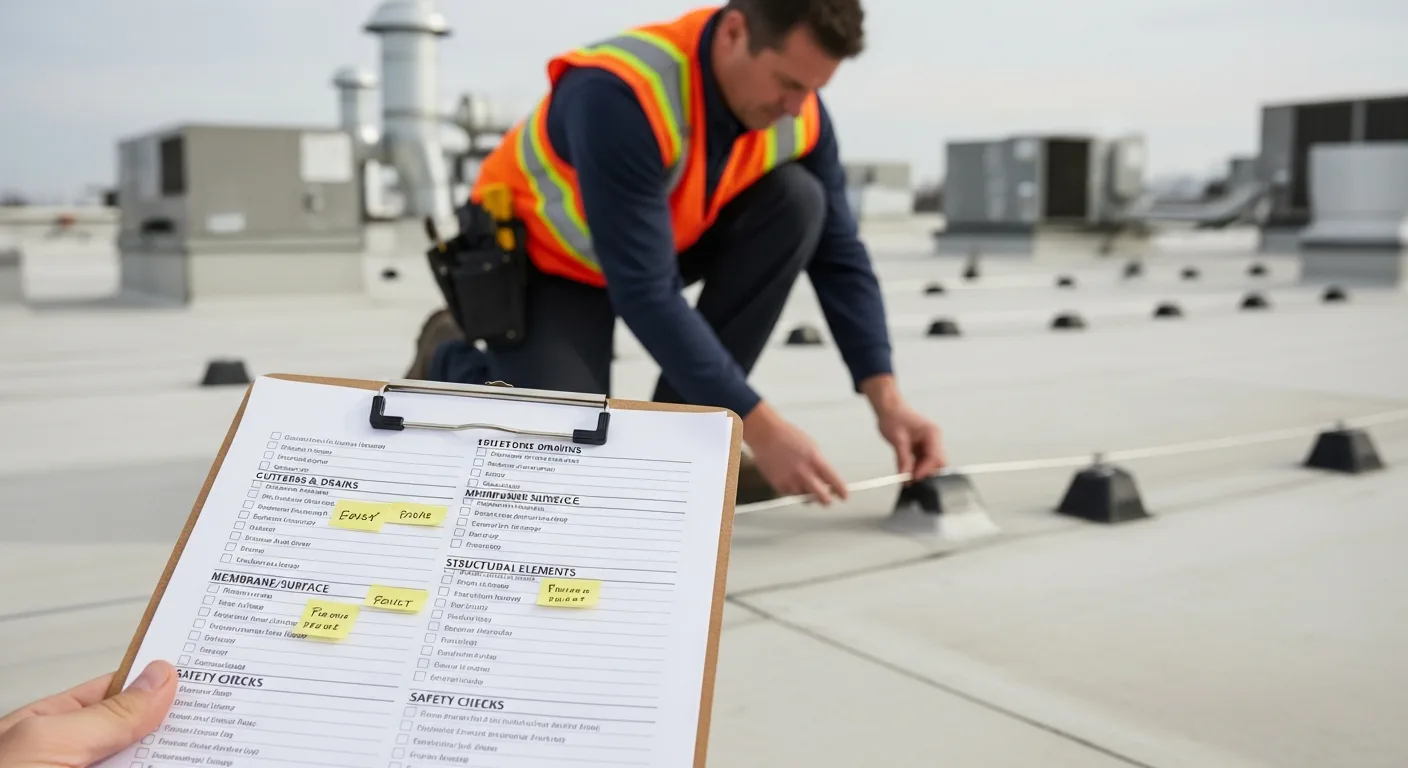
Professional assessment includes comprehensive damage mapping, moisture detection using thermal imaging, and structural integrity evaluation. This documentation becomes crucial for insurance claims and warranty coverage. Expect detailed reports with photographic evidence and repair recommendations prioritized by urgency.
Insurance Coordination (1-2 weeks)
Experienced contractors manage adjuster meetings, scope negotiations, and supplement requests to maximize claim values. This phase often determines whether you'll achieve full replacement coverage or settle for inadequate repair allowances.
Material Procurement and Scheduling (2-4 weeks)
Quality materials require advance ordering, particularly for specialized systems or color matches. Rush orders typically increase costs by 20-30% while potentially compromising material quality or warranty coverage.
Installation Phase (3-7 days typically)
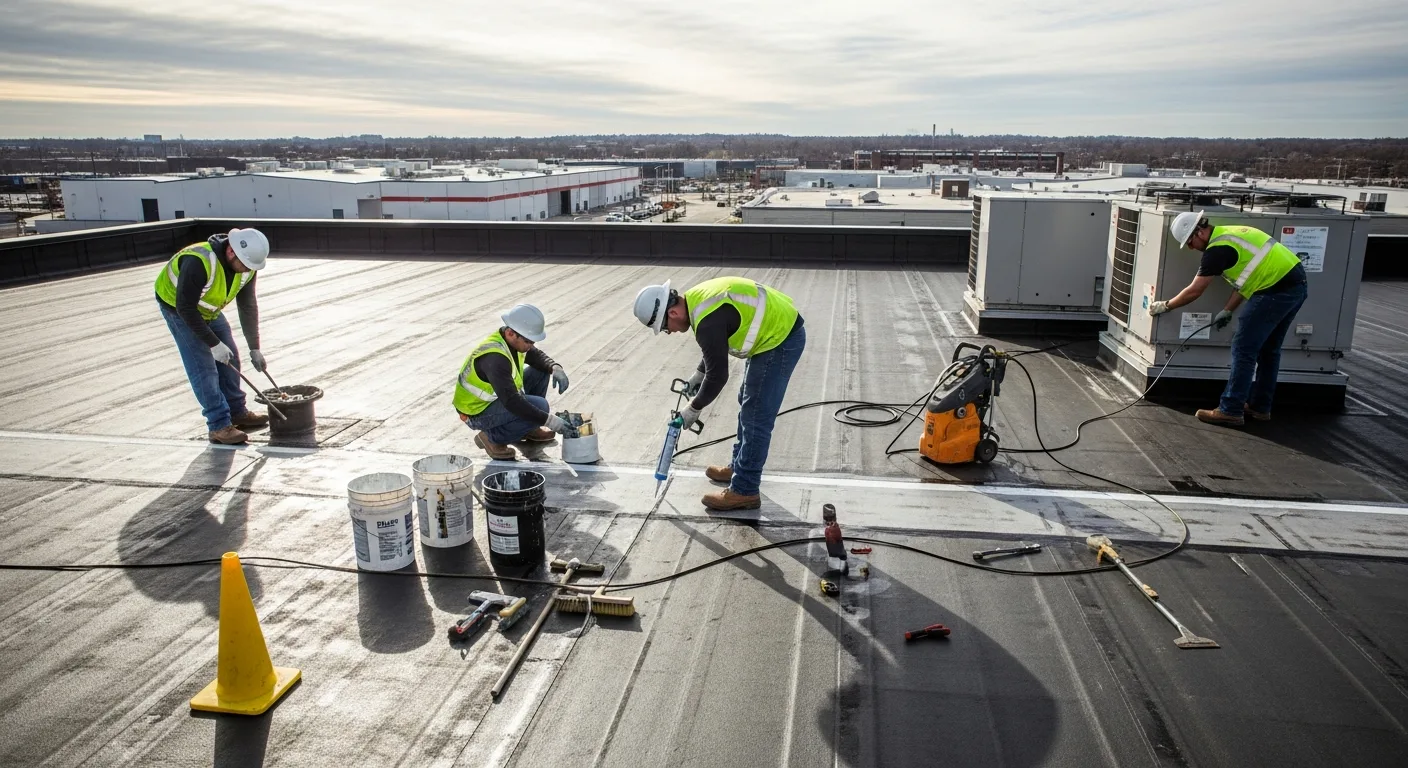
Professional installation includes complete tear-off, decking inspection and repair, upgraded underlayment systems, and comprehensive cleanup. Weather delays may extend timelines, but proper planning minimizes disruption to your property operations.
Final Inspection and Warranty Activation
Post-installation inspection verifies code compliance, manufacturer specifications, and workmanship standards. This step activates both material and labor warranties, providing long-term protection for your investment.
Why Choosing the Right Contractor Determines Project Success
Hail damage restoration requires specialized expertise beyond general roofing knowledge. The contractor you choose directly impacts insurance claim outcomes, project quality, and long-term system performance. Inadequate repairs often cost 2-3 times more than properly executed initial work.
Essential Contractor Qualifications:
- Storm damage expertise - Proven experience with insurance claims and adjuster negotiations
- Local market knowledge - Understanding of Texas Panhandle weather patterns and building code requirements
- Manufacturer certifications - Direct relationships ensure warranty coverage and technical support
- Comprehensive licensing and insurance - Protection for your property and compliance with local regulations
- Emergency response capabilities - Ability to provide temporary protection while managing permanent restoration
Contractors with established local presence understand the urgency of Texas Panhandle weather patterns and maintain appropriate material inventories for rapid response. National storm-chasing contractors often disappear after initial payments, leaving property owners with incomplete work and voided warranties.
Quality contractors provide detailed written estimates, transparent pricing, and realistic timelines. They coordinate directly with insurance companies, handle permit requirements, and ensure all work meets or exceeds current building codes. This comprehensive approach protects your investment and provides peace of mind throughout the restoration process.
Don't let hail damage compromise your property's integrity and value any longer. Every day of delay increases your risk of secondary damage, insurance complications, and escalating repair costs. CRS Roofing & Construction has protected Texas Panhandle properties for over two decades with comprehensive storm damage restoration services. Our certified team provides free detailed assessments, insurance claim assistance, and emergency protection services. Contact us today at (806) 367-8000 or request your priority inspection online. Your property deserves immediate professional attention - and your peace of mind depends on choosing contractors who understand the critical timeline for successful hail damage restoration in our challenging climate.
The Texas Panhandle's extreme weather patterns make prompt hail damage assessment even more critical than in other regions. NOAA weather data shows our area experiences some of the most severe hail events in the United States, with storms producing golf ball-sized hail occurring multiple times per season. When these impacts compromise your roofing materials, the subsequent temperature swings from 100°F+ summer days to sub-freezing winter nights create rapid expansion and contraction cycles that accelerate damage propagation.
For residential properties with asphalt shingles, manufacturers like GAF specify impact resistance ratings that help determine post-hail viability. Class 4 impact-resistant shingles can withstand 2-inch diameter ice balls at specific velocities, but even these premium materials require professional evaluation after severe hail events. The granule displacement that occurs during impact reduces the shingle's UV protection and thermal reflectivity—critical factors in our high-altitude, intense sunlight environment where UV index regularly exceeds 10 during summer months.
Commercial flat roof systems face unique challenges in the Texas Panhandle climate. TPO and EPDM membranes from manufacturers like Carlisle SynTec are engineered with specific puncture resistance ratings, but hail damage can create micro-tears that aren't immediately visible. These compromised areas become failure points when subjected to our region's high winds, which regularly exceed 40 mph during storm systems. The National Roofing Contractors Association recommends immediate membrane integrity testing after any hail event producing stones larger than 1 inch in diameter.
Insurance claim timing becomes particularly crucial in Texas, where Insurance Information Institute data shows hail damage claims must typically be filed within one year of the loss date. However, waiting months to document damage often results in disputes over whether deterioration occurred from the original hail event or subsequent weather exposure. Professional documentation within the first 72 hours provides clear baseline conditions and prevents coverage complications. Additionally, IBHS research demonstrates that properties following FORTIFIED standards with proper post-storm maintenance experience 60% fewer total losses over time compared to standard construction practices.