Hail storms in the Texas Panhandle can cause devastating damage to roofing systems, but what many homeowners don't realize is that the most dangerous effects often don't appear until years after the initial impact. While visible damage like cracked shingles or dented gutters may seem like the primary concern, hidden structural compromises can lead to catastrophic roof failure long after the storm has passed. Understanding these delayed consequences is crucial for protecting your home and avoiding costly repairs down the road.
The Deceptive Nature of Hail Damage
Hail damage to roofing systems is far more complex than the obvious surface-level impacts that homeowners typically notice immediately after a storm. When hailstones strike a roof, they create a cascade of problems that extend well beyond the visible cracks or missing granules on asphalt shingles. The force of impact can compromise the structural integrity of roofing materials in ways that aren't immediately apparent but will manifest as serious problems over time.
According to the National Roofing Contractors Association (NRCA), hail damage assessment requires professional expertise because much of the damage occurs beneath the surface where homeowners cannot see it. The impact energy from hailstones doesn't just affect the top layer of roofing materials—it can fracture the underlying structure, create microscopic cracks in sealants, and compromise the waterproof barriers that keep moisture out of your home.
Immediate vs. Delayed Damage Manifestation
The immediate aftermath of a hailstorm may reveal obvious damage such as broken shingles, dented flashing, or damaged gutters. However, the more insidious problems develop gradually as weather conditions exploit the weakened areas created by hail impact. Temperature fluctuations, wind uplift, and moisture infiltration work together to expand small compromises into major structural failures over a period of months or years.
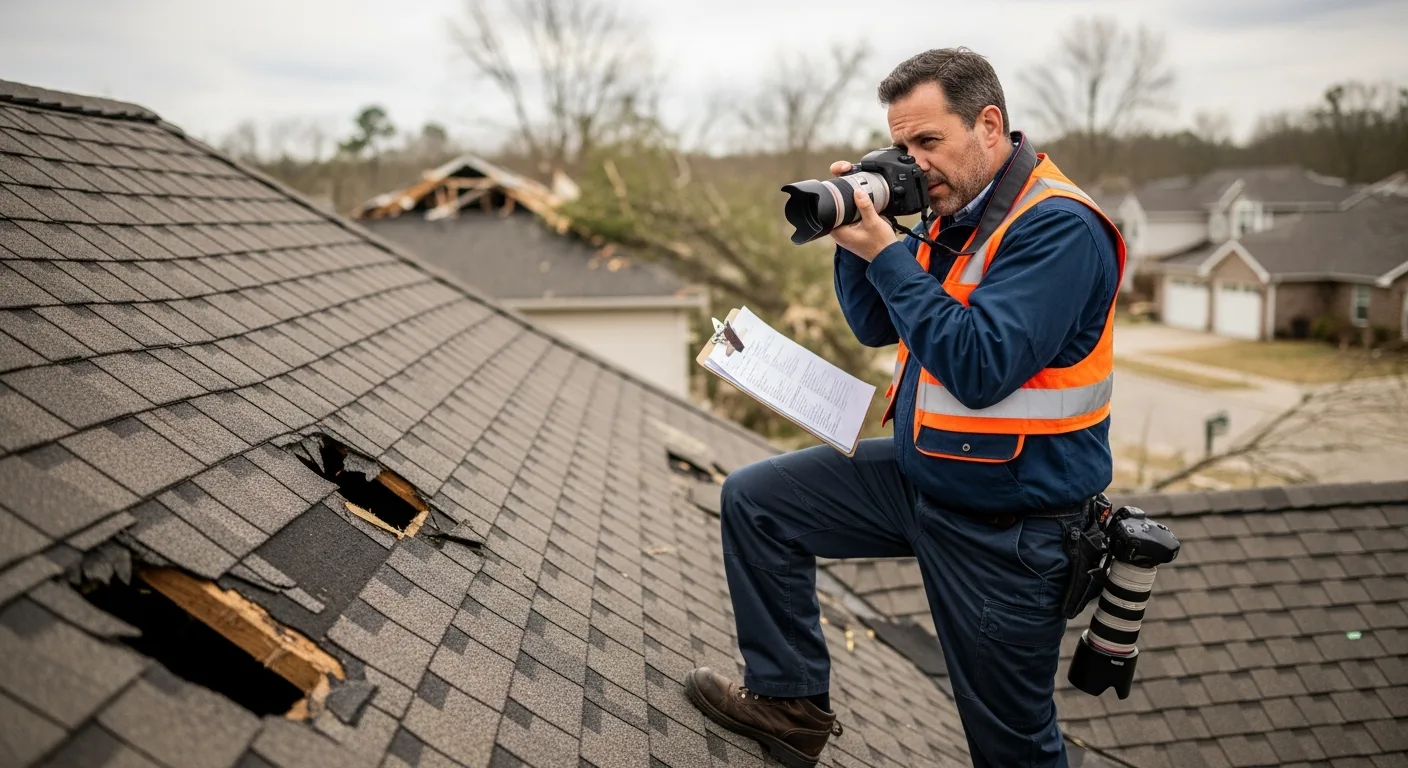
Professional roof inspections following hail events are essential because trained inspectors can identify subtle signs of damage that will become major problems if left unaddressed. These hidden issues include fractured adhesive seals, compromised underlayment, and structural damage to decking materials that may not be visible from ground level or to untrained eyes.
Progressive Deterioration: How Hidden Damage Spreads
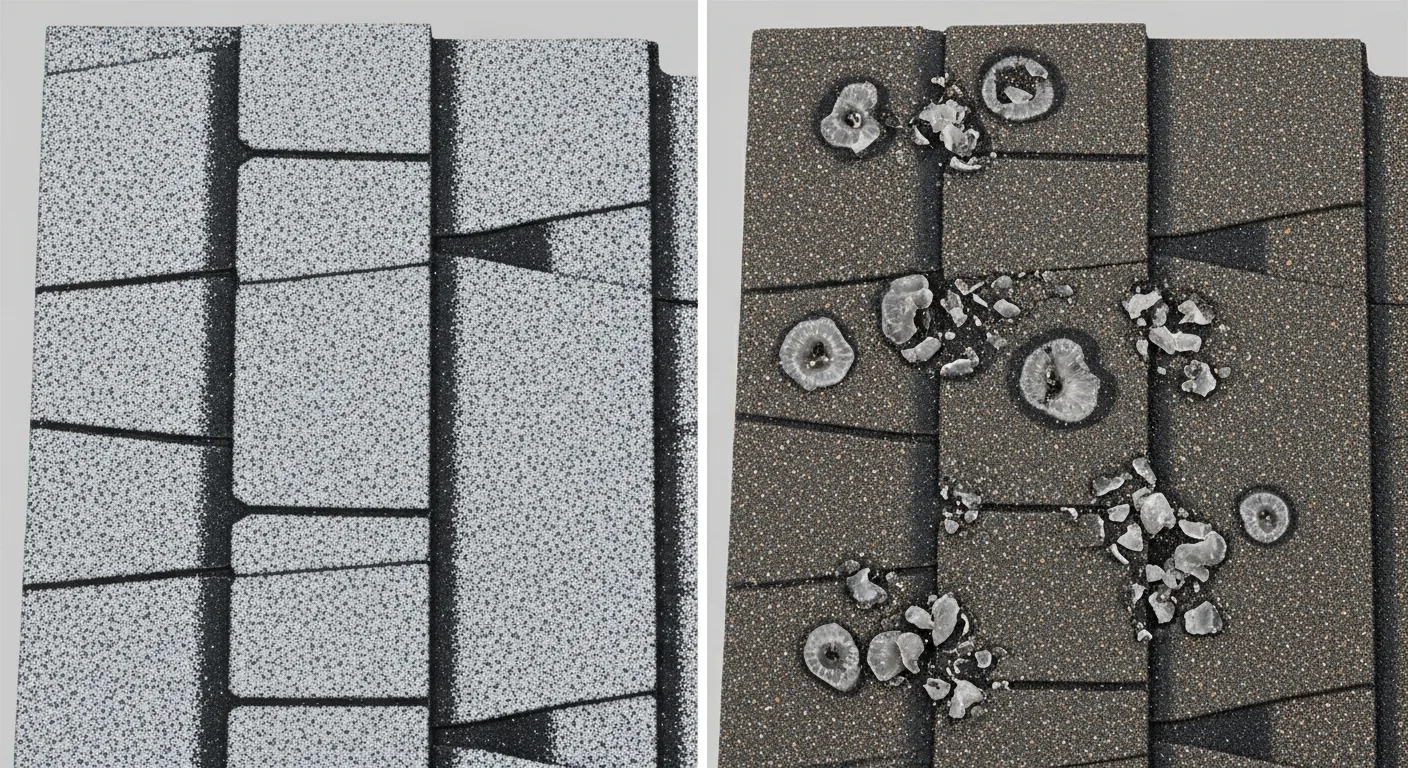
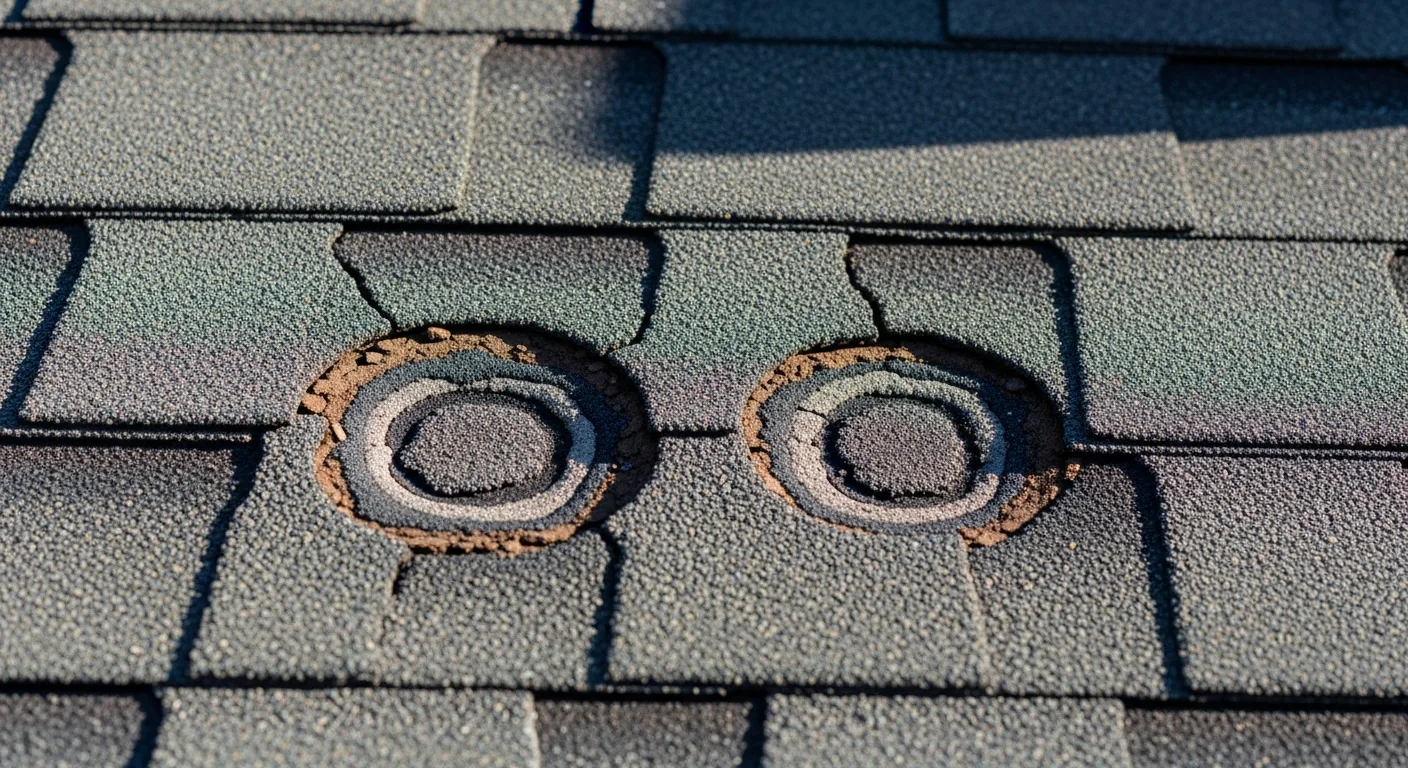
The process of hail-induced roof deterioration follows a predictable pattern that accelerates over time. Initially, hail impacts create microscopic fractures in roofing materials and break the protective granule surface on asphalt shingles. These seemingly minor compromises allow ultraviolet radiation to penetrate deeper into the shingle structure, causing accelerated aging and brittleness.
As seasons change, thermal expansion and contraction cycles stress the already-weakened materials. Small cracks grow larger, and the protective barriers that prevent water infiltration begin to fail. The Department of Energy emphasizes that maintaining roof integrity is crucial for energy efficiency, as even small air and moisture leaks can significantly impact a home's thermal performance and lead to increased utility costs.
Water Infiltration and Its Cascading Effects
Once water begins penetrating through hail-damaged areas, the deterioration process accelerates dramatically. Moisture infiltration doesn't just cause cosmetic staining—it leads to structural rot, mold growth, and insulation degradation that can compromise the entire building envelope. The problem compounds because water follows the path of least resistance, meaning that a small leak in one area can cause damage throughout the roof system and into interior spaces.
Winter freeze-thaw cycles are particularly destructive to hail-compromised roofs. Water that enters through damaged areas expands when it freezes, creating additional cracks and openings. This process repeats throughout the cold season, exponentially increasing the size and scope of the damage with each temperature cycle.
Structural Vulnerabilities That Develop Over Time
The structural implications of hail damage extend far beyond the roofing surface itself. When hailstones impact a roof with sufficient force, they can cause compression damage to the underlying decking, create stress fractures in support structures, and compromise the attachment points between roofing materials and the structural framework.
Research from the Insurance Institute for Business & Home Safety (IBHS) demonstrates that hail damage patterns are often concentrated in specific areas of the roof where wind patterns and building geometry create zones of increased impact velocity. These areas become weak points that are particularly susceptible to progressive failure under normal weather loads.
Load-Bearing Capacity Reduction
Repeated hail impacts can reduce the load-bearing capacity of roofing structures in ways that aren't immediately apparent. Microscopic damage to wood decking, compromised fastener connections, and fractured support members may not cause immediate failure but can lead to catastrophic collapse under snow loads or during severe weather events years after the initial hail damage occurred.
Professional structural assessments following significant hail events are crucial for identifying these hidden vulnerabilities. Building codes and manufacturer specifications assume that roofing systems maintain their original structural integrity throughout their design life, but hail damage can significantly reduce this capacity without obvious external signs.
Environmental Factors That Accelerate Failure
The harsh climate conditions in the Texas Panhandle create an environment where hail-damaged roofs deteriorate more rapidly than in milder climates. Intense UV radiation, extreme temperature variations, and frequent severe weather events all contribute to the acceleration of damage that begins with hail impact.
UV degradation is particularly problematic for roofing materials that have lost their protective granule coating due to hail damage. Without this protective layer, asphalt shingles become brittle and prone to cracking, while metal roofing systems may experience accelerated corrosion at impact sites. The combination of UV exposure and thermal cycling creates a cycle of deterioration that compounds the original hail damage.
Wind Uplift and Progressive Failure
Hail damage often compromises the wind resistance of roofing systems by weakening the seal integrity between shingles and reducing the effectiveness of mechanical fasteners. During subsequent windstorms, these weakened areas become initiation points for progressive failure, where small areas of damage spread rapidly across larger sections of the roof.
FEMA guidelines for wind-resistant construction emphasize the importance of maintaining continuous protective barriers and secure fastening systems. When hail damage compromises these elements, the entire roof system becomes vulnerable to failure during relatively moderate wind events.
Early Detection and Prevention Strategies
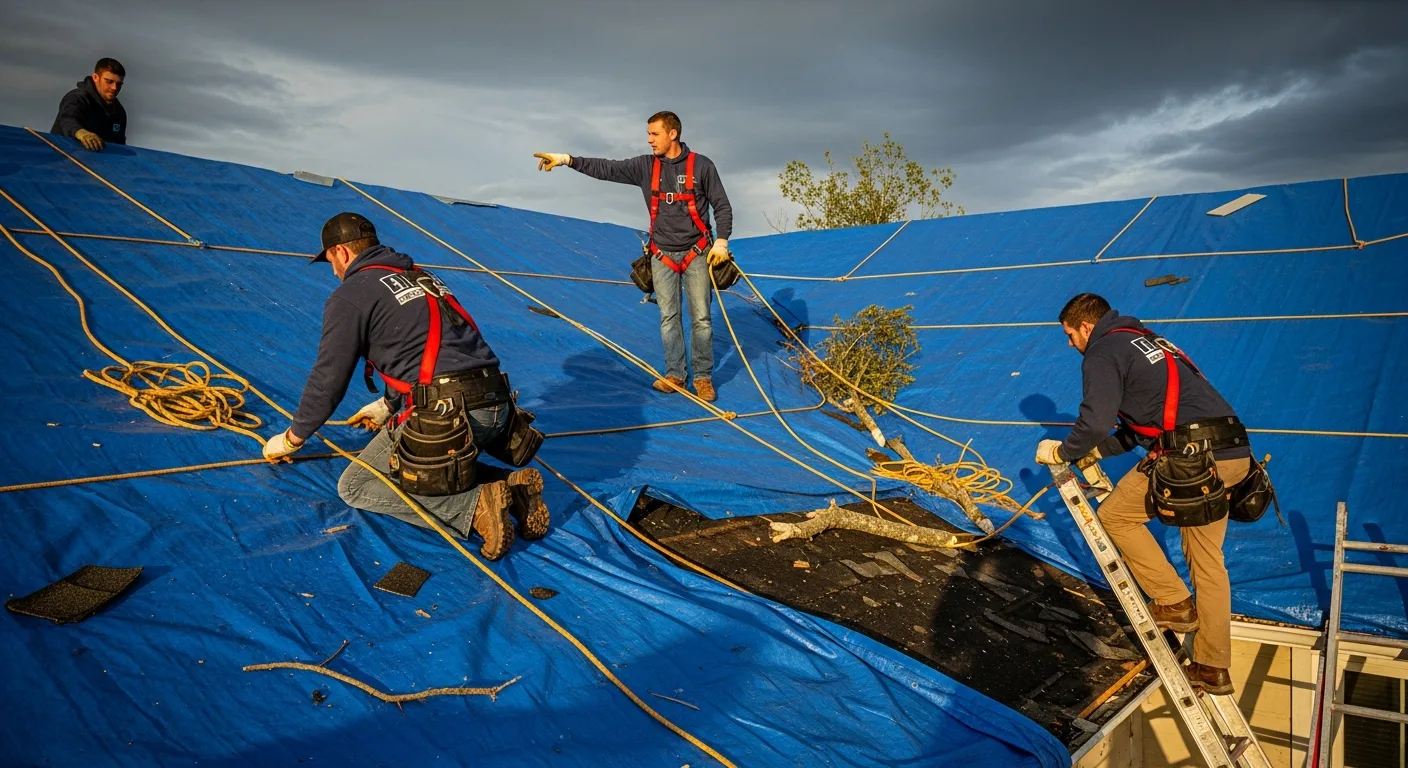
Preventing delayed failure of hail-damaged roofs requires a proactive approach that begins immediately after a hail event. Professional inspections should be conducted as soon as it's safe to do so, focusing not just on obvious surface damage but on the subtle indicators of structural compromise that may lead to future problems.
Regular monitoring of hail-damaged areas is essential for catching problems before they become catastrophic. Homeowners should watch for signs such as granule accumulation in gutters, small leaks during rainstorms, and changes in the appearance or texture of roofing materials. These early warning signs often indicate that the progressive deterioration process has begun and intervention is necessary.
Professional Assessment and Remediation
The complexity of hail damage assessment requires specialized expertise and equipment that goes beyond what typical home inspections provide. Professional roofing contractors with experience in hail and wind damage repair use advanced techniques such as thermal imaging, moisture meters, and structural load testing to identify hidden damage that could lead to future failure.
Manufacturer resources from companies like GAF and Owens Corning provide valuable guidance for identifying and addressing hail damage, but professional assessment remains crucial for comprehensive evaluation and appropriate remediation strategies.
Protecting Your Investment Through Proactive Action
The key to preventing delayed roof failure after hail damage lies in understanding that visible damage represents only a small portion of the total impact on your roofing system. Taking immediate action to assess and address both obvious and hidden damage can prevent minor problems from escalating into major structural failures that threaten the integrity of your entire home.
If you suspect your roof has sustained hail damage, don't wait for problems to develop over time. Contact our experienced team for a comprehensive assessment that goes beyond surface-level inspection to identify the hidden vulnerabilities that could lead to catastrophic failure years down the road. Early intervention is always more cost-effective than emergency repairs, and professional evaluation ensures that your roof continues to protect your home for years to come.
The Texas Panhandle's unique climate conditions create a perfect storm for accelerated hail damage deterioration. With extreme temperature fluctuations that can swing from over 100°F in summer to below freezing in winter, materials already weakened by hail impacts experience rapid expansion and contraction cycles. NOAA data shows that the Texas Panhandle experiences some of the most severe hailstorms in the nation, with hailstones frequently exceeding 2 inches in diameter—large enough to cause Class 4 impact damage to roofing systems.
Impact-resistant shingles have become increasingly important in this region, with manufacturers like TAMKO developing specialized products specifically engineered to withstand severe hail impacts. However, even Class 4 impact-resistant materials can suffer hidden damage that compromises their long-term performance. The key lies in understanding that hail damage creates micro-fractures in shingle mats and granule displacement that may not be visible to the untrained eye but allows moisture penetration that accelerates aging.
Professional assessment following hail events is critical because damage patterns can vary significantly based on hailstone size, wind direction, and roof slope. Research from the Insurance Institute for Business & Home Safety demonstrates that roofs with pre-existing hail damage are 300% more likely to experience premature failure during subsequent weather events. This is particularly concerning in Amarillo, where severe weather systems frequently produce multiple hail events within a single season.
Building code compliance becomes crucial when addressing hail damage repairs. The International Code Council's standards require that roof repairs maintain the original system's wind uplift resistance and impact ratings. Many homeowners unknowingly compromise their roof's performance by attempting partial repairs with non-matching materials or failing to address underlying structural damage that affects the entire system's integrity.
From a safety perspective, NRCA guidelines emphasize that hail-damaged roofs pose significant risks not just from potential collapse, but from compromised fire ratings and reduced thermal performance. In the Texas Panhandle's extreme climate, a roof system's ability to maintain proper ventilation and insulation performance is critical for both structural integrity and energy efficiency, making professional evaluation and complete system restoration essential rather than cosmetic repairs.