After a severe storm passes through the Texas Panhandle, many property owners find themselves staring up at their roof, wondering whether those dark spots and missing granules represent costly hail damage or simply the natural aging process. Understanding the difference between storm-related impact damage and normal wear patterns is crucial for making informed decisions about insurance claims, repairs, and roof system longevity.
What Hail Damage Looks Like and Why It Matters
Hail damage creates distinct patterns that differ significantly from gradual weathering. When hailstones strike asphalt shingles, they create immediate structural compromises that can accelerate moisture intrusion and reduce the overall roof system lifespan. Unlike normal wear, which occurs gradually over years of exposure to UV rays and thermal cycling, hail impact damage happens instantly and creates concentrated points of vulnerability in your building envelope.
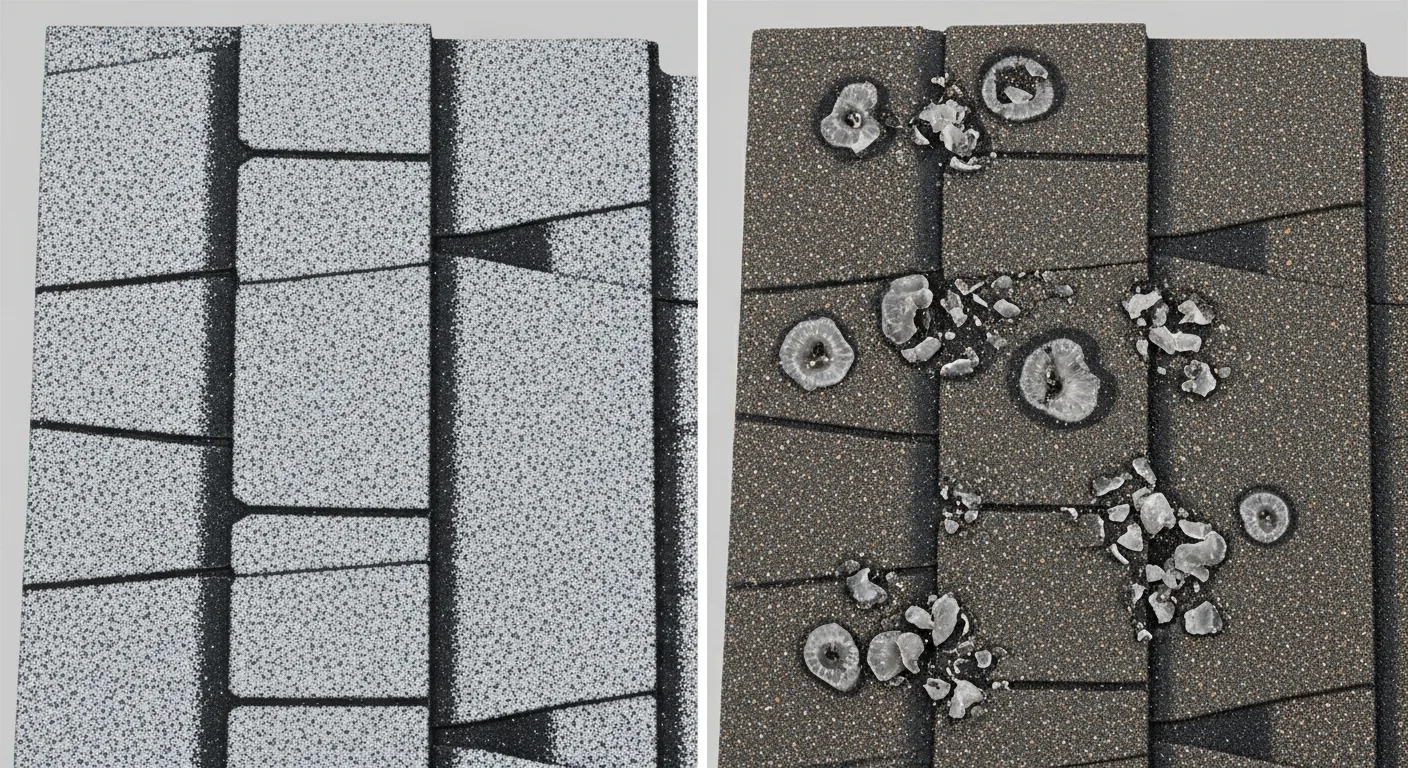
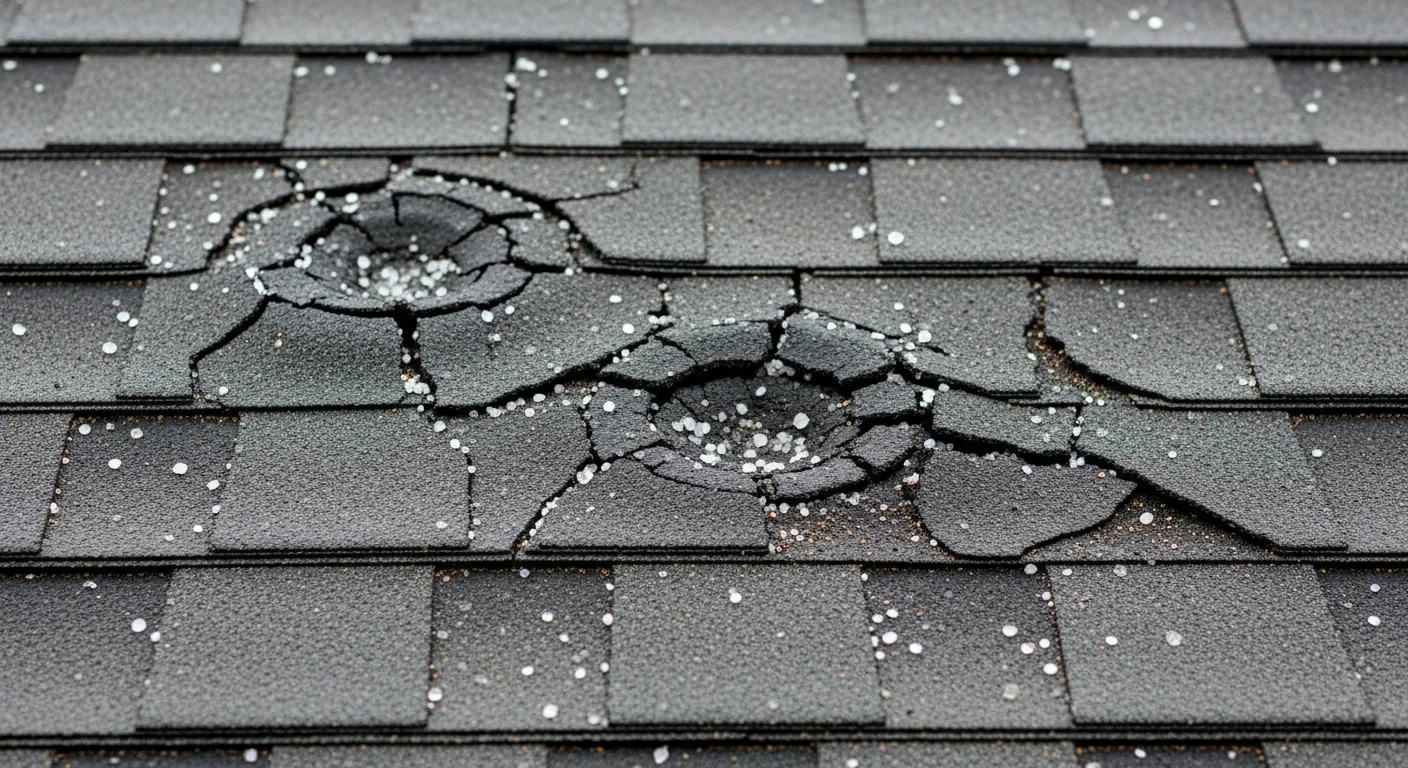
The key distinction lies in the pattern and severity of damage. Hail damage typically appears as circular or oval-shaped marks where granules have been forcibly removed, exposing the underlying asphalt mat. These impact points often have soft spots that feel spongy when pressed, indicating that the shingle's structural integrity has been compromised. The damage usually appears randomly distributed across the roof surface, following the storm's path rather than concentrating in areas of typical wear patterns.
Key Characteristics of Hail Damage
Professional roofers look for several specific indicators when assessing potential hail damage. Understanding these signs helps property owners make more informed decisions about when to pursue insurance claims or professional inspections.
Impact Marks and Granule Loss Patterns
Fresh hail damage creates distinctive impact craters where granules have been knocked away, revealing the black asphalt substrate underneath. These marks typically measure between a quarter-inch to several inches in diameter, depending on hailstone size. The edges of these impact points often show a "bruised" appearance where the asphalt has been compressed but granules remain partially attached.
Unlike normal granule loss, which occurs evenly across the shingle surface or concentrates along edges and high-wear areas, hail damage appears as scattered circular patterns. The National Roofing Contractors Association emphasizes that legitimate hail damage should show consistency in impact size and distribution that correlates with reported storm intensity.
Soft Spots and Mat Exposure
When hailstones strike with sufficient force, they compress the asphalt shingle mat, creating soft or spongy areas that can be detected by gentle pressure. These compromised areas may not immediately show visible damage but represent structural weak points that will deteriorate rapidly. In severe cases, the impact may crack or fracture the shingle mat entirely, creating immediate pathways for moisture intrusion.
Exposed Shingle Mat and Cracking
Larger hailstones can crack the fiberglass mat within asphalt shingles, creating splits that extend beyond the initial impact point. These cracks often appear as dark lines radiating from the impact site and represent serious structural damage requiring immediate attention.
Normal Wear Patterns vs Storm Damage
Natural aging of asphalt shingles follows predictable patterns that differ markedly from storm damage. Understanding these differences prevents unnecessary insurance claims while ensuring legitimate damage receives proper attention.
Gradual Granule Loss from Weathering
Normal weathering causes granules to loosen and wash away gradually, typically starting along shingle edges, cut edges, and areas of high thermal stress. This process occurs uniformly across the roof surface over many years. The underlying asphalt usually remains protected by remaining granules, and the loss pattern follows predictable wear zones rather than random impact points.
In the Texas Panhandle's extreme climate conditions, normal wear accelerates due to intense UV exposure and significant temperature fluctuations. However, this weathering still follows consistent patterns rather than the scattered, circular damage characteristic of hail impact.
Thermal Cycling Effects
Repeated expansion and contraction from temperature changes can cause shingle edges to curl, crack along the edges, or develop stress fractures. These thermal-related issues typically appear along predictable stress lines and affect multiple shingles in similar patterns, unlike the random distribution of hail damage.
UV Degradation Patterns
Prolonged sun exposure causes asphalt to oxidize and become brittle, leading to surface cracking and granule adhesion loss. This degradation appears most prominently on south and west-facing slopes that receive maximum solar exposure. The damage develops gradually and affects broad areas rather than creating the concentrated impact points associated with hail.
Storm-Specific Considerations for the Texas Panhandle
The Texas Panhandle's location in "Hail Alley" creates unique challenges for property owners trying to distinguish between storm damage and normal wear. The region experiences frequent severe thunderstorms with high wind uplift resistance requirements and large hailstones that can exceed two inches in diameter.
High winds accompanying hail storms often create additional damage patterns that complement impact damage. Wind-driven debris may cause linear scratches or gouges that differ from circular hail impacts, while extreme wind uplift can partially lift shingles, creating creases or fold marks that compound hail damage assessment challenges.
The Insurance Institute for Business & Home Safety notes that Texas properties face some of the nation's highest hail exposure risks, making accurate damage assessment particularly critical for insurance coverage and building envelope protection.
Additional Storm Damage Indicators
Beyond shingle assessment, comprehensive storm damage evaluation should include inspection of gutters, downspouts, flashing, and other roof system components. Hail often dents metal components, cracks caulk seals, and damages roof penetrations in ways that complement shingle impact evidence.
Metal Component Damage
Gutters, downspouts, and metal flashing often show obvious denting from hailstones, providing corroborating evidence for roof damage claims. These impacts are typically more visible and easier to identify than subtle shingle damage.
HVAC and Equipment Damage
Rooftop HVAC equipment, satellite dishes, and other installations frequently show obvious hail damage that supports broader roof assessment findings. Dented condenser coils or cracked equipment housings indicate storm severity levels.
When to Call a Professional Roofer
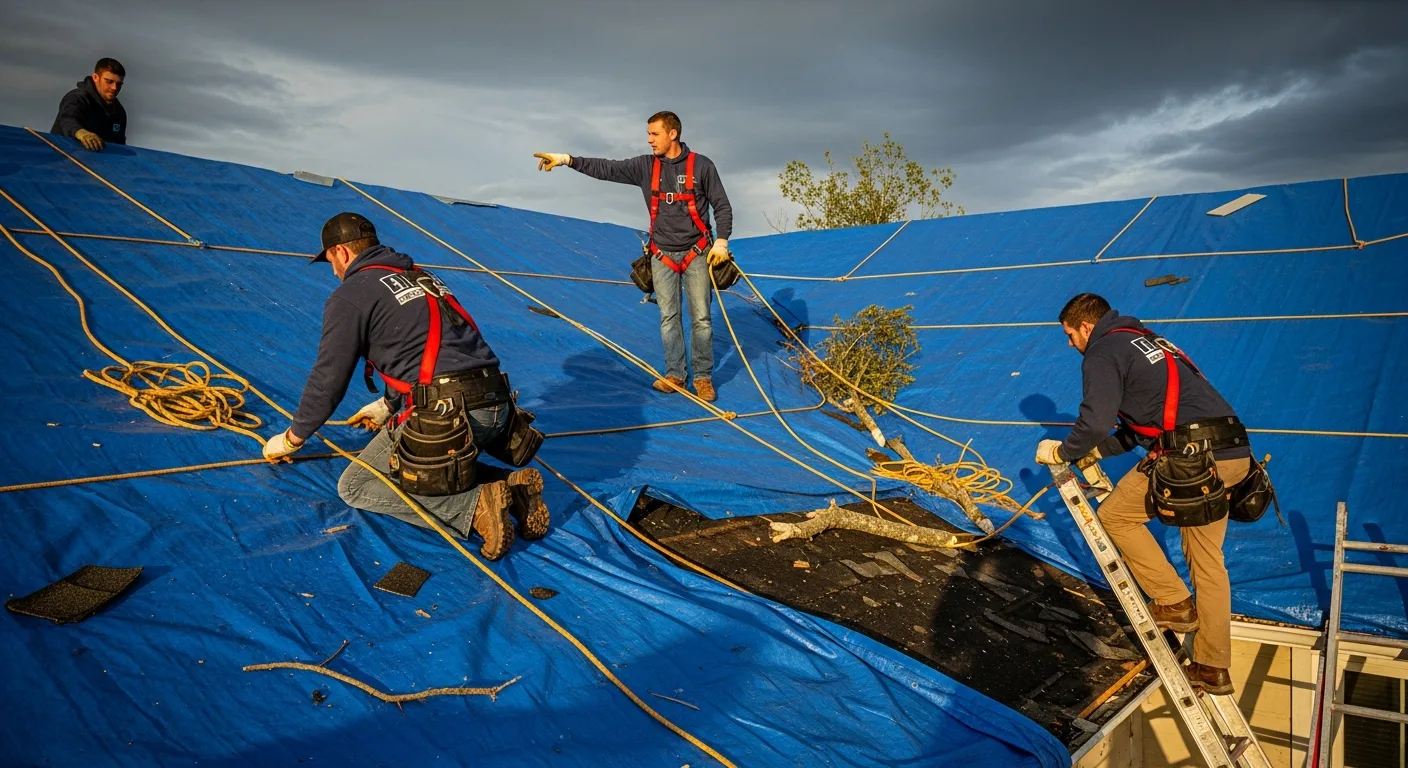
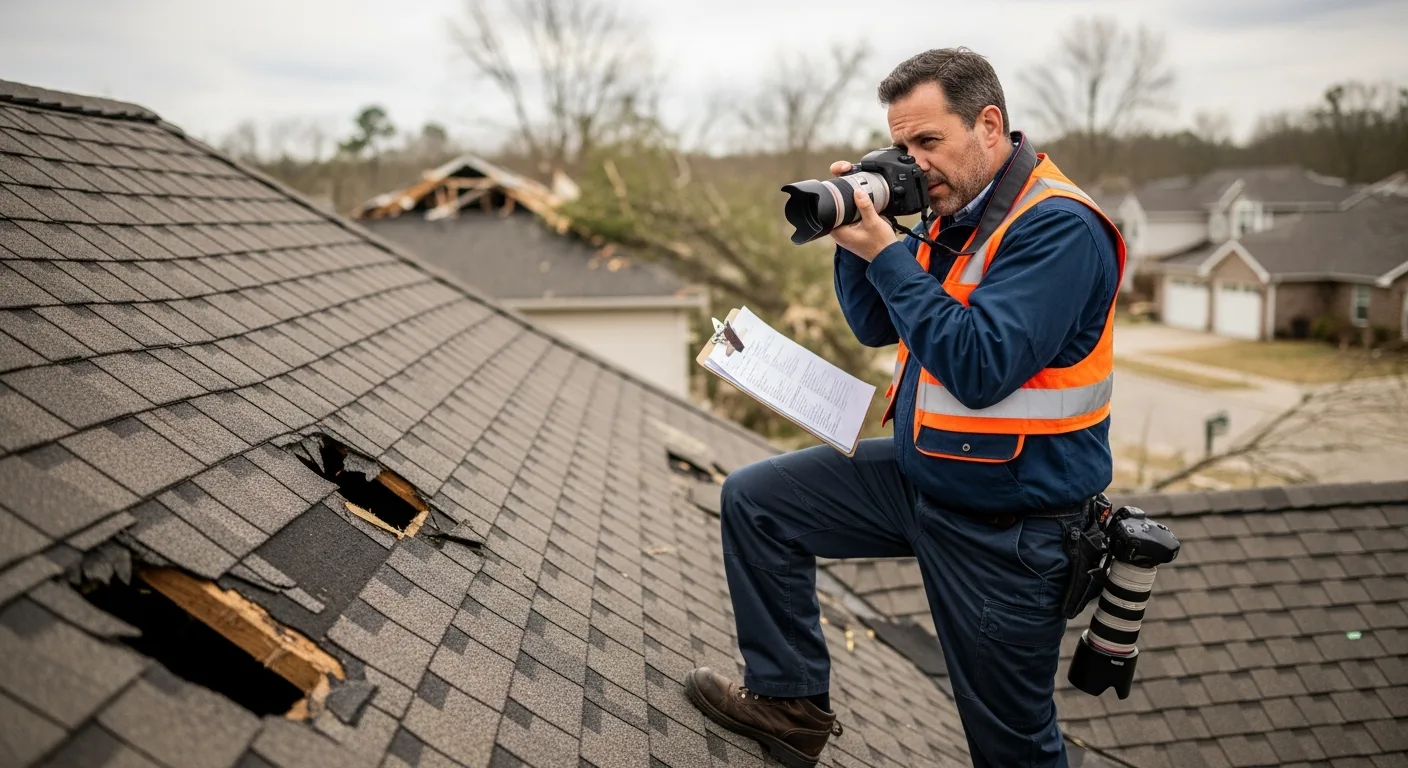
While property owners can perform basic visual assessments from ground level, accurate hail damage evaluation requires professional expertise and safety equipment for roof access. Professional roofers understand how to differentiate between various damage types and can provide documentation necessary for insurance claims.
Call for professional inspection immediately after any significant storm event, especially if neighbors report damage or if you notice obvious signs like dented gutters or damaged siding. Even minor hail damage can compromise your roof system's long-term performance and warranty coverage.
Professional assessment becomes particularly important when dealing with impact-resistant shingles or commercial membrane systems, where damage patterns may be less obvious but equally significant. Trained inspectors understand how different roofing materials respond to impact and can identify compromised areas that untrained eyes might miss.
Don't wait to assess potential storm damage - moisture intrusion through compromised shingles can cause extensive interior damage that far exceeds the cost of prompt roof repair. Contact our experienced team to learn more on our hail and wind damage repair page for comprehensive storm damage assessment and restoration services tailored to Texas Panhandle weather challenges.
The Texas Panhandle's unique climate presents particular challenges for accurate damage assessment. According to NOAA's National Severe Storms Laboratory, this region experiences some of the most intense hailstorms in the United States, with hailstones frequently exceeding 1.75 inches in diameter during peak storm season from April through June. The combination of extreme temperature fluctuations—often ranging from below freezing in winter to over 100°F in summer—and frequent severe weather events creates a challenging environment for roofing materials.
When assessing potential hail damage, it's essential to understand the technical specifications of your shingle system. Modern impact-resistant shingles, such as those meeting ASTM D3161 standards for wind resistance and UL 2218 Class 4 impact ratings, are specifically designed to withstand hailstones up to 2 inches in diameter. However, even these enhanced materials can sustain damage from larger hailstones or repeated impacts during prolonged storms. The Insurance Institute for Business & Home Safety has conducted extensive testing showing that proper installation and material selection can significantly reduce hail damage susceptibility.
Professional damage assessment should always follow NRCA industry standards for roof inspections. This includes examining not only the visible shingle surface but also checking gutters for excessive granule accumulation, inspecting flashing systems for impact dents, and evaluating ventilation components that may have sustained damage. In the Texas Panhandle, wind-driven hail often creates asymmetrical damage patterns, typically affecting south and west-facing slopes more severely due to prevailing storm directions.
For homeowners considering shingle replacement after storm damage, manufacturers like GAF offer enhanced warranty coverage for their Timberline series when installed according to specifications in high-wind zones. These warranties often include specific provisions for storm damage claims, which can be crucial for Texas Panhandle properties that experience repeated severe weather events. Proper documentation through professional inspection is essential for both insurance claims and manufacturer warranty validation.