Property owners considering roof upgrades often face substantial upfront costs, but numerous government incentives, tax credits, and rebate programs can dramatically reduce these expenses while promoting energy efficiency. Understanding these financial opportunities is crucial for making informed roofing decisions that benefit both your budget and long-term building performance.
What These Incentives Mean and Why They Matter
Government and utility incentives for roofing upgrades serve dual purposes: reducing building energy consumption while making necessary improvements more affordable for property owners. These programs recognize that roofing systems play a critical role in the building envelope's thermal performance and overall energy efficiency.
The Department of Energy estimates that proper roofing can reduce energy costs by 10-40% depending on the system type and climate zone. In the Texas Panhandle's extreme weather conditions, these savings can be particularly significant due to high cooling demands and temperature fluctuations.
Energy-efficient roofing improvements qualify for various incentive programs because they directly impact building energy consumption, reduce strain on electrical grids during peak demand periods, and contribute to broader environmental goals. These financial benefits often make the difference between delaying necessary upgrades and implementing comprehensive roof system improvements.
Federal Tax Credits and Incentives
The federal government offers several significant incentives for energy-efficient roofing upgrades that can substantially reduce project costs:
Residential Energy Property Credit
The federal residential energy property credit covers 30% of costs for qualifying solar roofing installations, including solar shingles and solar panel systems. This credit applies to both material costs and installation expenses, with no upper limit on the credit amount through 2032.
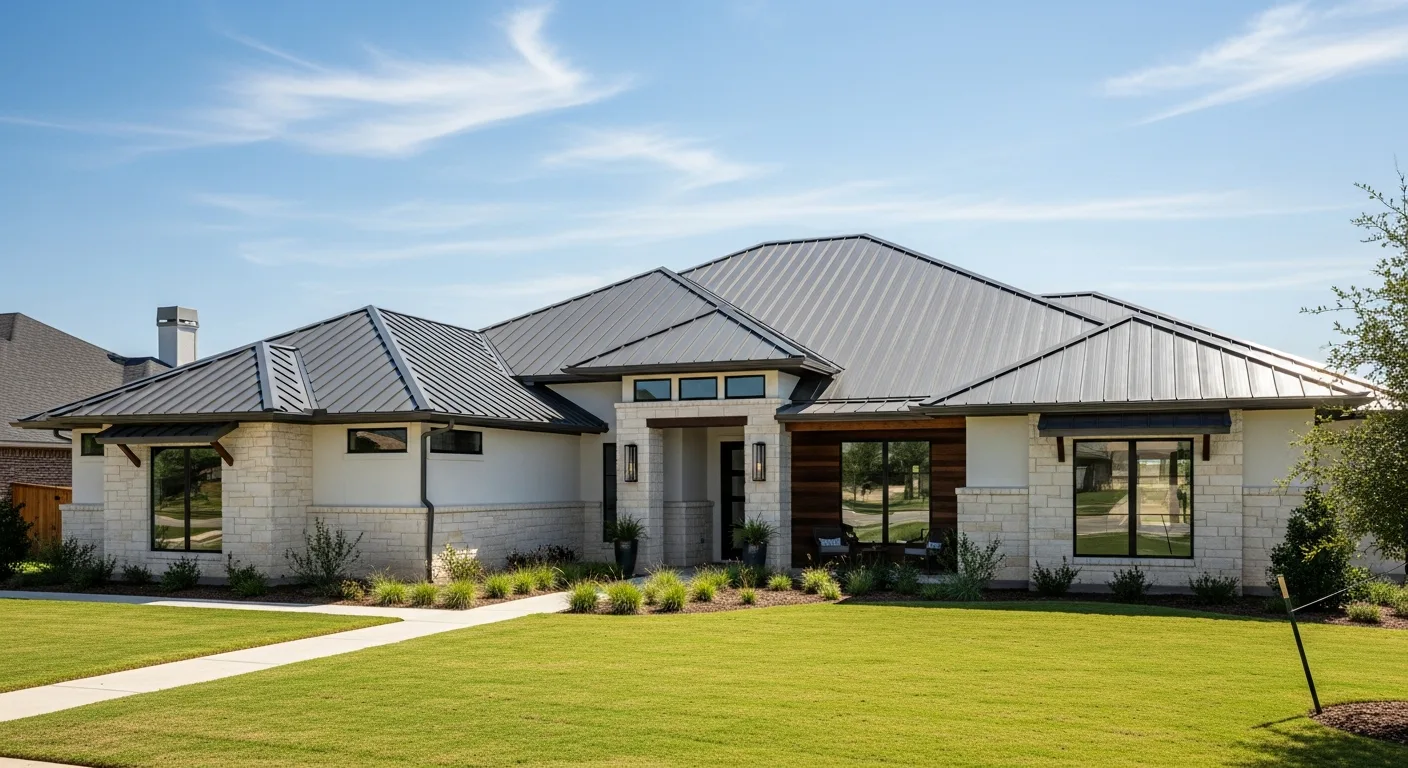
Metal roofing systems with appropriate pigmented coatings that meet Energy Star requirements may also qualify for federal tax credits when installed as part of comprehensive energy efficiency improvements. The key requirement is meeting specific thermal reflectivity and emittance standards that reduce cooling energy consumption.
Commercial Building Energy Efficiency Deduction
Commercial property owners can benefit from Section 179D deductions, which allow up to $1.88 per square foot in tax deductions for buildings that achieve specified energy efficiency targets. Roof system improvements often contribute significantly to meeting these requirements, particularly when combined with enhanced insulation and cool roof technologies.
State and Local Incentive Programs
Texas offers various state-level programs that complement federal incentives:
Property Assessed Clean Energy (PACE) Financing
Several Texas municipalities offer PACE financing programs that allow property owners to finance energy efficiency improvements, including roofing upgrades, through property tax assessments. This financing structure spreads costs over extended periods while enabling immediate implementation of efficiency improvements.
Utility Rebate Programs
Major Texas utilities, including Xcel Energy serving the Panhandle region, offer rebate programs for energy-efficient building improvements. These programs typically provide rebates for cool roof installations, enhanced insulation systems, and reflective roofing materials that reduce peak cooling demands.
Rebate amounts vary by utility provider and specific improvements, but can range from $0.10 to $0.75 per square foot for qualifying cool roof installations. Some programs also offer additional incentives for combining roofing improvements with other building envelope upgrades.
Energy Star and Cool Roof Requirements
Most incentive programs require roofing materials to meet specific performance standards:
- Solar Reflectance: Minimum 0.25 for steep-slope applications, 0.65 for low-slope commercial roofing
- Thermal Emittance: Minimum 0.75 for most applications
- Solar Reflectance Index (SRI): Varies by roof slope and climate zone
- Energy Star Certification: Required for most federal and state programs
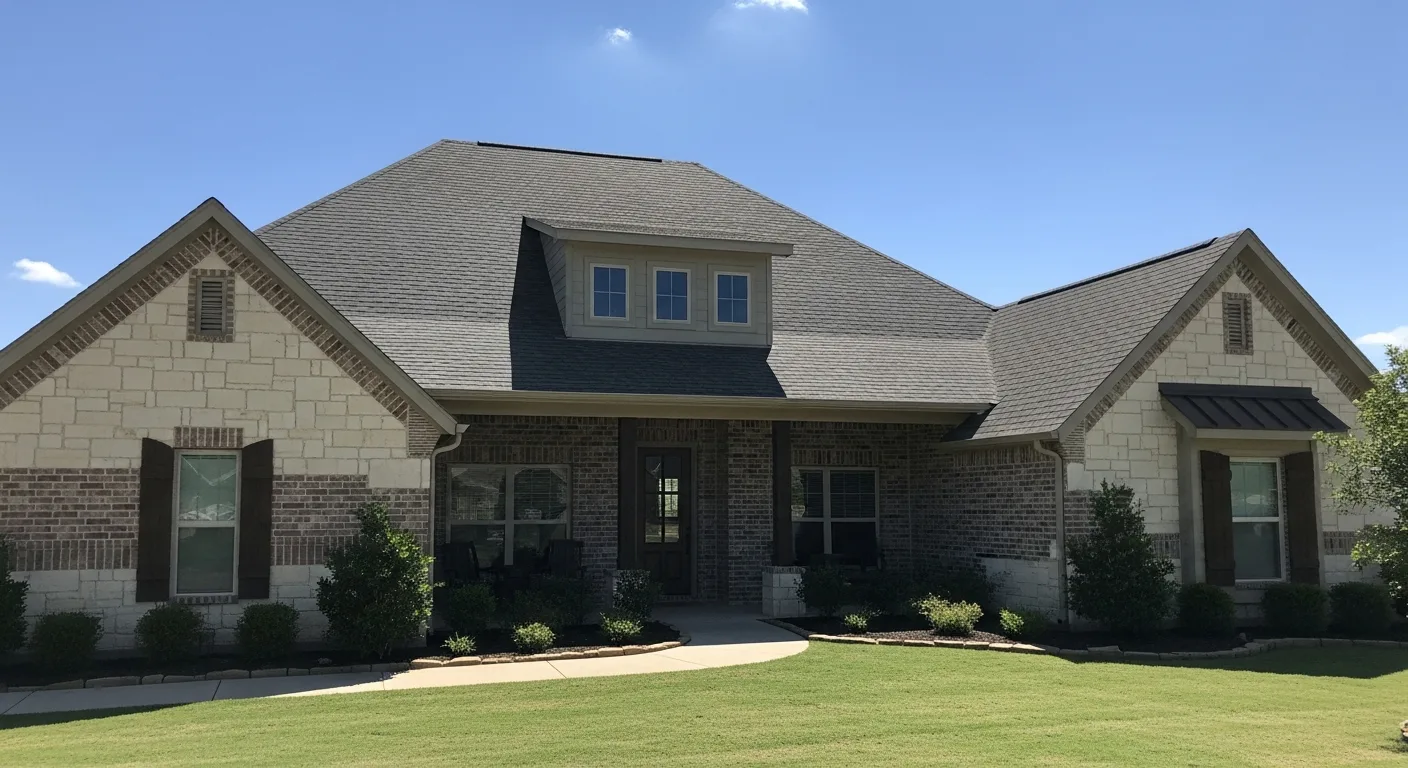
Commercial membrane systems like TPO, PVC, and modified EPDM often meet these requirements when properly specified. For residential applications, metal roofing with appropriate coatings and certain asphalt shingles with reflective granules qualify for various programs.
Storm-Resistant and Impact-Resistant Incentives
Given the Texas Panhandle's severe weather patterns, including high winds and frequent hailstorms, additional incentives may apply for storm-resistant roofing improvements:
Insurance Premium Discounts
Many insurance providers offer premium discounts for impact-resistant shingles and wind uplift resistant roof systems. While not government incentives, these ongoing savings can significantly offset upgrade costs over the roof system lifespan.
Class 4 impact-resistant shingles, designed to withstand severe hail damage, often qualify for 10-35% insurance premium reductions. Combined with improved building envelope performance, these systems provide both immediate and long-term financial benefits.
FORTIFIED Roof Designations
The IBHS FORTIFIED Roof program provides certification for wind-resistant construction standards. Some insurers offer additional discounts for FORTIFIED-certified improvements, and certain grant programs specifically support these upgrades in high-wind areas.
How These Programs Apply in High-Wind, Storm-Prone Areas
The Texas Panhandle's climate conditions create unique opportunities for maximizing incentive benefits. The region's extreme temperature fluctuations, intense UV exposure, and severe weather patterns make energy-efficient, storm-resistant roofing particularly valuable.
Cool roof technologies that reduce cooling loads during hot summers while providing adequate insulation for temperature extremes often qualify for multiple incentive programs simultaneously. This stacking of benefits can reduce total project costs by 30-50% in some cases.
Wind uplift resistance requirements in the region also align well with many energy efficiency programs, as properly secured roof systems with continuous air barriers improve both storm resistance and thermal performance. The building envelope improvements required for maximum energy efficiency often enhance overall structural integrity against severe weather.
Application Process and Documentation Requirements
Successfully claiming incentives requires careful documentation and proper application procedures:
- Pre-approval: Some programs require pre-approval before beginning work
- Certified Contractors: Many incentives require installation by certified or licensed contractors
- Material Specifications: Detailed documentation of material performance characteristics
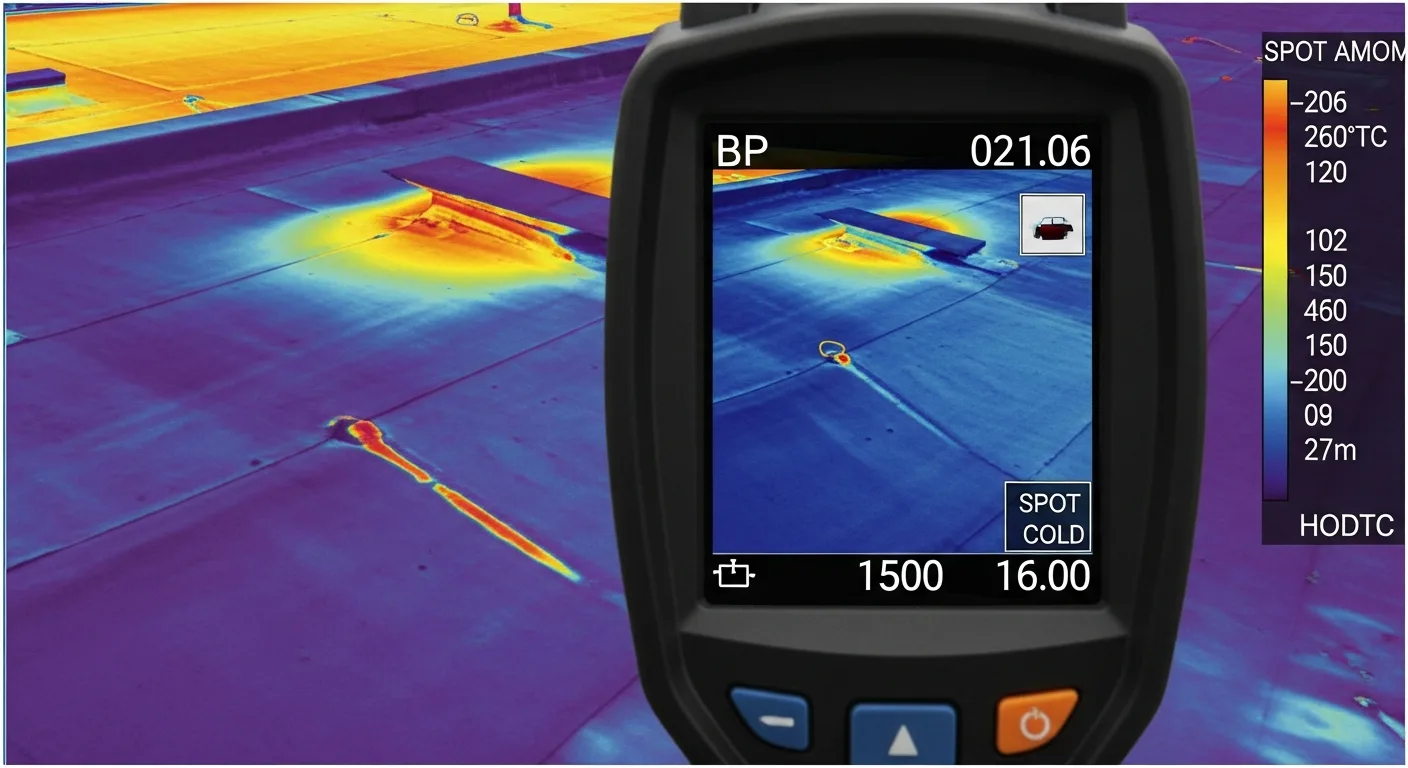
- Energy Modeling: Commercial projects may require professional energy assessments
- Inspection Requirements: Some programs mandate third-party inspections or certifications
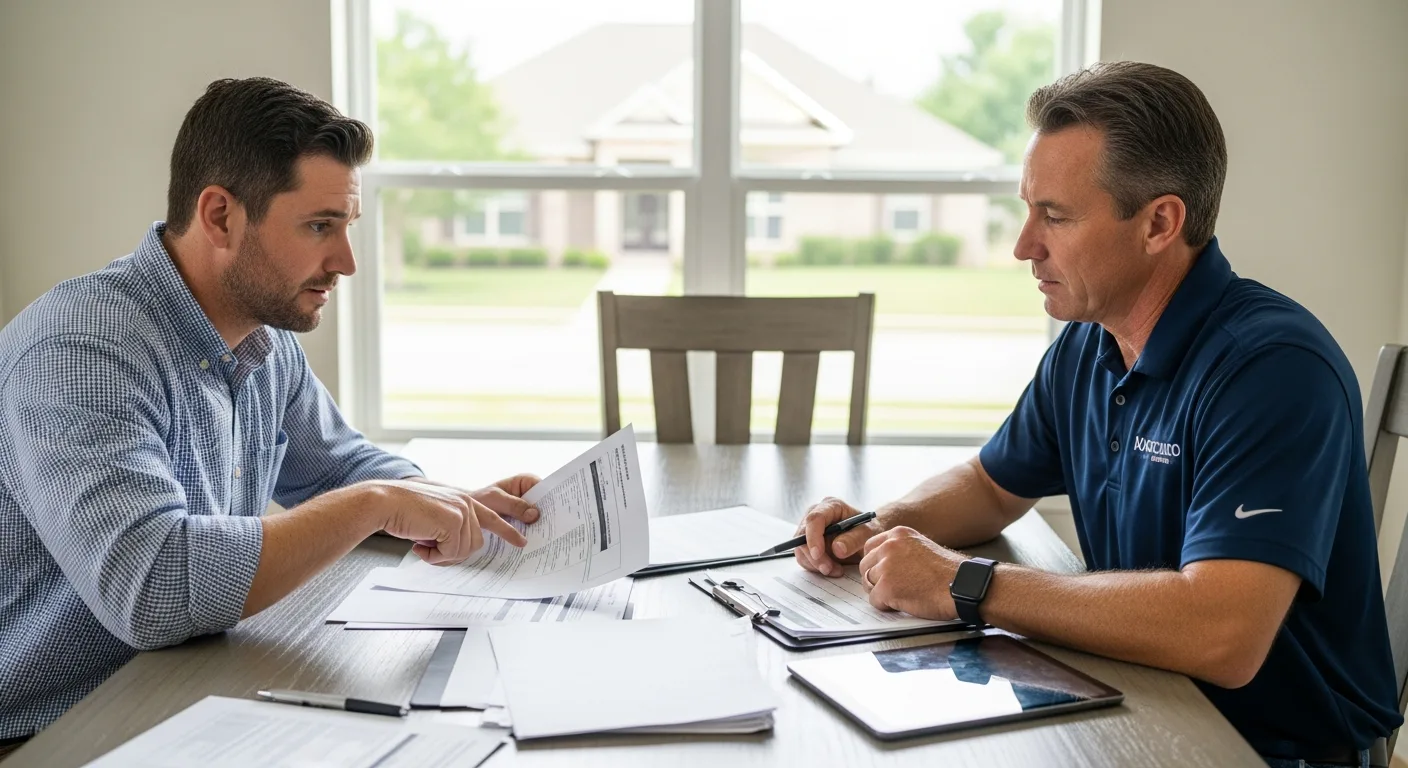
Working with experienced roofing contractors familiar with incentive program requirements ensures proper documentation and maximizes available benefits. Professional guidance helps navigate complex application processes while ensuring compliance with all program specifications.
When to Consult Professional Roofers About Incentive Programs
Professional roofing contractors experienced with incentive programs provide invaluable guidance for maximizing available benefits while ensuring proper system performance. They understand which materials qualify for specific programs, proper installation requirements, and documentation procedures.
Consulting with qualified contractors early in the planning process helps identify all available incentives and structures projects to maximize benefits. Professional assessment ensures roofing improvements align with program requirements while addressing specific regional climate challenges.
For comprehensive evaluation of available incentives for your specific roofing project, explore our residential roofing service page or visit our commercial roofing services section to discuss how these programs can reduce your upgrade costs while improving building performance. Professional guidance ensures you capture all available benefits while implementing roofing solutions optimized for Texas Panhandle conditions.
In the Texas Panhandle, where NOAA weather data shows hail events occurring at rates significantly above national averages, energy-efficient roofing materials must also meet stringent impact resistance standards. The dual challenge of extreme temperature swings—from scorching summers exceeding 100°F to winter freezes—demands roofing systems that maintain thermal performance while withstanding severe weather impacts.
Modern energy-efficient roofing materials like GAF's Timberline series with Advanced Protection Technology combine impact resistance ratings of Class 3 or Class 4 with solar reflectance values that can reduce surface temperatures by up to 50°F compared to traditional dark shingles. These performance characteristics directly correlate with reduced cooling loads and extended HVAC system life, making them particularly valuable for Texas Panhandle properties where air conditioning costs can represent 40-60% of annual energy expenses.
The Department of Energy's cool roof initiatives emphasize that proper installation and ventilation are equally important as material selection. Inadequate attic ventilation can negate even the most efficient roofing materials, particularly in Texas's high-heat environment. Professional installation following NRCA standards ensures that energy-efficient upgrades achieve their projected performance levels and maintain eligibility for available incentive programs.
For commercial properties, single-ply membrane systems meeting ENERGY STAR reflectivity requirements can qualify for enhanced utility rebates. TPO and PVC membranes with initial solar reflectance values of 0.65 or higher and thermal emittance of 0.75 or higher provide measurable energy savings while meeting the durability requirements necessary for Texas Panhandle wind and hail exposure. These systems must also comply with local building codes that often exceed base IRC requirements due to regional weather severity.